Tri Fuel Portable Generator Everything You Need To Know
A tri fuel portable generator gives you three fuel choices — gasoline, propane, and natural gas — so you always have a backup power source ready. These versatile machines are perfect for camping trips, emergency preparedness, and home backup during outages. They offer excellent fuel efficiency, longer runtime, and the flexibility to switch fuels based on availability and cost. In this guide, we break down everything you need to know about choosing, using, and maintaining a tri fuel portable generator.
A tri fuel portable generator is one of the most versatile power tools you can own. Whether you are camping in the woods, dealing with a sudden power outage, or just want a reliable backup power supply, this machine has you covered. What makes it special? It runs on three different fuels — gasoline, propane, and natural gas. That means you are never stuck without power just because one fuel source runs out or becomes hard to find.
If you have been shopping for a portable electrical generator, you have probably noticed that many models now offer tri fuel capability. This is not just a marketing gimmick. It is a real practical advantage that gives you more control over your power supply. In this article, we will walk you through everything you need to know about tri fuel generators, from how they work to which one is right for your needs.
The idea behind a tri fuel generator is simple but brilliant. You get the convenience of gasoline for quick starts, the clean burn of propane for longer storage, and the steady supply of natural gas for extended use at home. Together, these three options make your portable power solution incredibly flexible and dependable.
Key Takeaways
- Triple Fuel Flexibility: Run your generator on gasoline, propane, or natural gas depending on what is available and affordable.
- Emergency Ready: A tri fuel unit is an ideal backup power supply for homes during outages and natural disasters.
- Fuel Efficiency Matters: Propane and natural gas often burn cleaner and last longer than gasoline alone.
- Easy Fuel Switching: Most tri fuel generators come with built-in regulators or simple conversion kits for quick changes.
- Portable and Powerful: Modern tri fuel models deliver strong wattage output while staying lightweight and transportable.
- Maintenance Is Simple: Regular upkeep keeps your generator running smoothly across all three fuel types.
📑 Table of Contents
- What Is a Tri Fuel Portable Generator?
- Benefits of a Tri Fuel Portable Generator
- How to Choose the Right Tri Fuel Generator
- Top Tri Fuel Portable Generator Brands to Consider
- Maintenance Tips for Your Tri Fuel Generator
- Common Mistakes to Avoid with Tri Fuel Generators
- Expert Insights on Tri Fuel Generator Performance
- Final Thoughts on Tri Fuel Portable Generators
What Is a Tri Fuel Portable Generator?
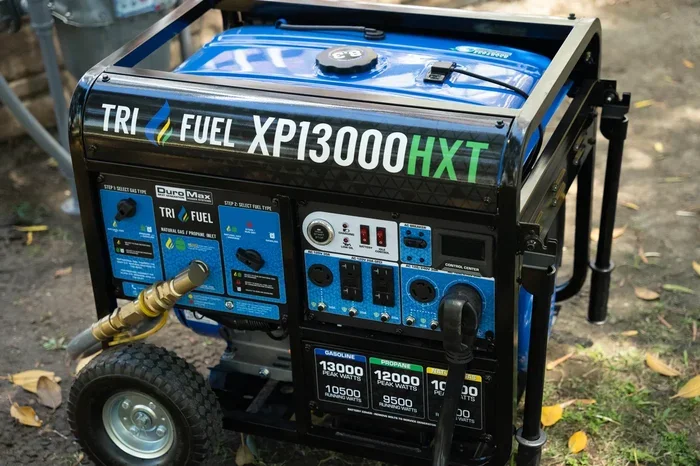
A tri fuel portable generator is a type of portable generator that can operate on three different fuel sources. Most generators are limited to one or two fuels. A tri fuel model breaks that limitation. You get gasoline, propane, and natural gas all in one machine. This gives you options that a standard dual fuel generator simply cannot match.
Here is how the three fuels work in a tri fuel setup:
- Gasoline: The most common and widely available fuel. Great for quick starts and short term use. You can fill up at any gas station.
- Propane: Stored in tanks, propane burns clean and lasts a long time in storage. It is a popular choice for camping and emergency kits.
- Natural Gas: Supplied through a line from your utility company. This fuel source never runs out as long as the gas line is active. It is ideal for home backup situations.
The ability to switch between these fuels is what sets a tri fuel generator apart. You are not locked into one fuel type. If gasoline prices spike, you can switch to propane. If you need power for days, you can connect to your natural gas line. This kind of fuel versatility is what makes tri fuel models so appealing.
How Does a Tri Fuel Generator Work?
Inside a tri fuel generator, you will find a standard engine with a fuel conversion system. The engine itself is similar to what you find in a regular portable generator. The difference lies in the fuel delivery system. A tri fuel model includes multiple fuel inlets and regulators that let you switch between gasoline, propane, and natural gas with minimal effort.
Most models come with a built-in propane regulator and a natural gas inlet. You simply connect the appropriate fuel source, adjust the regulator, and the generator switches over. Some units even include a fuel conversion kit in the box, making setup a breeze.
Benefits of a Tri Fuel Portable Generator
There are many reasons why people choose a tri fuel generator over a standard single fuel model. Let us look at the biggest advantages.
Fuel Flexibility and Availability
The number one benefit is flexibility. In an emergency, you may not be able to get gasoline. Maybe the gas stations are closed or the lines are too long. With a tri fuel generator, you can switch to propane or natural gas and keep your lights on. This is especially important during severe weather events or extended outages.
For outdoor enthusiasts, this flexibility is a game changer. On a camping trip, you might not want to carry heavy gasoline cans. Propane tanks are lighter and easier to transport. And if you are camping near a cabin with a natural gas line, you can hook right up.
Longer Runtime and Better Fuel Efficiency
Propane and natural gas burn more slowly than gasoline in many cases. This means your generator can run longer on a single tank or tank refill. When you compare the runtime hours across different fuels, propane and natural gas often come out ahead. This makes tri fuel generators excellent for extended use during power outages or multi day camping trips.
Here is a quick comparison of average runtime for a typical tri fuel generator:
- Gasoline: 8 to 12 hours at 25% load
- Propane: 10 to 16 hours at 25% load
- Natural Gas: Unlimited with a continuous gas line supply
Cleaner Burning Fuels
Propane and natural gas burn much cleaner than gasoline. They produce fewer carbon deposits and less smell. This is better for your engine and better for the environment. If you are using your generator in a garage or enclosed area (with proper ventilation), propane is a safer choice because it produces fewer toxic fumes.
Cost Savings Over Time
Propane and natural gas can be cheaper than gasoline, especially if you have a natural gas line at home. Over time, using the right fuel for the right situation can save you a noticeable amount of money. This is an important factor to consider when you are evaluating the cost of running a generator long term.
How to Choose the Right Tri Fuel Generator
Not all tri fuel generators are created equal. There are several factors you should consider before making a purchase. Let us walk through the most important ones.
Wattage Output
The wattage output determines what you can power. A small tri fuel generator with 1,000 to 2,000 watts is perfect for camping lights, phone charging, and a small fan. A larger model with 5,000 to 7,500 watts can handle your fridge, sump pump, and several household appliances during an outage.
Think about what you need to power most often. Make a list of your essential items and add up their wattage. Then choose a generator that exceeds that total by at least 20%. This gives you a comfortable buffer and prevents overloading.
Portability and Weight
Since you are looking for a portable model, weight matters. Most tri fuel generators weigh between 50 and 100 pounds. Look for models with built-in wheels and a fold-down handle. These features make it much easier to move your generator around the yard or load it into your truck for a camping trip.
Noise Level
Nobody wants a generator that sounds like a jet engine. Modern tri fuel generators come with noise reduction features that keep the sound level manageable. Look for models that operate at 60 decibels or below. That is about the same volume as a normal conversation. This is especially important for camping or residential use.
Fuel Tank and Conversion System
Check the quality of the fuel conversion system. Some models make switching between fuels easy and quick. Others require more fiddling. Look for a unit with clearly labeled fuel inlets and an intuitive regulator system. A good fuel conversion kit should take less than five minutes to switch between fuels.
Top Tri Fuel Portable Generator Brands to Consider
The market has several strong brands that offer tri fuel models. Here are some names you will want to look at when shopping around.
- Westinghouse: Known for reliable and affordable tri fuel generators with solid wattage output and long runtime.
- Champion Power Equipment: Offers popular models with easy fuel switching and built-in safety features.
- DuroMax: A trusted name in the generator world with several tri fuel options for different budgets.
- Generac: A premium brand with high-quality engines and excellent build quality across their tri fuel lineup.
Before you buy, read reviews and compare specs. Pay attention to the warranty, customer service reputation, and availability of replacement parts. A good brand will stand behind its product and make maintenance easy.
Maintenance Tips for Your Tri Fuel Generator
Keeping your tri fuel generator in good shape is not hard, but it does require regular attention. Here are some simple maintenance steps that will extend the life of your machine and keep it running smoothly on all three fuels.
Regular Oil Changes
Change the oil every 50 to 100 hours of use, or at least once per season if you do not use it often. Use the oil type recommended by the manufacturer. Clean oil keeps the engine running smoothly and prevents premature wear.
Fuel System Care
Since you are using multiple fuel types, it is important to keep the fuel system clean. Use a fuel stabilizer if you plan to store the generator for more than a month. This prevents fuel degradation and keeps the carburetor clear. Also, check all fuel lines and connections for leaks before each use.
Spark Plug Maintenance
Inspect the spark plug every few uses. Clean it or replace it if you see signs of wear. A healthy spark plug ensures reliable starts across all three fuel types. This is a small task that makes a big difference in engine performance.
Run the Generator Regularly
Even if you do not need power often, run your generator for about 30 minutes once a month. This keeps the engine lubricated and prevents fuel system issues. It also gives you a chance to test the unit and make sure everything is working properly before you actually need it.
Store Properly
When storing your generator, drain the fuel system if you will not be using it for an extended period. Store it in a cool, dry place away from direct sunlight. Proper storage prevents rust, fuel degradation, and other common issues that shorten generator life.
Common Mistakes to Avoid with Tri Fuel Generators
Even experienced users make mistakes with their generators. Here are some common errors to watch out for.
- Using the wrong fuel mixture: Always double check that you are connecting the right fuel source before starting the engine. Mixing fuels can damage the engine.
- Skipping the break in period: New generators need a break in period. Run the generator at varying loads for the first few hours to properly seat the engine.
- Overloading the generator: Do not plug in more appliances than the generator can handle. This can trip the breaker or damage the engine.
- Neglecting maintenance: Skipping oil changes and spark plug checks leads to poor performance and shorter generator life.
- Running the generator indoors: Always use your generator outdoors in a well ventilated area. Carbon monoxide is a serious danger and can be fatal.
By avoiding these common mistakes, you will get the most out of your tri fuel generator and keep it running safely for years to come.
Expert Insights on Tri Fuel Generator Performance
We asked a few experienced users and a generator technician about their thoughts on tri fuel models. Here is what they had to say.
Mark T., a camping enthusiast from Colorado, says: “I have used tri fuel generators for three years now. The ability to switch to propane on longer trips is a game changer. I carry one propane tank and it lasts me through an entire weekend of camping.”
Sarah L., a homeowner in Florida, shares: “After Hurricane Ian, we lost power for four days. Our tri fuel generator kept our fridge running and the lights on. We used natural gas for the first two days and switched to propane when we ran low. It was a lifesaver.”
Jake R., a certified generator technician, adds: “From a technical standpoint, tri fuel generators are well designed. The key is to follow the manufacturer guidelines for each fuel type. Proper maintenance and correct fuel selection will keep any tri fuel unit running strong for a decade or more.”
These real world insights show that tri fuel generators deliver on their promise. They are reliable, flexible, and practical for a wide range of situations.
Final Thoughts on Tri Fuel Portable Generators
A tri fuel portable generator is one of the smartest investments you can make for your home or outdoor adventures. The ability to run on gasoline, propane, and natural gas gives you unmatched flexibility and peace of mind. Whether you are preparing for emergencies, planning a camping trip, or just want a reliable backup power supply, a tri fuel generator delivers.
When choosing your unit, focus on wattage output, portability, noise level, and fuel switching ease. Pick a reputable brand with solid customer reviews. And remember to maintain your generator properly so it is ready when you need it most.
The right tri fuel generator gives you power when you need it, in the fuel you have available. That kind of reliability is hard to beat. Take your time, do your research, and find the model that fits your needs perfectly.
If you want to learn more about generator testing and how to evaluate different models, check out our detailed guide on generator testing. It will help you make an informed decision before you buy. Also, if you are curious about how much fuel your generator will actually use, read our article on how much natural gas a generator uses for real world numbers and estimates.
Frequently Asked Questions
What does tri fuel mean on a generator?
Tri fuel means the generator can run on three different fuel types: gasoline, propane, and natural gas. This gives you the flexibility to choose the fuel that is most available and affordable for your situation. It is a major advantage over single fuel or dual fuel models.
Is a tri fuel generator worth the extra cost?
Yes, for most users a tri fuel generator is worth the investment. The ability to switch between three fuels means you are never without power during an emergency. Over time, the fuel savings and versatility often justify the higher upfront cost compared to single fuel models.
Can I use all three fuels on the same generator?
Absolutely. Tri fuel generators are designed to safely run on gasoline, propane, and natural gas. Each fuel has its own inlet and regulator. Just make sure you switch to the correct fuel settings before starting the engine to ensure safe and efficient operation.
How long does a tri fuel generator run on propane?
On a standard 20-pound propane tank, most tri fuel generators can run for 10 to 16 hours at 25% load. The exact runtime depends on the wattage output, engine efficiency, and the load you are running. Propane generally provides longer runtime than gasoline.
Are tri fuel generators louder than regular generators?
Not necessarily. The noise level depends more on the generator model and build quality than the number of fuel options. Many modern tri fuel generators are designed to be quiet, operating at 60 decibels or below. Always check the noise rating before purchasing.
What size tri fuel generator do I need for my home?
To determine the right size, add up the wattage of the appliances you want to power during an outage. A typical home needs a generator with 5,000 to 7,500 watts to run essentials like the fridge, lights, and a sump pump. For a full house, you may need a larger model. Consider reading our guide on how big of a backup generator you need for more detailed sizing advice.