Your Oxygen Generator for Home Guide to Better Breathing
An oxygen generator for home use can transform how you breathe every day. These machines pull oxygen from the air and deliver it directly to your living space. Whether you need supplemental oxygen for health reasons or want cleaner air, a home oxygen concentrator offers a convenient solution. This guide covers everything from types and benefits to buying tips and maintenance.
Breathing should feel easy. But for millions of people, getting enough oxygen at home is a daily challenge. Polluted air, allergies, and respiratory conditions can all make each breath harder than it should be. That is where an oxygen generator for home comes in. These machines pull fresh oxygen from the surrounding air and deliver it right where you need it most.
If you have been searching for ways to improve the air quality in your home, you are not alone. More families are turning to home oxygen concentrator machines for better respiratory health. Whether you need oxygen therapy for a medical condition or simply want cleaner air, understanding your options is the first step. This guide walks you through everything you need to know about choosing, using, and maintaining an oxygen generator at home.
The good news? You do not need to be a tech expert to make this work. Modern oxygen concentrator machines are designed for everyday people. They are simple to use, easy to maintain, and surprisingly affordable when you compare them to traditional oxygen tanks. Let us dive in.
Key Takeaways
- Better breathing at home: An oxygen generator for home use delivers consistent, purified oxygen to your living space.
- Multiple types available: You can choose from portable oxygen concentrators, stationary units, and hybrid models.
- Health benefits are real: Home oxygen therapy helps with COPD, asthma, and general respiratory wellness.
- Cost-effective long-term: Unlike oxygen tanks, a home oxygen generator eliminates refill costs and lasts for years.
- Maintenance matters: Regular filter changes and cleaning keep your oxygen purity levels high and your machine running smoothly.
- Know your needs: Oxygen flow rate and room size determine the right unit size for your home.
📑 Table of Contents
- What Is an Oxygen Generator for Home Use?
- Why Do People Need Oxygen Therapy at Home?
- Types of Oxygen Generators for Home
- Benefits of Using an Oxygen Generator at Home
- How to Choose the Right Oxygen Generator for Your Home
- Maintenance Tips for Your Oxygen Generator
- Common Mistakes to Avoid with Home Oxygen Generators
- Frequently Asked Questions
- Final Thoughts
What Is an Oxygen Generator for Home Use?
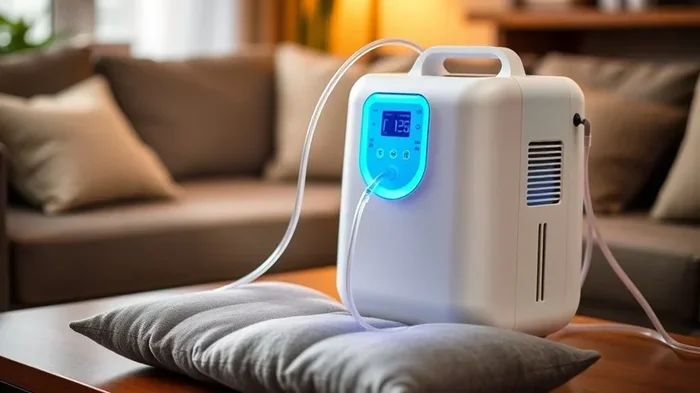
An oxygen generator for home is a device that separates oxygen from the surrounding air and delivers it to your living space. Unlike oxygen tanks that run out and need refilling, these machines pull oxygen continuously from the air around you. This means you never have to worry about running out of supply.
The core technology behind most home units is called air separation technology. A compressor inside the machine filters nitrogen out of the air, leaving behind concentrated oxygen. The oxygen then flows through a tube to your nose or into the room. Think of it as a smart filter that keeps what your lungs need and sends the rest back into the air.
How Does It Work?
Here is a simple breakdown of the process:
- Step 1: The machine draws in room air through an intake vent.
- Step 2: A compressor pressurizes the air inside the unit.
- Step 3: Sieve beds filter out nitrogen and other gases.
- Step 4: Pure oxygen flows out through a delivery tube.
- Step 5: The remaining nitrogen is released back into the room.
It is a continuous cycle. As long as the machine has power, it keeps producing oxygen. This is one of the biggest advantages over traditional oxygen concentrator vs tank setups, which can run dry at the worst possible time.
Why Do People Need Oxygen Therapy at Home?
There are many reasons someone might need supplemental oxygen at home. Some are medical, and some are about general wellness. Let us look at the most common situations where a home oxygen concentrator makes a real difference.
Respiratory Health Conditions
Chronic conditions like chronic obstructive pulmonary disease (COPD) make it hard for the lungs to absorb enough oxygen. People with asthma, pulmonary fibrosis, and sleep apnea often benefit from a steady oxygen supply at home. For these individuals, an oxygen generator is not just a luxury. It is a lifeline.
Even if you do not have a diagnosed condition, you might notice that your energy levels drop or you feel short of breath during daily activities. Low oxygen levels can cause fatigue, headaches, and difficulty concentrating. A home respiratory health device can help restore your oxygen levels to a healthy range.
General Air Quality Concerns
Not everyone needs oxygen therapy. But many people live in areas with poor outdoor air quality. Pollen, smog, and indoor pollutants can all reduce the oxygen purity in your home. An oxygen generator helps by boosting the oxygen concentration in your living space. This is especially helpful during wildfire seasons or high-pollution days when opening windows is not an option.
Types of Oxygen Generators for Home
Not all oxygen generators are the same. Understanding the different types helps you pick the right one for your needs. Here is a closer look at the most popular options on the market.
Stationary Oxygen Concentrators
These are the big units that stay in one room. They plug into a wall outlet and deliver a high flow of oxygen. Stationary units are ideal for people who need oxygen therapy for most of the day. They tend to be more powerful and can handle higher oxygen flow rates than portable models.
Most stationary units weigh between 30 and 50 pounds. They are louder than portable options, but they are also more affordable. If you have a dedicated room where you spend most of your time, a stationary oxygen generator for home is a great choice.
Portable Oxygen Concentrators
Portable units are smaller and lighter. They run on batteries or can plug into a car adapter. This makes them perfect for people who want to move around the house or even go outside. A portable oxygen generator gives you the freedom to stay active while still getting the oxygen you need.
Portable models typically cost more than stationary ones. But the trade-off is mobility and convenience. Many people keep a portable unit for daytime use and a stationary unit for overnight therapy.
Hybrid and Dual-Use Models
Some manufacturers now offer hybrid units that work both as a stationary and portable device. These are the best of both worlds. You get high oxygen output at home and the ability to take the unit with you when you travel. Hybrid models are becoming increasingly popular in the home healthcare equipment space.
Benefits of Using an Oxygen Generator at Home
Switching to an oxygen generator for home comes with several real advantages. Let us break down why so many families are making the switch.
Cost Savings Over Time
Oxygen tanks require regular refills, and those costs add up fast. A single tank refill can cost anywhere from $20 to $100 depending on your usage. Over a year, that adds up to hundreds or even thousands of dollars. An oxygen generator eliminates refill costs entirely. You pay for electricity, which costs pennies compared to tank refills.
Think about how much you spend on how much natural gas does a generator use or electricity for other household appliances. An oxygen concentrator uses similar amounts of power. The long-term savings are hard to ignore.
No More Refill Hassles
With oxygen tanks, you need a delivery service or you have to drive to a supply store. An oxygen generator for home removes that dependency entirely. You never have to schedule a refill or worry about running out during the night. The machine just keeps running as long as it has power.
Consistent Oxygen Purity Levels
Modern oxygen concentrators deliver 90 to 95 percent oxygen purity. That is consistent and reliable. Oxygen tanks can lose pressure over time, which affects the flow rate. A home oxygen concentrator maintains steady output from the first breath to the last.
Quieter and Safer
Oxygen tanks store compressed gas under high pressure. That comes with risks of leaks or ruptures. Oxygen generators are much safer because they produce oxygen on demand. They also run quieter than older models, with many units producing less noise than a whisper. This makes them ideal for bedrooms and nurseries.
Supports Active Lifestyles
People using supplemental oxygen should not have to stay home all day. Portable oxygen generators let you keep living your life. You can go for walks, visit friends, or run errands without lugging a heavy tank behind you. Better breathing means better mobility and a higher quality of life.
How to Choose the Right Oxygen Generator for Your Home
Buying an oxygen concentrator is a big decision. You want a unit that fits your needs, your budget, and your lifestyle. Here are the key factors to consider before you make a purchase.
Determine Your Oxygen Flow Rate Needs
Your doctor can tell you what oxygen flow rate you need, measured in liters per minute (LPM). Some people need just 1 to 2 LPM, while others require 5 LPM or more. Make sure the unit you choose can deliver your prescribed flow rate consistently. If you buy a unit that is too weak, you will not get the oxygen therapy benefits you need.
Consider Room Size
Where will you place the oxygen generator? A small bedroom needs a different unit than a large living room. Portable units work well for smaller spaces. Stationary units are better for open floor plans where oxygen needs to spread across a larger area. Think about your home oxygen supply coverage area before you shop.
Check the Noise Level
Nobody wants a machine that sounds like a jet engine in their living room. Look for units rated below 45 decibels for bedroom use. Many modern oxygen concentrators for home use operate at 35 to 40 decibels, which is about as loud as a quiet conversation.
Factor in Portability
If you plan to move the unit between rooms or take it on trips, weight matters. Portable models weigh between 5 and 20 pounds. Stationary units can weigh 50 pounds or more. Think about your mobility needs and choose accordingly.
Budget and Insurance
Home oxygen concentrators range from $800 to $3,000 or more. Some insurance plans cover part or all of the cost. Check with your provider before buying. Also consider the long-term oxygen concentrator cost of ownership, which includes electricity, filter replacements, and occasional repairs.
Look for Warranty and Support
A good warranty gives you peace of mind. Look for units with at least a 3-year warranty. Reliable customer support is also important, especially if you are new to using home healthcare equipment. Brands with strong service networks make the ownership experience much smoother.
Maintenance Tips for Your Oxygen Generator
Keeping your oxygen generator in great shape ensures it delivers clean oxygen for years. Maintenance is simpler than you might think. Here is what you need to do regularly.
Clean or Replace Filters Monthly
The intake filter catches dust and particles from the air. Over time, it gets clogged and reduces airflow. Remove the filter every month and wash it with warm soapy water. Let it dry completely before putting it back. Some units use disposable filters that need replacing every 3 to 6 months.
Check the Sieve Beds
The sieve beds are the heart of the oxygen generation process. They filter out nitrogen and allow oxygen to pass through. After about 1 to 2 years, sieve beds start to lose efficiency. Most manufacturers recommend replacing them on a schedule. Keeping up with sieve bed maintenance helps maintain high oxygen purity levels.
Wipe Down the Exterior
Dust buildup on the outside of the unit can block vents and cause overheating. Wipe the exterior with a damp cloth every week. Never use harsh chemicals or sprays near the machine.
Inspect the Delivery Tubing
The tubing that carries oxygen to you can collect moisture and bacteria. Replace the tubing every 3 to 6 months. Between replacements, flush it with warm water and let it dry completely before reconnecting.
Keep the Unit Plugged In During Use
Portable units run on battery, but for home use, always plug the machine into a wall outlet when possible. This extends battery life and ensures a steady power supply. If you experience frequent power outages, consider a backup battery or UPS. You can also check how how long does a generator battery last to plan for extended outages.
Schedule Professional Check-Ups
Even with regular cleaning, it is smart to have a professional inspect your unit once a year. They can check for worn parts, test oxygen output, and make sure everything is running at peak efficiency.
Common Mistakes to Avoid with Home Oxygen Generators
Even with the best intentions, people make mistakes when using oxygen generators at home. Here are the most common ones and how to avoid them.
Placing the Unit Too Close to Walls
Oxygen generators need airflow around them to work properly. Keep at least 12 inches of space on all sides. Blocking the vents causes the machine to overheat and reduces oxygen output.
Ignoring Filter Replacement Schedules
It is easy to forget about filters, but dirty filters mean dirty oxygen. Set a monthly reminder to clean or replace your filters. This small habit goes a long way toward keeping your oxygen supply for home clean and safe.
Using Extension Cords
Never plug your oxygen generator into an extension cord. This can cause voltage drops that damage the compressor. Plug the unit directly into a wall outlet. If you must use a power strip, make sure it is a surge protector rated for the unit’s wattage.
Skipping Humidifier Bottles
Many oxygen generators come with a humidifier bottle attachment. Dry oxygen can irritate your nasal passages over time. Using the humidifier bottle keeps the oxygen moist and comfortable to breathe. Refill it with distilled water every 1 to 2 days.
Not Comparing Units Before Buying
Jumping at the first oxygen generator you see is a mistake. Compare models, read reviews, and talk to your doctor. Think about it like choosing between a generator for electricity versus an electrical generator for your home. Each has different strengths, and the right choice depends on your specific situation.
Frequently Asked Questions
How long does an oxygen generator for home last?
Most home oxygen concentrators last between 5 and 7 years with proper maintenance. Some high-quality units can last even longer. Regular filter changes, sieve bed replacements, and gentle handling all contribute to a longer lifespan. Think of it like maintaining any other household appliance. A little care goes a long way.
Is an oxygen generator the same as an oxygen concentrator?
Yes, the terms are used interchangeably. An oxygen generator for home use pulls oxygen from the surrounding air and concentrates it for delivery. This is different from an oxygen tank, which stores pre-filled compressed oxygen. The home oxygen concentrator is the more popular choice because it never runs out and costs less over time.
Can I use an oxygen generator while sleeping?
Absolutely. Many people use their oxygen concentrator at night for better breathing during sleep. In fact, overnight oxygen therapy is one of the most common uses for home oxygen generators. Look for a quiet model if you plan to run it in the bedroom. Most modern units operate below 40 decibels, which is quiet enough for restful sleep.
How much electricity does an oxygen generator use?
Home oxygen concentrators typically use between 280 and 600 watts. That is similar to running a microwave or a desktop computer. Your electricity bill will increase only modestly. Over a month, you might see an extra $15 to $30 added to your bill, depending on your local electricity rates and how many hours per day you run the machine.
Do I need a prescription for a home oxygen generator?
In most countries, yes. Oxygen therapy is considered a medical treatment, so a prescription ensures you get the right oxygen flow rate for your needs. Your doctor will assess your blood oxygen levels and write a prescription if needed. This also helps with insurance coverage, since many plans require a prescription before they will pay for the equipment.
Can children use a home oxygen generator?
Yes, children with respiratory conditions can use oxygen generators designed for pediatric use. These units have lower flow rates and smaller, child-friendly masks. Always consult your child’s doctor before starting any oxygen therapy. The right home healthcare equipment can make a huge difference in a child’s comfort and development.
Final Thoughts
An oxygen generator for home is more than just a machine. It is a gateway to better breathing, more energy, and a higher quality of life. Whether you need supplemental oxygen for a medical condition or simply want cleaner air in your home, the right unit can make a real difference.
Take the time to understand your options. Consider your oxygen flow rate needs, your room size, and your budget. Choose a model with good reviews, a solid warranty, and easy maintenance requirements. And once you have your unit, stick with a regular maintenance routine to keep it running smoothly for years to come.
Better breathing is not a luxury. It is a necessity. With the right oxygen supply for home, you can enjoy every breath with confidence. Start your journey today and feel the difference that clean, concentrated oxygen can make in your daily life.