How to Choose the Best Weld Power Generator for Your Needs
Choosing the right weld power generator means matching your welding needs to the right machine. This guide breaks down power output, duty cycle, fuel types, and sizing so you can make a smart purchase. Whether you are a hobbyist or a pro, you will find clear advice to pick the best unit for your job.
If you have ever tried to weld with a weak power source, you know how frustrating it can be. Your arc stutters. The bead looks messy. You end up wasting rod and time. A weld power generator solves all of that. It gives you clean, steady power right where you need it. Whether you work on a construction site or in a backyard shop, the right generator makes a huge difference.
But here is the thing. Not all weld power generators are created equal. Some are built for heavy industrial use. Others are lightweight and perfect for weekend projects. The key is knowing what you need before you spend your hard-earned money. This guide walks you through everything. From understanding basic specs to avoiding common buying mistakes, you will find all the answers here.
We will cover power output, duty cycle, fuel types, and sizing. By the end, you will feel confident choosing a weld power generator that fits your welding style and budget. Let us get into it.
Key Takeaways
- Match amperage to your welding type: MIG, TIG, and stick welding each need different power levels from your weld power generator.
- Duty cycle is critical: A higher duty cycle lets you weld longer without overheating your machine.
- Fuel type affects runtime and cost: Gasoline, diesel, propane, and natural gas each have pros and cons for different jobs.
- Inverter generators offer cleaner power: They are lighter, more fuel efficient, and better for sensitive welding equipment.
- Sizing matters more than you think: Undersizing leads to poor welds, while oversizing wastes money and fuel.
- Regular maintenance extends life: Simple checks like oil changes and air filter cleaning keep your weld power generator running strong.
📑 Table of Contents
- What Is a Weld Power Generator and Why Do You Need One?
- Key Features to Look For in a Weld Power Generator
- Types of Weld Power Generators Compared
- How to Size a Weld Power Generator for Your Project
- Common Mistakes to Avoid When Choosing a Weld Power Generator
- Maintenance Tips to Keep Your Weld Power Generator Running Strong
- Final Thoughts: Finding the Right Weld Power Generator for You
What Is a Weld Power Generator and Why Do You Need One?
A weld power generator is a machine that produces electrical power specifically designed for welding. It combines a generator engine with a welding output. This means you get both the electricity to run your welder and the power to run other tools on site. It is basically a two-for-one solution.
You might wonder why you need a dedicated unit. Can you not just use a regular electrical generator? The short answer is yes, but it is not ideal. Regular generators sometimes produce dirty power. That means voltage spikes and inconsistent output. For welding, clean and stable power is essential. A weld power generator is built to deliver exactly that.
Here are the main reasons you need one:
- Clean power output: Weld power generators produce steady current. This means smoother arcs and better welds.
- Portability: Many models are built to be moved around easily. You can take them to job sites.
- All-in-one convenience: You get welding power and backup electricity in one unit.
- Built for tough conditions: These machines handle dust, heat, and outdoor use better than standard generators.
- No need for shore power: You can weld anywhere, even in remote locations far from outlets.
If you have ever been stuck on a job site with no power, you understand the value of a good weld power generator. It turns any location into a workable welding space.
How Welding and Power Generation Work Together
Welding needs a lot of electrical power in a short burst. Your welder draws heavy amperage to create an arc. That arc melts metal and fuses pieces together. A weld power generator is designed to handle these sudden power demands without dropping voltage.
Think of it like this. A regular generator is like a sedan. It gets you there but it is not built for off-road jumps. A weld power generator is like a truck built for rough terrain. It handles the heavy load and keeps running strong. When you are running a MIG welder or a TIG welder, you need that kind of reliability.
Key Features to Look For in a Weld Power Generator
Not sure what to look for when shopping? You are not alone. The specs on a weld power generator can be confusing. Let us break down the most important features so you know exactly what matters.
Power Output and Welding Amperage
The first thing to check is the amperage range. This tells you how much welding power the machine can deliver. Light-duty welding might need 100 to 140 amps. Heavy plate work could require 200 amps or more.
Look at both the minimum and maximum amperage. A wider range gives you more flexibility. If you plan to weld thin sheet metal one day and thick steel the next, you want a machine that can handle both. The power output of a weld power generator is measured in watts and amps together.
Quick tip: Always choose a generator with slightly more capacity than you think you need. This gives you room to grow and prevents the machine from running at full tilt all the time.
Duty Cycle Matters
The duty cycle is how long your machine can weld continuously before it needs to cool down. It is expressed as a percentage over a 10-minute period. For example, a 60% duty cycle at 200 amps means you can weld for 6 minutes out of every 10.
This is a crucial spec. Many beginners overlook it and end up with a machine that overheats. If you weld for long stretches, you need a high duty cycle. For occasional use, a lower duty cycle might be fine.
Here is a simple comparison:
- 30% duty cycle: Good for light hobby work and short welds.
- 60% duty cycle: Great for moderate use and semi-professional jobs.
- 100% duty cycle: Best for heavy industrial work and long continuous welds.
Fuel Type and Runtime
Fuel type affects everything from runtime to operating cost. Most weld power generators run on gasoline, diesel, propane, or natural gas. Each has its own strengths.
Gasoline is the most common. It is easy to find and starts quickly. But it does not last as long on a tank. Diesel generators are more fuel efficient and built for heavy use. They cost more upfront but save money over time. Propane burns clean and stores easily. Natural gas is great for stationary setups where you have a constant fuel supply.
Want to know more about fuel usage? Check out our detailed guide on how much natural gas a generator uses.
Types of Weld Power Generators Compared
Not all weld power generators are the same. There are different types, and each suits a different kind of work. Let us look at the main categories.
Inverter Weld Power Generators
Inverter generators are the modern choice. They use advanced electronics to produce clean, stable power. The big advantage is size and weight. An inverter weld power generator is often much lighter than a conventional unit. This makes them perfect for portability.
They also run quieter and use less fuel. If you work in noise-sensitive areas or need to move your machine around often, an inverter model is a smart pick.
Conventional Weld Power Generators
Conventional generators use a traditional alternator design. They are rugged and built for heavy-duty work. These machines tend to be louder and heavier. But they are also very durable and can handle tough conditions on job sites.
Conventional units are often less expensive upfront. They are a solid choice for contractors who need raw power and do not mind the extra weight.
Portable vs Stationary Units
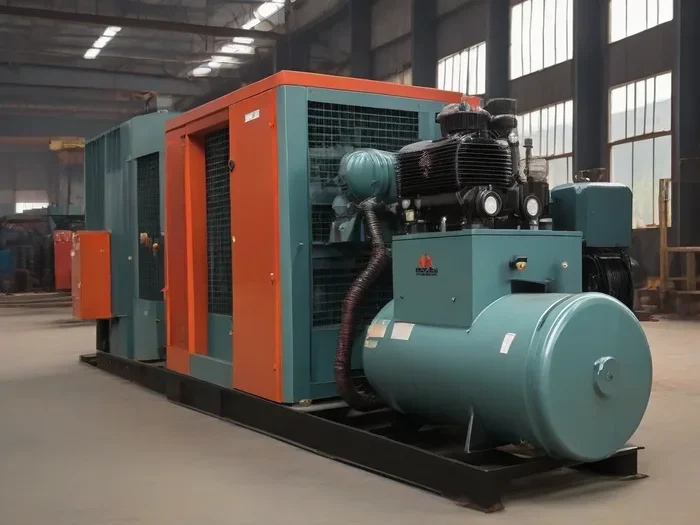
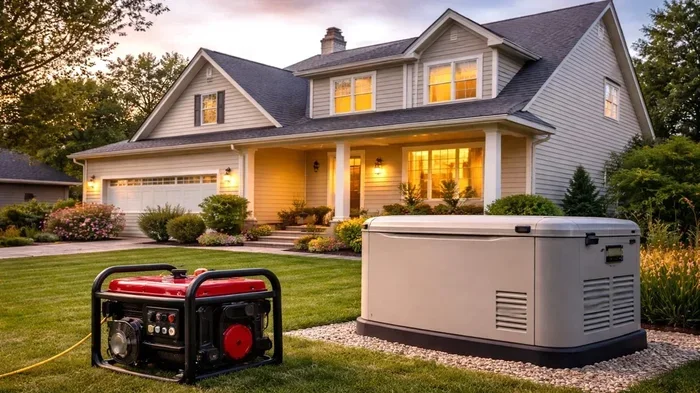
Portable weld power generators are smaller and easier to move. They work great for outdoor jobs, remote sites, and mobile welders. Stationary units are bigger and more powerful. They are best for shops and fixed work locations.
Your choice depends on where you weld most often. If you move around a lot, go portable. If you stay in one shop, a stationary unit gives you more power for less money.
How to Size a Weld Power Generator for Your Project
Sizing is one of the most important steps. Get it wrong and you either waste money or get poor welding results. Let us walk through how to find the right size.
Matching Amperage to Your Welding Type
Different welding processes need different amperage levels. Here is a quick breakdown:
- MIG welding: Usually needs 100 to 250 amps depending on material thickness.
- TIG welding: Needs lower amperage, often 15 to 200 amps. TIG is more precise and uses less power.
- Stick welding: Requires 50 to 300 amps. Stick welding is versatile and works on thicker materials.
Match your weld power generator to the amperage your welding process demands. If you do multiple types of welding, choose a machine that covers the full range.
Calculating Total Power Needs
You also need to account for other tools running at the same time. Are you powering a grinder, a saw, or lights along with your welder? Add up the wattage of all your tools. Then choose a weld power generator that exceeds that total by at least 20%.
This extra buffer prevents the generator from overloading. It also keeps your welding arc stable. No one wants their welder to cut out because the generator is strained.
Quick Sizing Tips
- Check your welder’s nameplate: It lists the exact amperage and voltage requirements.
- Add 20% extra capacity: This gives you breathing room for peak power demands.
- Consider future needs: If you plan to upgrade your welding setup, buy a generator that can handle the increase.
Common Mistakes to Avoid When Choosing a Weld Power Generator
Even experienced welders sometimes make bad buying decisions. Here are the most common mistakes and how to avoid them.
Buying Based on Price Alone
The cheapest weld power generator is not always the best deal. Cheap units often have low duty cycles, poor power quality, and short lifespans. You end up replacing them sooner. Spend time researching and compare features, not just price tags.
Ignoring the Duty Cycle
We mentioned duty cycle earlier, and it bears repeating. Many buyers ignore this spec and then wonder why their machine overheats. Always check the duty cycle rating and make sure it matches your typical welding sessions.
Underestimating Power Needs
It is tempting to buy a smaller unit to save money. But an undersized weld power generator will struggle under load. You will get weak arcs, inconsistent welds, and frustration. Always size up rather than down.
Skipping Generator Testing
Before you commit to a purchase, test the generator if possible. Run it under load and check the stability of the output. Proper generator testing reveals problems early. It saves you from buying a machine that will disappoint you in the field.
Maintenance Tips to Keep Your Weld Power Generator Running Strong
A weld power generator is an investment. Like any investment, it needs care to last. Regular maintenance keeps your machine running smoothly and extends its life by years.
Basic Maintenance Checklist
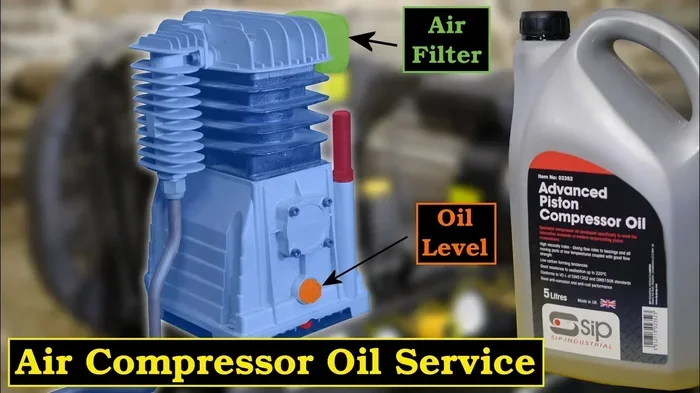
- Check oil levels: Change the oil after the first 20 hours of use, then every 100 hours after that.
- Clean or replace air filters: Dirty filters reduce engine performance and fuel efficiency.
- Inspect spark plugs: Worn spark plugs cause hard starting and rough running.
- Keep the unit clean: Remove dust and debris after each use. This prevents overheating.
- Store properly: Keep your weld power generator in a dry, ventilated area when not in use.
Battery and Runtime Considerations
Some weld power generators include a battery for starting and auxiliary power. If yours does, you need to maintain the battery too. Keep it charged and clean the terminals regularly. For questions about how long your generator battery lasts, check out our guide on how long a generator battery lasts.
Runtime depends on fuel tank size and load. A larger tank means longer welding sessions between refills. If you work long days on site, look for a unit with at least a 4-gallon tank or larger.
When to Call a Professional
Basic maintenance is something you can do yourself. But if you notice unusual sounds, smoke, or power fluctuations, it is time to get expert help. Regular generator testing by a professional can catch problems before they become expensive repairs.
Final Thoughts: Finding the Right Weld Power Generator for You
Choosing the best weld power generator comes down to understanding your needs. You need to know what you weld, how often you weld, and where you weld. Match those needs to the right power output, duty cycle, and fuel type, and you will end up with a machine that serves you well for years.
Do not rush the decision. Take your time. Compare models. Read reviews. And if you can, test the machine before you buy. A good weld power generator is a tool you will rely on for every project. Make it count.
Whether you are a beginner just getting started or a seasoned pro looking to upgrade, the right generator makes all the difference. Use the tips in this guide to narrow down your options. You will find the perfect weld power generator that fits your budget and your welding goals. Happy welding.
Frequently Asked Questions
What size weld power generator do I need for a MIG welder?
A typical MIG welder needs 100 to 250 amps depending on material thickness. Choose a weld power generator that provides at least 20% more capacity than your welder’s peak demand. This ensures stable power and prevents the generator from overloading during heavy welds.
Can I use a regular generator for welding?
You can, but it is not recommended. Regular generators often produce “dirty” power with voltage fluctuations. A dedicated weld power generator delivers clean, stable current that protects your welder and produces better weld quality.
How long can you run a weld power generator continuously?
This depends on the duty cycle and fuel tank size. Most units have a duty cycle of 30% to 60%, meaning you can weld for 3 to 6 minutes out of every 10. Check the specs for your specific model to understand its continuous run limits.
Which fuel type is best for a weld power generator?
It depends on your needs. Gasoline is widely available and easy to use. Diesel offers better fuel efficiency for heavy use. Propane burns clean and stores well. Natural gas is ideal for stationary setups. Choose the fuel that best fits your work environment and usage patterns.
How often should I maintain my weld power generator?
Perform basic checks like oil level and air filter inspection after every use. Change the oil every 100 hours of operation. Have a professional perform a full generator testing session at least once a year to catch any issues early.
Are inverter weld power generators worth the extra cost?
Yes, for most users. Inverter models are lighter, more fuel efficient, and produce cleaner power. They are ideal for portable use and noise-sensitive environments. The higher upfront cost is offset by better fuel savings and longer equipment life over time.