How Many Watt Generator to Run a Refrigerator Guide
Choosing the right how many watt generator to run a refrigerator depends on your fridge’s specific power needs. Most refrigerators need between 1000 and 2000 watts to start and run properly. This guide breaks down running watts vs starting watts, helps you find your fridge’s exact power requirements, and recommends the best generator size for refrigerator setups for any situation.
Power outages can happen anytime. Storms, grid failures, or simple equipment issues can leave your kitchen in the dark. When that happens, one thing matters most: keeping your food cold. A refrigerator full of groceries is a big investment, and losing it to spoilage costs money and frustration.
That is where a generator comes in. But here is the question everyone asks first. How many watt generator to run a refrigerator safely and efficiently? The answer is not as simple as you might think. Different fridges use different amounts of power. And the type of generator you choose makes a big difference too.
In this guide, we will walk you through everything you need to know. We will cover wattage basics, fridge power needs, generator types, and common mistakes to avoid. By the end, you will know exactly what size generator you need. No guesswork. No confusion. Just clear, practical advice you can use right away.
Key Takeaways
- Know your wattage: Always check both running watts and starting watts before buying a generator for your refrigerator.
- Add a safety buffer: Choose a generator that is 20 to 30 percent larger than your fridge’s total power needs.
- Inverter generators are ideal: They provide clean, stable power that protects your fridge’s sensitive electronics.
- Don’t skip the startup surge: The compressor needs extra power when it kicks on, and this spike matters a lot.
- Match the generator type to your needs: Portable units work great for short outages, while standby generators handle long-term backup.
- Avoid common sizing mistakes: Guessing or going too small can damage your refrigerator and waste fuel.
📑 Table of Contents
- Understanding Refrigerator Power Requirements
- How Many Watts Does a Refrigerator Actually Use
- How Many Watt Generator to Run a Refrigerator
- Types of Generators for Running a Refrigerator
- Common Mistakes When Sizing a Generator for a Refrigerator
- Tips for Running a Refrigerator on a Generator
- Final Thoughts
Understanding Refrigerator Power Requirements
Before you pick a generator, you need to understand how refrigerators use power. Many people think a fridge just draws a steady amount of electricity all day. That is not quite how it works. There are two very different power measurements you need to know.
Running Watts vs Starting Watts
Running watts are the power your refrigerator uses to keep things cool once it is up to temperature. This is the steady, continuous power draw. It is lower and stays pretty constant throughout the day.
Starting watts (also called surge watts or startup wattage) are completely different. When your compressor kicks on after a cooling cycle, it needs a big burst of energy to get going. This spike can be two to three times higher than the running watts. It lasts only a few seconds, but it matters a lot when sizing your generator wattage for refrigerator use.
Think of it like starting a car. The engine needs extra fuel to turn over. Once it is running, it needs less. Your refrigerator compressor works the same way. If your generator cannot handle that startup surge, your fridge will not start. Or worse, it could trip the generator off entirely.
How to Find Your Refrigerator’s Wattage
Finding your fridge’s power numbers is easier than you think. Here are the best ways to do it:
- Check the nameplate: Look inside your fridge, usually on the door frame or back wall. There is a metal tag that lists the voltage, amperage, and wattage.
- Read the owner’s manual: The manual often lists both running and starting wattage details.
- Use a wattage calculator: Multiply the volts by the amps listed on the nameplate to get the running wattage.
- Use a plug-in meter: Devices like a Kill-A-Watt meter let you measure real-time power use. This is the most accurate method.
Most standard home refrigerators use between 100 and 400 watts when running. But the startup surge can spike to 1200 to 2200 watts depending on the model. Always plan for the higher number when you are figuring out your generator size for home backup needs.
How Many Watts Does a Refrigerator Actually Use
The refrigerator power consumption varies quite a bit from one unit to another. A compact mini-fridge uses far less energy than a large side-by-side French door model. Let us break it down so you can get a clear picture.
Average Wattage by Refrigerator Type
Here is a quick look at common refrigerator types and their typical power needs:
- Mini fridges (4 to 5 cubic feet): Around 50 to 100 watts running. Startup surge is roughly 200 to 400 watts.
- Standard top-freezer models: About 100 to 200 watts running. Startup surge ranges from 800 to 1200 watts.
- Side-by-side models: Typically 150 to 300 watts running. Startup surge can reach 1200 to 2200 watts.
- Large French door refrigerators: These can draw 200 to 400 watts running. The startup surge may hit 1500 to 2500 watts.
- RV refrigerators: Smaller units use 50 to 150 watts running, with surges around 300 to 600 watts.
As you can see, the range is wide. A wattage calculator specific to your model is the best way to get an accurate number. And remember, the startup surge is what drives your generator sizing decision.
Factors That Affect Refrigerator Power Consumption
Your fridge does not use the same amount of power all the time. Several factors change how much energy it draws:
- Temperature setting: A fridge set colder uses more electricity.
- Door openings: Every time you open the door, warm air rushes in and the compressor works harder.
- Ambient temperature: A fridge in a hot garage works much harder than one in a cool kitchen.
- Age and condition: Older models are often less efficient. Newer Energy Star rated units use significantly less power.
- How full it is: A full fridge stays colder longer because the items inside help retain the chill.
- Condenser coil cleanliness: Dirty coils make the compressor work harder and draw more power.
All of these factors matter when you are planning your backup power for refrigerator setup. If your fridge is older and in a hot garage, you should size up your generator to be safe.
How Many Watt Generator to Run a Refrigerator
Now we get to the heart of the question. How many watt generator to run a refrigerator do you actually need? The short answer is: it depends on your fridge’s starting and running watts. But let us get specific so you can make the right choice with confidence.
What Size Generator Do You Need
The golden rule of generator sizing is simple. Your generator must handle both the running watts and the starting surge of your refrigerator. Here is a quick reference guide:
- For a mini fridge (50 to 100 running watts): A 1000 to 1500 watt generator is plenty.
- For a standard top-freezer fridge (100 to 200 running watts): A 2000 to 2500 watt generator works well.
- For a side-by-side fridge (150 to 300 running watts): You want at least a 2500 to 3000 watt generator.
- For a large French door fridge (200 to 400 running watts): Go with a 3000 to 4000 watt generator to be safe.
Always add a buffer of about 20 to 30 percent on top of your fridge’s needs. This gives you room for the startup surge and any other small loads you might run at the same time, like a few lights or a phone charger.
Small vs Large Refrigerator Power Needs
If you only need to keep a small fridge or a chest freezer running during an outage, you do not need a massive generator. A compact portable generator for fridge use can handle the job easily. These units are affordable, portable, and fuel-efficient.
On the other hand, if you want to run a full-size refrigerator plus other kitchen appliances like a microwave or coffee maker, you need a bigger unit. A 3500 to 5000 watt generator gives you the headroom to handle multiple loads without overworking the engine.
The key is matching the generator to your actual needs. Buying too big wastes money on fuel and upfront cost. Buying too small risks damaging your fridge and losing food during an outage.
Types of Generators for Running a Refrigerator
Not all generators are created equal. Different types offer different benefits, and some are much better suited for powering a refrigerator than others. Let us look at the three main options.
Portable Generators
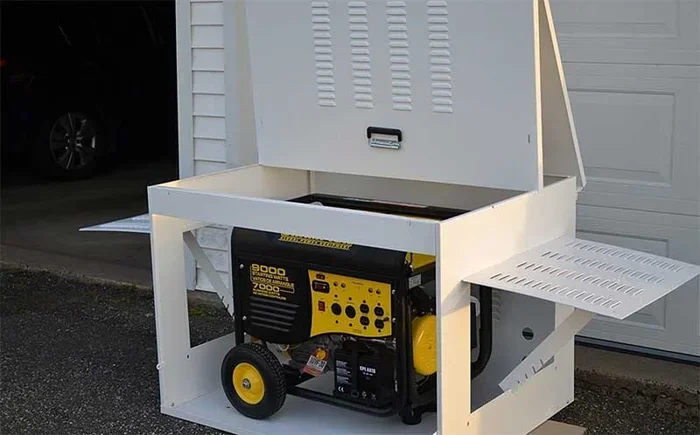
Portable generators are the most common choice for home backup. They run on gasoline, propane, or dual fuel. They are relatively affordable and easy to move around. Most portable units in the 2000 to 4000 watt range can handle a standard refrigerator just fine.
However, portable generators have some downsides. They can be noisy, which is a problem if you are running them near your home. They also produce less clean power than other options, which can be risky for sensitive electronics over time.
Inverter Generators
Inverter generators for fridge use are a step up in quality. They produce what is called clean sine wave power. This means the electricity is smooth and stable, just like what comes from your wall outlet.
This is important because refrigerator compressors and control boards are sensitive to power quality. Dirty or inconsistent power can cause long-term damage. An inverter generator also runs much quieter and uses less fuel. They are more expensive upfront, but the generator fuel efficiency and protection they offer make them worth it for many homeowners.
Standby Generators
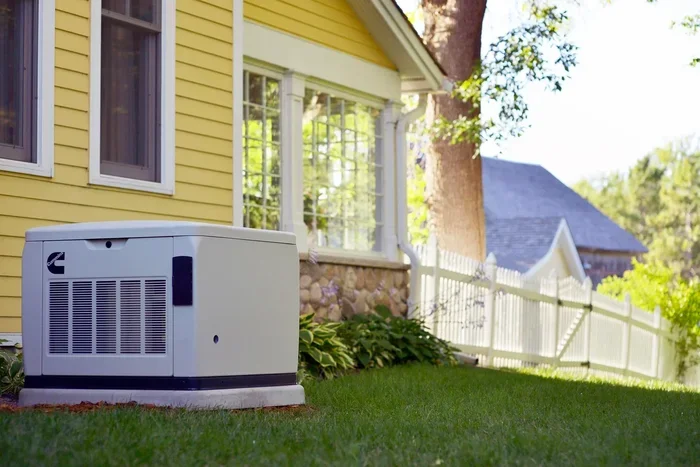
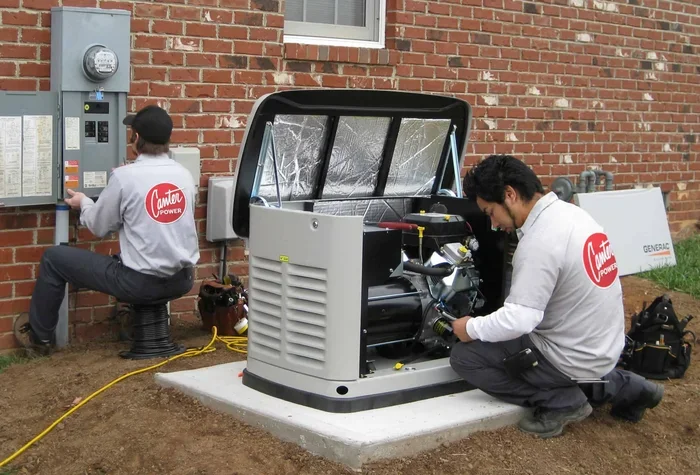
Standby generators are the heavy-duty option. They are permanently installed outside your home and kick on automatically when the power goes out. They run on natural gas or propane and can power your entire house, including the refrigerator.
A standby generator refrigerator setup is ideal if you live in an area prone to long outages. You do not have to worry about refueling or moving a heavy unit. The generator starts within seconds of a power loss and keeps your fridge running uninterrupted. These units are more expensive, but they offer unmatched convenience and peace of mind.
Generator Comparison Table
| Generator Type | Typical Watt Range | Best For | Noise Level | Fuel Type |
|---|---|---|---|---|
| Portable Generator | 1000 – 7000W | Short outages, budget-friendly | Moderate to Loud | Gasoline, Propane |
| Inverter Generator | 1000 – 4000W | Clean power, sensitive electronics | Quiet | Gasoline |
| Standby Generator | 7000 – 20000W | Whole-home backup, long outages | Moderate | Natural Gas, Propane |
Common Mistakes When Sizing a Generator for a Refrigerator
Avoiding mistakes saves you money, frustration, and potentially your food supply. Here are the most common errors people make when choosing a generator for their fridge.
Only Looking at Running Watts
This is the number one mistake. Many people check the running watts on their fridge and pick a generator based on that number alone. They forget about the startup surge. When the compressor kicks on, a generator that only covers running watts will trip or stall. Always plan for the starting watts, not just the steady draw.
Choosing the Cheapest Option
Bargain generators might seem appealing, but they often produce dirty power and lack the surge capacity needed. A low-quality unit can damage your refrigerator’s compressor or control board over time. Spending a bit more on a quality unit pays for itself in protection and reliability.
Ignoring Generator Run Time
Not all generators can run for long periods on a single tank of fuel. If you are dealing with a multi-day outage, you need a unit with good run time or easy access to refueling. Check the fuel tank size and the estimated run time at half load before you buy.
Overloading the Generator
Some people plug their fridge into a generator and then also run a microwave, toaster, and coffee maker all at once. This overloads the unit and causes problems. Be mindful of the total load you are putting on the generator. Stick to essential appliances and keep the refrigerator as your top priority.
Tips for Running a Refrigerator on a Generator
Once you have the right generator, there are a few smart practices that make everything work better and keep your fridge safe.
Place the Generator Properly
Always run a generator outside, at least 20 feet from your home. Carbon monoxide from generators is deadly and can enter your house through windows and doors. Never run a generator in a garage, basement, or enclosed space, even with the door open.
Let the Refrigerator Warm Up Gradually
When power comes back on, do not immediately restart the fridge if it has been off for a while. Let it warm up to room temperature first, then plug it in. This reduces the stress on the compressor during startup. A quiet generator for refrigerator use is also helpful, especially if you are running it near living spaces overnight.
Keep the Fridge Full
A full refrigerator retains cold better than an empty one. If you know an outage is coming, fill up water jugs or bags of ice. This reduces how often the compressor needs to cycle on, saving fuel and keeping your food safer longer.
Use a Surge Protector
Plugging your refrigerator into a quality surge protector adds an extra layer of defense against power spikes. This is especially important with portable generators, which can produce less stable power than your home’s normal outlet.
Monitor Fuel Levels
Set a reminder to check your fuel levels every few hours during an extended outage. Running out of fuel and then restarting can cause voltage spikes that stress the compressor. Keep extra fuel on hand if you expect a long outage.
Consider an Expert Insight
Many HVAC and appliance professionals recommend using an inverter generator for fridge setups whenever possible. The clean power output protects the fridge’s electronic controls and extends the appliance’s lifespan. If you plan to use a generator regularly, an inverter model is the smarter long-term investment.
Final Thoughts
Figuring out how many watt generator to run a refrigerator does not have to be overwhelming. The key is understanding your fridge’s power needs and choosing a generator that can handle both the running load and the startup surge. Most standard refrigerators need a generator in the 2000 to 4000 watt range, depending on the size and model.
Take the time to check your fridge’s nameplate, calculate the wattage, and add a safety buffer. Choose the right type of generator for your situation. Whether you go with a portable generator for fridge backup or invest in a whole-home standby unit, the right setup keeps your food safe and your family comfortable during any power outage.
The bottom line is simple. Know your numbers. Buy the right size. Use it safely. A little planning goes a long way when the lights go out. Your refrigerator will keep running, your food will stay fresh, and you will have peace of mind knowing you made the right choice.
Frequently Asked Questions
Can a 2000 watt generator run a refrigerator?
Yes, a 2000 watt generator can run most standard refrigerators. A typical fridge uses about 100 to 200 watts running and needs around 800 to 1200 watts to start. A 2000 watt unit gives you plenty of room for the startup surge. Just make sure you are not running other heavy appliances on the same generator at the same time.
What happens if the generator is too small for the refrigerator?
If the generator cannot handle the startup surge, the compressor will not start. The generator may overload and shut down, or in worst cases, the unstable power can damage the fridge’s compressor or electronic controls over time. Always choose a generator with enough capacity for both running and starting watts.
Do I need a special generator for a refrigerator?
You do not need a special generator, but you do need one with enough wattage and clean power output. Inverter generators are the best choice because they deliver stable, consistent electricity that protects sensitive fridge components. A standard portable generator works too, but an inverter model is safer for long-term use.
How long can a generator run a refrigerator continuously?
This depends on the generator’s fuel tank size and load. Most portable generators can run a refrigerator for 8 to 12 hours on a full tank. Standby generators with natural gas lines can run indefinitely. Check your specific model’s run time specifications and keep extra fuel on hand for longer outages.
Can I run a refrigerator and other appliances on the same generator?
You can, but you need to stay within the generator’s total wattage capacity. Add up the running watts of all the appliances you want to power, plus the startup surge of the refrigerator. If the total exceeds the generator’s capacity, you will overload it. Keep it simple and prioritize the fridge during an outage.
Is it safe to run a generator in the garage with the door open?
No. It is never safe to run a generator indoors or in a garage, even with the door open. Carbon monoxide is odorless and deadly. It can build up quickly and enter your home through windows, doors, and vents. Always run your generator outside, at least 20 feet away from your house, with the exhaust pointing away from windows and doors.