How to Store a Generator the Right Way for Beginners
Knowing how to store a generator properly can save you money and prevent costly repairs. This beginner-friendly guide covers everything from fuel treatment and storage location to long-term maintenance tips. Whether you own a portable or standby unit, these simple steps will keep your generator ready to go when you need it most.
So you just bought a generator, or maybe you pulled last year’s unit out of the garage and it’s not running right. Sound familiar? The problem might be simple — you didn’t store it correctly. Learning how to store a generator the right way is one of the most important things every owner should know. A generator is a big investment, and treating it well during off-seasons or long breaks will keep it running for years. In this guide, we’ll walk you through every step of proper generator storage, from fuel treatment to choosing the best storage spot. By the end, you’ll feel confident storing your generator like a pro.
Whether you use your generator for camping trips, backup power at home, or job sites, storage matters. A generator that sits untreated for months can develop fuel problems, rust, battery drain, and engine issues. The good news? Preventing all of that is surprisingly easy. You just need a clear plan and a little time. Let’s dive into the details of generator storage and make sure your unit stays in top shape.
Key Takeaways
- Always stabilize fuel before storage: untreated fuel can go bad in as little as 30 days, causing engine damage.
- Choose a dry, ventilated location: storing your generator in a damp or enclosed space leads to rust and corrosion.
- Run the generator periodically: a quick monthly test run keeps internal parts lubricated and in good working condition.
- Disconnect the battery: this prevents slow drain and extends battery life during long storage periods.
- Use a quality generator cover: protection from dust, moisture, and UV rays is essential for longevity.
- Follow a pre-storage checklist: cleaning, oil changes, and fuel treatment should always come before putting your generator away.
📑 Table of Contents
- Why Proper Generator Storage Matters
- How to Prepare Your Generator for Storage
- Choosing the Right Storage Location
- Long-Term Generator Storage Tips
- Common Mistakes to Avoid When Storing a Generator
- How to Bring Your Generator Back to Life After Storage
- Generator Storage Checklist
- Portable vs. Standby Generator Storage
- Expert Tips for Generator Storage
- Frequently Asked Questions
- Final Thoughts
Why Proper Generator Storage Matters
You might wonder why storage is such a big deal. Can’t you just park it in the garage and forget about it? Not quite. Generators have sensitive parts that degrade over time when not maintained properly. Storing a generator the right way protects your investment and ensures reliability when you need power the most.
Here are the main risks of poor generator storage:
- Fuel degradation: Gasoline breaks down within 30 days. Old fuel gums up the carburetor and can prevent the engine from starting.
- Rust and corrosion: Moisture causes metal parts to oxidize, which can damage the engine block, fuel lines, and internal components.
- Battery failure: A generator battery left connected slowly loses charge. Over time, it may become completely dead.
- Oil breakdown: Old oil loses its lubricating properties, which increases wear on internal engine parts.
- Seal and gasket damage: Dry seals can crack, leading to fuel or oil leaks when you try to use the generator again.
None of these problems are expensive to fix on their own, but together they can turn a simple storage period into a costly repair job. Taking a few extra hours to store your generator correctly will save you a lot of headaches down the road.
How Long Can You Store a Generator?
The answer depends on how well you prepare it. A properly stored generator can sit for six months to a year without issues. Some owners store units for two years or more with excellent results. The key is following the right preparation steps before putting it away. Without preparation, even a few weeks of storage can cause problems.
How to Prepare Your Generator for Storage
Preparation is the most important part of how to store a generator correctly. Skipping steps here will cause problems later, no matter where you keep it. Follow this checklist every single time before putting your generator away.
Step 1: Run the Generator Dry or Add Fuel Stabilizer
You have two options here, and both work well. Option A is to run the generator until the fuel tank is empty. This eliminates the risk of old fuel completely. Option B is to add a fuel stabilizer to the tank and run the engine for a few minutes to circulate it through the system.
Fuel stabilizer is the easier choice for most people. Products like STA-BIL or Sea Foam work great. Just add the recommended amount to your tank, start the generator, and let it run for about five minutes. This ensures the stabilizer reaches the fuel lines, carburetor, and engine internals.
Quick tip: Always check the fuel stabilizer bottle for specific instructions. Different products have different ratios and application methods.
Step 2: Change the Oil
Dirty oil contains combustion byproducts and moisture that can corrode engine parts over time. Before storage, drain the old oil and refill with fresh oil. Check your owner’s manual for the correct oil type and amount. This small step goes a long way toward protecting your engine during long-term generator storage.
Step 3: Remove the Spark Plug (Optional but Recommended)
Removing the spark plug prevents fuel from sitting in the combustion chamber. Spray a little oil into the cylinder through the spark plug hole, then pull the recoil cord a few times. This coats the cylinder walls and prevents rust. Put the spark plug back in before you use the generator again.
Step 4: Disconnect the Battery
If your generator has a battery, disconnect the negative terminal first. This stops slow battery drain that can leave you with a dead battery when you need power. For extended storage, consider removing the battery entirely and storing it in a cool, dry place.
Step 5: Clean the Generator
Wipe down the exterior with a damp cloth to remove dirt, dust, and debris. Check the air filter and clean or replace it if needed. A clean generator is less likely to attract pests or develop mold during storage. This is also a great time to inspect for any visible damage or loose connections.
Choosing the Right Storage Location
Where you store your generator matters just as much as how you prepare it. The wrong location can cause moisture damage, rust, and even safety hazards. Generator storage location is something every owner should think carefully about.
Indoor vs. Outdoor Storage
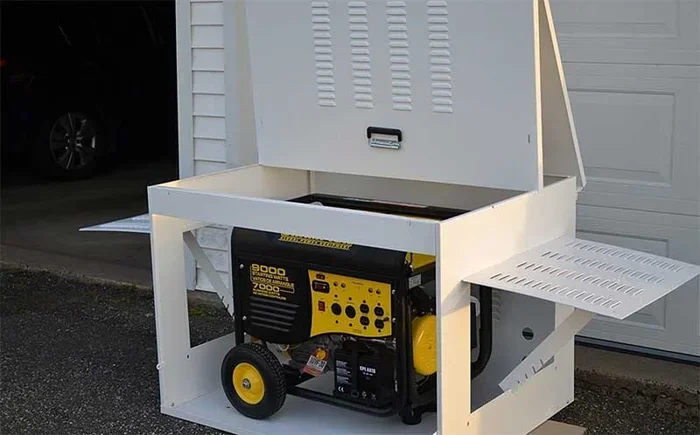
The best place to store a generator is indoors — in a garage, shed, or storage room. Indoor storage protects the unit from rain, snow, UV rays, and temperature swings. If indoor storage isn’t an option, you’ll need a weatherproof generator cover or a generator storage cabinet.
Never store a generator in a living space or bedroom. Generators emit carbon monoxide, and even small amounts can be dangerous in enclosed areas. Always keep your generator in a well-ventilated space.
Best Practices for Outdoor Storage
If you must store your generator outside, follow these tips:
- Use a heavy-duty, waterproof generator cover that allows ventilation.
- Place the generator on a raised platform to prevent moisture from pooling underneath.
- Keep it away from direct sunlight, which can damage plastic parts and degrade rubber seals.
- Store it on a flat, stable surface to prevent tipping and oil leaks.
- Consider a generator storage shed or lockable cabinet for added protection and security.
Humidity and Temperature Considerations
Moisture is the enemy of any powered equipment. High humidity speeds up rust and corrosion. If you live in a humid climate, consider using a dehumidifier in your storage area. For temperature, aim for a cool, dry space between 50 and 80 degrees Fahrenheit. Extreme heat or cold can damage fuel, batteries, and engine components.
Long-Term Generator Storage Tips
Storing a generator for a few weeks is one thing. Storing it for months requires extra care. These long-term generator storage tips will keep your unit in excellent condition through the off-season.
Run the Generator Monthly
Even during storage, your generator needs occasional exercise. Start it up once a month and let it run for about 15 minutes. This keeps internal parts lubricated, prevents seal drying, and recharges the battery. It also gives you a chance to spot any issues early before they become serious problems.
Monitor Fuel Levels
Check the fuel level every month or two. If fuel has degraded despite stabilizer, drain it and refill with fresh fuel. Stale fuel is the number one cause of generators not starting after storage.
Check for Pests
Mice, rats, and insects love the warmth and shelter of generators. They chew on wires, nest in air filters, and leave droppings that can corrode metal parts. Place deterrents like peppermint oil-soaked cotton balls near the generator, or use a generator storage enclosure that keeps pests out.
Inspect Before Use
Before using your generator after a long storage period, do a full inspection. Check the oil level, fuel lines, spark plug, air filter, and battery connections. Look for any signs of rust, leaks, or damage. Addressing small problems early prevents bigger issues when you’re relying on the generator for power.
Common Mistakes to Avoid When Storing a Generator
Even well-meaning owners make mistakes when storing generators. Here are the most common errors and how to avoid them.
Mistake 1: Storing with Untreated Fuel
This is the biggest mistake people make. Fuel goes bad fast, and running a generator with degraded fuel can clog the carburetor and cause expensive repairs. Always add stabilizer or drain the tank before storage.
Mistake 2: Storing in a Damp or Enclosed Space
Generators need ventilation. Storing a generator in an airtight shed or basement without airflow traps moisture and carbon monoxide residue. Always choose a dry, ventilated area for generator storage.
Mistake 3: Skipping Oil Changes
Old oil contains acids and moisture that eat away at engine internals. Changing the oil before storage is one of the easiest and most impactful things you can do.
Mistake 4: Leaving the Battery Connected
A slowly draining battery will eventually die completely. Disconnect it or remove it during storage to keep it healthy.
Mistake 5: Forgetting to Cover the Generator
Even in a garage, dust and moisture can settle on your generator. A proper cover protects the exterior and keeps debris out of vents and openings.
Mistake 6: Ignoring the Owner’s Manual
Every generator model has specific storage recommendations. Your owner’s manual is the best resource for manufacturer-approved generator storage tips. Take a few minutes to read the storage section before putting your unit away.
How to Bring Your Generator Back to Life After Storage
When it’s time to use your generator again, don’t just pull the cord and hope for the best. Follow these steps for a smooth restart after storage.
- Inspect the unit for any visible damage, rust, or loose connections.
- Check the oil level and top off if needed.
- Verify fuel quality. If the fuel has been sitting for more than a few months, drain it and refill with fresh fuel.
- Reconnect the battery (positive terminal first, negative last).
- Open the fuel valve and make sure fuel flows freely to the engine.
- Start the generator and let it run for a few minutes under no load.
- Check for any unusual sounds, smells, or vibrations. If something seems off, turn it off and investigate.
Following these steps after generator off-season storage will help you avoid surprises and get your unit running smoothly right away.
Generator Storage Checklist
Use this simple checklist every time you store your generator. Print it out and keep it in your garage or shed for easy reference.
- Add fuel stabilizer to the tank and run the engine for five minutes
- Drain or stabilize all remaining fuel in the carburetor
- Change the oil and oil filter
- Remove and store the spark plug (optional)
- Spray oil into the cylinder
- Disconnect the battery
- Clean the exterior and air filter
- Inspect fuel lines and connections
- Cover the generator with a waterproof, ventilated cover
- Store in a dry, ventilated location
- Run the generator once a month for 15 minutes
Ticking off each item on this checklist gives you confidence that your generator is stored correctly. It also makes the process faster and more consistent over time. After a few times, how to store a generator will become second nature.
Portable vs. Standby Generator Storage
Not all generators are the same, and their storage needs differ slightly. Here’s how to handle both types.
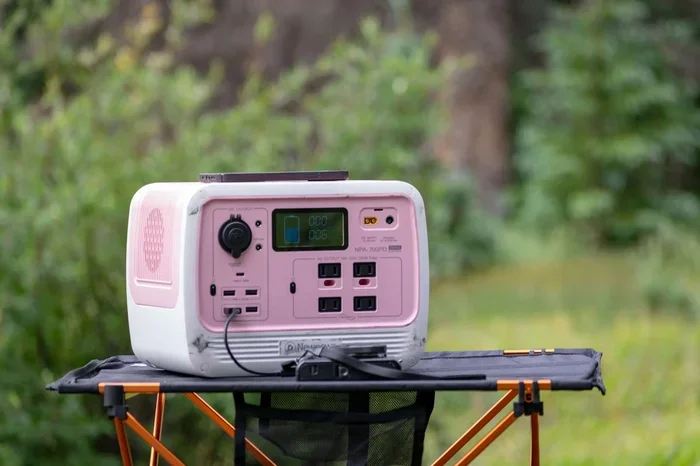
Portable generators are smaller and easier to move, which makes storage simpler. You can store them in a garage, shed, or even a dedicated generator storage cabinet. The preparation steps are the same — stabilize fuel, change oil, disconnect the battery, and cover the unit. Portable generators are also more prone to physical damage during transport, so always check for loose bolts, dents, or cracked housings before storing.
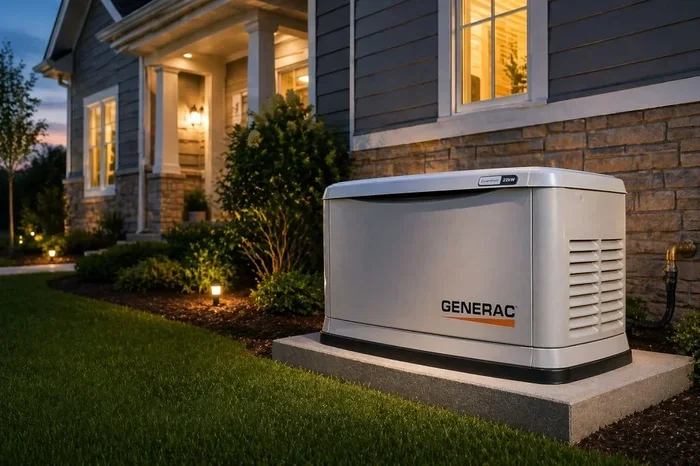
Standby generators are larger and usually installed in a fixed location. These units often have built-in storage features like weatherproof enclosures and automatic exercise cycles. However, standby generators still need regular maintenance during long periods of inactivity. Check the fuel supply line, test the battery charger, and run the unit on its auto-test cycle at least once a month. If your standby generator will sit unused for an extended period, consult the manufacturer’s manual for specific standby generator storage guidelines.
| Feature | Portable Generator Storage | Standby Generator Storage |
|---|---|---|
| Fuel Treatment | Stabilize or drain before storage | Stabilize main fuel tank; check supply lines |
| Location | Garage, shed, or storage cabinet | Fixed pad with weatherproof enclosure |
| Exercise Cycle | Run manually once a month | Use auto-test cycle monthly |
| Battery Maintenance | Disconnect or remove battery | Check battery charger status regularly |
| Cover Required | Yes, waterproof and ventilated | Built-in enclosure usually sufficient |
| Oil Change Before Storage | Yes | Yes, especially after extended use |
Expert Tips for Generator Storage
Here are some extra tips from experienced generator owners and technicians that can make a real difference in how well your generator holds up during storage.
- Use ethanol-free fuel when possible. Ethanol attracts moisture, which leads to fuel separation and engine problems. If you can only find ethanol-blended fuel, use stabilizer and don’t store fuel-filled units for more than 60 days.
- Label your generator’s storage date. Stick a note on the unit with the date you put it in storage. This helps you remember when it’s time for a monthly test run or when to drain old fuel.
- Keep spare parts on hand. Spark plugs, air filters, and fuel filters are cheap and easy to store. Having replacements ready means you can fix minor issues fast when it’s time to use the generator again.
- Invest in a generator storage shed. If you use your generator regularly, a dedicated shed keeps it organized, protected, and ready to go. Many sheds are designed specifically for generator storage with proper ventilation and security features.
- Don’t forget about the recoil starter. The pull cord can dry out and become brittle over time. A few drops of lubricant on the recoil mechanism before storage keeps it working smoothly.
Frequently Asked Questions
Can I store my generator outside in winter?
You can, but only with proper protection. Use a heavy-duty, waterproof generator cover designed for outdoor use. Elevate the generator off the ground to prevent moisture absorption, and make sure the fuel is stabilized. In harsh winter climates, indoor storage is always the better option.
How long can gas sit in a generator before it goes bad?
Untreated gasoline begins to degrade within 30 days. After 60 to 90 days, it can cause significant engine problems. Always add fuel stabilizer if you plan to store your generator with fuel in the tank for more than two weeks.
Should I store my generator with a full or empty tank?
It depends on how long you’re storing it. For storage under three months, a full tank with stabilizer works well. For longer storage periods, it’s better to drain the tank completely or run the generator dry. This prevents fuel degradation and gum buildup in the carburetor.
Do I need to run my generator during storage?
Yes, running it once a month for about 15 minutes is highly recommended. This keeps internal parts lubricated, recharges the battery, and prevents seals from drying out. It also lets you catch any developing problems early.
What kind of cover is best for generator storage?
Look for a waterproof, breathable cover that allows airflow. Covers made from heavy-duty polyester or vinyl with ventilation panels work best. Avoid plastic tarps, which trap moisture and can cause condensation buildup on the generator.
Is it safe to store a generator in a garage?
Yes, as long as the garage is well-ventilated. Never run a generator inside a garage or any enclosed space, but storing a properly prepared generator in a garage is perfectly safe and one of the most common storage methods for homeowners.
Final Thoughts
Knowing how to store a generator properly is a skill every owner should have. It doesn’t take a lot of time or money, but the payoff is huge. A well-stored generator starts reliably, runs smoothly, and lasts for many years. From fuel stabilization and oil changes to choosing the right storage location and using a quality cover, each step plays an important role in protecting your investment.
Remember, the effort you put into storage now saves you from expensive repairs and frustrating breakdowns later. Use the checklist in this guide every time you put your generator away, and you’ll always be ready when the power goes out or your next adventure calls. Take care of your generator, and it will take care of you.
Start following these generator storage tips today, and your future self will thank you when you flip that switch and hear your generator fire right up without a hitch.