What Size Generator to Run a House The Complete Guide
Choosing the right what size generator to run a house depends on your power needs, home size, and essential appliances. A typical home needs a 5,000 to 7,500-watt portable generator for basics or a 20,000 to 30,000-watt standby generator for full coverage. This guide walks you through load calculations, generator types, and practical tips so you can make a confident, informed decision.
Power outages happen when you least expect them. Storms knock down lines. Equipment fails. Grids overload. When the lights go out, you need a reliable home backup power solution fast. But here is the question that trips up most homeowners: what size generator to run a house?
The answer is not one-size-fits-all. A small apartment needs far less power than a large family home with central air, electric heat, and a well pump. Buying the wrong size means either struggling to keep essentials running or wasting money on a unit that sits idle. This guide takes the guesswork out of generator sizing. You will learn how to calculate your needs, compare generator types, and pick the right unit with confidence.
Let us start with the basics and work our way through everything you need to know. By the end, you will have a clear picture of exactly what size generator to run a house works best for your situation.
Key Takeaways
- Know Your Wattage: Calculate both running and starting watts for every appliance you want to power during an outage.
- Choose the Right Type: Portable generators suit basic needs, while standby generators offer full-home backup with automatic start.
- Size Matters: Undersizing causes overloads; oversizing wastes fuel and money. Match the generator to your actual load.
- Consider Fuel Type: Propane, natural gas, and gasoline each have pros and cons for home use.
- Safety First: Always use a transfer switch and place generators outdoors to prevent carbon monoxide risks.
- Budget Wisely: Generator costs range from a few hundred dollars for portable units to several thousand for whole-house standby systems.
📑 Table of Contents
- Why Generator Size Matters for Your Home
- How to Calculate Your Home Power Needs
- Types of Generators for Home Use
- What Size Generator Do You Actually Need?
- Fuel Types and Their Impact on Generator Size
- Installation and Safety Considerations
- Expert Insights on Sizing Your Home Generator
- Key Takeaways
- Conclusion
Why Generator Size Matters for Your Home
Selecting the correct generator size is the single most important decision you make. Too small and the generator overloads, trips, or damages your appliances. Too large and you pay more upfront and burn extra fuel during operation. The goal is to match the generator capacity to your actual power demand.
Think of it like choosing an air conditioner. An undersized unit runs constantly and never cools the room. An oversized unit short-cycles and wastes energy. Generators work the same way. The sweet spot gives you enough wattage headroom to handle surges without straining the engine.
Understanding Running Watts vs. Starting Watts
Every appliance draws two types of power. Running watts are the continuous power needed to keep a device operating. Starting watts (also called surge watts) are the extra burst of power needed to start motors and compressors.
Here is a simple way to think about it. A refrigerator might need 700 running watts but pull 2,200 watts for a split second when the compressor kicks on. If you ignore starting watts, your generator will stall the moment you plug in that fridge. Always add up both numbers when doing a load calculation.
The Cost of Getting It Wrong
Undersized generators cause real problems. They overheat, trip circuit breakers, and may even damage sensitive electronics like laptops and TVs. Oversized generators sit heavier on your wallet and burn more fuel per hour, even under light loads.
The right whole house generator runs efficiently at about 70 to 80 percent of its rated capacity. This sweet spot ensures longevity and fuel efficiency while leaving room for startup surges.
How to Calculate Your Home Power Needs
Calculating your power needs sounds harder than it actually is. You simply list every appliance and device you want to run during an outage. Then you add up the wattage for each one. Most appliances have a label or sticker showing their wattage. Check the owner’s manual if you cannot find it.
Step-by-Step Load Calculation
Follow these steps to determine your generator wattage needs:
- List all essential appliances. Include lights, refrigerator, furnace blower, sump pump, medical equipment, and any devices you cannot live without.
- Find the running wattage for each item. This is usually printed on a nameplate or in the manual.
- Identify items with motors or compressors. These include refrigerators, air conditioners, well pumps, and window units. Note their starting wattage.
- Add all running watts together. Then add the highest single starting watt to that total. This gives you your peak demand.
- Add a 20 percent buffer. This safety margin prevents the generator from running at maximum capacity constantly and extends its lifespan.
Quick Tips for Accurate Calculations
- Use a watt meter. Plug your appliances into a Kill-A-Watt meter for a week. This gives you real-world data instead of relying on labels alone.
- Do not forget hidden loads. Garage door openers, Wi-Fi routers, sump pumps, and well systems are easy to overlook.
- Think about seasonal needs. Summer means more air conditioning. Winter means more electric heating. Adjust your calculations accordingly.
- Prioritize essentials. You do not need to power every outlet in the house. Focus on comfort and safety first.
Types of Generators for Home Use
Not all generators are created equal. The type you choose directly affects what size generator to run a house you need. Each option has distinct advantages and limitations. Let us break them down.
Portable Generators
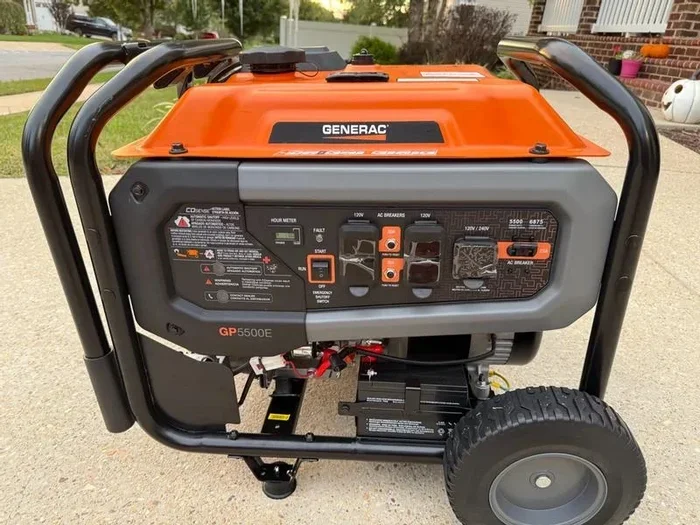
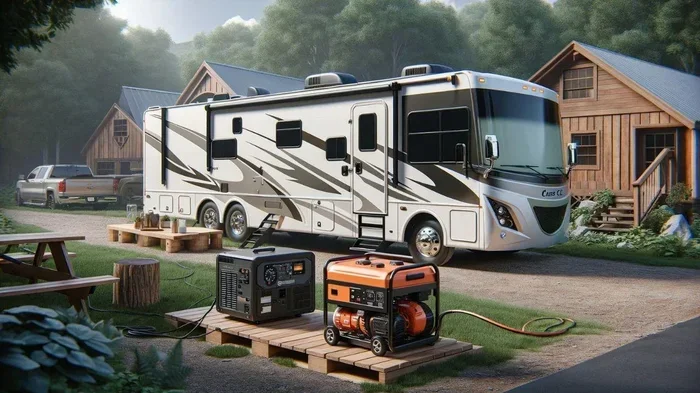
Portable generators are the most affordable option for home backup power. They typically range from 3,000 to 8,500 watts. You can move them around, store them easily, and they work well for powering essential circuits.
You plug appliances directly into the generator using extension cords. Some portable models offer a 240-volt outlet, which allows you to power a well pump or central air conditioner with a manual transfer switch.
Best for: Homes that need basic backup for a few key appliances. Budget-conscious homeowners who want a simple home generator solution.
Standby Generators
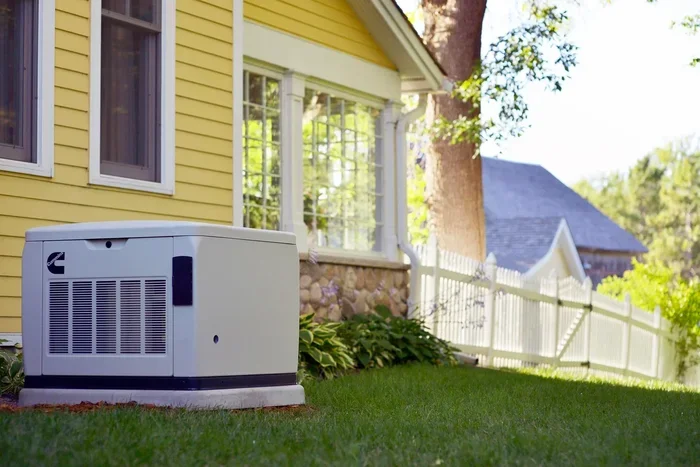
Standby generators are permanently installed outside your home. They connect directly to your electrical panel and run on natural gas or propane. When the power goes out, an automatic transfer switch detects the outage and starts the generator within seconds.
Standby units range from 7,000 watts for a small home up to 30,000 watts or more for large properties. They provide whole house generator coverage and require very little human intervention.
Best for: Homeowners who want seamless, automatic backup power for the entire home. Those who live in areas prone to frequent or prolonged outages.
Inverter Generators
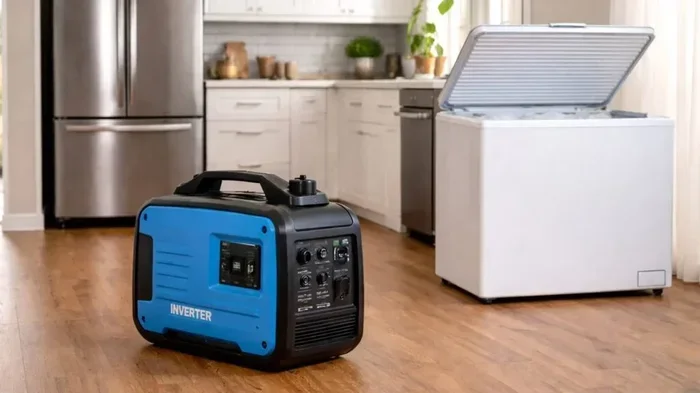
Inverter generators produce clean, stable power suitable for sensitive electronics. They adjust engine speed to match the load, which makes them more fuel-efficient and quieter than conventional portable units.
They typically max out around 4,000 to 7,000 watts, so they are best for partial home coverage. However, you can parallel two inverter generators to double your capacity.
Best for: Tech-sensitive households that need clean power for laptops, phones, and medical devices. Campers and RV owners also love them.
What Size Generator Do You Actually Need?
The what size generator to run a house question has a different answer for every home. Your needs depend on square footage, climate, and which appliances you consider essential. Here are some common scenarios to help you find your range.
Small Home or Apartment (1,000 to 1,500 sq ft)
A small home with gas heat, a few lights, a refrigerator, and basic electronics typically needs a 3,000 to 5,000-watt portable generator. This covers the essentials without breaking the bank. You can keep the fridge running, charge devices, and power a few lights during an outage.
Medium Home (1,500 to 2,500 sq ft)
A medium-sized home with central air, electric furnace, and a well pump needs more juice. A 5,000 to 7,500-watt portable generator handles most essentials. If you want full coverage including central air, a 12,000 to 15,000-watt standby generator is the better choice.
Large Home (2,500+ sq ft)
Large homes with multiple air conditioning units, electric heat, a well pump, and a garage door opener need serious power. Look at a 20,000 to 30,000-watt standby generator. This ensures every circuit stays live during an outage, including central air and all kitchen appliances.
Quick Reference: Typical Appliance Wattage
- Refrigerator: 700 running / 2,200 starting watts
- Central Air Conditioner: 3,500 running / 5,000+ starting watts
- Electric Furnace: 5,000 to 15,000 running watts
- Well Pump: 1,000 running / 3,500 starting watts
- Sump Pump: 800 running / 1,300 starting watts
- Lights (10 bulbs): 500 running watts
- Wi-Fi Router: 10 running watts
- Microwave: 1,000 running / 1,500 starting watts
- Clothes Washer: 500 running / 1,500 starting watts
- Garage Door Opener: 600 running / 1,200 starting watts
Fuel Types and Their Impact on Generator Size
The fuel your generator uses affects runtime, cost, and installation requirements. Choosing the right fuel type ties directly into what size generator to run a house you end up buying.
Gasoline
Gasoline is the most common fuel for portable generators. It is widely available and affordable. However, gasoline has a short shelf life of about three to six months. If you plan to store fuel for emergencies, you need fuel stabilizer or a rotation plan.
Gasoline generators are typically smaller and lighter. They work well for short-term outages and basic home backup power.
Propane
Propane generators burn cleaner than gasoline and have an indefinite shelf life. Many standby generators run on propane or offer dual-fuel capability with natural gas and propane.
Propane is stored in tanks that you can refill or exchange. It is a popular choice for homeowners who want long-term reliability without worrying about fuel degradation.
Natural Gas
Natural gas generators connect directly to your home’s gas line. This means unlimited runtime as long as the gas supply remains active. They are the most convenient option for standby systems because you never need to refuel.
Natural gas is widely available in urban and suburban areas. The trade-off is that natural gas produces slightly less energy per unit volume compared to propane, which can affect the generator runtime and efficiency slightly.
Diesel
Diesel generators are built for heavy-duty and commercial use. They are rare in residential settings but offer excellent fuel efficiency and long engine life. Diesel fuel also has a longer shelf life than gasoline. However, diesel units tend to be louder and more expensive upfront.
Installation and Safety Considerations
Buying the right size generator for home is only half the battle. Proper installation and safe operation are equally important. A poorly installed generator can cause backfeed, fire hazards, and carbon monoxide poisoning.
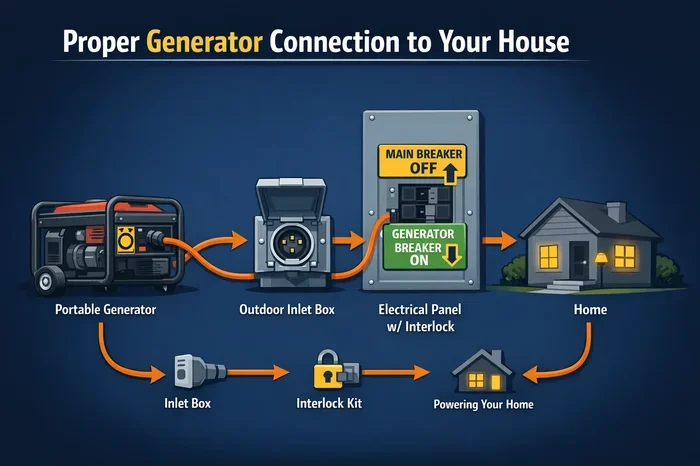
Why You Need a Transfer Switch
A transfer switch is a device installed between your generator and your home’s electrical panel. It safely routes generator power to your circuits while isolating your home from the utility grid. This prevents backfeed, which can electrocute utility workers repairing power lines.
Manual transfer switches are common with portable generators. Automatic transfer switches come standard with standby generators and make the entire process seamless.
Placement and Ventilation
Always place generators outdoors in a well-ventilated area. Carbon monoxide is a silent killer. Never run a generator inside a garage, basement, or near windows and doors, even with the garage door open.
Place the unit on a level surface away from doors, windows, and vents. Keep it at least 20 feet from your home and at least five feet from any building openings.
Common Mistakes to Avoid
- Underestimating starting watts. Always account for the highest surge demand, not just running watts.
- Using extension cords improperly. Use heavy-gauge, outdoor-rated cords rated for the amperage of your appliances.
- Overloading the generator. Do not plug in more appliances than the generator can handle. Monitor the total load carefully.
- Skipping regular maintenance. Run your generator under load for at least 15 minutes monthly. This keeps the engine healthy and ensures it starts when you need it.
- Ignoring local codes. Many areas require permits for standby generator installation. Check with your local building authority before starting.
- Forgetting about noise. Generators can be loud. Consider sound-attenuated enclosures or inverter models if noise is a concern.
Expert Insights on Sizing Your Home Generator
We spoke with licensed electricians and generator specialists to get their top advice on generator sizing for homes. Here is what the experts had to say.
Start with essentials, not wants. Many homeowners try to power everything in the house. Focus on the refrigerator, heating system, sump pump, and a few lights first. You can always add circuits later if needed.
Buy for the next five years. If you plan to add an electric vehicle charger or a whole-home battery, factor that into your generator sizing now. Upgrading later costs more than buying the right size upfront.
Consider a professional load assessment. Many HVAC and electrical companies offer free home energy audits. They can calculate your exact power needs and recommend the ideal whole house generator size based on your specific situation.
Key Takeaways
- Know Your Wattage: Calculate both running and starting watts for every appliance you want to power during an outage.
- Choose the Right Type: Portable generators suit basic needs, while standby generators offer full-home backup with automatic start.
- Size Matters: Undersizing causes overloads; oversizing wastes fuel and money. Match the generator to your actual load.
- Consider Fuel Type: Propane, natural gas, and gasoline each have pros and cons for home use.
- Safety First: Always use a transfer switch and place generators outdoors to prevent carbon monoxide risks.
- Budget Wisely: Generator costs range from a few hundred dollars for portable units to several thousand for whole-house standby systems.
Conclusion
Figuring out what size generator to run a house does not have to be overwhelming. Start by listing your essential appliances and calculating their running and starting watts. Add a 20 percent buffer for safety. Then choose between a portable, inverter, or standby generator based on your budget, home size, and outage frequency.
Whether you need a compact 3,000-watt unit for a small apartment or a powerful 25,000-watt standby system for a large family home, the right generator sizing keeps your household running smoothly when the grid fails. Invest the time now to do the math correctly. Your future self will thank you the next time the power goes out.
Take action today. Review your appliance list, calculate your load, and start comparing units that fit your needs. A reliable home backup power system brings peace of mind that no amount of planning can replace.
Frequently Asked Questions
What size generator do I need to run a 2000 square foot house?
A 2,000 square foot home typically needs a 5,000 to 7,500-watt portable generator for basic essentials or a 12,000 to 15,000-watt standby generator for full coverage. Your exact needs depend on whether you have electric heat, central air, or a well pump that draws significant power.
Can a 5000 watt generator run a whole house?
A 5,000-watt generator can run the essentials in most homes, including a refrigerator, lights, a sump pump, and a few electronics. However, it may not handle central air conditioning or electric heating simultaneously. It is best for partial backup rather than full-house coverage.
What is the difference between running watts and starting watts?
Running watts are the continuous power an appliance needs to operate. Starting watts are the extra burst of power required to start motors and compressors. Always add both numbers when calculating your generator wattage needs to avoid overloading the unit.
How do I know if I need a portable or standby generator?
Choose a portable generator if you want an affordable, movable option for basic backup. Choose a standby generator if you want automatic, whole-home coverage that starts within seconds of an outage and connects directly to your home’s electrical panel.
What fuel type is best for a home generator?
Natural gas is the most convenient for standby generators because it connects to your home’s gas line for unlimited runtime. Propane is a great alternative with a long shelf life. Gasoline works well for portable generators but requires fuel rotation and stabilizer for long-term storage.
How much does a whole house generator cost?
Standby generators for homes typically range from $3,000 to $15,000 depending on the generator size and fuel type. Installation costs add another $1,000 to $5,000 for the unit, transfer switch, and any electrical work needed. Portable generators range from $300 to $1,500 with no installation required.