How Does an AC Compressor Work in Your Air Conditioner
The AC compressor is the heart of your air conditioning system, pumping refrigerant through the cooling cycle to keep your home comfortable. It compresses low-pressure gas into high-pressure gas, enabling heat exchange that cools your indoor air. Understanding how this essential component works helps you maintain your HVAC system and spot problems early.
Your air conditioner works hard every summer to keep your home cool and comfortable. But have you ever wondered what makes it all happen? At the center of it all is the AC compressor. This small but mighty component is the engine that drives your entire cooling system. Without it, your air conditioner would simply blow warm air.
Understanding how your AC compressor works gives you a big advantage. You can spot problems early, keep your system running efficiently, and even save money on energy bills. Whether you are a homeowner, a renter, or just curious about how things work, this guide breaks it all down in simple terms.
The cooling cycle inside your HVAC system relies on a continuous loop of refrigerant. The compressor plays the lead role in this process. It takes in warm, low-pressure gas and turns it into hot, high-pressure gas. This transformation is what makes the whole cooling process possible. Let us walk through each step of the way.
Key Takeaways
- The compressor acts as the engine: It pressurizes refrigerant and drives the entire cooling cycle in your air conditioner.
- Refrigerant is the key player: This special chemical absorbs and releases heat as it changes between gas and liquid states.
- There are different compressor types: Scroll, rotary, and reciprocating compressors each have unique ways of doing the job.
- Regular maintenance matters: Cleaning coils, checking refrigerant levels, and replacing filters keeps your compressor running efficiently.
- Warning signs save you money: Unusual noises, warm air, and frequent cycling can indicate compressor problems that need quick attention.
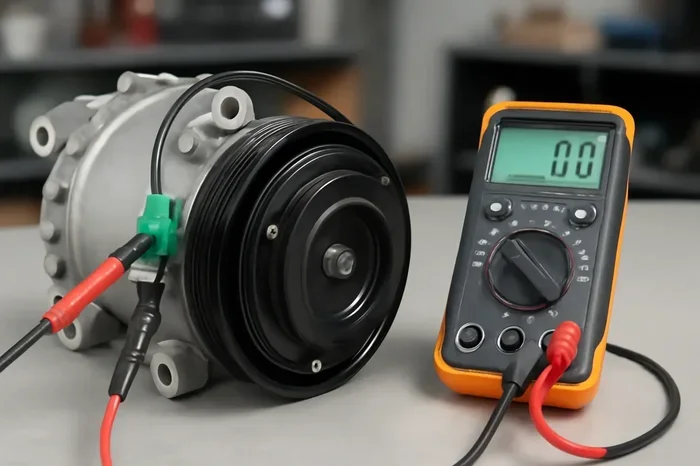
- Your compressor needs electrical power: The compressor clutch and proper electrical connections keep everything running smoothly.
📑 Table of Contents
- The Role of the AC Compressor in Your Cooling System
- The Cooling Cycle: Step by Step
- Types of AC Compressors
- Common AC Compressor Problems and Warning Signs
- Maintenance Tips to Keep Your Compressor Healthy
- How to Know When Your Compressor Needs Replacement
- How Does an AC Compressor Work: Final Thoughts
The Role of the AC Compressor in Your Cooling System
Think of your air conditioning system like a human body. The compressor is the heart. It keeps everything flowing and alive. Without a working compressor, the refrigerant cannot move, and your home cannot cool down.
The compressor sits in the outdoor unit of your split-system air conditioner. It is connected to the refrigerant lines that carry the cooling fluid between the indoor and outdoor units. When your thermostat tells the system to cool down, the compressor motor kicks on and starts the process.
How the Compressor Motor Starts the Process
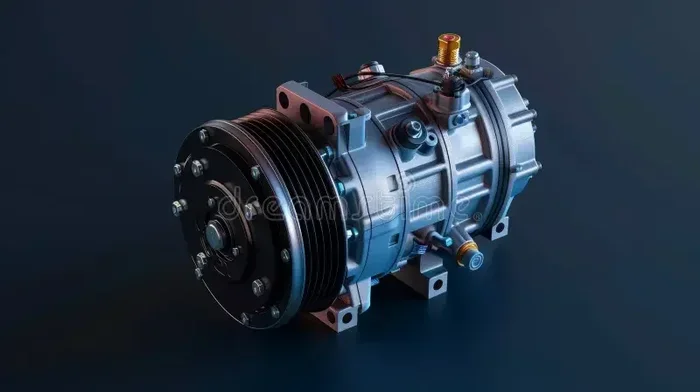
Inside the compressor, a motor spins a piston or scroll mechanism. This motion squeezes the refrigerant gas. As the gas gets squeezed, its pressure and temperature both rise. This hot, high-pressure gas then moves to the condenser coil in the outdoor unit.
Here is a simple way to think about it. Imagine squeezing a balloon filled with air. The more you squeeze, the hotter and denser the air inside becomes. That is exactly what your compressor does with refrigerant gas. The difference is that this process is carefully controlled and repeated thousands of times per hour.
The Cooling Cycle: Step by Step
The cooling cycle is the journey your refrigerant takes through your air conditioner. It has four main stages. Each stage depends on the one before it. The compressor handles the second stage, but it cannot work without the others.
Step 1: Evaporation
The cycle starts inside your home. Warm indoor air flows over the evaporator coil. The refrigerant inside the coil is cold and low-pressure. It absorbs heat from the air, turning from a liquid into a gas. This is how your home loses its heat and gains cool air.
The now-warm refrigerant gas travels through the refrigerant lines to the outdoor unit. This is where the compressor enters the picture.
Step 2: Compression
This is the heart of the process. The compressor takes the warm gas and squeezes it. The gas becomes very hot and very pressurized. This high-pressure gas then flows to the condenser coil.
The compressor does not create cold air. Instead, it creates the pressure difference that allows heat to move. It pushes heat from inside your home to the outside. This is a key concept to understand. The compressor moves heat, it does not make cold.
Step 3: Condensation
Once the hot, high-pressure gas reaches the condenser coil, a fan blows outdoor air over it. The gas releases its heat to the outside air. As it cools, it turns back into a liquid. This is why the outdoor unit feels warm or even hot when your AC is running.
Step 4: Expansion
The liquid refrigerant passes through an expansion valve. This valve drops the pressure dramatically. The refrigerant becomes very cold and low-pressure again. It is now ready to absorb heat from your indoor air once more. The cycle starts over.
This continuous loop keeps your home cool. The compressor never stops working as long as your thermostat calls for cooling. It is a relentless cycle of pressurize, release, cool, and repeat.
Types of AC Compressors
Not all compressors are the same. Different systems use different types based on their size, cooling capacity, and efficiency needs. Here are the most common types you will find in residential and light commercial systems.
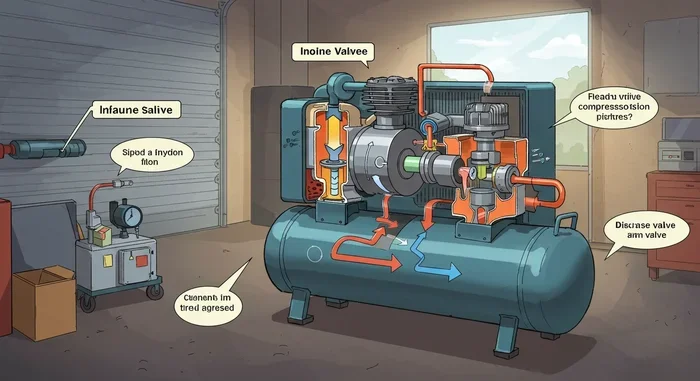
Reciprocating Compressors
This is the most common type found in home air conditioners. It uses a piston inside a cylinder to compress the refrigerant. The piston moves up and down, drawing in gas on the downstroke and compressing it on the upstroke.
Reciprocating compressors are reliable and affordable. They can handle high pressure levels and work well in a wide range of conditions. Many central air systems use this type.
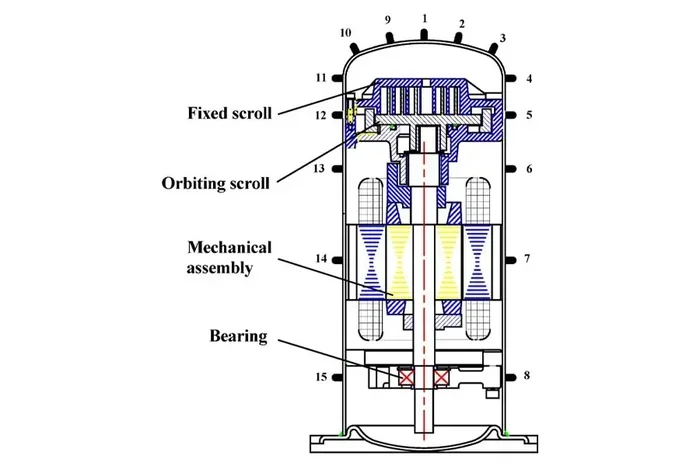
Scroll Compressors
Scroll compressors use two spiral-shaped components. One scroll stays still while the other orbits around it. As the orbiting scroll moves, it traps refrigerant and pushes it toward the center, where it gets compressed.
Scroll compressors are quieter and smoother than reciprocating types. They have fewer moving parts, which means less wear and tear. Many modern HVAC systems use scroll compressors for better cooling efficiency.
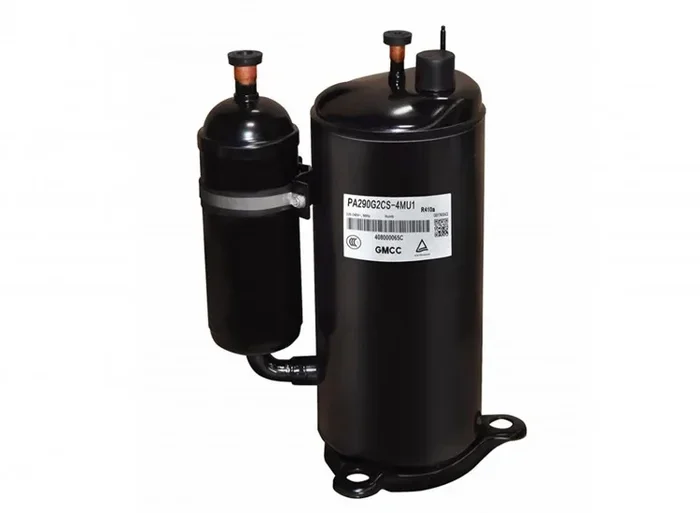
Rotary Compressors
Rotary compressors use a rotating blade inside a cylinder. The blade spins and compresses the refrigerant as it turns. These compressors are very compact and run smoothly.
They are often found in smaller units, such as window air conditioners and some ductless systems. They work well for spaces where cooling capacity needs are moderate.
Variable-Speed Compressors
Some advanced systems use variable-speed compressors. Instead of running at full power or turning off completely, these compressors adjust their speed based on the cooling demand.
This means they use less energy and maintain a more consistent temperature. They also run quieter and put less wear on the compressor clutch and other components.
| Compressor Type | Best For | Efficiency | Noise Level |
|---|---|---|---|
| Reciprocating | Standard homes | Good | Moderate |
| Scroll | Modern homes | Very Good | Low |
| Rotary | Small spaces | Good | Very Low |
| Variable-Speed | High-efficiency homes | Excellent | Very Low |
Common AC Compressor Problems and Warning Signs
Your compressor works hard, and over time, it can develop issues. Catching these problems early can save you from expensive repairs or a full compressor replacement.
Short Cycling
Short cycling happens when your compressor turns on and off too frequently. A healthy compressor should run in long, steady cycles. If you notice your system kicking on and off every few minutes, something is wrong.
Short cycling can be caused by a dirty condenser coil, low refrigerant levels, or a faulty thermostat. It puts extra strain on the compressor motor and reduces its lifespan.
Warm Air From Vents
If your air conditioner is blowing warm air, the compressor might not be working properly. A failed compressor cannot pressurize the refrigerant, so the cooling cycle stops.
However, warm air can also come from other issues like a clogged air filter or a tripped circuit breaker. It is important to check the simple things first before assuming the worst.
Unusual Noises
Grinding, clanking, or clicking sounds from your outdoor unit are never a good sign. These noises often point to internal damage inside the compressor. A loose or broken part inside the unit can cause serious problems if not addressed quickly.
Refrigerant Leaks
Low refrigerant levels are a common cause of compressor failure. When the system does not have enough refrigerant, the compressor has to work harder. This can cause overheating and eventual burnout.
If you notice ice forming on the refrigerant lines or a hissing sound near the outdoor unit, you may have a leak. Call a professional to check your refrigerant lines and recharge the system if needed.
Maintenance Tips to Keep Your Compressor Healthy
Good maintenance goes a long way in extending the life of your compressor. Simple habits can prevent costly breakdowns and keep your cooling efficiency high all summer long.
- Clean the outdoor unit regularly: Remove leaves, dirt, and debris from around the condenser coil. A clogged coil makes the compressor work harder.
- Change your air filter every 1 to 3 months: A dirty filter restricts airflow and forces the system to strain. This affects the compressor clutch and overall performance.
- Check refrigerant levels annually: Have a professional check your refrigerant charge at least once a year. Low refrigerant is one of the top causes of compressor failure.
- Keep the area around the outdoor unit clear: Make sure there is at least 2 feet of clearance around the unit. Good airflow helps the system reject heat efficiently.
- Schedule professional tune-ups: A yearly inspection catches small problems before they become big ones. A technician can check electrical connections, test the compressor motor, and clean components.
Some homeowners wonder if they should turn off their AC when they leave the house. The answer depends on the situation. Turning the thermostat up by 7 to 10 degrees when you are away is a smart move. But turning the system off completely for long periods can cause humidity buildup and strain the system when you turn it back on.
Also, if you use a portable or backup generator during power outages, make sure it is properly sized. For example, check how big of a generator you need to power your cooling system safely. An undersized generator can damage your compressor and other electrical components.
Placement of your outdoor unit matters too. If you are installing a new system or moving a portable setup, make sure the generator or unit is positioned correctly. Find out how far your generator should be from the house to avoid safety hazards and ensure proper ventilation.
How to Know When Your Compressor Needs Replacement
Sometimes a compressor cannot be repaired. Age, neglect, or a major failure can make replacement the only option. Here are signs that it is time to consider a new compressor or even a full system replacement.
First, consider the age of your system. Most air conditioners last 10 to 15 years with proper care. If your compressor fails on a unit that is over 10 years old, replacement might make more sense than repair. A new compressor can be expensive, and the labor cost adds up fast.
Second, think about repair costs. If the repair bill is more than half the cost of a new system, replacement is usually the smarter choice. A new unit also comes with better cooling efficiency ratings, which can lower your energy bills.
Third, consider the frequency of repairs. If your compressor has failed once, it might fail again. Repeated issues point to a system that is wearing out. Investing in a new air conditioning system can give you peace of mind and better performance.
If you are shopping for a new system, compare costs and efficiency ratings. Understanding what you are paying for helps you make a smart decision. You can also look at options like generac generator pricing if you are considering backup power to protect your new HVAC investment.
For those living in smaller spaces like RVs or campers, your cooling needs are different. The compressor in a mobile unit works similarly but on a smaller scale. Learn more about sizing a generator for your camper to keep your mobile AC running smoothly on the road.
How Does an AC Compressor Work: Final Thoughts
The AC compressor is the unsung hero of your air conditioning system. It works quietly in the background, pressurizing refrigerant and driving the cooling cycle that keeps your home comfortable. Without it, your HVAC system would be nothing more than a fan blowing warm air.
By understanding how your compressor works, you can take better care of it. Regular maintenance, early problem detection, and smart system choices all add up to a longer-lasting, more efficient unit. Keep your refrigerant levels in check, clean your coils, and listen for unusual sounds.
Your compressor is a significant investment. Treat it well, and it will treat you well in return. A well-maintained compressor can run efficiently for 15 years or more, saving you money and keeping your home cool when it matters most.
Remember, when in doubt, call a licensed HVAC professional. They can diagnose compressor issues, recommend the right repair or replacement, and help you get the most out of your cooling system. Stay cool and stay informed.
Frequently Asked Questions
What does an AC compressor do in simple terms?
The AC compressor squeezes refrigerant gas, raising its pressure and temperature. This allows the refrigerant to release heat outside and absorb heat inside, creating the cooling effect in your home.
How long should an AC compressor last?
Most compressors last between 10 and 15 years with proper maintenance. Factors like usage, climate, and maintenance habits can shorten or extend that lifespan.
Can a bad compressor still blow cold air?
Usually no. A failing compressor struggles to pressurize refrigerant properly, which reduces or stops cooling. However, early-stage problems might cause weak cooling before complete failure.
How much does it cost to replace an AC compressor?
Replacement costs typically range from $1,000 to $2,500 for the compressor alone, plus labor. If your system is older, a full unit replacement might be more cost-effective.
What causes AC compressor failure?
Common causes include low refrigerant levels, dirty coils, electrical issues, lack of maintenance, and age. Regular upkeep helps prevent most of these problems.
Is it safe to run your AC with a failing compressor?
It is not recommended. A struggling compressor can overheat, draw too much electricity, and damage other parts of your system. Have it inspected as soon as you notice warning signs.