What Does an AC Compressor Do and Why It Keeps You Cool
The AC compressor is the engine of your air conditioning system. It pumps refrigerant through the unit, enabling heat transfer that removes warm air from your home. Without a working compressor, your cooling system simply cannot function.
When the summer heat hits hard, your air conditioning system works overtime to keep your indoor space comfortable. But have you ever stopped to think about what actually makes the cool air happen? The answer lies in one single component: the AC compressor. This powerful device is the engine that drives the entire cooling cycle, and without it, your system would simply blow warm air.
Understanding what does an AC compressor do helps you appreciate why this part deserves your attention. Whether you are a homeowner troubleshooting a problem or someone who wants to learn more about how home comfort works, this guide breaks it all down in simple terms. We will walk through the science, the types, the common issues, and the maintenance tips that keep your system running strong.
The AC compressor is not just another part. It is the core of your entire cooling system. Think of it as the pump that pushes everything forward. If your compressor fails, the whole air conditioning system stops. That is why knowing how it works and how to care for it matters so much.
Key Takeaways
- The compressor acts as the heart: It moves refrigerant through the entire cooling cycle, making it the most critical component of your AC system.
- It converts gas to liquid and back: The compressor raises refrigerant pressure and temperature, enabling heat exchange at the condenser and evaporator coils.
- Common problems are preventable: Regular air conditioner maintenance can extend compressor life and avoid costly compressor failure.
- Multiple compressor types exist: Scroll, reciprocating, and rotary compressors each offer different benefits for different homes.
- Energy efficiency matters: A well-functioning compressor reduces electricity use and keeps your home comfort bills lower.
- Warning signs are detectable: Strange noises, warm air, and frequent cycling all point to potential compressor issues.
📑 Table of Contents
What Does an AC Compressor Do and How It Works
The main job of the AC compressor is to circulate refrigerant through your system. Refrigerant is a special chemical that can change from a gas to a liquid and back again very quickly. This change of state is what allows your system to move thermal energy from inside your home to the outside.
Here is the simple version. The compressor motor pulls in low-pressure refrigerant gas from inside your home. It then squeezes that gas, raising both its pressure and temperature. This hot, high-pressure gas then flows to the condenser unit outside, where it releases heat into the outdoor air. Once the gas cools and turns into a liquid, it flows back inside to absorb more heat. And the cycle repeats.
The Role of Pressure in the Cooling Cycle
Pressure levels are at the center of everything the compressor does. When the compressor raises the pressure of the refrigerant, it also raises the temperature. This makes the gas hot enough to release its heat outside. Then, when the pressure drops again at the evaporator coil, the liquid refrigerant absorbs heat from your indoor air. That is how cool air enters your home.
Without proper pressure levels, the whole cooling cycle breaks down. Too little pressure means weak cooling. Too much pressure can damage internal parts. This is why the compressor relay and other electrical components need to work correctly at all times.
How the Compressor Fits Into the HVAC System
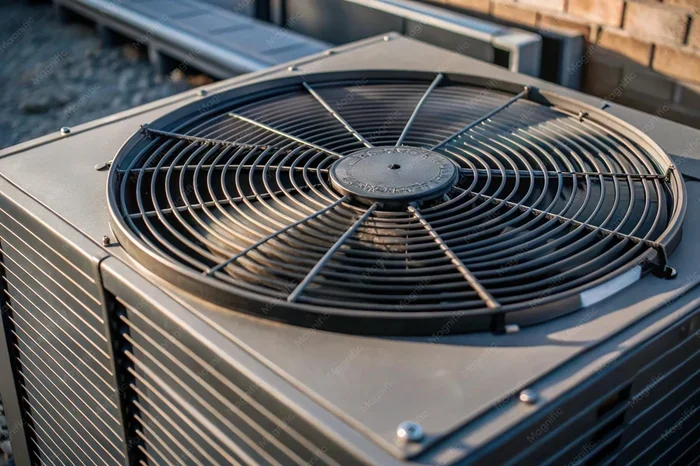
Your HVAC system is made up of several parts that work together. The condenser unit sits outside. The evaporator coil sits inside, usually near your furnace or air handler. The refrigerant lines connect them all. And the AC compressor sits in the outdoor unit, acting as the pump that keeps everything moving.
Think of it like a conveyor belt for thermal energy. The compressor moves the refrigerant so that heat can be picked up indoors and dropped off outdoors. If any part of this loop fails, the system struggles. But the compressor is the one that keeps the belt moving.
Why the AC Compressor Is Called the Heart of Your System
The nickname is not an exaggeration. The AC compressor does the heavy lifting in every cooling cycle. It consumes the most energy of any single component in your air conditioning system. When it works well, your system runs efficiently and keeps your home cool. When it fails, you are stuck in the heat until it is repaired or replaced.
What Happens When the Compressor Fails
A compressor failure can shut down your entire cooling system. You might hear strange clicking or buzzing sounds from the outdoor unit. Or you may notice that the system blows warm air even when it is running. In some cases, the unit trips the circuit breaker over and over again.
Common causes of compressor failure include:
- Dirty condenser coils that make the system work too hard
- Low refrigerant levels caused by leaks in the refrigerant lines
- Electrical problems that damage the compressor motor
- Lack of seasonal maintenance that allows dirt and debris to build up
- Overheating due to poor airflow around the outdoor unit
Dealing with a failed compressor can be expensive. In many cases, replacing the entire outdoor unit makes more financial sense than repairing just the compressor. This is why prevention through regular air conditioner maintenance is so important.
Warning Signs Your Compressor May Be Failing
Catching problems early can save you a lot of money and discomfort. Watch for these signs:
- Warm air coming from your vents even when the thermostat is set low
- Loud or unusual noises like grinding, clicking, or screeching from the outdoor unit
- Frequent cycling where the system turns on and off more than usual
- Ice buildup on the refrigerant lines or the outdoor unit
- Higher energy bills that suggest the system is working harder than it should
If you notice any of these issues, it is a good idea to call a professional technician right away. The sooner you address a compressor problem, the better your chances of avoiding a full replacement.
Types of AC Compressors
Not all compressors are the same. Different cooling systems use different compressor designs, and each type has its own strengths. Understanding the options can help you make better decisions about your home comfort setup.
Reciprocating Compressors
This is the most common type found in residential air conditioning systems. It uses a piston inside a cylinder to compress the refrigerant gas. Think of it like a car engine. The piston moves up and down, squeezing the gas and pushing it into the condenser coil. Reciprocating compressors are reliable, affordable, and widely available.
They work well for most standard homes. However, they have more moving parts, which means more things that can wear out over time. Regular maintenance helps keep them running smoothly for many years.
Scroll Compressors
Scroll compressors are becoming increasingly popular in modern HVAC systems. Instead of a piston, they use two spiral-shaped coils. One coil stays still while the other orbits around it. This motion traps refrigerant and pushes it toward the center, where pressure increases.
Scroll compressors are known for being quieter and more efficient than reciprocating models. They also have fewer moving parts, which means fewer things can go wrong. Many homeowners choose scroll compressors for their energy efficiency and long lifespan.
Rotary Compressors
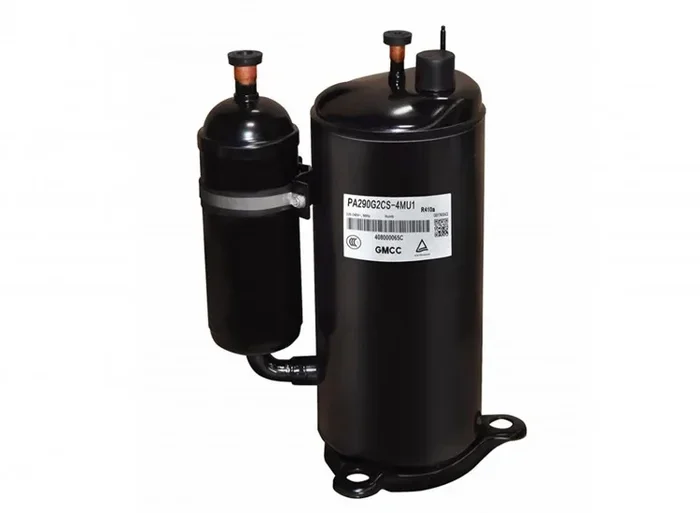
Rotary compressors use a rotating blade inside a cylinder to compress the refrigerant. They are very compact and run smoothly. You often find them in smaller cooling systems or window units. They are also common in ductless mini-split systems.
While rotary compressors are great for smaller applications, they are not usually the first choice for cooling an entire house. They work best in situations where space is limited and the cooling load is moderate.
How to Keep Your AC Compressor Running Strong
Prevention is always better than repair. A little effort goes a long way toward protecting your AC compressor and extending the life of your entire cooling system. Here are the steps that make the biggest difference.
Schedule Seasonal Maintenance
Have a professional technician inspect your air conditioning system at least once a year, ideally before summer starts. During a maintenance visit, the tech will check refrigerant levels, clean the condenser coils, inspect the refrigerant lines, and test the compressor relay and electrical connections.
Seasonal maintenance catches small problems before they become big ones. It also keeps your system running at peak energy efficiency, which saves you money on utility bills all season long.
Keep the Outdoor Unit Clean
The outdoor unit where your AC compressor lives needs good airflow to work properly. Remove leaves, dirt, grass clippings, and any other debris that gathers around the unit. Aim for at least two feet of clear space on all sides.
If you have trees nearby, trim back any branches that could drop debris into the unit. A clean outdoor unit means less strain on the compressor motor and better overall cooling capacity.
Watch Your Thermostat Settings
Setting your thermostat to a reasonable temperature helps your AC compressor run more efficiently. Setting it too low on a hot day forces the system to work harder than it needs to. A smart thermostat or a programmable thermostat can help you maintain a steady temperature without overworking the compressor.
During the hottest part of the day, keep your blinds closed to reduce the amount of thermal energy entering your home. This simple step takes pressure off the entire cooling system.
Replace Your Air Filter Regularly
A clogged air filter restricts airflow, which makes the AC compressor work harder. Check your filter every month during heavy use and replace it when it looks dirty. A clean filter protects the evaporator coil, improves energy efficiency, and helps the whole system last longer.
AC Compressor and Whole-Home Cooling
When you are thinking about keeping your home cool, the AC compressor is only one piece of the puzzle. The size of your system, the layout of your home, and the efficiency of your cooling system all matter. A properly sized system with a well-maintained compressor will keep your home comfort at its best.
If you are considering a backup power solution, such as a portable or standby generator, it is important to know how to size it correctly. Your cooling system draws a significant amount of electricity, especially during peak summer heat. You want a generator that can handle the load without straining the AC compressor or the generator itself.
For homeowners who rely on generators during power outages, understanding the power requirements of your cooling setup is essential. The size of generator you need depends on the cooling capacity of your system and the other appliances you want to run at the same time.
Similarly, if you live in an RV or camper, your cooling setup works a bit differently. An RV AC compressor operates on the same basic principles but is scaled down for a smaller space. Making sure your power source can handle the demands of an RV air conditioner is just as important as sizing a generator for a whole home.
Quick Tips for AC Compressor Care
- Check refrigerant levels at least once a year. Low refrigerant forces the compressor to work harder.
- Clean the condenser coils with a garden hose at the start of each cooling season.
- Never ignore strange noises from the outdoor unit. Early detection prevents major damage.
- Keep vegetation trimmed around the outdoor unit to ensure proper airflow.
- Run ceiling fans to help distribute cool air, which reduces the workload on the compressor.
- Upgrade to a programmable thermostat to avoid unnecessary compressor cycling.
- Ask your technician about energy efficiency upgrades if your compressor is getting older.
Conclusion
The AC compressor is truly the heart of your air conditioning system. It drives the cooling cycle, moves refrigerant through the refrigerant lines, and makes home comfort possible even on the hottest days. Without a functioning compressor, your cooling system cannot do its job.
Understanding what does an AC compressor do gives you the knowledge to take better care of your system. Regular maintenance, clean coils, proper airflow, and prompt attention to warning signs all add up to a longer-lasting, more efficient compressor. And a well-maintained compressor means lower energy bills, better cooling capacity, and fewer unexpected breakdowns.
Take a few minutes today to check your outdoor unit, replace your filter, and schedule a seasonal inspection if you have not done so yet. Your AC compressor works hard for you all summer long. A little care now goes a long way toward keeping it running strong for years to come.
Frequently Asked Questions
Can a bad AC compressor still cool my home?
In most cases, no. A failing or failed compressor cannot properly circulate refrigerant, which means the cooling cycle breaks down. You may notice warm air from the vents, frequent cycling, or the system not turning on at all. If you suspect compressor issues, contact a professional technician for a diagnosis.
How long does an AC compressor typically last?
Most AC compressors last between 10 and 15 years with proper maintenance. However, factors like usage, climate, and the quality of the unit can affect lifespan. Regular air conditioner maintenance and timely repairs help the compressor reach or even exceed its expected life.
Is it expensive to replace an AC compressor?
Replacing a compressor can be one of the more costly AC repairs. The cost depends on the type of compressor, the size of your system, and labor rates in your area. In many cases, if the unit is older than 10 years, it may be more cost-effective to replace the entire outdoor unit or the full system.
What causes an AC compressor to overheat?
Overheating can be caused by dirty condenser coils, low refrigerant levels, blocked airflow around the outdoor unit, or electrical issues with the compressor motor. When the system cannot release heat properly, the compressor works harder and eventually overheats. Regular maintenance helps prevent this problem.
Can I run my AC on a generator during a power outage?
Yes, but you need to make sure your generator is properly sized. Cooling systems require significant startup power, especially the AC compressor. If you are using a generator to power your home during an outage, check what size generator to run a house or what size generator to run a refrigerator and other appliances to make sure you have enough capacity.
How do I know if my AC compressor needs to be replaced?
Signs that a compressor may need replacement include persistent warm air, loud or unusual noises, frequent circuit breaker trips, and ice buildup on the refrigerant lines. A professional HVAC technician can test the compressor and advise whether repair or replacement is the best option for your system.