how to determine what size generator i need for your home
Figuring out how to determine what size generator i need starts with knowing your power needs. This guide walks you through calculating wattage, comparing generator types, and choosing the right size for your home. You will learn practical steps, avoid costly mistakes, and find the perfect backup power solution with confidence.
Power outages happen when you least expect them. Storms knock out lines. Equipment fails. And suddenly, you are sitting in the dark with a dead refrigerator and a phone that will not last much longer. That is when a generator becomes your best friend. But here is the problem many people face. They buy a generator that is too small or too big. And either way, they waste money and end up frustrated.
If you have ever wondered how to determine what size generator i need, you are in the right place. This guide breaks everything down into simple, easy-to-follow steps. You do not need to be an electrician. You just need to know what appliances you want to run and how much power they use. By the end of this article, you will feel confident about choosing the right generator size for your home.
We will cover everything from basic wattage requirements to the differences between portable and standby units. We will also look at common household appliances, fuel types, and expert tips that most guides skip. Let us get started.
Key Takeaways
- Know Your Wattage: Understanding starting and running wattage is the first step in how to determine what size generator i need.
- List Every Appliance: Making a detailed list of everything you want to power prevents undersizing or overspending.
- Choose the Right Type: Portable and standby generators serve different needs, and picking the correct one matters.
- Add a Safety Buffer: Always add 20% extra capacity to protect your generator from overload.
- Consider Fuel Type: Propane, natural gas, and gasoline each have pros and cons for home use.
- Professional Help Helps: An electrician can install an automatic transfer switch and ensure safe operation.
📑 Table of Contents
Understanding Your Power Needs
Before you shop for any backup power equipment, you need to understand what your home actually requires. This is the foundation of how to determine what size generator i need. Without this step, every other decision you make will be guesswork.
What Is Wattage?
Wattage is simply the measure of electrical power. Every device in your home uses a certain number of watts to run. Some devices need more watts to start than to keep running. This is a key concept. Starting wattage is the burst of power a motor needs to kick on. Running wattage is the steady power it needs to keep operating.
For example, your refrigerator compressor needs a big burst of energy when it turns on. Once it is running, it uses less power. If you do not account for that starting surge, your generator will trip or fail to start the appliance.
Why Size Matters
Choosing the wrong generator size causes real problems. A unit that is too small will overload. It can shut down mid-use or even get damaged. A unit that is too big wastes fuel and money. You pay for power you do not need.
The sweet spot is a generator that meets your needs with a little room to spare. That brings us to the most important part of how to determine what size generator i need: making a list.
Make a List of Everything You Want to Power
Sit down with a notebook. Walk through your house. Write down every appliance and device you want to keep running during an outage. Be honest about what matters most to you.
Here is a quick way to think about it. Split your items into two categories:
- Essentials: Refrigerator, lights, furnace blower, medical devices, phone chargers, and internet router.
- Comfort Items: Air conditioner, microwave, washing machine, TV, and coffee maker.
Most people start with essentials and add comfort items if their budget allows. This list becomes the foundation for your wattage calculation.
How to Calculate Your Total Wattage
This is where the math comes in. But do not worry. It is simpler than it sounds. Once you have your list, you just need to find the wattage numbers and add them up.
Finding Wattage Numbers
Every appliance has a label or manual that lists its power draw. Look for a sticker on the back or bottom of the device. You will usually see watts listed directly. If you see amps instead, you can convert them. Multiply amps by voltage (120V for most household outlets) to get watts.
Some devices list starting watts and running watts separately. If that is the case, use the starting number for your calculation. That is the highest demand the device will place on your generator capacity.
The Simple Calculation Formula
Here is the formula to follow:
- List every appliance you want to run.
- Note the starting and running watts for each.
- Add up all the starting watts.
- Add the highest running wattage of any single appliance.
- Add the running watts of all remaining appliances.
- The total is your minimum generator size requirement.
Let us say your refrigerator needs 2200 starting watts and 700 running watts. Your lights need 300 watts total. Your furnace blower needs 1000 starting watts and 600 running watts. You would add 2200 plus 1000 plus 300 plus 600. That gives you 4100 watts, or about 4.1 kilowatts. You would want a generator rated at or above that number.
Use a Generator Size Calculator
If math is not your strong suit, do not worry. Many websites offer a free generator size calculator. You simply select your appliances from a list, and the tool does the math for you. These calculators are fast, accurate, and a great way to double-check your work.
Some popular tools even let you enter your circuit breaker panel information. This gives you a more precise picture of your home’s total electrical load. Using one of these tools is a smart shortcut when you are learning how to determine what size generator i need.
Types of Generators and Their Sizes
Not all generators are the same. The type you choose affects everything from cost to convenience. Let us look at the main options so you can match the right unit to your needs.
Portable Generators
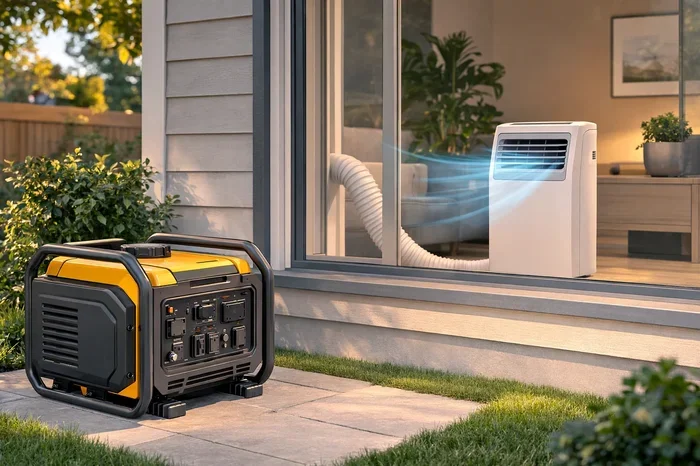
Portable generators are the most common choice for homeowners. They range from about 3,000 watts to 8,500 watts. You can move them around, store them easily, and they cost less than larger systems.
These units work well for powering essentials during a short outage. They run on gasoline, which you can buy at any gas station. The downside is that you need to refill them manually. They also produce more noise than other options.
If you only need to keep a few key appliances running, a portable unit is a great starting point for your home power backup plan.
Standby Generators
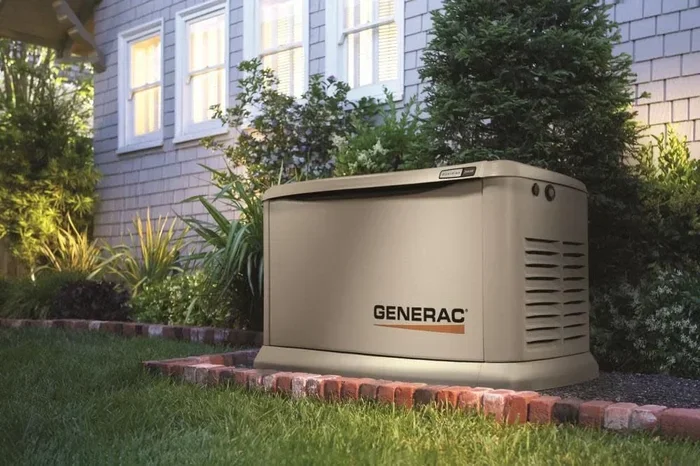
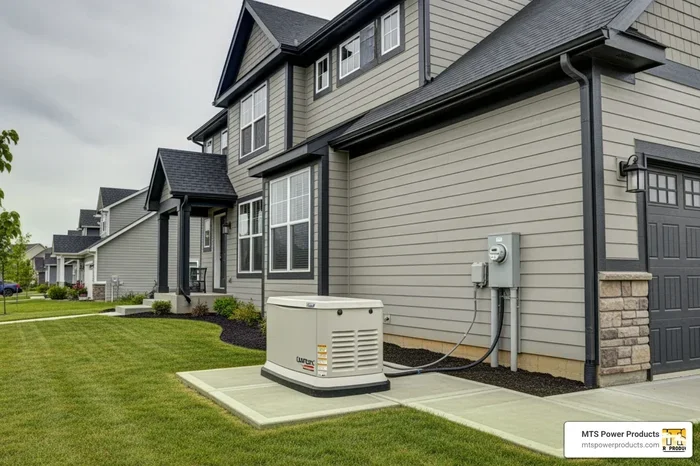
A standby generator is a permanent installation outside your home. These units are much larger, typically ranging from 7,000 watts to 20,000 watts or more. They connect directly to your home’s electrical system and run on natural gas or propane.
The biggest advantage is automatic operation. When the power goes out, the unit detects the outage and turns on within seconds. You do not need to be home. You do not need to plug anything in. It just works.
Standby units cost more upfront, but they offer unmatched convenience. If you live in an area prone to frequent outages, a standby whole house generator is often worth the investment.
Inverter Generators
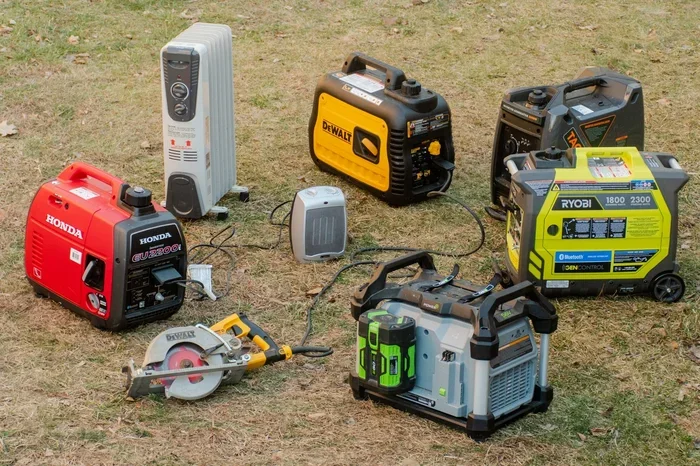
Inverter generators are a newer option that produces cleaner power. They are quieter and more fuel-efficient than traditional portable units. They are ideal for sensitive electronics like laptops and smartphones.
The trade-off is that they typically come in smaller sizes, usually between 1,000 and 4,000 watts. They are great for camping or powering a few essentials but may not handle a full-house load.
| Generator Type | Typical Size Range | Fuel Type | Best For |
|---|---|---|---|
| Portable | 3,000 – 8,500 watts | Gasoline | Essentials during short outages |
| Standby | 7,000 – 20,000+ watts | Natural Gas / Propane | Whole-home backup |
| Inverter | 1,000 – 4,000 watts | Gasoline | Sensitive electronics, camping |
Common Household Appliances and Their Power Draw
Knowing the power needs of common appliances helps you build an accurate list. Here are some typical numbers to keep in mind when you are figuring out how to determine what size generator i need.
Essential Appliances
- Refrigerator: 1,200 to 2,200 starting watts, 600 to 800 running watts
- Lights (per room): 60 to 300 watts depending on bulb type
- Furnace Blower: 600 to 1,000 running watts
- Well Pump: 1,000 to 2,000 starting watts
- Phone Charger: 10 to 25 watts
- Wi-Fi Router: 5 to 15 watts
Comfort and Convenience Appliances
- Central Air Conditioner: 3,000 to 5,000 starting watts, 1,500 to 2,500 running watts
- Microwave: 1,000 to 1,500 running watts
- Washing Machine: 1,000 to 2,000 starting watts
- Television: 100 to 400 watts
- Electric Oven: 2,000 to 5,000 watts
- Space Heater: 1,000 to 1,500 watts
Notice how some appliances draw a lot more power than others. Your air conditioner and electric oven are real power hogs. If you want to run these during an outage, you will need a much larger unit. Keep this in mind as you build your list and work through how to determine what size generator i need for your situation.
Quick Tips for Appliance Power Draw
- Always check the nameplate on the appliance for the most accurate numbers.
- Older appliances often draw more power than newer energy-efficient models.
- If you are unsure about an appliance’s wattage, look it up online or check the user manual.
- Do not forget about hidden loads like sump pumps and garage door openers.
Step-by-Step Guide to Sizing a Generator
Now that you understand the basics, let us put it all together. Here is a clear, step-by-step process for how to determine what size generator i need for your specific home.
Step 1: List Your Must-Have Appliances
Start with the essentials. What would you absolutely not want to go without during an outage? Write these down first. For most families, that includes the refrigerator, a few lights, the furnace, and device chargers.
Step 2: Add Up the Starting Watts
Find the starting wattage for each item on your list. Add them together. This number represents the peak power demand your generator will face.
Step 3: Add Up the Running Watts
Now add the running watts for all your appliances. This gives you the baseline power draw during normal operation.
Step 4: Add a Safety Buffer
Here is a pro tip that many people skip. Always add a 20% buffer to your total. This protects the generator from overload and extends its lifespan. It also gives you room to plug in something extra if needed.
Formula: (Total Starting Watts + Total Running Watts) x 1.2 = Your Ideal Generator Size
Step 5: Choose Your Generator Type
Decide between a portable, standby, or inverter unit based on your budget, needs, and how long you expect outages to last. Each type has its place, and the right choice depends on your situation.
Step 6: Consult a Professional
If you are still unsure, consult a licensed electrician. They can evaluate your electrical load, recommend the right unit, and handle the installation of an automatic transfer switch. This small investment can save you from expensive mistakes.
Common Mistakes to Avoid
- Forgetting starting watts: This is the number one mistake. Running watts alone will not tell you the full story.
- Buying the cheapest option: A cheap generator may not deliver the power it claims. Look for reputable brands with verified ratings.
- Ignoring fuel availability: If you choose gasoline, make sure you can store enough fuel safely. Propane and natural gas are more convenient for longer outages.
- Overloading the generator: Plugging in too many high-wattage appliances at once can trip the breaker or damage the unit.
- Skipping the transfer switch: Connecting a generator directly to your home’s wiring without a transfer switch is dangerous and can backfeed into utility lines.
Expert Tips for Choosing the Right Generator
After helping hundreds of homeowners choose the right backup power solution, here are the tips that make the biggest difference.
Think About Runtime
Not all generators run the same length of time on a tank of fuel. Some portable units can run for 8 to 12 hours on a full tank. Others need refueling every few hours. If you live in an area where outages last all night, runtime matters a lot. Check the generator runtime specs before you buy.
Consider Your Fuel Options
Propane generators burn clean and store well for long periods. Natural gas generators connect to your existing gas line, so you never run out of fuel. Gasoline generators are affordable and widely available, but fuel degrades over time and must be replaced.
Your choice of fuel type affects both convenience and cost. Think about what is available in your area and how long you need the generator to run.
Noise Level Matters
Nobody wants a generator that sounds like a jet engine in their backyard. Standby units are generally quieter than portable ones. Inverter generators are the quietest option of all. If noise is a concern, look for units rated at 60 decibels or below.
Check the Warranty and Support
A good warranty tells you the manufacturer stands behind their product. Look for at least a 3-year warranty on portable units and 5 years or more on standby generators. Good customer support is also important, especially if you run into issues during a storm.
Future-Proof Your Choice
Think ahead. Are you planning to add a central air conditioner? Build a new addition? Get an electric vehicle? Choosing a slightly larger generator capacity now saves you from upgrading later. It is often more cost-effective to buy one unit that fits future needs than to buy two smaller units over time.
Conclusion
Determining how to determine what size generator i need does not have to be overwhelming. The process boils down to three simple steps. First, list the appliances you want to power. Second, calculate the total wattage requirements including starting and running watts. Third, add a safety buffer and choose the right type of unit for your home.
Take the time to do this math correctly. A properly sized generator size keeps your essentials running, protects your appliances, and gives you peace of mind when the lights go out. Whether you choose a portable unit for basic backup or invest in a standby whole house generator, the right choice starts with understanding your power needs.
Use the tips and calculations in this guide. Double-check your numbers with a generator size calculator. And if you are ever in doubt, talk to a licensed electrician. They can make the process easy and ensure your home power backup system is safe, efficient, and ready when you need it most.
Now you have the knowledge to make a smart, confident decision. Do not wait for the next outage to figure this out. Take action today and make sure your home is prepared for whatever comes next.
Frequently Asked Questions
What happens if I buy a generator that is too small?
An undersized generator will overload when you try to power too many appliances at once. It may shut down unexpectedly, trip its breaker repeatedly, or even suffer internal damage. Always calculate your total wattage requirements before purchasing.
Can I run my entire house on a single generator?
Yes, but only if you choose a large enough unit. A standby generator rated at 15,000 to 20,000 watts can typically handle a full house load. However, most homeowners prioritize essentials and use a smaller, more affordable unit.
How long can a generator run continuously?
Runtime depends on the fuel tank size and load. Most portable gasoline generators run 8 to 12 hours on a full tank. Standby units connected to natural gas or propane can run for days as long as fuel is supplied. Check the generator runtime specifications for the model you are considering.
Do I need an electrician to install a generator?
For portable generators, you do not need an electrician for setup, but you should use proper extension cords. For standby units, professional installation is strongly recommended. An electrician will install an automatic transfer switch and ensure the unit is wired safely to your home’s electrical system.
What fuel type is best for a home generator?
It depends on your situation. Natural gas is the most convenient because it connects to your existing gas line. Propane stores well and burns clean. Gasoline is affordable and widely available but requires safe storage and periodic replacement. Consider your local fuel availability and outage frequency when choosing.
How often should I maintain my generator?
Run your generator under load for at least 15 minutes every month to keep the engine in good shape. Change the oil annually or after 100 hours of use. Check the air filter and spark plug regularly. Following the manufacturer’s maintenance schedule ensures your backup power system is reliable when you need it most.