How to Pick the Best Compressor Oil for Peak Performance
Choosing the right compressor oil is one of the simplest ways to boost your machine’s life and performance. This guide walks you through the different types of compressor oil, how to pick the right viscosity, and when to schedule a compressor oil change. By the end, you will know exactly what your compressor needs to run at its best.
Your compressor works hard every day. It pushes air, powers tools, and keeps jobs moving. But there is one thing many people forget: the oil inside it. Compressor oil is the lifeblood of your machine. It keeps parts moving smoothly, reduces heat, and prevents wear. Picking the wrong oil or skipping changes can lead to big problems. In this guide, we will show you exactly how to choose the best compressor oil for peak performance. You will learn about different types, what viscosity means, and when to change the oil. By the end, you will feel confident making the right choice for your machine.
Whether you run a rotary screw compressor or a simple reciprocating model, the oil you use makes a real difference. Good air compressor oil protects internal parts and helps the machine last longer. Bad oil causes friction, heat, and early breakdowns. The good news is that picking the right compressor lubricant is not as hard as it sounds. You just need to know what to look for. Let us dive in and break it all down.
Key Takeaways
- Match the oil type to your compressor: synthetic, mineral, or blend — each has its own strengths.
- Viscosity matters most: picking the right compressor oil viscosity prevents wear and overheating.
- Change your oil regularly: a timely compressor oil change keeps the machine running smooth and extends its compressor lifespan.
- Watch for warning signs: dark color, gritty texture, or strange noises mean it is time to swap the oil.
- Top brands offer reliable options: brands like Mobil, AMSOIL, and Shell make trusted air compressor oil choices.
- Avoid common mistakes: using the wrong oil or skipping changes can lead to costly repairs.
📑 Table of Contents
Why Compressor Oil Is Essential
What Does Compressor Oil Actually Do?
Think of compressor oil like the blood in your body. It moves through the machine and keeps everything healthy. The oil has several important jobs. First, it lubricates all the moving parts. This means metal does not rub against metal. Second, it helps control heat. Compressors generate a lot of warmth during use. The oil pulls that compressor oil temperature away from key components. Third, it creates a seal between the rotors or pistons. This seal helps the machine build pressure efficiently.
Without proper compressor lubricant, your machine would overheat fast. Parts would grind and wear out quickly. The motor would strain and eventually fail. That is why choosing the right compressor oil is so important. It is a small investment that pays off big time.
How Oil Affects Compressor Performance
The right oil directly boosts compressor performance. When parts are well-lubricated, they move with less resistance. This means the motor does not have to work as hard. Less strain means lower energy bills and fewer breakdowns. Clean oil also keeps the system free of sludge and buildup. This helps air flow smoothly and maintains consistent pressure.
On the flip side, old or wrong oil causes problems. You might notice the machine running hotter than normal. It may make strange noises or vibrate more. Over time, this leads to compressor wear and expensive repairs. Using the correct compressor oil keeps everything running quiet, cool, and efficient.
Types of Compressor Oil You Should Know
Mineral-Based Compressor Oil
Mineral-based compressor oil is the most traditional option. It is made from refined crude oil and has been used in compressors for decades. This type works well for basic or light-duty machines. It offers decent lubrication and is usually more affordable than other options.
However, mineral oil has some downsides. It breaks down faster under high heat. It also needs to be changed more often. If you run your compressor in hot conditions or for long hours, mineral oil may not hold up well. It is a solid choice for occasional home use but not ideal for heavy industrial work. When shopping for mineral compressor oil, look for products that meet ISO viscosity standards to ensure quality.
Synthetic Compressor Oil
Synthetic compressor oil is a step up in every way. It is engineered in a lab to provide superior protection. It handles high temperatures much better than mineral oil. It also lasts longer between changes. If you want the best compressor oil for demanding jobs, synthetic is the way to go.
Synthetic blends offer excellent thermal stability. This means the oil does not break down even when the machine runs hot for hours. It also flows better in cold weather, which helps during startup. Many professionals prefer synthetic compressor oil because it reduces friction and extends the compressor lifespan. Yes, it costs more upfront. But the longer drain intervals and better protection make it worth it.
Semi-Synthetic Compressor Oil
Semi-synthetic compressor oil is a mix of mineral and synthetic bases. It offers a balance of performance and cost. You get better protection than pure mineral oil without paying the full synthetic price. This is a great middle-ground option for moderate-use compressors.
Semi-synthetic blends work well for small shops and home garages. They provide good compressor wear protection and handle temperature swings reasonably well. If you are not sure which type to pick, a quality semi-synthetic air compressor oil is a safe bet. It is also a smart choice if you want to future-proof your machine without overspending.
Oil-Free Compressor Considerations
Some machines are built as an oil-free compressor. These models do not require oil inside the compression chamber. Instead, they use special coatings and materials to reduce friction. Oil-free compressors are great for applications where air purity matters, such as in painting or food processing. However, they still benefit from external lubrication for certain moving parts. Always check if your oil-free compressor has any lubrication requirements before assuming it needs zero oil.
How to Choose the Right Compressor Oil
Understanding Compressor Oil Viscosity
Compressor oil viscosity is one of the most important factors to consider. Viscosity refers to how thick or thin the oil is. Think of it like honey versus water. Honey has high viscosity — it flows slowly. Water has low viscosity — it flows fast. Your compressor needs the right thickness to protect its parts properly.
If the oil is too thin, it will not form a strong enough film between moving parts. This leads to increased friction and wear. If the oil is too thick, it will not flow easily. The machine will struggle to start, and energy consumption goes up. Always check your compressor manual for the recommended compressor oil viscosity grade. Common grades include ISO 22, ISO 32, and ISO 46. These compressor oil grades are standardized and make it easy to find the right match.
Matching Oil to Your Compressor Type
Different compressors need different oils. A rotary screw compressor oil is designed specifically for rotary screw machines. It has additives that handle the continuous operation these machines demand. Reciprocating compressor oil, on the other hand, is formulated for piston-style compressors. It needs to handle the pulsating pressure and frequent start-stop cycles.
Using the wrong type can cause poor performance and premature wear. Always match your air compressor oil to the compressor model. Check the manufacturer’s recommendations before you buy. When in doubt, contact the brand’s customer support for guidance. Taking a few minutes to confirm the right fit can save you hours of trouble down the road.
Considering Operating Temperature and Environment
The environment where you run your compressor matters a lot. If you work in a hot climate, you need oil with strong thermal stability. Hot conditions cause oil to break down faster. A high-quality synthetic compressor oil handles heat better and lasts longer in these conditions.
Cold environments also pose challenges. Thick oil does not flow well in the cold, which means poor lubrication during startup. Look for compressor oil with good low-temperature flow properties. This ensures your machine gets protected from the very first turn of the key. If your compressor operates in both hot and cold settings, a versatile compressor lubricant with a wide operating range is ideal. Consider your workspace temperature when selecting your compressor oil for the best results.
Checking for Quality Additives
Not all compressor oil is created equal. The best options come with a blend of useful additives. These extras boost the oil’s performance in specific ways. For example, anti-oxidant additives slow down oil breakdown. Anti-wear additives protect metal surfaces during high-pressure operation. Anti-foam additives prevent bubbles from forming in the oil.
Some compressor oil additives also help with rust and corrosion protection. This is especially important if you live in a humid area. When shopping for air compressor oil, look at the additive package. A well-formulated oil with the right additives will outperform a basic one every time. Read the product label and look for these key additives on the list. Quality additives are what separate a good compressor lubricant from a great one.
When and How to Change Your Compressor Oil
How Often Should You Change Compressor Oil?
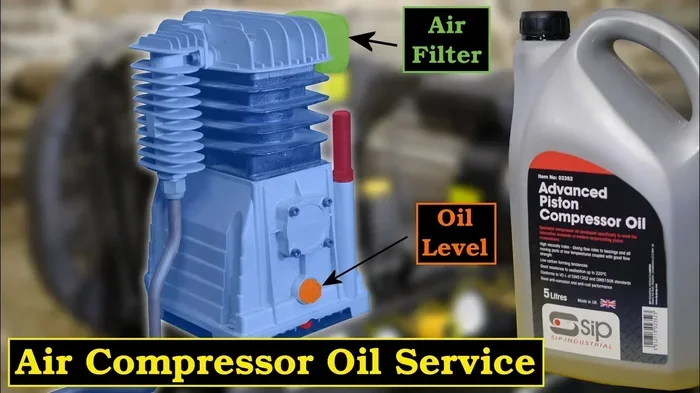
Regular oil changes are the backbone of good compressor maintenance. The frequency depends on your compressor type and how often you use it. For rotary screw compressors, a compressor oil change is typically needed every 2,000 to 4,000 operating hours. For reciprocating compressors, it is usually every 500 to 1,000 hours.
If you use your machine daily, you will need to change the oil more often than someone who uses it once a week. Always refer to your owner’s manual for the exact schedule. Sticking to a regular compressor oil change routine is one of the easiest ways to protect your investment and improve compressor performance.
Step-by-Step Guide to Changing Compressor Oil
Changing the oil in your compressor is straightforward. Here is how to do it right:
- Warm up the machine. Run the compressor for a few minutes. Warm oil drains more easily and carries more contaminants out.
- Turn off the power. Unplug the machine or switch off the breaker. Safety always comes first.
- Locate the drain valve. Place a drain pan underneath. Open the valve and let the old oil flow out completely.
- Remove the old oil filter. If your compressor has a filter, replace it with a new one. A fresh compressor oil filter helps keep the new oil clean longer.
- Close the drain valve. Make sure it is tight and secure.
- Add new oil. Pour in the recommended type and amount. Check the level with the sight glass or dipstick.
- Run the machine briefly. Let it run for a few minutes, then check for leaks and verify the oil level.
Following these steps ensures a clean oil change and helps your air compressor maintenance routine stay on track. Keep a log of each oil change. Tracking your maintenance history helps you spot patterns and stay ahead of potential issues.
Common Mistakes to Avoid
Using the Wrong Oil Type
This is the most common mistake people make. Not all oils are the same. Using motor oil or a generic lubricant in your compressor can cause serious damage. These oils lack the specific additives needed for compressor operation. They may not handle the heat or pressure properly. Always use oil that is specifically labeled as compressor oil or air compressor oil. Taking shortcuts here can lead to expensive repairs and voided warranties.
Skipping Oil Changes
It is tempting to stretch the time between oil changes, especially if the machine seems to be running fine. But old oil loses its effectiveness over time. It breaks down, loses its viscosity, and accumulates contaminants. Skipping changes leads to increased friction, overheating, and eventually compressor wear. Stick to your schedule and your machine will thank you. Set a reminder on your phone or calendar so you never miss a change.
Ignoring Oil Leaks
Small oil leaks might seem harmless, but they add up fast. A slow leak means your compressor is losing lubricant. This leads to poor compressor performance and potential damage to internal parts. Check for leaks regularly. Look for oil spots under the machine or around fittings. Fix leaks promptly to keep your compressor running strong. Even a small leak can drain your oil supply and leave the machine unprotected.
Overfilling or Underfilling the Oil
Both too much and too little oil cause problems. Overfilling can cause the oil to foam, which reduces its lubricating ability. It can also lead to pressure issues. Underfilling means not enough oil reaches all the moving parts. This causes increased friction and heat. Always check the oil level after each change and top up to the recommended mark. Proper oil levels are essential for maintaining compressor performance and avoiding unnecessary wear.
Top Compressor Oil Brands Worth Considering
Mobil 1 Synthetic Compressor Oil
Mobil 1 is a trusted name in the lubricant world. Their synthetic compressor oil offers excellent thermal stability and long service life. It provides strong compressor wear protection and works well in both rotary screw and reciprocating models. If you want a premium option, Mobil 1 is a top choice. Many users report smoother operation and cooler running temperatures after switching to this brand.
AMSOIL Synthetic Compressor Oil
AMSOIL has built a reputation for high-performance lubricants. Their air compressor oil is designed for heavy-duty use. It resists oxidation and thermal breakdown better than most competitors. AMSOIL products extend compressor lifespan and reduce the frequency of oil changes. They are a favorite among professionals who demand the best. The extended drain intervals also mean less downtime and lower long-term costs.
Shell Corena Compressor Oil
Shell Corena is a well-respected brand in industrial compressor applications. Their range includes options for different compressor types and operating conditions. Shell Corena oils offer good compressor performance and reliable protection. They are a solid choice for workshops and manufacturing environments. The brand has decades of experience and a strong track record in the industry.
Budget-Friendly Options
If you are looking for a more affordable compressor lubricant, several budget-friendly brands deliver solid performance. Look for oils that meet ISO viscosity standards and include basic anti-wear and anti-oxidant additives. You do not always need the most expensive oil to get good results. Read reviews, compare specs, and pick a reputable brand that fits your budget. A quality budget oil is always better than no oil at all.
How to Know When Your Compressor Oil Needs Changing
Even with a regular schedule, you should watch for signs that your oil needs attention. Dark or discolored oil is a clear signal. Fresh compressor oil is usually amber or light gold. If it looks dark brown or black, it is time for a change. Another sign is a gritty or rough texture when you rub a drop between your fingers. Clean oil should feel smooth.
Listen to your machine too. Unusual knocking or grinding sounds can indicate poor lubrication. If the compressor runs hotter than usual, that is another red flag. Check the oil level and condition regularly. Catching problems early saves you from costly repairs and keeps your compressor performance at its peak. A quick visual check before each use can go a long way.
Final Thoughts
Picking the best compressor oil does not have to be complicated. Start by understanding your compressor type and the recommended compressor oil viscosity. Choose between mineral, synthetic, or semi-synthetic based on your usage and budget. Look for quality additives and match the oil to your operating environment. Stick to a regular compressor oil change schedule and watch for warning signs of old or degraded oil.
Good compressor maintenance starts with the right oil. It is a small decision that makes a huge difference. Your compressor will run cooler, last longer, and perform better. Take the time to choose wisely, and your machine will reward you with years of reliable service. The best compressor oil is the one that fits your machine, your workload, and your budget. Now you have all the knowledge you need to make that choice with confidence.
Frequently Asked Questions
Can I use regular motor oil in my compressor?
It is best to avoid regular motor oil. Motor oil lacks the specific additives that compressor oil needs to handle high heat and pressure. Using the wrong oil can lead to increased wear, overheating, and voided warranties. Always choose oil that is specifically formulated as air compressor oil for the best results.
How do I know what viscosity grade to use?
Check your compressor owner’s manual for the recommended compressor oil viscosity grade. Most manufacturers list the ideal ISO grade for your specific model. If you cannot find the manual, look for the viscosity rating on the compressor nameplate or contact the manufacturer directly. Using the wrong viscosity can reduce compressor performance and cause premature wear.
How long does compressor oil last before it needs changing?
The lifespan of compressor oil depends on the type and how often you use the machine. Synthetic oils typically last longer, sometimes up to 4,000 operating hours. Mineral oils may need changing every 500 to 1,000 hours. Always follow the manufacturer’s recommended compressor oil change intervals and check the oil condition regularly.
Is synthetic compressor oil worth the extra cost?
Yes, for most users, synthetic compressor oil is worth the investment. It offers better thermal stability, longer drain intervals, and superior compressor wear protection. While it costs more upfront, it can extend your compressor lifespan and reduce the frequency of oil changes. For heavy or frequent use, the benefits far outweigh the extra cost.
What happens if I overfill my compressor with oil?
Overfilling can cause the oil to foam, which reduces its ability to lubricate properly. Foaming can also lead to pressure issues and potential damage to internal parts. Always fill to the recommended level, not above it. If you accidentally overfill, drain the excess until the level is correct to maintain optimal compressor performance and protect your machine.
Can I mix different brands of compressor oil?
It is best to avoid mixing different brands or types of compressor oil. Different formulations may not be compatible, and mixing can reduce the effectiveness of the additives. If you need to top up between changes, try to use the same brand and type. When switching brands or types, perform a full compressor oil change to ensure compatibility and protect your machine from potential issues.