R22 Compressor Replacement Everything You Need to Know
R22 compressor replacement is a critical repair for aging air conditioning systems that still use the now-banned refrigerant R22. This guide covers everything from recognizing compressor failure signs to understanding your options, whether you choose a direct replacement, a retrofit to R410A, or a full system swap. You’ll learn the real costs, maintenance tips, and how to avoid common mistakes.
Your air conditioner is blowing warm air on a hot summer day. You call a technician, and the diagnosis comes back: the compressor is shot, and it uses R22 refrigerant. That single sentence can trigger a wave of stress. The good news is that you have options. This guide walks you through every step of the r22 compressor replacement journey. We’ll explain what R22 is, why it’s a problem, and exactly what you can do to fix it. By the end, you’ll feel confident making the right decision for your home and budget.
R22 refrigerant, also known as Freon or HCFC-22, was the standard cooling agent in air conditioning systems for decades. Because of its harmful effects on the ozone layer, the production and import of R22 have been fully phased out in most countries. As supplies shrink, the cost of this old refrigerant skyrockets. When an R22 compressor fails, you’re no longer just fixing a broken part. You’re facing a major decision about the future of your cooling system. R22 compressor replacement is the process of swapping out the failed compressor and deciding what kind of refrigerant path to follow next.
This article covers the signs of a failing compressor, the three main replacement options, the costs involved, and how to keep your new system running strong. Whether you’re a homeowner trying to understand a repair bill or a technician looking for a clear reference, you’ll find practical, easy-to-follow information here. Let’s dive in.
Key Takeaways
- R22 refrigerant is phased out: Production stopped, making R22 compressor replacement increasingly expensive and hard to source.
- Spot the warning signs early: Warm air, strange noises, and frequent cycling mean your compressor may be failing.
- You have three main paths: Direct R22 compressor replacement, retrofit to R410A, or full system replacement.
- Cost varies widely: Expect $1,500 to $5,000+ depending on the route you take and your location.
- Professional installation is essential: Refrigerant handling requires certification and proper tools.
- Maintenance extends life: Regular cleaning, filter changes, and annual tune-ups keep your new compressor running smoothly.
📑 Table of Contents
What Is R22 Refrigerant and Why Is It Being Phased Out?
R22 refrigerant is a chemical compound that absorbs heat from your home’s indoor air and releases it outside. It’s the lifeblood of your air conditioning system. For many years, R22 was the go-to choice because it worked well and was considered safe. However, scientists discovered that R22 belongs to a group of chemicals called hydrochlorofluorocarbons, or HCFCs. These substances rise into the upper atmosphere and break down the ozone layer that protects us from harmful UV radiation.
The History of R22
R22 was widely used in residential AC units from the 1950s through the early 2000s. It was reliable, non-flammable, and efficient. By the late 1980s, the global community recognized the threat to the ozone layer. International agreements like the Montreal Protocol set a timeline for eliminating ozone-depleting substances. The United States began a phasedown of R22 production in 2010 and stopped all new production and imports by January 1, 2020. Today, only recycled or stockpiled R22 is available, and that limited supply drives prices higher every year.
The Environmental Impact
The phase-out of R22 is a direct response to ozone depletion. When R22 leaks into the atmosphere, it contributes to the thinning of the ozone layer. Modern refrigerants like R410A and R32 have a much lower global warming potential and do not harm the ozone. If your system still relies on R22, it’s not just a performance issue. It’s an environmental one. Switching to a newer refrigerant through r22 compressor replacement or a full system upgrade helps reduce your home’s environmental footprint.
Signs Your R22 Compressor Needs Replacement
Compressors don’t usually fail overnight. They give you warning signs long before they completely break down. Catching these symptoms early can save you from a total system shutdown on the hottest day of the year. Here are the most common indicators that your R22 compressor is in trouble.
Common Symptoms of Compressor Failure
- Warm air from vents: The most obvious sign. If your AC is running but not cooling, the compressor may not be pumping refrigerant.
- Strange noises: Grinding, squealing, or banging sounds from the outdoor unit often point to internal compressor damage.
- Frequent on-and-off cycling: A failing compressor may short-cycle, turning on and off repeatedly without completing a full cooling cycle.
- Ice buildup on the evaporator coil: Low refrigerant pressure caused by a failing compressor can lead to frost on the indoor coil.
- Higher energy bills: A struggling compressor draws more electricity to achieve the same cooling, inflating your monthly costs.
- Refrigerant leaks: Pooling liquid or oil around the outdoor unit can signal a leak that starves the compressor of lubricant.
When to Call a Professional
If you notice any of these signs, don’t wait. Turn off the system and contact a licensed HVAC technician. Diagnosing a compressor issue requires specialized tools like a manifold gauge set and a refrigerant leak detector. A professional can perform troubleshooting to confirm whether the compressor itself has failed or if another component, like a capacitor or contactor, is the real culprit. Early intervention can sometimes prevent a full r22 compressor replacement and extend the life of your system.
R22 Compressor Replacement Options
Once a technician confirms that your compressor is dead, you’ll need to decide how to proceed. There are three main paths for r22 compressor replacement, and each has its own advantages and trade-offs. The right choice depends on your budget, the age of your system, and your long-term cooling goals.
Direct Replacement with R22-Compatible Compressor
This option means installing a new compressor that is designed to work with R22 refrigerant. It’s the most straightforward path if your system is relatively modern and in good overall condition. The technician removes the old compressor, installs the new one, and recharges the system with recycled R22. This approach keeps your existing condenser unit and evaporator coil in place.
The big advantage is that you avoid a major system overhaul. You keep the same refrigerant type and the same infrastructure. However, the cost of R22 refrigerant is high and rising. A new R22 compressor can set you back anywhere from $1,500 to $3,000 for the part and labor, and the recycled R22 charge adds another $200 to $800 depending on the system size. Also, because R22 is no longer manufactured, future leaks become a expensive guessing game.
Retrofitting to R410A or Another Refrigerant
Retrofitting means converting your existing system to use a modern refrigerant like R410A. This is a popular choice because R410A is widely available, more efficient, and environmentally friendlier. To make this work, you can’t just swap the refrigerant. You need to replace the compressor with one specifically rated for R410A, swap out the thermostatic expansion valve (TXV), and often replace the filter-drier and evaporator coil. The lubricant also changes from mineral oil to POE (polyolester) oil.
A full retrofit typically costs between $2,500 and $4,500. While that’s more upfront than a direct R22 replacement, it future-proofs your system. You’ll have access to abundant, affordable refrigerant and enjoy better system efficiency and cooling performance. Retrofitting is a smart middle ground if your condenser unit and ductwork are still in good shape.
Full System Replacement vs. Component Swap
The third option is to replace the entire outdoor condensing unit and indoor evaporator coil, along with the compressor. This is the most expensive route, but it also gives you a brand-new, high-efficiency system with a full warranty. New systems use R410A or R32 and can cut your energy bills by 20 to 40 percent compared to an old R22 unit.
When you compare a component swap (just the compressor or a retrofit) to a full system replacement, think about the age of your existing equipment. If your AC is over 12 years old, a full replacement often makes more financial sense in the long run. You avoid stacking repair costs on an aging system and get reliable maintenance for years to come.
Comparison of Replacement Paths
| Option | Average Cost | Refrigerant Used | Lifespan | Best For |
|---|---|---|---|---|
| Direct R22 Compressor Replacement | $1,500 – $3,500 | R22 (recycled) | 5–10 years | Newer systems with minor wear |
| Retrofit to R410A | $2,500 – $4,500 | R410A | 10–15 years | Good condenser, want future-proofing |
| Full System Replacement | $4,000 – $8,000+ | R410A or R32 | 15–20 years | Old system, high repair history |
R22 Compressor Replacement Cost Breakdown
Cost is the elephant in the room when it comes to r22 compressor replacement. The price can vary dramatically based on your location, the size of your system, and which path you choose. Understanding what goes into the bill helps you avoid surprises and make a confident decision.
Factors That Affect the Price
- Refrigerant type: Recycled R22 costs $50 to $100 per pound. A typical residential system holds 5 to 15 pounds, so the refrigerant alone can add $250 to $1,500 to the bill.
- Compressor brand and model: OEM (original equipment manufacturer) compressors cost more than aftermarket units, but they often come with better warranties and guaranteed compatibility.
- Labor rates: HVAC labor costs vary by region. Expect $75 to $150 per hour for a licensed technician. A compressor swap usually takes 4 to 8 hours.
- Additional parts: A retrofit requires a new expansion valve, filter-drier, and possibly a new evaporator coil. These add $300 to $1,200 to the total.
- Permits and inspections: Some local jurisdictions require permits for refrigerant changes or system replacements, adding $50 to $200.
DIY vs. Professional Installation
You might be tempted to save money by handling the r22 compressor replacement yourself. Resist that urge. Refrigerant handling is strictly regulated. In the United States, the EPA Section 608 certification is required to purchase, recover, or charge refrigerant. Working without certification is illegal and can result in hefty fines. Worse, improper installation can lead to refrigerant leaks, system damage, or even personal injury. A professional HVAC technician has the tools, training, and legal standing to do the job safely and correctly.
How to Choose the Right Replacement Compressor
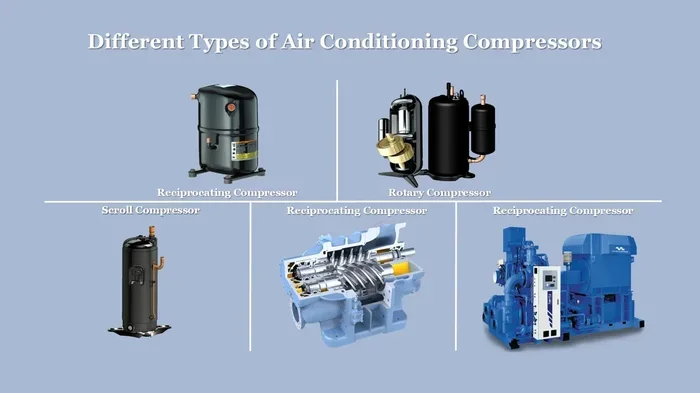
Not all compressors are created equal. Choosing the right one for your r22 compressor replacement project means matching specifications, understanding compatibility, and weighing the pros and cons of OEM versus aftermarket parts.
Matching Specifications
The replacement compressor must match the original in several key areas. Check the rated cooling capacity in BTUs, the voltage and phase (single-phase or three-phase), the refrigerant type, and the compressor’s physical footprint. Using a compressor with the wrong capacity will lead to poor cooling performance and premature failure. Your technician can pull the model number from the old unit and cross-reference it with manufacturer databases to find the exact match.
Brand Compatibility and OEM vs. Aftermarket
OEM compressors are made by the same manufacturer that built your original unit. They guarantee a perfect fit and often come with a 5- to 10-year warranty. Aftermarket compressors from third-party manufacturers are less expensive and can be a great value if they meet the same technical specs. Look for brands with strong reputations and solid warranty coverage. When in doubt, ask your HVAC contractor for their recommendation based on your specific system.
Maintaining Your New Compressor for Longevity
You’ve invested in a new compressor or a full system. Now you want it to last. Proper maintenance is the single best way to protect that investment and keep your system efficiency high. A well-maintained compressor can run for 15 years or more.
Routine Maintenance Tips
- Change your air filter every 1 to 3 months: A clogged filter restricts airflow, making the compressor work harder and overheat.
- Keep the outdoor unit clean: Remove leaves, dirt, and debris from around the condenser. Maintain at least 2 feet of clear space on all sides.
- Schedule annual professional tune-ups: A technician will check refrigerant levels, inspect electrical connections, clean the coils, and verify proper airflow.
- Monitor your energy bills: A sudden spike in cooling costs can signal a developing problem before you notice warm air.
- Don’t ignore strange sounds or smells: Early troubleshooting catches small issues before they become expensive repairs.
Common Mistakes to Avoid
One of the biggest mistakes is neglecting regular maintenance after a r22 compressor replacement. Another is allowing the system to run low on refrigerant. Even a small leak will cause the compressor to overheat and fail prematurely. Never ignore a hissing sound or oil stains around the outdoor unit. Finally, avoid hiring unlicensed handymen for refrigerant work. The legal and safety risks far outweigh any short-term savings.
With the right care, your new compressor will deliver reliable cooling performance for years. Remember that r22 compressor replacement isn’t just a repair—it’s an opportunity to upgrade your system’s efficiency and reduce your environmental impact.
Conclusion
Facing an R22 compressor failure can feel overwhelming, but you now have the knowledge to take control. You understand why R22 is being phased out, you can spot the warning signs of compressor failure, and you know the three main r22 compressor replacement options: direct replacement, retrofit, or full system swap. You also have a realistic picture of the costs and the factors that influence them. The most important takeaway is that you don’t have to navigate this alone. A qualified HVAC professional will guide you through every step, from diagnosis to installation and beyond. By choosing the right path and committing to regular maintenance, you’ll keep your home cool and comfortable for many years to come.
Frequently Asked Questions
Can I just add more R22 refrigerant instead of replacing the compressor?
Adding refrigerant is only a temporary fix if the compressor has failed. A failed compressor often has internal damage that will quickly contaminate the system. Recharging without fixing the root cause wastes money and can damage other components like the expansion valve or evaporator coil.
How long does an R22 compressor replacement take?
A direct compressor swap typically takes one full day, or about 6 to 8 hours of labor. A retrofit to R410A can take two days because it involves changing multiple components and flushing the entire refrigerant circuit. A full system replacement usually requires one to two days as well, plus time for proper sizing and installation.
Is it legal to still use R22 refrigerant?
Yes, it is legal to operate an existing system that uses R22. The phase-out only restricts the production and import of new R22. You can still purchase recycled R22 from licensed suppliers. However, as supplies dwindle, the cost continues to rise, making it less practical over time.
What happens if I ignore a failing compressor?
Ignoring a failing compressor will lead to a complete system breakdown. The compressor can lock up, trip the breaker, or damage the condenser fan motor. In worst cases, leaked refrigerant can contaminate the indoor coil and ductwork, requiring a much more extensive and expensive repair.
Can I replace the compressor myself?
No. Replacing a compressor involves handling refrigerant, which is regulated by law. Only EPA-certified technicians can legally purchase, recover, or charge refrigerant. Attempting a DIY replacement can result in fines, safety hazards, and voided warranties on the new compressor.
What is the lifespan of a new compressor?
A properly installed and maintained compressor should last 15 to 20 years. However, the overall system lifespan depends on many factors, including the brand, usage patterns, and how well you follow a regular maintenance schedule. Investing in a quality compressor and keeping up with tune-ups gives you the best chance at a long, trouble-free life.