How to Choose the Right Air Compressor Pressure Relief Valve
Choosing the right air compressor pressure relief valve is essential for safety, efficiency, and equipment longevity. This guide walks you through valve types, sizing, installation, and maintenance so you can protect your compressor and get the best performance. Whether you are a DIYer or a professional, you will find clear, actionable advice to make the right choice for your system.
Key Takeaways
- Pressure relief valves prevent dangerous overpressure situations by automatically releasing excess air from the tank.
- Spring-loaded and thermal relief valves are the two main types, each suited for different compressor setups and environments.
- Matching the valve PSI rating to your compressor’s maximum pressure is critical for safe and effective operation.
- Proper installation and regular maintenance extend the life of your valve and keep your compressor running smoothly.
- Common mistakes like wrong sizing or ignoring leaks can lead to costly damage or serious safety hazards.
- Always consult your compressor manual and follow manufacturer guidelines when selecting a relief valve.
📑 Table of Contents
- How to Choose the Right Air Compressor Pressure Relief Valve
- What Is an Air Compressor Pressure Relief Valve?
- Why Your Pressure Relief Valve Matters
- Types of Pressure Relief Valves for Air Compressors
- How to Size the Right Relief Valve
- Installation and Maintenance Tips
- Common Mistakes to Avoid
- Expert Insights on Pressure Relief Valve Selection
- Key Takeaways
- Frequently Asked Questions
- Conclusion
How to Choose the Right Air Compressor Pressure Relief Valve
Every air compressor has a limit. Push past that limit, and things can go wrong fast. A pressure relief valve is the safety net that keeps your compressor from blowing its stack. It releases extra pressure before it becomes a real problem. Without one, you risk tank failure, equipment damage, and even injury.
If you own an air compressor, understanding how your pressure relief valve works is not optional. It is basic compressor knowledge. In this guide, we will break down everything you need to know. From valve types and sizing to installation tips and common mistakes, we have you covered. By the end, you will feel confident picking the right valve for your setup.
Let us be honest. Most people do not think about their compressor’s safety valve until something goes wrong. Do not be that person. Take a few minutes to learn what matters. Your compressor, your wallet, and your safety will thank you.
What Is an Air Compressor Pressure Relief Valve?
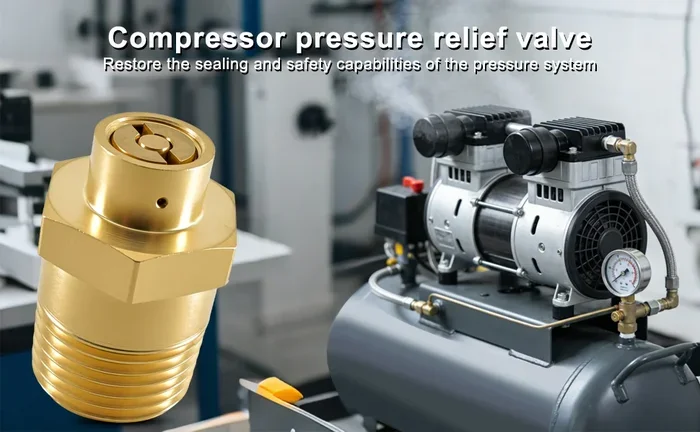
A pressure relief valve (PRV) is a simple but vital device. It sits on your compressor tank and monitors the air pressure inside. When the pressure hits a set limit, the valve opens and releases excess air. This prevents the tank from overpressurizing.
Think of it like a pressure cooker with a safety whistle. The whistle lets out steam before the pot explodes. A compressor relief valve does the same thing for your air tank. It is a small part that plays a huge role in compressor safety.
Most compressors come with a factory-installed valve. But not all of them are created equal. Some are built for light duty. Others handle heavy industrial use. Understanding what you have and what you need is the first step toward making the right choice.
How Does a Relief Valve Work?
The mechanism is straightforward. Inside the valve, a spring presses against a disc. As air pressure builds, it pushes against the spring. Once the pressure exceeds the spring’s force, the disc lifts. Air escapes through an exhaust port. When pressure drops back to a safe level, the spring pushes the disc closed again.
This cycle happens automatically. You do not need to do anything. The valve works 24/7 to keep your compressor tank pressure within safe limits. It is one of those parts you can forget about, until it matters most.
Why Your Pressure Relief Valve Matters
Some compressor owners treat the relief valve as an afterthought. That is a mistake. The valve is your last line of defense against overpressure. Here is why it deserves your attention.
Safety first. A compressor tank under too much pressure can rupture. That is not a drill. Tank explosions cause serious injuries and property damage every year. A properly functioning air compressor safety valve prevents this from happening.
Equipment protection. Excessive pressure wears out seals, gaskets, and hoses faster. It strains the motor and reduces the lifespan of your compressor. A correctly sized valve keeps everything running within the operating pressure range.
Regulatory compliance. Many workplaces and industries require overpressure protection by law. OSHA and other safety bodies set clear standards. Using the right valve keeps you compliant and avoids fines.
Signs Your Relief Valve May Be Failing
Watch for these warning signs. They could mean your valve is not working properly:
- Air leaking from the valve even when the compressor is off
- The valve releases pressure too early or too late
- Visible corrosion or damage on the valve body
- Difficulty adjusting or testing the valve
- Unusual noises coming from the tank area during operation
If you notice any of these issues, do not ignore them. A failing safety relief valve is a serious hazard. Replace it promptly or have it inspected by a professional.
Types of Pressure Relief Valves for Air Compressors
Not all relief valves are the same. Different types serve different purposes. Let us look at the most common options.
Spring-Loaded Relief Valves
The spring-loaded valve is the most common type. It uses a coiled spring to control the opening pressure. You can adjust the spring tension to set your desired PSI rating. These valves are simple, reliable, and affordable.
They work well for most residential and light commercial compressors. If you have a standard home workshop setup, a spring-loaded valve will likely meet your needs. They are easy to maintain and widely available.
Thermal Relief Valves
A thermal expansion valve responds to temperature changes, not just pressure. When the air inside the tank heats up, it expands. This can cause a pressure spike even if the compressor is not running. A thermal relief valve releases that extra pressure automatically.
These valves are especially useful in hot environments or for compressors that sit in direct sunlight. They are common in portable and RV air compressor setups. If you use your compressor outdoors in warm weather, a thermal valve adds an extra layer of protection.
Combination Valves
Some valves combine both spring-loaded and thermal relief functions. They offer dual protection against pressure and temperature spikes. These are ideal for heavy-duty applications or environments with wide temperature swings.
Combination valves cost a bit more, but they provide excellent peace of mind. If you run a busy workshop or use your compressor in tough conditions, this is the way to go.
How to Size the Right Relief Valve
Sizing matters. A valve that is too small will not release pressure fast enough. A valve that is too large may release pressure unnecessarily and waste energy. Here is how to get the sizing right.
Match the Valve to Your Compressor’s Maximum Pressure
Your relief valve should be rated for at least the maximum pressure your compressor produces. Check your compressor’s nameplate or manual for the maximum PSI. The valve’s rating should equal or exceed that number.
For example, if your compressor maxes out at 150 PSI, choose a valve rated for 150 PSI or higher. Never install a valve with a lower rating than your compressor’s maximum output. That defeats the entire purpose.
Consider the Flow Rate
The valve must be able to release air fast enough to prevent dangerous pressure buildup. Look at the flow capacity measured in cubic feet per minute (CFM). A valve with insufficient flow capacity will not protect your tank effectively.
As a general rule, choose a valve with a flow capacity that matches or exceeds your compressor’s output. This ensures the valve can keep up during heavy use.
Quick Tips for Sizing
- Always check your compressor manual for the recommended valve specifications
- When in doubt, go one size up rather than down
- Do not assume all valves are interchangeable between compressor brands
- Consult the manufacturer if you are unsure about sizing
Installation and Maintenance Tips
Installing a pressure relief valve is not complicated, but doing it right matters. A poor installation can render the valve ineffective. Follow these steps for a safe and proper setup.
Installation Steps
- Turn off the compressor and disconnect it from power.
- Drain the tank completely before starting any work.
- Locate the existing valve fitting on the tank. It is usually near the top.
- Remove the old valve carefully. Note the thread direction and any washers.
- Apply thread sealant to the new valve’s threads if needed.
- Install the new valve by hand first, then tighten with a wrench.
- Do not overtighten. This can crack the fitting or damage the valve.
- Test the valve by running the compressor and watching for proper release at the set pressure.
Maintenance Checklist
Regular maintenance keeps your relief valve in top shape. Here is a simple routine to follow:
- Inspect the valve monthly for leaks, corrosion, or damage
- Test the valve quarterly by running the compressor to its cut-off pressure
- Clean the exhaust port to prevent debris buildup
- Replace the valve every 2 to 3 years or sooner if you notice issues
- Keep spare valves on hand so you are never stuck with a failed safety device
A well-maintained valve can last for years. Neglecting it, on the other hand, is a risk you should not take. Compressor maintenance is not just about the pump and motor. Safety components like the relief valve deserve equal attention.
Common Mistakes to Avoid
Even experienced compressor users make mistakes with their pressure relief valves. Here are the most common ones and how to avoid them.
Installing the Wrong Valve
Not all valves fit all compressors. Thread size, pressure rating, and connection type vary. Installing the wrong valve can create a dangerous leak or fail to open at the right pressure. Always double-check compatibility before purchasing.
Ignoring Leaks
A small leak might seem harmless. But it is a sign that something is wrong. A leaking safety valve may not open properly when you need it most. Address leaks immediately. Tighten connections or replace worn seals as needed.
Blocking or Modifying the Valve
Some users try to “fix” a valve that releases too often by blocking it or adjusting it beyond its rated pressure. This is extremely dangerous. The valve exists for a reason. Never disable or modify your overpressure protection device.
Forgetting to Test Regularly
A valve that has never been tested may not work when you need it. Make testing part of your regular compressor maintenance routine. It takes just a few minutes and could save your equipment or your life.
Using a Damaged or Corroded Valve
Rust and corrosion weaken valve components over time. A corroded valve may stick open or fail to seal properly. Inspect your valve regularly and replace it at the first sign of damage. Do not take chances with a compromised safety device.
Expert Insights on Pressure Relief Valve Selection
We spoke with several compressor technicians to get their top advice on selecting the right pressure relief valve. Here is what the experts had to say.
Always go with quality over price. A cheap valve might save you a few dollars upfront, but it could fail when you need it most. Look for valves from reputable brands with clear PSI ratings and certifications.
Consider your environment. If you work in extreme heat or cold, a thermal relief valve or combination valve is a smart investment. Temperature swings affect air pressure in ways that standard spring-loaded valves may not handle well.
Keep your compressor manual handy. The manufacturer knows your machine best. They will specify the exact valve type, size, and pressure rating that works with your model. Following their guidance is the safest path forward.
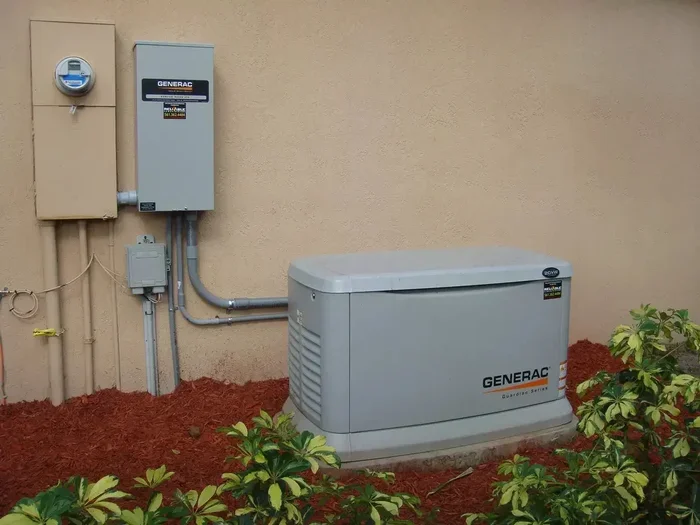
And one more thing from the pros: if you use your compressor with a generator, make sure your power setup matches your compressor’s requirements. Check out our guide on what size generator for 30 amp RV air conditioner if you are running compressor tools off a portable generator setup. Power compatibility matters for overall system safety.
Key Takeaways
- Pressure relief valves prevent dangerous overpressure situations by automatically releasing excess air from the tank.
- Spring-loaded and thermal relief valves are the two main types, each suited for different compressor setups and environments.
- Matching the valve PSI rating to your compressor’s maximum pressure is critical for safe and effective operation.
- Proper installation and regular maintenance extend the life of your valve and keep your compressor running smoothly.
- Common mistakes like wrong sizing or ignoring leaks can lead to costly damage or serious safety hazards.
- Always consult your compressor manual and follow manufacturer guidelines when selecting a relief valve.
Frequently Asked Questions
What PSI should my pressure relief valve be set to?
Your relief valve should be set to match or slightly exceed your compressor’s maximum rated pressure. Never set it below the compressor’s maximum PSI. Check your compressor’s nameplate or manual for the exact rating. Most residential compressors operate between 100 and 175 PSI.
Can I replace my pressure relief valve myself?
Yes, most relief valve replacements are straightforward DIY jobs. You will need basic tools and a compatible replacement valve. Just make sure to disconnect power and drain the tank before starting. If you are uncomfortable with any step, hire a professional.
How often should I test my relief valve?
Test your pressure relief valve at least once every three months. More frequent testing is better if you use your compressor daily. Simply run the compressor and watch for the valve to open at the correct pressure. If it does not release air or releases too early, it may need adjustment or replacement.
What happens if my relief valve fails?
A failed relief valve means your compressor has no overpressure protection. The tank can continue building pressure beyond safe limits. This can lead to tank rupture, equipment damage, and serious injury. Always replace a failed valve immediately and never run your compressor without a working relief valve.
Are all pressure relief valves the same thread size?
No, thread sizes vary between compressor models and brands. Common sizes include 1/4 inch NPT and 3/8 inch NPT. Check your compressor’s manual or measure the existing valve fitting before purchasing a replacement. Using the wrong thread size will cause leaks and improper sealing.
Can a pressure relief valve cause air loss when the compressor is running?
A small amount of air release during normal operation is normal. The valve may “bleed” slightly as pressure fluctuates near the set point. However, constant or heavy leaking indicates a problem. The valve may be improperly sized, damaged, or set to the wrong pressure. Inspect and address it promptly.
Conclusion
Your air compressor pressure relief valve is a small part with a massive responsibility. It protects your equipment, your workspace, and most importantly, you. Taking the time to choose the right valve, install it correctly, and maintain it regularly is one of the best investments you can make.
Remember to match the valve to your compressor’s maximum pressure and flow capacity. Consider your operating environment and choose the right type for your needs. Avoid common mistakes like ignoring leaks or using damaged components. And never underestimate the value of regular testing and maintenance.
A well-chosen pressure relief valve gives you peace of mind every time you fire up your compressor. It is one of those parts that you hope you never need, but will be incredibly glad to have when the moment comes. Take the advice in this guide, apply it to your setup, and enjoy safer, more efficient compressor operation for years to come.