Whole House Generator Guide Everything You Need to Know
A whole house generator keeps your home running during power outages by automatically powering your entire electrical system. This guide covers everything from sizing and fuel types to costs, installation, and maintenance tips. Whether you face frequent storms or just want peace of mind, you will find practical advice to make the right choice.
Key Takeaways
- Whole house generators provide automatic backup power for your entire home during outages.
- Choosing the right size depends on your home’s square footage and essential electrical needs.
- Natural gas and propane are the two most common fuel options, each with pros and cons.
- Professional installation and regular maintenance keep your whole house generator running safely.
- Expect to pay between $4,000 and $15,000+ depending on the model and installation complexity.
- An automatic transfer switch is essential for seamless power switching during outages.
- Regular testing and upkeep extend the lifespan of your generator significantly.
📑 Table of Contents
What Is a Whole House Generator?
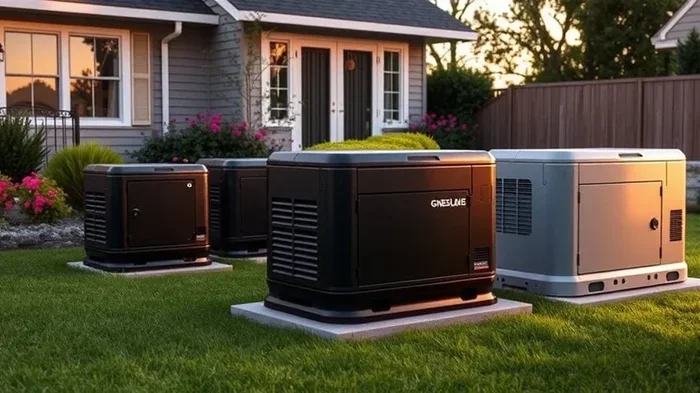
A whole house generator is a backup power system that automatically kicks in when your main power goes out. Unlike portable generators, these units are permanently installed outside your home and connected directly to your electrical panel. They keep your lights, fridge, HVAC system, and other essentials running without you lifting a finger.
Also known as standby generators, these machines come in various sizes. The right one depends on your home’s power needs, your budget, and how long outages typically last in your area. Think of it as insurance for your comfort and safety.
Most modern units run on natural gas or propane. Some can even switch between fuels. This flexibility gives homeowners more options when planning their backup power strategy. A whole house generator is a big investment, but the peace of mind it brings is hard to put a price on.
Why You Need a Whole House Generator
Power outages are more common than most people think. Storms, equipment failures, and grid overloads can knock out electricity for hours or even days. Without backup power, your food spoils, your pipes can freeze, and your home becomes uncomfortable fast.
A whole house generator solves all of these problems. It keeps your refrigerator running so food stays fresh. It powers your heating or cooling system so your family stays safe in extreme weather. It even keeps your internet and security systems online.
Protect Your Home and Family
When the power goes out, many household systems stop working. Sump pumps fail, which can lead to basement flooding. Security cameras go dark. Medical devices that depend on electricity become useless. A standby generator prevents all of these risks.
For families with elderly members or young children, reliable power is even more critical. Temperature extremes can be dangerous. A whole house generator ensures your home stays safe and comfortable no matter what happens with the grid.
Save Money in the Long Run
You might think a generator is expensive. And yes, the upfront cost is significant. But consider the alternative. A single outage can cause thousands of dollars in damage. Spoiled food, burst pipes, and property damage add up fast.
Plus, homes with standby generators often sell for more. Buyers love the idea of never worrying about power loss. A whole house generator can actually increase your property value while protecting it at the same time.
How to Choose the Right Size
Sizing is one of the most important decisions you will make. A unit that is too small will not power everything you need. One that is too big wastes money and fuel. Getting the size right means understanding your home’s power demands.
Start by making a list of the essential appliances and systems you want to keep running. Add up their wattage. Then add a buffer of about 20 percent for safety. This gives you a solid baseline for choosing the right whole house generator size.
Common Size Ranges
Most homes need a generator between 7,000 and 24,000 watts. Smaller homes with basic needs can get by on 7,000 to 10,000 watts. Medium homes typically require 12,000 to 16,000 watts. Larger homes with central air and multiple electric systems may need 20,000 watts or more.
Keep in mind that some appliances draw extra power when starting up. Your AC unit, for example, needs a surge of power to kick on. Factor this into your calculations. If you are unsure, a professional electrician can help you determine the right size for your home.
Whole House vs. Partial Power
Some homeowners choose to power only essential circuits. This approach uses a smaller generator and costs less upfront. You would keep your fridge, lights, and furnace running but skip non-essential items like the entertainment system or workshop tools.
Others prefer full whole-home coverage. This means every outlet and appliance works as if the power never went out. The choice depends on your budget and how you use your home. A whole house generator gives you the freedom to choose either approach.
Fuel Types for Whole House Generators
The fuel your generator uses affects everything from operating costs to runtime. Most whole house generators run on one of two fuels: natural gas or propane. Each has its own advantages and trade-offs.
Natural Gas Generators
Natural gas is the most popular fuel for standby generators. It connects directly to your home’s gas line, so you never run out of fuel. This is a huge advantage during long outages. You also do not need to store fuel on your property.
Natural gas burns cleaner than propane, which means less maintenance over time. It is also generally cheaper per unit of energy. However, natural gas service can sometimes be disrupted during severe storms, which is worth keeping in mind.
Propane Generators
Propane is stored in tanks on your property. You control how much fuel you have, which gives you independence from utility lines. Propane also burns hot and provides excellent runtime. Many homeowners in rural areas prefer propane because natural gas lines are not available.
The downside is that you need to monitor your tank levels and refill them when needed. Propane is also slightly more expensive than natural gas in many areas. A dual-fuel whole house generator lets you use both fuels, giving you the best of both worlds.
Diesel and Other Fuels
Diesel generators exist but are less common for residential use. They are more common in commercial settings. Some newer models can run on biodiesel or other alternative fuels. For most homeowners, natural gas or propane is the way to go.
If you want to understand how much fuel your generator actually uses, check out our guide on how much natural gas a generator uses. It provides detailed estimates based on generator size and runtime.
Installation and Setup
Installing a whole house generator is not a DIY project for most homeowners. It requires professional expertise to ensure safety and proper electrical connections. A licensed electrician or certified installer should handle the job from start to finish.
What the Installation Process Looks Like
First, the installer assesses your home’s electrical panel and gas or propane connections. They determine the best location for the unit, usually on a concrete pad outside your home. The generator is then placed, connected, and wired to your electrical system through an automatic transfer switch.
The transfer switch is a critical component. It detects power loss and switches your home to generator power automatically. This happens within seconds, so you barely notice the outage. Once utility power returns, the switch transfers your home back seamlessly.
Permits and Local Codes
Most areas require permits for generator installation. Your installer should handle this for you. They will also ensure the setup meets local building codes and safety standards. Never skip this step. Proper permits protect you legally and ensure your system is safe.
If you are curious about testing your generator after installation, our generator testing guide covers everything you need to know. Regular testing is essential for keeping your system reliable when you need it most.
Cost of a Whole House Generator
The cost of a whole house generator varies widely based on size, fuel type, and brand. On average, homeowners spend between $4,000 and $15,000 for the unit and installation combined. Smaller generators start around $4,000, while large whole-home systems can exceed $20,000.
Here is a rough breakdown of what to expect:
- Small generators (7,000-10,000 watts): $4,000 to $7,000 installed
- Medium generators (12,000-16,000 watts): $7,000 to $12,000 installed
- Large generators (20,000+ watts): $12,000 to $20,000+ installed
These numbers include the unit, the transfer switch, the concrete pad, and professional installation. Fuel costs are separate and depend on how often you use the generator and local utility prices.
Factors That Affect Cost
Several things influence the final price. The brand and model matter a lot. Premium brands cost more upfront but often last longer and run more efficiently. The complexity of installation also plays a role. If your home needs electrical panel upgrades or new gas lines, expect to pay more.
Installation location matters too. If your home is far from the gas main or electrical panel, the installer may need extra materials and labor. Always get multiple quotes from licensed professionals before making a decision. And remember, a whole house generator is an investment that pays for itself over time.
Maintenance Tips for Longevity
A standby generator is like a car. It needs regular care to run its best. Neglecting maintenance can lead to breakdowns when you need the unit most. A simple maintenance routine keeps your generator ready for action year after year.
Monthly and Seasonal Checks
Run your generator under load for at least 30 minutes each month. This keeps the engine lubricated and the battery charged. Check the fuel lines and connections for leaks or wear. Inspect the unit for any visible damage or debris buildup.
Before storm season, give your generator a more thorough check. Change the oil and filter. Test the automatic transfer switch. Make sure the fuel tank or line is full and ready. These simple steps go a long way toward preventing problems.
Annual Professional Service
Schedule a professional inspection at least once a year. A technician will check the electrical connections, test the voltage output, and inspect the internal components. They can catch small issues before they become expensive repairs.
Keeping up with maintenance also extends your warranty coverage. Most manufacturers require proof of regular service. If you want to learn more about how long your generator components last, our article on how long a generator battery lasts offers helpful insights on component lifespans.
Common Mistakes to Avoid
Buying and installing a whole house generator comes with a few common pitfalls. Avoiding these mistakes saves you time, money, and frustration.
- Undersizing the generator: Many homeowners buy a unit that is too small. This leads to overloads and potential damage to both the generator and your appliances.
- Skipping the transfer switch: Never connect a generator directly to your home’s wiring without a transfer switch. It is dangerous and violates electrical codes.
- Ignoring fuel storage: If you use propane, make sure you have enough stored fuel for extended outages. Do not wait until the tank is nearly empty to refill.
- Neglecting maintenance: Skipping oil changes and inspections leads to premature failure. Stick to a regular maintenance schedule.
- Choosing the wrong installer: Always hire a licensed and experienced professional. Cheap installation often leads to costly problems down the road.
Take your time with the decision. Research different brands and models. Read reviews. Talk to neighbors who have standby generators. The right choice today saves you from headaches tomorrow.
Final Thoughts
A whole house generator is one of the best investments you can make for your home. It keeps your family safe, your appliances running, and your comfort intact during power outages. From choosing the right size to picking the fuel type and staying on top of maintenance, this guide has covered the essentials.
Do not wait until the next storm to think about backup power. Start planning now. Get quotes from local installers, understand your home’s power needs, and choose a system that fits your budget and lifestyle. The right generator gives you confidence that your home will keep running no matter what.
If you are exploring other generator options, our article on electrical generators provides a broader overview of generator types and uses. And for those considering backup power capacity, our guide on how big of a backup generator do I need helps you calculate the right size with confidence.
Take action today. Your future self will thank you when the lights stay on while everyone else is in the dark.
Frequently Asked Questions
How long does a whole house generator last?
With proper maintenance, a whole house generator can last 25 to 30 years or more. The engine and alternator are built for heavy-duty, long-term use. Regular oil changes, annual inspections, and monthly test runs all contribute to a longer lifespan.
Can a whole house generator power my entire home?
Yes, that is exactly what a whole house generator is designed to do. However, the size you choose determines how much of your home it can power. Larger units handle everything, while smaller ones may need you to prioritize essential circuits.
How much does it cost to run a whole house generator per day?
Operating costs depend on the fuel type and load. A natural gas whole house generator typically costs $20 to $50 per day to run. Propane models may cost slightly more depending on tank size and local fuel prices. Check our guide on natural gas generator fuel usage for detailed estimates.
Do I need a permit to install a whole house generator?
In most areas, yes. Permits ensure the installation meets local building and safety codes. Your professional installer typically handles the permit process. Always verify local requirements before starting the project.
What is the difference between a portable generator and a whole house generator?
A portable generator is movable and powers a few appliances at a time. A whole house generator is permanently installed and automatically powers your entire home during an outage. Standby generators are more expensive but far more convenient and safer.
How often should I test my whole house generator?
You should run your generator under load for at least 30 minutes every month. Most modern units have automatic weekly test cycles built in. This keeps the engine and battery in good working order so the system is ready when you need it most.