Common Signs Of a Bad Compressor You Should Never Ignore
A bad compressor can shut down your entire cooling or pneumatic system fast. Knowing the early warning signs saves you money, stress, and unexpected breakdowns. This guide covers the most common compressor symptoms, why they fail, and what you can do about it. Whether you deal with an AC unit or industrial equipment, these tips will help you act before small problems become big expenses.
You rely on your compressor every single day. Whether it powers your air conditioning, your workshop tools, or your industrial production line, a bad compressor can bring everything to a grinding halt. The problem is that compressors rarely give you a clear warning. Instead, they show subtle signs that most people ignore until it is too late.
That is exactly why this guide exists. We are going to walk you through every common sign of a bad compressor in plain, simple language. You will learn what to listen for, what to watch for, and what steps to take next. By the end, you will know exactly how to protect your system and avoid costly compressor failure. Let us get into it.
Key Takeaways
- Unusual noises: Grinding, rattling, or screeching sounds often signal a failing compressor.
- Warm air output: If your system blows warm air, the compressor may be struggling.
- Frequent cycling: A compressor that turns on and off too often is under stress.
- Overheating: Excessive heat is one of the most overlooked signs of compressor trouble.
- High energy bills: A bad compressor works harder, which drives up electricity costs.
- Refrigerant leaks: Low refrigerant levels put extra strain on the compressor motor.
- Early action matters: Catching problems early can extend compressor lifespan and save hundreds in repair costs.
📑 Table of Contents
What Does a Compressor Actually Do?
Before we dive into the warning signs, it helps to understand the basics. A compressor is the heart of any cooling system or pneumatic setup. It pressurizes refrigerant gas or air, which allows the system to cool, power tools, or run industrial processes.
Think of it like your heart pumping blood. When your heart works well, everything flows smoothly. But when something goes wrong, the whole body feels it. The same principle applies to your HVAC compressor or any compressed air system. A healthy compressor runs quietly and steadily. A bad compressor starts sending out distress signals almost immediately.
Most compressors last between 10 and 15 years with proper care. However, poor maintenance, electrical problems, or refrigerant issues can shorten that compressor lifespan dramatically. Understanding what a compressor does helps you spot problems faster. And that is exactly what the next section covers.
Common Signs Of a Bad Compressor
Here is the part you came for. These are the most common compressor symptoms that tell you something is wrong. Do not wait for more than one of these signs to appear. The earlier you catch a problem, the easier and cheaper the fix will be.
1. Strange Noises Coming From the Unit
Your compressor should run quietly. If you hear grinding, rattling, screeching, or banging, something is definitely wrong. These abnormal compressor sounds are not normal. They usually mean internal parts are worn out or loose.
For example, a grinding noise often points to a failing compressor motor. Rattling could mean a broken compressor clutch or loose internal components. Screeching sounds may indicate that the compressor capacitor is struggling to start the unit.
Quick Tip: Turn off the unit immediately if you hear loud, unusual noises. Running a damaged compressor can cause even more compressor damage and increase your compressor replacement cost significantly.
2. Warm Air Blowing From Vents
This is one of the most obvious compressor symptoms. If your AC or cooling system is blowing warm or lukewarm air, the compressor is likely not doing its job. The compressor is responsible for pressurizing the refrigerant, which is what makes the air cold.
When the compressor fails, the refrigerant cannot circulate properly. As a result, your system pulls in warm air and blows it right back out. Sometimes the air feels slightly cool at first, then quickly turns warm. This pattern is a classic sign of a bad compressor.
Before you assume the worst, check your air filter and thermostat. Those simple fixes sometimes solve the problem. But if everything else looks fine, the compressor is the likely culprit.
3. Frequent On-and-Off Cycling
All compressors cycle on and off during normal operation. However, a healthy unit cycles infrequently and runs in long, steady stretches. If your compressor is turning on and off every few minutes, this is called short cycling.
Short cycling puts enormous stress on the compressor motor. It wears out parts faster and uses more electricity. Common causes include low refrigerant levels, a clogged filter, or an overheating unit. No matter the cause, frequent cycling is a red flag that should not be ignored.
Quick Tip: Watch your unit for 15 minutes. Count how many times it turns on and off. If it cycles more than 4 or 5 times in that window, call a technician to inspect the compressor clutch and overall system health.
4. Overheating and Burning Smells
Compressors generate heat during normal operation. But there is a big difference between warm and dangerously hot. If your unit feels extremely hot to the touch or you smell something burning, shut it off right away.
Overheating often happens when the compressor is working too hard. This can be caused by dirty condenser coils, blocked airflow, or low refrigerant levels. Electrical problems inside the compressor motor can also trigger overheating.
Ignoring overheating leads to a complete compressor failure. In many cases, an overheated compressor cannot be repaired and must be replaced entirely. That is why catching this sign early is so important.
5. Rising Energy Bills Without Explanation
Have you noticed your electricity bill creeping up for no clear reason? A bad compressor is one of the hidden causes of high energy costs. When a compressor struggles to start or runs inefficiently, it draws more power than it should.
Your system has to work harder to produce the same cooling or pressure output. That extra effort translates directly into higher energy consumption. Over weeks and months, this adds up to a significant increase in your utility bills.
Quick Tip: Compare your current energy usage to the same month last year. If your bill is noticeably higher and you have not changed your usage habits, have your cooling system inspected for compressor problems.
6. Refrigerant Leaks Around the Unit
Refrigerant is the lifeblood of any AC compressor. It absorbs heat from the air and carries it outside. When there is a refrigerant leak, the compressor has to work overtime to compensate for the lost refrigerant.
You may notice oily residue, frost buildup, or hissing sounds near the compressor unit. These are telltale signs of a refrigerant leak. Low refrigerant not only damages the compressor but also reduces the overall efficiency of your cooling system.
Never try to fix a refrigerant leak yourself. Refrigerants require special handling and certification. Always call a licensed professional to diagnose and repair the leak safely.
7. The Compressor Will Not Start at All
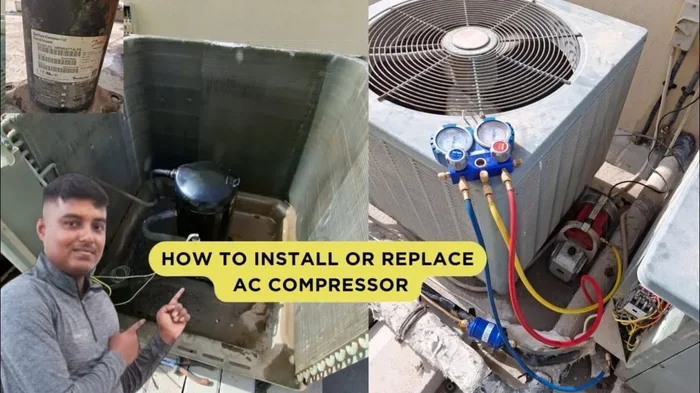
Sometimes a bad compressor just refuses to turn on. This can happen suddenly or gradually over time. If you press the power button and hear nothing, or if the unit clicks but does not start, the compressor is the most likely cause.
A failed compressor capacitor is a common reason for this problem. The capacitor provides the electrical boost needed to start the motor. When it goes bad, the compressor cannot kick on. Other causes include electrical wiring issues, a tripped breaker, or a seized compressor motor.
Quick Tip: Check your circuit breaker first. If the breaker has not tripped and the unit still will not start, do not keep trying to power it on. Repeated attempts can cause further electrical issues and worsen the damage.
Why Do Compressors Fail?
Understanding the root causes of compressor failure helps you take preventive action. Most compressor problems are not random. They develop over time due to neglect, wear, or specific operating conditions.
Lack of Regular Maintenance
This is the number one reason compressors fail prematurely. Dirty coils, clogged filters, and low refrigerant levels all put extra strain on the unit. A simple compressor maintenance schedule can prevent most of these issues. At minimum, have a professional inspect your system once a year.
Refrigerant Problems
Too much or too little refrigerant both cause serious problems. Overcharged systems create excessive pressure. Undercharged systems force the compressor to overwork. Either scenario accelerates wear and can lead to premature compressor damage.
Electrical Issues
Power surges, faulty wiring, and aging electrical components all threaten compressor health. The compressor capacitor and contactor are especially vulnerable to electrical wear. These small but critical parts fail over time and can take the entire compressor down with them.
Contamination and Debris
Dirt, dust, moisture, and debris can enter the compressor system. This contamination causes corrosion, blocks airflow, and degrades internal components. Keeping the area around your outdoor unit clean and free of obstructions goes a long way toward preventing compressor overheating and contamination-related failure.
How to Prevent Compressor Problems
Prevention is always cheaper than repair. Here are practical steps you can take to protect your compressor and extend its compressor lifespan.
- Schedule annual professional inspections. A trained technician can catch small problems before they become big expenses.
- Replace or clean your air filters regularly. Clogged filters restrict airflow and force the compressor to work harder.
- Keep the outdoor unit clean. Remove leaves, dirt, and debris from around the condenser coil at least twice a year.
- Monitor your refrigerant levels. If your system needs frequent recharging, you likely have a slow leak that needs professional attention.
- Install a surge protector. Power surges are one of the leading causes of compressor motor failure. A surge protector adds an affordable layer of protection.
- Pay attention to early warning signs. Unusual noises, warm air, or higher energy bills should never be ignored.
These simple habits make a huge difference. A well-maintained compressor runs more efficiently, lasts longer, and saves you money on energy costs and repairs. Think of compressor maintenance as an investment, not an expense.
Compressor Repair vs Replacement
When your compressor breaks down, you face a tough decision: repair it or replace it? The answer depends on several factors, including the age of the unit, the nature of the problem, and your budget.
In general, if your compressor is less than 8 years old and the repair cost is under $1,000, fixing it makes sense. However, if the unit is older than 12 years or the compressor replacement cost exceeds the value of the repair, a full replacement is usually the better choice.
Here is a simple comparison to help you decide:
- Repair is worth it when: The unit is relatively new, the problem is minor, and the repair cost is reasonable.
- Replacement is the better option when: The unit is old, the compressor has suffered major compressor damage, or repeated repairs are adding up to more than a new unit would cost.
A professional HVAC technician can give you an honest assessment of your situation. Do not let anyone pressure you into an unnecessary replacement. Get a second opinion if you are unsure.
When to Call a Professional
Some compressor problems are DIY-friendly, but most are not. You should call a licensed professional whenever you suspect serious compressor failure. Here are situations where professional help is essential:
- Refrigerant leaks: These require specialized tools and certifications to handle safely.
- Electrical problems: Working inside a compressor unit involves live electrical components that can be dangerous.
- Complete compressor failure: If the unit will not turn on at all, a professional has the diagnostic equipment to pinpoint the exact cause.
- Unusual vibrations or noises: These often indicate internal mechanical damage that requires expert inspection.
Trying to fix a serious compressor problem without the right skills can make things worse. It can also void your warranty. When in doubt, always call a trusted professional. The peace of mind is well worth the cost of the service call.
To sum up, your compressor works hard every day to keep your home cool or your operations running smoothly. The common signs of a bad compressor are there for a reason. They are your system’s way of telling you it needs attention. Listen to those signals. Act quickly. And invest in regular compressor maintenance to keep everything running smoothly for years to come. Your compressor, your wallet, and your comfort will all thank you for it.
Frequently Asked Questions
Can I still use my system if the compressor is bad?
You can, but you should not. Running a bad compressor causes further damage and drives up energy costs. In most cases, it will stop cooling or producing pressure altogether, leaving you without the service you need. Turn it off and schedule a repair or replacement as soon as possible.
How much does it cost to replace a compressor?
The compressor replacement cost typically ranges from $800 to $2,500 for residential AC units. Industrial compressors can cost significantly more. The final price depends on the type of compressor, the brand, and local labor rates. Always get a detailed quote before committing to any work.
How long do compressors usually last?
Most compressors last between 10 and 15 years with proper care. However, a bad compressor can fail much earlier if it is poorly maintained or exposed to harsh conditions. Regular compressor maintenance is the best way to maximize your unit’s lifespan.
What causes a compressor to overheat?
Common causes include dirty condenser coils, blocked airflow, low refrigerant levels, and electrical problems. Overheating puts extreme stress on the compressor motor and can lead to permanent compressor damage if not addressed quickly.
Is a refrigerant leak the same as a bad compressor?
No, but they are closely related. A refrigerant leak causes the compressor to work harder, which can eventually lead to compressor failure. Low refrigerant levels are one of the most common causes of compressor problems. Always address leaks promptly to protect your compressor.
Can I prevent compressor failure altogether?
You cannot prevent every issue, but regular maintenance dramatically reduces the risk of compressor failure. Simple steps like cleaning filters, checking refrigerant levels, and scheduling annual inspections go a long way. Prevention is always more affordable than dealing with a bad compressor after the damage is done.
=== CONCLUSION ===
A bad compressor is one of those problems that sneaks up on you. By the time the symptoms become obvious, the damage may already be significant. That is why staying alert to the warning signs is so important. From unusual noises and warm air to rising energy bills and overheating, your compressor gives you plenty of clues when something is wrong.
Take action at the first sign of trouble. Do not wait for a complete compressor failure to decide it is time to call for help. Regular maintenance, prompt repairs, and smart monitoring can extend your compressor’s life and save you from expensive surprises. Your system works hard for you every day. Give it the care and attention it deserves, and it will keep running strong for years to come.