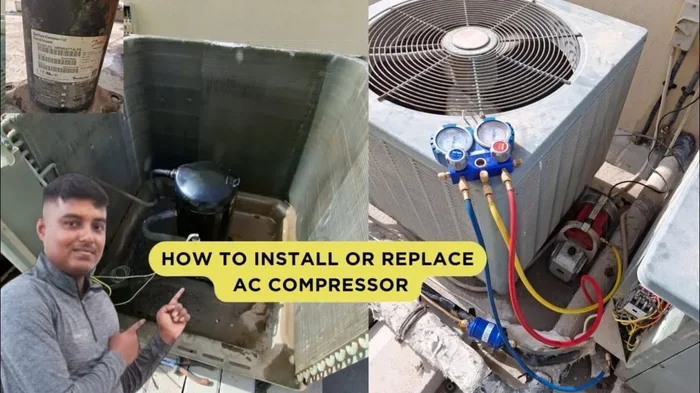
How Much Does It Cost to Replace a Compressor in AC Unit
The cost to replace compressor in AC unit typically ranges from $1,000 to $3,000 for parts and labor combined. Several factors influence this price, including the type of compressor, the size of your system, and where you live. Understanding these costs helps you make informed decisions about whether to repair or replace your entire unit. This guide breaks down every expense so you know exactly what to expect.
Dealing with a broken air conditioning compressor is never fun. The heat feels unbearable, and the repair bill can make your stomach drop. If you have been searching for the cost to replace compressor in AC unit, you are in the right place. This guide covers everything you need to know about pricing, factors, and what to expect during the replacement process.
Whether you own a central air conditioner or a ductless mini-split system, the compressor plays a critical role in keeping your home cool. When it fails, the entire cooling system repair process becomes your top priority. Understanding the AC compressor replacement cost before you commit to a repair helps you budget wisely and avoid surprises.
The good news is that you do not have to guess what you will pay. In this article, we break down the average costs, the factors that change the price, and practical tips to save money. By the end, you will feel confident making the best decision for your home and your wallet.
Key Takeaways
- Average Cost Range: Most homeowners pay between $1,000 and $3,000 to replace an AC compressor.
- Labor Makes Up a Big Portion: Expect to pay $500 to $1,500 for professional labor alone.
- Compressor Type Matters: Scroll, reciprocating, and rotary compressors each have different price points.
- Warranty Can Save You Money: Many newer units come with compressor warranties that cover replacement costs.
- Full Replacement May Be Better: If your unit is over 10 years old, replacing the whole system might cost less long-term.
- Regular Maintenance Helps Prevent Failures: Simple upkeep can extend compressor life by several years.
- Get Multiple Quotes: Comparing estimates from licensed HVAC professionals ensures you get a fair price.
📑 Table of Contents
- What Is an AC Compressor and Why Does It Matter?
- Average Cost to Replace a Compressor in AC Unit
- Factors That Affect Compressor Replacement Cost
- Signs Your AC Compressor Needs Replacement
- Compressor Replacement vs. Full AC Unit Replacement
- Tips to Save Money on Compressor Replacement
- How Long Does the Compressor Replacement Process Take?
- How to Maintain Your AC Compressor for Long-Term Performance
- Conclusion
What Is an AC Compressor and Why Does It Matter?
The compressor is the heart of your HVAC system. It pumps refrigerant through the lines, allowing your unit to absorb heat from inside your home and release it outside. Without a working compressor, your air conditioner simply cannot cool your space.
Think of the compressor as the engine of your cooling system. Just like a car engine, it works hard every day during the hot months. Over time, wear and tear can cause the compressor motor to fail. When that happens, you need to act fast to prevent further damage to the condenser unit or the evaporator coil.
Most central air conditioner systems use either a scroll compressor or a reciprocating compressor. Scroll compressors tend to be quieter and more reliable, while reciprocating compressors are common in older units. The type of compressor you have affects both the compressor replacement price and the complexity of the installation.
How the Compressor Affects Energy Efficiency
A healthy compressor keeps your energy efficiency high. When the compressor struggles, your unit runs longer and uses more electricity. This drives up your monthly bills and puts extra strain on the entire HVAC system. Replacing a worn compressor can restore your system’s performance and lower your home cooling costs significantly.
Modern compressors are designed to operate at variable speeds, which means they adjust their output based on cooling demand. This technology, often found in units with a high SEER rating, delivers consistent comfort while using less energy. When the compressor fails, you lose this efficiency and your air conditioner maintenance costs go up.
Average Cost to Replace a Compressor in AC Unit
The cost to replace compressor in AC unit varies widely depending on several factors. Most homeowners spend between $1,000 and $3,000 for parts and labor combined. However, the final number can fall outside this range based on your specific situation.
| Component | Low Cost | Average Cost | High Cost |
|---|---|---|---|
| Compressor Part Only | $400 | $800 | $1,500 |
| Labor for Installation | $500 | $1,000 | $1,500 |
| Total Replacement Cost | $1,000 | $2,000 | $3,000 |
| Full AC Unit Replacement | $3,000 | $5,500 | $10,000 |
As you can see from the table above, replacing just the compressor is usually the more affordable option. However, a professional HVAC compressor repair specialist will help you determine whether a compressor-only replacement makes sense for your system.
Breakdown of Compressor Replacement Costs
The compressor part itself typically costs between $400 and $1,500. Scroll compressors generally cost more than reciprocating ones because of their superior durability. The compressor replacement price also depends on the brand and model of your unit. Premium brands like Carrier, Trane, and Lennox often charge more for replacement parts, but they also tend to last longer.
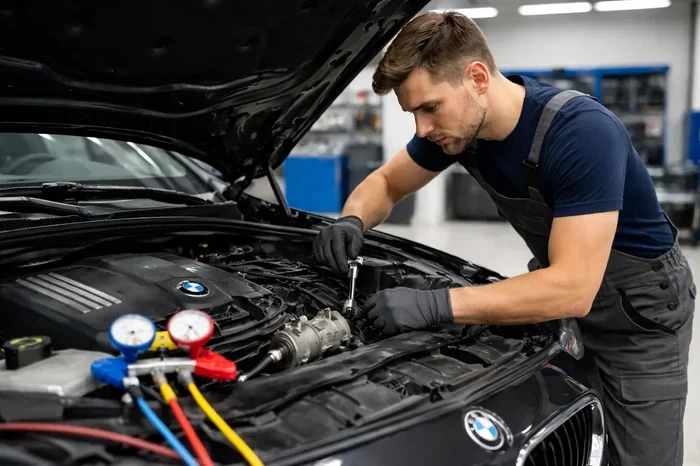
Labor charges usually range from $500 to $1,500. A certified technician needs to evacuate the system, remove the old compressor, install the new one, and recharge the refrigerant. This process requires specialized tools and expertise, which is why labor costs are significant. If your unit is located in a hard-to-reach area, such as a tight attic or crawl space, labor costs may increase further.
If your unit also needs new refrigerant lines or a capacitor, the total bill will increase. Always ask for a detailed AC repair estimate before approving any work. A reputable technician will walk you through every line item so there are no hidden fees. Do not hesitate to ask questions about what is included in the quote.
Factors That Affect Compressor Replacement Cost
Many variables influence the final cost to replace compressor in AC unit. Understanding these factors helps you anticipate expenses and avoid unexpected charges. Let us walk through the most important ones.
Type and Size of Your AC Unit
Larger units require more refrigerant and bigger compressors, which increases the part cost. A small window unit might use a compressor that costs $300, while a central system for a large home could need a compressor priced at $1,500 or more. The SEER rating of your system also plays a role. Higher SEER units use more advanced compressor technology, which raises the replacement cost.
The size of your home matters too. A two-bedroom apartment needs a much smaller compressor than a five-bedroom house. Getting the right size ensures your system runs efficiently without wasting energy. An oversized or undersized unit will struggle and wear out faster.
Age of Your Current System
Older units often use discontinued compressor models. Finding a compatible replacement can be challenging and expensive. Technicians may need to adapt the new compressor, which adds labor time and cost. If your system is over 10 years old, a full unit replacement might actually be more cost-effective than a compressor swap.
Units that use R-22 refrigerant are another concern. This refrigerant has been phased out due to environmental regulations, making it increasingly expensive. If your older unit relies on R-22, replacing the compressor may not be the most practical choice.
Geographic Location
Where you live affects labor rates and parts availability. In major metropolitan areas, HVAC technicians charge higher hourly rates. Rural areas may have fewer qualified technicians, which can also drive up the price. Seasonal demand plays a role too. During peak summer months, cooling system repair services often charge premium rates because everyone needs help at once.
Climate also matters. Homes in extremely hot climates run their AC systems more frequently, which can accelerate compressor wear. If you live in a hot, humid region, your compressor works harder and may need replacement sooner than in a milder climate.
Warranty Coverage
Many modern compressors come with a compressor warranty that lasts 5 to 10 years. If your unit is still under warranty, the manufacturer may cover the part cost entirely. Check your warranty documentation before scheduling a replacement. Some extended warranties also cover labor, which can save you hundreds of dollars.
Keep in mind that warranties often require proof of regular seasonal maintenance. If you have not kept up with annual inspections, the manufacturer may deny your claim. Always maintain your records and schedule routine service to protect your warranty.
Additional Repairs Needed
Sometimes a compressor failure signals deeper problems. A refrigerant leak, electrical issues, or clogged coils may have contributed to the breakdown. If your technician discovers additional damage during the replacement process, the total bill will rise. Always ask the technician to inspect the entire system before they begin work.
For example, if a refrigerant leak has damaged the evaporator coil, you will need to replace that component as well. Addressing all issues at once prevents repeat repairs and saves money in the long run.
Signs Your AC Compressor Needs Replacement
Catching compressor problems early can save you from a complete system failure. Watch for these warning signs that indicate your air conditioning compressor may need replacement.
Unusual Noises from the Outdoor Unit
Grinding, clanking, or screeching sounds coming from the condenser unit are red flags. These noises often mean the internal components of the compressor are wearing out. Ignoring them can lead to a total compressor seizure, which requires immediate replacement. A compressor motor that makes grinding noises is usually beyond repair.
Warm Air Blowing From Vents
If your central air conditioner blows warm air even when the thermostat is set low, the compressor may not be pumping refrigerant properly. This is one of the most common compressor failure symptoms homeowners notice. A professional inspection can confirm whether the compressor is the culprit.
Frequent Cycling or Tripping Breakers
A failing compressor draws more electricity than it should. This can cause your circuit breaker to trip repeatedly. If you notice your system turning on and off frequently, the compressor motor may be struggling. This not only affects comfort but also increases your home cooling costs and risks electrical hazards.
Ice Buildup on the Unit
Ice forming on the refrigerant lines or the outdoor unit often points to low refrigerant levels caused by a leak. When the refrigerant drops too low, the compressor overheats. Running the system in this state can destroy the compressor entirely, making timely HVAC compressor repair essential. If you notice ice buildup, turn off the system and call a professional immediately.
Compressor Replacement vs. Full AC Unit Replacement
One of the biggest decisions homeowners face is whether to replace just the compressor or the entire unit. Both options have pros and cons that depend on your specific situation.
When Compressor-Only Replacement Makes Sense
If your unit is less than 10 years old and the rest of the system is in good shape, replacing the compressor is usually the smarter choice. The AC compressor replacement cost is significantly lower than a full unit swap. You also avoid the hassle of reinstalling ductwork or updating your thermostat.
Additionally, if your current unit has a high SEER rating and meets modern energy efficiency standards, keeping it with a new compressor makes financial sense. You get a fresh compressor with a new warranty while preserving the efficiency of your existing system. This is especially true if your unit uses a reliable compressor brand with a strong track record.
When Full Unit Replacement Is the Better Option
If your unit is over 10 years old or uses R-22 refrigerant (which has been phased out), replacing the entire system is often the better long-term investment. Older units are less efficient and more prone to repeated breakdowns. A new air conditioner maintenance-friendly system will save you money on energy bills and reduce the need for future seasonal maintenance.
Some homeowners also consider whether a backup power source would help protect their investment. If you are exploring options like a backup generator, check out the home generator cost to see if adding one fits your budget. Having a generator can keep your HVAC system running during power outages and extend the life of your compressor.
Another consideration is the what size generator to run a house when planning for backup power. A properly sized generator ensures your cooling system keeps running during emergencies without overloading the electrical system.
Tips to Save Money on Compressor Replacement
Nobody wants to overspend on an AC repair. These practical tips can help you reduce the cost to replace compressor in AC unit without sacrificing quality.
Get Multiple Quotes
Always request at least three detailed quotes from licensed HVAC professionals. Compare not just the total price but also what is included in each estimate. Some contractors include a compressor warranty with their quote, while others charge extra for warranty coverage. Reading reviews and checking licensing credentials helps you find a trustworthy technician.
Schedule Off-Season Service
HVAC companies often lower their rates during spring and fall when demand is lower. Scheduling your replacement during these months can save you 10 to 20 percent on labor costs. Plus, your system will be ready to handle the summer heat before it arrives. Pro tip: book your appointment in late winter or early spring for the best rates.
Maintain Your System Regularly
Prevention is the best way to avoid expensive repairs. Changing your filters regularly, cleaning the coils, and scheduling annual tune-ups can extend your AC compressor lifespan by several years. Simple air conditioner maintenance habits go a long way toward preventing compressor failure symptoms.
Here are a few quick maintenance habits to follow:
- Replace or clean your filters every 1 to 3 months.
- Keep vegetation trimmed at least two feet away from the outdoor unit.
- Check your thermostat batteries quarterly.
- Listen for unusual sounds during regular operation.
Consider a Maintenance Plan
Many HVAC companies offer maintenance plans that cover annual inspections and discounted repair rates. These plans often pay for themselves after just one service call. They also give you peace of mind knowing that a professional will monitor your HVAC system regularly.
Explore Generator Backup Options
Power surges and outages can damage your compressor. If you live in an area prone to electrical issues, investing in a backup generator can protect your HVAC system. Understanding the right setup is important, and learning how to wire a generator to a breaker box safely is a critical step before installation. Proper wiring prevents electrical damage and keeps your system running smoothly during outages.
How Long Does the Compressor Replacement Process Take?
Most compressor replacements take between 4 and 8 hours to complete. The exact timeframe depends on the complexity of the job and the accessibility of the unit.
On the first day, the technician evacuates the refrigerant, removes the old compressor, and installs the new one. On the second day (if needed), they recharge the system with refrigerant and test everything for proper operation. Some straightforward replacements can be finished in a single day.
It is important to hire a licensed and experienced technician for this job. Improper installation can void your warranty and lead to premature compressor motor failure. Always verify that the contractor is insured and certified before signing any agreement. A professional will also handle refrigerant disposal according to environmental regulations, which is an important and often overlooked part of the process.
How to Maintain Your AC Compressor for Long-Term Performance
Once your new compressor is installed, proper maintenance keeps it running smoothly for years. Here are the best practices for long-term air conditioner maintenance.
- Change Filters Every 1 to 3 Months: Dirty filters restrict airflow and force the compressor to work harder. This simple habit reduces strain and prevents premature wear.
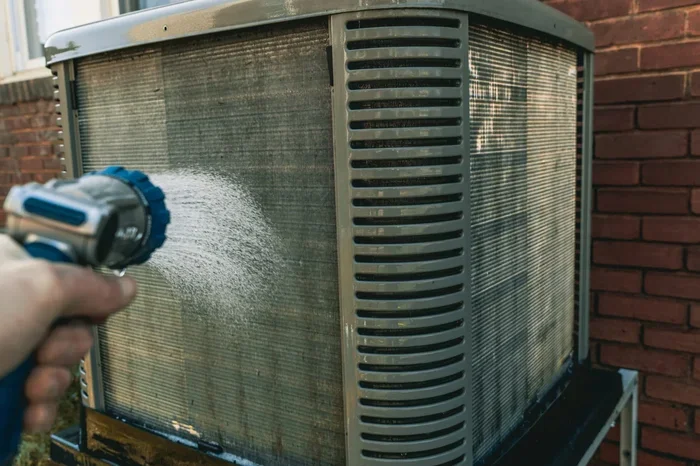
- Keep the Outdoor Unit Clean: Remove leaves, dirt, and debris from around the condenser unit. Good airflow around the unit prevents overheating and extends compressor life.
- Check Refrigerant Levels Annually: Low refrigerant is one of the leading causes of compressor damage. A professional should check refrigerant levels during each seasonal maintenance visit.
- Inspect Electrical Connections: Loose or corroded connections can cause voltage fluctuations that damage the compressor motor. A technician should tighten and inspect these during every service call.
- Use a Surge Protector: Electrical surges are a common cause of compressor failure. A whole-home surge protector safeguards your HVAC system and other appliances.
Following these steps consistently can add years to your compressor’s life and keep your home cooling costs low. Think of it as an investment that pays for itself through lower energy bills and fewer repairs. A well-maintained compressor can last 15 to 20 years, while a neglected one may fail in half that time.
Conclusion
The cost to replace compressor in AC unit typically falls between $1,000 and $3,000, but many factors can shift that number. The type of compressor, the age of your system, your location, and warranty coverage all play a role in determining the final price. By understanding these costs and factors, you can make a confident decision about the best path forward for your home.
Remember that regular air conditioner maintenance is your best defense against unexpected compressor failures. Simple habits like changing filters and scheduling annual inspections can prevent many of the problems that lead to costly replacements. When you do need a replacement, always get multiple quotes and ask questions until you feel fully informed.
Your cooling system works hard to keep your family comfortable every summer. Treating it well with proper care and timely repairs ensures it continues to perform for years to come. Take action today, and your future self will thank you when the next heat wave hits.
Frequently Asked Questions
How long does an AC compressor typically last?
Most AC compressors last between 10 and 15 years with proper care. However, units in hot climates or those that run constantly may wear out faster. Regular air conditioner maintenance and timely repairs can help extend your compressor’s lifespan well beyond the average.
Can I replace the compressor myself to save money?
Replacing an AC compressor requires specialized tools, refrigerant handling certifications, and technical expertise. Attempting a DIY replacement can void your warranty and create safety hazards. Always hire a licensed HVAC professional for compressor replacement to ensure the job is done correctly and safely.
Is it worth replacing a compressor in an old unit?
If your unit is over 10 years old, replacing the entire system is often more cost-effective. Older units lose efficiency over time, and a new compressor may not solve underlying issues. Consider the AC compressor replacement cost against the price of a new, more efficient unit before making a decision.
What causes an AC compressor to fail?
Common causes include refrigerant leaks, electrical problems, dirty coils, and lack of regular maintenance. Overheating from poor airflow is another major factor. Addressing compressor failure symptoms early, such as warm air or unusual noises, can prevent a complete breakdown and reduce the overall cooling system repair expense.
Does homeowner’s insurance cover compressor replacement?
Most standard homeowner’s insurance policies do not cover compressor failure due to normal wear and tear. However, if the damage was caused by a covered event like a power surge or storm, your policy may apply. Always check with your insurance provider to understand your specific coverage and any exclusions that may apply.
How can I prevent my AC compressor from failing?
Regular maintenance is the best prevention. Change your filters often, keep the outdoor unit clean, and schedule annual professional inspections. Using a surge protector and ensuring proper refrigerant levels also help protect your compressor motor from premature failure and keep your HVAC system running efficiently.