Solar Electric Generator Everything You Need To Know
A solar electric generator converts sunlight into usable electricity using panels and batteries. It offers clean, renewable backup power for homes, camping trips, and emergencies. This guide covers how they work, types, benefits, and how to pick the right one.
A solar electric generator is one of the smartest investments you can make for your home or outdoor adventures. Unlike gas-powered options, it runs on pure sunlight. No fumes. No noise. No fuel costs.
More people are switching to solar power every year. Whether you want backup power during outages or a clean energy source for camping, a solar setup has you covered. This guide breaks down everything you need to know.
So let us dive right in. By the end, you will know exactly how these systems work, what to look for, and how to get the best value for your money.
## What Is a Solar Electric Generator?
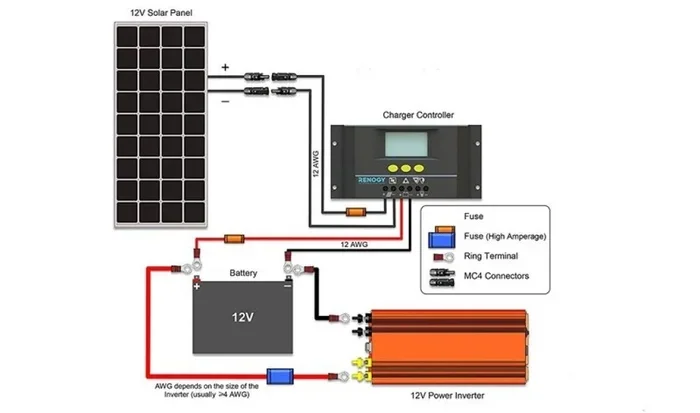
A solar electric generator is a device that captures sunlight and turns it into electricity you can use. It typically includes solar panels, a battery bank, an inverter, and a charge controller. Together, these parts create a complete power system.
Think of it as a mini power plant that fits on your roof or in your backyard. Some are small enough to carry on a hike. Others can run your entire house during an outage.
The core idea is simple. Panels collect sunlight. The system converts that light into stored energy. Then you use that energy whenever you need it. It is clean, quiet, and renewable.
### How It Differs from Traditional Generators
A regular electrical generator burns fuel to create power. It needs gasoline, diesel, or propane. That means ongoing costs, noise, and exhaust fumes.
A solar generator uses no fuel at all. It relies on the sun, which is free and abundant. There are no moving parts in the panels themselves, which means less wear and tear.
Here is a quick side-by-side look:
- Fuel source: Sunlight vs. gasoline or diesel
- Noise level: Silent vs. loud engine
- Running cost: Near zero vs. constant fuel purchases
- Maintenance: Minimal vs. regular upkeep
- Environmental impact: Zero emissions vs. carbon output
The differences are clear. Solar generators win on almost every front for everyday users.
## How Does a Solar Electric Generator Work?
Understanding the basics helps you make better buying decisions. The process is simpler than most people think.
### Step 1: Sunlight Hits the Panels
Solar panels contain photovoltaic cells. These cells absorb photons from sunlight. That energy knocks electrons loose in the cells, creating a flow of electricity.
This is called the photovoltaic effect. It is the same science behind every solar panel on the market today. The panels do not need direct sunlight either. They still generate power on cloudy days, just at a slower rate.
### Step 2: Energy Gets Stored in Batteries
The electricity produced is direct current (DC). Your home appliances run on alternating current (AC). So the system stores DC power in a battery bank first.
Most modern solar generators use lithium-ion batteries. They are lightweight, long-lasting, and hold a strong charge. If you want to learn more about how long these batteries last, check out our guide on how long a generator battery lasts.
### Step 3: The Inverter Converts Power
The inverter takes the stored DC power and converts it to AC power. This is the electricity your fridge, lights, and tools can actually use.
Good inverters are efficient. They waste very little energy during conversion. Look for models with at least 90% efficiency for the best results.
### Step 4: You Use the Power
Once converted, the power flows to your outlets just like normal grid electricity. You can plug in devices, charge phones, run tools, or power lights.
Some systems are grid-tied. They send extra power back to the utility company. Others work completely off-grid. Both setups have their merits depending on your situation.
## Types of Solar Electric Generators
Not all solar generators are the same. They come in different shapes, sizes, and designs. Let us break down the main types.
### Portable Solar Generators
These are compact and lightweight. They are perfect for camping, tailgating, or charging devices on the go.
Most portable units weigh under 20 pounds. They usually have one or two small panels and a built-in battery. You can set them up in minutes.
Pros of portable solar generators:
- Easy to carry and set up
- Great for outdoor recreation
- Quiet and emission-free
- Affordable entry point
Cons to consider:
- Lower power output
- Smaller battery capacity
- Not enough for heavy-duty tasks
### Home Backup Solar Generators
These are larger systems designed to keep your house running during power outages. They connect to your home’s electrical panel.
A home backup system can power essentials like refrigerators, medical devices, and lights for hours or even days. The size depends on your needs and budget.
If you are trying to figure out how much power you actually need, our guide on how big of a backup generator do I need is a great starting point.
### Off-Grid Solar Systems
Off-grid systems are fully independent. They are not connected to any utility grid at all.
These setups are popular in rural areas or remote cabins. They require more panels, bigger batteries, and careful planning. But they offer true energy independence.
### Hybrid Solar Systems
Hybrid systems combine solar panels with grid power. They switch between sources automatically. When the sun shines, you use solar. When it does not, you draw from the grid.
This is the most popular setup for homeowners who want savings without sacrificing reliability.
## Benefits of Using a Solar Electric Generator
Solar generators offer a ton of advantages. Let us walk through the biggest ones.
### Clean and Renewable Energy
Solar power produces zero emissions while generating electricity. The sun provides an endless supply of energy. Every kilowatt-hour you generate is one less that comes from fossil fuels.
This matters for the planet. It also matters for your community. Cleaner air and reduced dependence on non-renewable resources benefit everyone.
### Quiet Operation
Gas generators are loud. They disturb neighbors, wildlife, and your peace of mind. Solar generators run silently. You can barely tell they are working.
This makes them ideal for residential areas, campsites, and events where noise is a concern.
### Low Operating Costs
Once you buy a solar generator, fuel costs drop to zero. The sun charges your system every day without any expense. Maintenance is minimal too.
You might spend a little on cleaning panels or replacing batteries over the years. But compared to gas costs, the savings add up fast.
### Energy Independence
With a solar generator, you are less reliant on the grid. You control your own power supply. This is empowering during emergencies or in areas with unreliable electricity.
Many homeowners also install solar to reduce their monthly utility bills. Over time, the system pays for itself.
### Versatility
Solar generators serve many purposes. You can use them at home, on the road, at a construction site, or during a disaster. Their flexibility makes them valuable for all kinds of situations.
## How to Choose the Right Solar Electric Generator
Picking the right system depends on a few key factors. Here is what you should consider before buying.
### Determine Your Power Needs
Start by listing the devices you want to run. Note their wattage. Add them up to get your total power requirement.
For example:
- Laptop: 65 watts
- Phone charger: 15 watts
- LED lights: 30 watts
- Small fridge: 150 watts
Total: 260 watts. A portable generator with 300+ watts would handle this easily.
### Consider Battery Capacity
Battery capacity is measured in watt-hours (Wh). Higher numbers mean more stored energy and longer runtime.
For short trips, 200 to 500 Wh works well. For home backup, look at 1,000 Wh or more. Match the capacity to how long you need power without sunlight.
### Check the Inverter Quality
The inverter is the heart of the system. A poor inverter wastes energy and may not handle heavy loads. Look for pure sine wave inverters for the best performance.
### Think About Portability
Will you move the system often? If yes, go lighter and more compact. If it stays in one place, you can prioritize power output over weight.
### Set a Realistic Budget
Solar generators range from a few hundred dollars to several thousand. Set a budget based on your needs and stick to it. Remember that the long-term savings justify the upfront cost.
## Maintenance and Generator Testing Tips
Keeping your solar generator in top shape is easy. A little attention goes a long way.
### Clean the Panels Regularly
Dust, dirt, and bird droppings reduce panel efficiency. Wipe them down with a damp cloth every few weeks. In dusty areas, clean them monthly.
### Inspect Connections
Check all cables and connectors for wear or corrosion. Loose connections can reduce power output or even create safety hazards.
### Monitor Battery Health
Lithium batteries last several years with proper care. Avoid letting them drain completely. Store them in a cool, dry place when not in use.
### Run Regular Tests
Just like any power system, your solar generator benefits from regular testing. Test it monthly even when you are not using it. This ensures everything works when you need it most.
### Update Your System
Technology improves fast. If your system is several years old, newer panels and batteries may offer better performance at lower costs.
## Conclusion
A solar electric generator is a smart, clean, and reliable way to power your life. Whether you need backup for your home or a compact solution for outdoor trips, there is a solar option that fits.
The technology has improved dramatically in recent years. Panels are more efficient. Batteries are more affordable. Inverters are more powerful. Now is the best time to make the switch.
Start small if you are new to solar. A portable unit lets you test the waters. Then you can scale up to a full home system when you are ready.
The sun delivers free energy every single day. All you need is the right equipment to capture it. A solar electric generator gives you exactly that.
Take the time to research your options. Compare sizes, read reviews, and think about your real-world needs. The right system will pay for itself many times over in savings, reliability, and peace of mind.
Key Takeaways
- Solar electric generators turn sunlight into clean, reliable electricity for any setting.
- They come in portable, home backup, and off-grid models to fit different needs.
- Key components include solar panels, batteries, inverters, and charge controllers.
- Choosing the right size depends on your power needs, budget, and usage goals.
- Regular generator testing keeps your system running safely and efficiently.
- Solar generators save money long-term and reduce your carbon footprint.
- Battery life and charging speed are critical factors when comparing models.
Frequently Asked Questions
What is a solar electric generator used for?
A solar electric generator powers devices and appliances using energy from the sun. It works great for camping, home backup, off-grid living, and emergency preparedness. You can run lights, charge phones, and even power small appliances with the right setup.
How long does a solar generator last?
Most solar generators last between 10 and 25 years depending on the quality and maintenance. The panels typically have a 25-year lifespan. Batteries may need replacement after 5 to 15 years based on usage and type.
Can a solar generator power an entire house?
Yes, but it depends on the system size and your energy needs. A large home backup solar system can run essentials during an outage. For full-time off-grid living, you need a properly sized system with enough panels and battery capacity.
Are solar generators worth the money?
Absolutely. They eliminate fuel costs and require very little maintenance. Over time, the savings on energy bills often exceed the upfront cost. Plus, they add value to your home and help the environment.
How long does it take to charge a solar generator?
Charging time depends on panel size, sunlight strength, and battery capacity. A full charge usually takes 4 to 12 hours in direct sun. Cloudy days or partial shade will extend the charging time significantly.
Do solar generators work in winter or cloudy weather?
Yes, they still work in winter and on cloudy days. However, they produce less power because there is less direct sunlight. You can maximize output by angling panels toward the sun and keeping them clean and unobstructed.