What Is the Quietest Whole House Generator for Home
The quietest whole house generator keeps your home powered during outages without disturbing your neighborhood. Modern standby generators with advanced soundproofing and inverter technology can run as low as 50 decibels, which is quieter than a normal conversation. We reviewed the best models, compared noise ratings, and shared practical tips to help you choose the right quiet whole house generator for your home.
Power outages are never fun. Whether it is a storm, a grid failure, or simple equipment trouble, losing electricity can turn your comfortable home into an uncomfortable place fast. That is where a whole house generator comes in. But here is the real question most homeowners ask: what is the quietest whole house generator?
Nobody wants a generator that sounds like a jet engine every time the power goes out. You need backup power that keeps your lights on, your fridge running, and your family comfortable without turning your home into a construction zone. The good news is that generator technology has come a long way. Today, you can find quiet home standby generators that run so smoothly you might forget they are even on.
In this guide, we will walk you through everything you need to know about finding the quietest whole house generator for your home. We will cover how noise levels are measured, which brands and models stand out, how to choose the right one, and practical tips to keep your generator running as silently as possible. By the end, you will have all the information you need to make a confident decision.
Key Takeaways
- Quiet generators exist: Modern whole house standby generators can operate between 50 and 65 decibels, making them much quieter than older models.
- Inverter technology matters: Inverter generators adjust engine speed to match power demand, significantly reducing noise levels.
- Sound enclosures help: Adding a generator sound blanket or enclosure can cut noise by 10 to 20 decibels.
- Fuel type affects noise: Propane and natural gas generators tend to run quieter than diesel alternatives.
- Proper installation is key: Placement, distance from walls, and vibration pads all contribute to a quieter running generator.
- Maintenance keeps it quiet: Regular upkeep prevents loud rattling and ensures smooth, silent operation over time.
- Brand reputation counts: Leading brands like Generac, Kohler, and Briggs & Stratton offer some of the quietest whole house options available today.
📑 Table of Contents
- Understanding Generator Noise Levels and Decibel Ratings
- Top Quiet Whole House Generators Reviewed
- How to Choose the Right Quiet Generator for Your Home
- Installation Tips to Keep Your Generator Silent
- Maintenance Tips for a Quieter Running Generator
- Final Thoughts on Choosing the Quietest Whole House Generator
Understanding Generator Noise Levels and Decibel Ratings
Before you shop for a quiet whole house generator, it helps to understand how noise is measured. Generator noise is rated in decibels, commonly written as dB. The higher the number, the louder the generator. Understanding these ratings will help you make a smart choice and avoid buying something too loud for your property.
What Decibel Levels Mean for Your Home
Here is a simple way to think about generator noise. A normal conversation between two people sits around 60 dB. A refrigerator hums at about 40 dB. A lawnmower pushes past 90 dB, and a chainsaw can hit 110 dB or more. Now, here is what you need to know about whole house backup generators:
- 50 to 55 dB: This is whisper-quiet. These generators are about as loud as a quiet bedroom at night. You would barely notice them running.
- 55 to 65 dB: This is the sweet spot for most residential generators. It is about the volume of a normal conversation or a quiet office.
- 65 to 75 dB: Noticeable but not disruptive. Think of it like background music or a running shower.
- 75 dB and above: Getting loud. These generators can disturb neighbors, violate local noise ordinances, and make outdoor conversation difficult.
When you are searching for the quietest whole house generator, you want to aim for the 50 to 65 dB range. Anything above 70 dB starts to become a problem for most homeowners, especially if you have close neighbors or local noise rules to follow.
Why Generator Noise Matters More Than You Think
Noise is not just an annoyance. It can also affect your property value, your relationship with neighbors, and your compliance with local codes. Many cities and homeowner associations have strict rules about generator noise. If your residential generator is too loud, you could face fines or be asked to shut it down during extended outages. That is the last thing you want when you are relying on backup power the most.
Beyond regulations, there is the simple quality-of-life factor. A generator that runs quietly lets you sleep through the night during an outage. It lets your kids do homework undisturbed. It keeps your outdoor gatherings going without interruption. A quiet power generator is simply a better experience for everyone on your property.
Top Quiet Whole House Generators Reviewed
Now let us get into the fun part. We have rounded up some of the quietest whole house generators currently available. These models stand out for their low noise output, reliable performance, and solid build quality. Keep in mind that actual noise levels can vary based on installation, load, and environmental conditions.
Generac 7200i Generator Series
Generac has built a strong reputation in the home standby generator market, and their inverter-friendly models are some of the quietest options available. The 7200i series combines a compact design with advanced sound dampening technology. These units typically operate around 55 to 60 dB, which is impressively quiet for their power output.
What makes these generators stand out is the automatic idle feature. When your home is using less power, the engine slows down automatically. This reduces both fuel consumption and noise output. It is a smart design that makes a real difference in how loud your generator actually sounds during everyday use.
Kohler 14 kW Standby Generator
Kohler is another brand that takes generator noise seriously. Their 14 kW standby model is designed specifically for residential use and comes with a factory-installed sound enclosure. This enclosure is engineered to dampen engine noise and vibration, bringing the operating sound down to around 60 to 65 dB.
One of the best things about Kohler generators is their durability. They are built to last for thousands of hours, and the quieter operation is a welcome bonus. If you want a reliable and quiet generator for home that can handle a full-house load, this is a strong contender.
Briggs & Stratton 20 kW Standby Generator
Briggs & Stratton offers a powerful option that does not sacrifice quietness. Their 20 kW model is one of the higher-output generators that still manages to keep noise levels around 65 dB. That is remarkable for a unit of this size.
The company uses a combination of acoustic insulation, vibration isolation mounts, and optimized engine design to achieve this result. The 20 kW capacity means you can power your entire home, including central air conditioning, without the generator screaming at full throttle. This is a great choice for larger homes that need serious backup power without the noise.
DuroMax XP12000EH Dual Fuel Generator
If you are looking for a more budget-friendly option, the DuroMax XP12000EH is worth a look. This dual-fuel generator runs on either gasoline or propane, and the propane mode tends to be noticeably quieter. The unit operates at around 69 dB, which is louder than the premium models but still reasonable for a whole house unit.
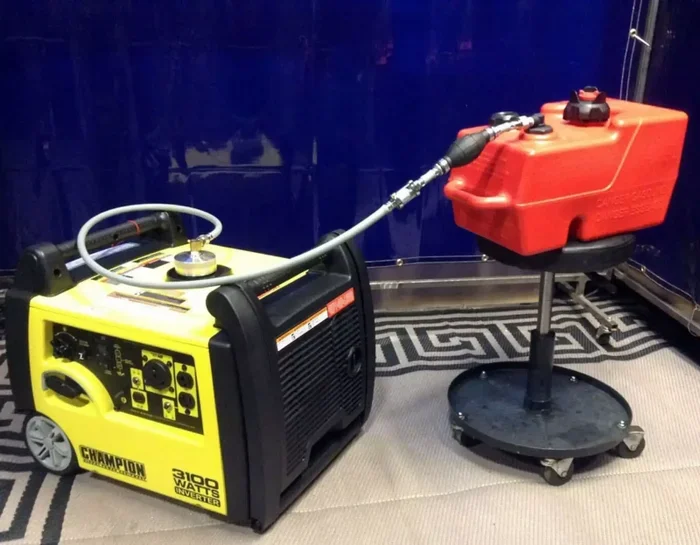
The trade-off here is that this is a portable standby generator rather than a permanently installed system. You will need to set it up each time you use it, and you will want to add a generator sound enclosure to bring the noise down further. But for the price, it is a solid performer.
Comparison Table: Noise Levels of Popular Whole House Generators
| Brand and Model | Power Output | Noise Level (dB) | Fuel Type | Type |
|---|---|---|---|---|
| Generac 7200i | 7.2 kW | 55-60 | Propane/Natural Gas | Standby |
| Kohler 14 kW | 14 kW | 60-65 | Natural Gas/Propane | Standby |
| Briggs & Stratton 20 kW | 20 kW | 63-68 | Natural Gas/Propane | Standby |
| DuroMax XP12000EH | 12 kW | 69-72 | Gasoline/Propane | Portable Standby |
| Champion 10kW | 10 kW | 58-62 | Natural Gas/Propane | Standby |
As you can see from the table, there is a clear range of noise levels across different models and brands. The quietest generators on the market hover around the 55 to 60 dB mark, while more affordable options tend to sit in the 65 to 72 dB range. Your choice will depend on your budget, your power needs, and how sensitive you are to generator noise.
How to Choose the Right Quiet Generator for Your Home
Choosing the quietest whole house generator is not just about picking the model with the lowest decibel rating. There are several factors you need to consider to make sure you get the right generator for your specific situation.
Calculate Your Power Needs First
Before you look at any generator, figure out how much power your home actually needs during an outage. Make a list of the essential circuits and appliances you want to keep running. This typically includes your refrigerator, furnace blower, sump pump, lights, and a few outlets for charging devices.
Once you know your total wattage needs, you can narrow your search to generators that meet that capacity. Buying a generator that is too large wastes money and can actually run less efficiently. Buying one that is too small means it will strain under load, which increases noise and reduces lifespan.
Consider Your Fuel Options
Generator fuel type plays a bigger role in noise than most people realize. Here is a quick breakdown:
- Natural Gas: Burns cleaner and quieter than gasoline or diesel. It is the most common fuel for permanently installed standby generators.
- Propane: Similar to natural gas in terms of quiet operation. Propane burns smoothly and produces less engine strain.
- Diesel: Generally louder and rougher sounding. Diesel generators are more common in commercial settings than in residential homes.
- Gasoline: Louder than gas alternatives and less efficient for whole house use. Best suited for portable applications.
If noise is your top priority, stick with natural gas or propane models. These fuels produce a smoother combustion cycle, which translates directly to a quieter engine.
Look for Built-In Sound Enclosures
Many modern home standby generators come with factory-installed sound enclosures. These are essentially noise-dampening cabinets that wrap around the generator and absorb engine sound before it reaches your ears. A good sound enclosure can reduce noise by 10 to 15 dB, which is a massive difference.
When comparing models, look for terms like “sound-attenuated enclosure” or “noise-reducing cabinet.” These are signs that the manufacturer has invested in quieting the unit. Standby generators with built-in enclosures are almost always quieter than portable units without them.
Check Local Noise Ordinances
Every city and county has different rules about generator noise. Before you buy, check your local noise ordinances. Some areas limit generator noise to 60 dB at the property line, while others allow up to 70 dB. Knowing the rules ahead of time helps you choose a generator that keeps you compliant and your neighbors happy.
Installation Tips to Keep Your Generator Silent
Even the quietest whole house backup generator can sound loud if it is not installed properly. Installation plays a huge role in how much noise you actually hear inside and outside your home. Here are some proven tips to keep your generator running as quietly as possible.
Placement Matters More Than You Think
Where you place your generator has a direct impact on how much noise reaches your living space and your neighbors. Follow these placement guidelines:
- Place it at the far end of your property: The farther the generator is from your home and your neighbors, the less noise you will hear.
- Keep it away from walls and fences: Sound bounces off hard surfaces and amplifies. Give your generator plenty of open space on all sides.
- Position the exhaust away from windows and doors: You do not want the exhaust noise directed toward any part of your home.
- Consider a dedicated generator pad: A concrete pad or raised platform helps isolate vibration and reduces the sound that travels through the ground.
Many professional installers can help you find the optimal placement during the generator installation process. Do not skip this step. A few extra feet of distance can make a noticeable difference in noise levels.
Use Vibration Isolation Pads
Generators create vibration as the engine runs, and that vibration travels through the ground and into your home’s foundation. Vibration isolation pads are simple rubber or foam pads that sit under the generator and absorb this vibration. They are inexpensive, easy to install, and surprisingly effective at reducing the low-frequency hum that can travel through your property.
Add an External Sound Enclosure
If your generator does not come with a built-in sound enclosure, you can add one after purchase. External sound blankets and enclosures are made from acoustic materials that absorb and block engine noise. They wrap around the generator and can reduce noise output by 10 to 20 dB.
Just make sure any enclosure you add allows for proper ventilation. Generators need airflow to cool the engine, and blocking ventilation can cause overheating and damage. Look for enclosures with built-in ventilation panels or mesh sides.
Hire a Professional for Installation
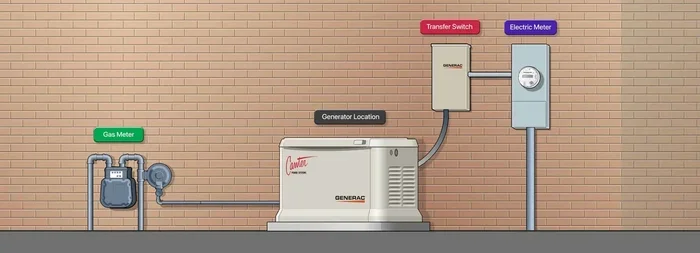
While some homeowners attempt DIY generator installation, hiring a professional is one of the best things you can do for noise reduction. A licensed electrician and generator installer will know how to position the unit, connect the automatic transfer switch, and ensure everything is properly grounded. Proper grounding alone can reduce electrical noise and vibration significantly.
Maintenance Tips for a Quieter Running Generator
Owning a quiet generator for home is not a set-it-and-forget-it situation. Like any mechanical equipment, generators need regular maintenance to keep running smoothly and quietly. Neglecting maintenance leads to rattling, sputtering, and increased noise over time.
Stick to the Maintenance Schedule
Every generator comes with a manufacturer-recommended maintenance schedule. This typically includes oil changes every 100 to 200 hours of operation, air filter replacements, spark plug checks, and fuel system inspections. Following this schedule keeps everything running smoothly and quietly.
Here is a simple maintenance checklist you should follow:
- Change the oil regularly: Dirty oil causes the engine to work harder, which increases noise and wear.
- Replace air filters: A clogged air filter restricts airflow and makes the engine strain, producing more sound.
- Check spark plugs: Worn spark plugs cause misfires and rough running, both of which add to noise levels.
- Inspect the exhaust system: A damaged or loose exhaust can create rattling and extra noise.
- Tighten all bolts and connections: Over time, vibrations can loosen components, leading to rattling and humming.
Run Your Generator Regularly
This might sound counterintuitive, but running your generator regularly actually helps keep it quieter. A generator that sits unused for months can develop stale fuel, corroded parts, and stiff components. Running it for 15 to 30 minutes once a month keeps everything lubricated and in good working order.
Many modern standby generators come with an automatic weekly self-test feature. This runs the generator for a few minutes each week without any effort on your part. If your model has this feature, make sure it is enabled and functioning properly.
Listen for Warning Signs
You know how your generator normally sounds. If you start hearing new rattles, knocks, or grinding noises, do not ignore them. These sounds often indicate a problem that, if left unchecked, can get worse and reduce the overall lifespan of your unit. Early detection and repair keep your quiet home standby generator running smoothly for years.
Final Thoughts on Choosing the Quietest Whole House Generator
Finding the quietest whole house generator does not have to be overwhelming. The technology exists, the options are plentiful, and with the right approach, you can have backup power that is both reliable and remarkably silent.
Start by understanding your power needs and your noise tolerance. Then narrow your search to models that fit both criteria. Look for built-in sound enclosures, natural gas or propane fuel options, and brands with a strong reputation for quiet operation. Install your generator with care, maintain it regularly, and you will enjoy years of peaceful backup power.
The quietest whole house generator is not just a luxury. It is a practical investment in your home comfort, your neighbor relationships, and your peace of mind. When the power goes out, you should not have to choose between staying powered and staying sane. With the right generator, you do not have to.
Take the time to research, compare models, and plan your installation. The result will be a quiet whole house generator that works silently in the background, keeping your home running smoothly no matter what happens with the power grid.
Frequently Asked Questions
What is the quietest whole house generator available?
The Generac 7200i and Kohler 14 kW standby generators are among the quietest whole house options on the market, operating at around 55 to 65 decibels. These models use advanced sound enclosures and inverter technology to minimize noise while delivering reliable whole-home backup power.
How many decibels is too loud for a home generator?
Most experts agree that anything above 70 dB is too loud for a residential generator. Local noise ordinances typically cap generator noise between 60 and 65 dB at the property line. Choosing a generator that operates below 65 dB keeps you compliant and your neighbors happy.
Can I make my existing generator quieter?
Yes, you can reduce your existing generator’s noise by adding a sound enclosure or blanket, using vibration isolation pads, and ensuring proper placement away from walls and fences. Regular maintenance also helps keep the engine running smoothly and quietly.
Are inverter generators quieter than traditional generators?
Yes, inverter generators are significantly quieter than traditional conventional generators. They adjust engine speed based on power demand, which means they run slower and quieter during light loads. This makes them an excellent choice for homeowners who prioritize low noise levels.
Do natural gas generators run quieter than diesel generators?
Natural gas generators generally run quieter than diesel generators. Natural gas burns more smoothly and produces less engine strain, resulting in a quieter combustion cycle. For residential use, natural gas or propane are the preferred fuel types for a quiet generator experience.
How often should I maintain my whole house generator?
You should perform basic maintenance every 100 to 200 hours of operation or at least once per season. This includes oil changes, air filter replacements, spark plug checks, and visual inspections. Following the manufacturer’s maintenance schedule keeps your generator running quietly and reliably for years.