How Long Will a Generator Run Before Running Out of Fuel
The runtime of a generator depends on fuel tank size, load, and fuel type. A typical portable gasoline generator will run 8 to 12 hours on a full tank, while larger standby units can run for days. This guide explains how long a generator will run and what factors affect its run time.
Key Takeaways
- Fuel tank size matters most: A larger tank means longer runtime, but weight increases.
- Load is the biggest factor: Running at half load can double your generator run time.
- Diesel and propane offer the longest runtimes: Especially with large external tanks.
- Maintenance directly affects runtime: Clean filters and fresh fuel keep the engine efficient.
- Never run a generator at full load 24/7: It shortens engine life and increases fuel use.
- Use a runtime calculator: It helps you predict exactly how long will a generator run for your specific setup.
📑 Table of Contents
- How Long Will a Generator Run? The Simple Answer
- Generator Fuel Tank Sizes and Run Time Estimates
- How Load and Wattage Affect Generator Run Time
- Propane vs. Gasoline vs. Diesel: Which Fuel Gives the Longest Runtime?
- Tips to Maximize Your Generator’s Running Hours
- Final Thoughts: Choosing the Right Generator for Your Needs
How Long Will a Generator Run? The Simple Answer
If you are wondering how long will a generator run, the short answer is: it depends on the fuel tank size, the load you are running, and the type of fuel. A small portable gasoline generator typically runs for 8 to 12 hours on a full tank. A larger standby generator can run for days if you have a continuous fuel supply.
Knowing how long will a generator run helps you plan for power outages, camping trips, or job sites. You do not want to be stuck in the dark with a dead machine. This guide breaks down the numbers so you can make a smart choice.
We will cover fuel tank sizes, load impact, fuel types, and maintenance tips. By the end, you will know exactly what to expect from any generator.
What Determines Generator Runtime?
Several factors control generator run time. Here are the main ones:
- Fuel tank capacity: Bigger tanks hold more fuel and extend runtime.
- Electrical load: The more watts you draw, the faster you burn fuel.
- Fuel type: Diesel, propane, and gasoline have different energy densities.
- Engine efficiency: Modern inverter generators use fuel more wisely.
- Maintenance: Clean air filters and fresh oil keep the engine running smooth.
The Basic Formula for Run Time
You can estimate run time with a simple formula:
Runtime (hours) = Fuel Tank Capacity (gallons) ÷ Fuel Consumption Rate (gallons per hour)
For example, a generator with a 2-gallon tank and a consumption rate of 0.25 gallons per hour will run for about 8 hours. But that rate changes with load. At full load, the consumption rate doubles. So the same generator might only run 4 hours at full power.
Always check the runtime chart in your manual. It gives you a baseline for generator run time per gallon.
Generator Fuel Tank Sizes and Run Time Estimates
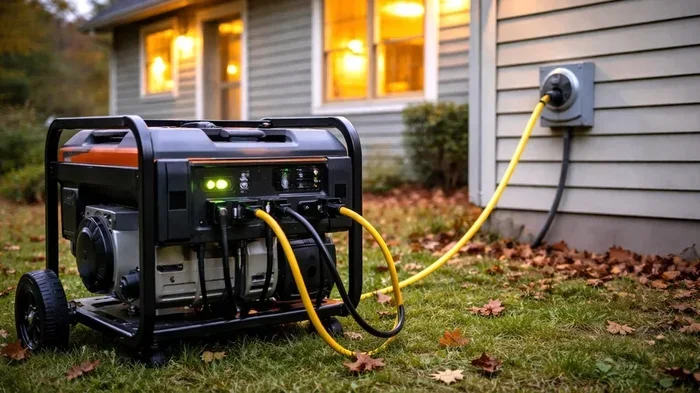
Portable Gasoline Generator Run Time
Most portable gasoline generators have tanks between 1 and 5 gallons. A 1-gallon tank on a small 1,000-watt unit might give you 6 to 8 hours at 25% load. A 5-gallon tank on a 3,000-watt generator can run 10 to 14 hours at 50% load.
Popular models like the Honda EU2200i advertise 8.1 hours at 25% load. That is a great number for camping or tailgating. If you need continuous run time, you might want a larger tank or an extended fuel kit.
Propane and Natural Gas Generator Runtime
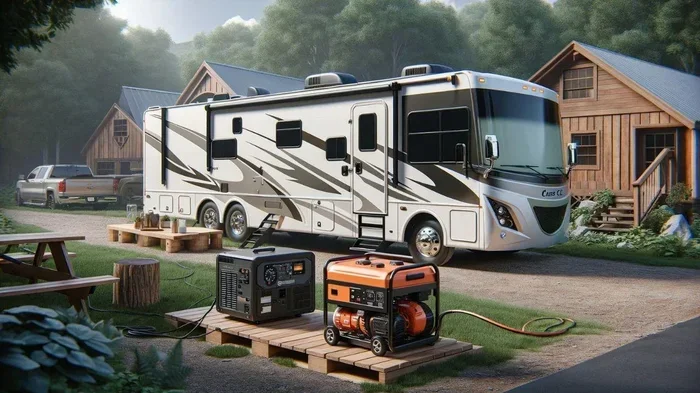
Propane generators often connect to 20-pound tanks or larger. A 20-pound propane tank holds about 4.7 gallons of propane. At 50% load, a typical propane generator uses about 0.5 gallons per hour. That gives you roughly 9 to 10 hours per tank.
But you can link multiple tanks together. With a 100-pound tank, runtime jumps to 40 hours or more. Natural gas generators can run indefinitely if connected to a home gas line. That is a huge advantage for standby units.
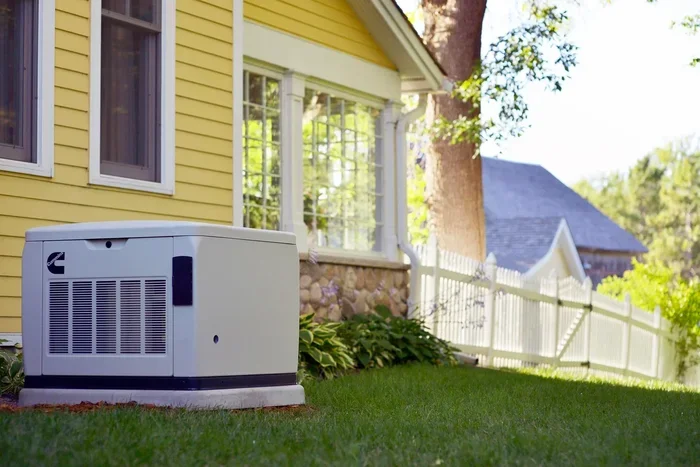
Diesel and Standby Generator Run Hours
Diesel generators are built for heavy-duty use. A small diesel portable unit with a 4-gallon tank can run 12 to 16 hours at 50% load. Standby diesel generators often have 24-hour or 48-hour fuel tanks.
Some industrial standby generators can run for 72 hours straight on a full tank. They are designed for generator running time during extended outages. If you need power for days, diesel is a strong choice.
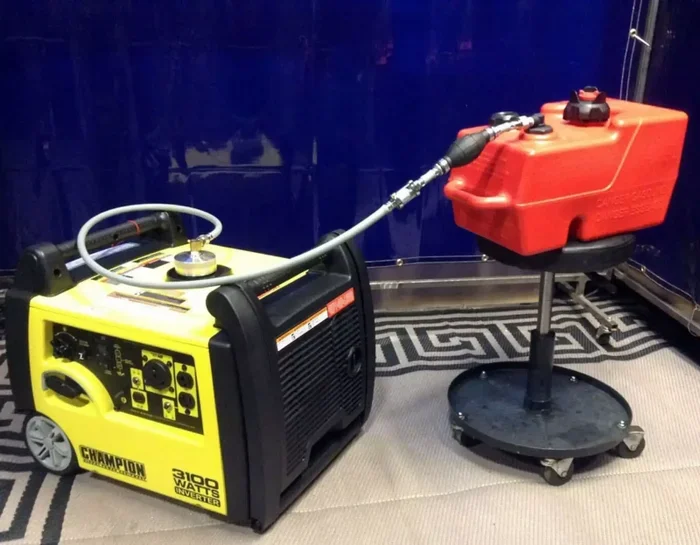
Quick Tip: Always check the runtime chart in your generator manual. It gives you a baseline for generator run time per gallon. Also, consider buying an external fuel tank for longer runtime.
How Load and Wattage Affect Generator Run Time
Running at Full Load vs. Half Load
The load you place on a generator has the biggest impact on fuel use. A generator running at 100% capacity burns fuel much faster than one at 50%. Here is a simple comparison table for a typical 3,000-watt gasoline generator:
| Load Level | Wattage Draw | Fuel Consumption (gal/hr) | Estimated Runtime (5-gal tank) |
|---|---|---|---|
| 25% Load | 750 watts | 0.20 | 25 hours |
| 50% Load | 1,500 watts | 0.35 | 14 hours |
| 75% Load | 2,250 watts | 0.55 | 9 hours |
| 100% Load | 3,000 watts | 0.80 | 6 hours |
As you can see, halving the load more than doubles the runtime. This is why how long will a generator run varies so much from one user to another.
Quick Tips to Reduce Fuel Consumption
- Turn off lights and appliances you are not using.
- Use energy-efficient LED bulbs.
- Match the generator size to your actual needs. Do not buy a massive unit if you only need a few hundred watts.
- Use a runtime calculator to plan your fuel needs.
- Consider an inverter generator. They adjust engine speed to match the load, saving fuel.
The less you demand, the longer how long will a generator run. Simple as that.
Propane vs. Gasoline vs. Diesel: Which Fuel Gives the Longest Runtime?
Comparison Table of Fuel Types
| Fuel Type | Typical Tank Size | Avg. Runtime at 50% Load | Pros | Cons |
|---|---|---|---|---|
| Gasoline | 1–5 gallons | 8–14 hours | Easy to find, lightweight | Short shelf life, lower energy density |
| Propane | 20–100 lbs | 10–40+ hours | Clean burning, long shelf life | Lower BTU per gallon, heavier tanks |
| Diesel | 4–50+ gallons | 12–72+ hours | High efficiency, long runtime | Heavier, louder, higher cost |
Expert Insights on Fuel Choice
Diesel engines are the most fuel-efficient. They deliver more runtime per gallon than gasoline or propane. Propane offers clean burning and indefinite shelf life. You can store propane for years without degradation. Gasoline is the most common for portable units, but it goes stale in 30 to 90 days.
If you want to know how long will a generator run on propane, it is often longer than gasoline because you can connect a much larger tank. A 100-pound propane tank gives you over 40 hours of runtime at moderate load. That is hard to beat for extended outages.
For the best generator fuel economy, consider a dual-fuel unit. It lets you switch between gasoline and propane. You get flexibility and longer runtime when you need it.
Tips to Maximize Your Generator’s Running Hours
Maintenance Habits That Extend Runtime
A well-maintained generator runs longer and more efficiently. Here are simple habits:
- Change the oil every 50 to 100 hours of use.
- Clean or replace the air filter monthly during heavy use.
- Use fresh fuel. Add a stabilizer if you store the generator for more than 30 days.
- Check the spark plug annually.
- Keep the fuel lines free of debris and cracks.
These small steps add up. They keep the engine running smooth and fuel-efficient.
Common Mistakes That Shorten Runtime
Many users unknowingly shorten their generator’s life and runtime. Avoid these mistakes:
- Running at full load constantly: It strains the engine and doubles fuel use.
- Ignoring maintenance: A dirty air filter can reduce runtime by 10%.
- Using old fuel: Stale gasoline causes poor combustion and lower efficiency.
- Overloading the generator: It trips the breaker and can damage the engine.
- Neglecting the fuel filter: A clogged filter restricts flow and reduces power.
Expert Insight: “A well-maintained generator can run 20% longer than a neglected one. Simple care makes a big difference.” – Sarah, Power Equipment Specialist
Regular maintenance ensures your generator runs as long as the manufacturer promises. You get the full generator run hours stated on the box.
Final Thoughts: Choosing the Right Generator for Your Needs
Now you know how long will a generator run under different conditions. You can plan for camping, job sites, or home backup power.
Think about your needs. Do you need 8 hours of runtime for a weekend camping trip? A small gasoline generator works. Do you need 48 hours of power during a storm? Consider a standby diesel or a propane unit with a large tank.
Always match the generator size to your load. Use a runtime calculator to estimate your fuel needs. And never skip maintenance. A clean engine is a long-running engine.
With the right generator and proper care, you will have power when you need it most. How long will a generator run? Now you have the answer.
Frequently Asked Questions
How long can a generator run continuously?
Most portable generators can run continuously for 8 to 12 hours on a full tank. Standby generators with large fuel tanks can run for 24 to 72 hours. Check your manual for the exact generator run time at half load.
Can I run a generator all night?
Yes, if you have a portable generator with a 5-gallon tank or larger, it can run all night at 25% to 50% load. Always place it outside and away from windows to prevent carbon monoxide buildup.
What happens if a generator runs out of fuel?
Running out of fuel can damage the generator’s carburetor and engine. It can also cause a power surge when fuel is reintroduced. Always keep an eye on the fuel gauge and refill before the tank empties.
How do I make my generator last longer?
Regular maintenance is key. Change the oil, clean the air filter, use fresh fuel, and avoid overloading. A runtime calculator can help you plan fuel usage and prevent running dry.
Is it safe to run a generator in the rain?
No. Generators should never operate in wet conditions. Water can enter the outlets and engine, causing short circuits or electrocution. Use a generator tent or cover designed for outdoor use.
What size generator do I need for 24-hour runtime?
For 24 hours of runtime at 50% load, you need a generator with a fuel tank of at least 6 to 8 gallons, or a standby unit with a larger tank. Propane or diesel models are best for extended generator running time.