How Close Can a Generator Be to a House Safely Today
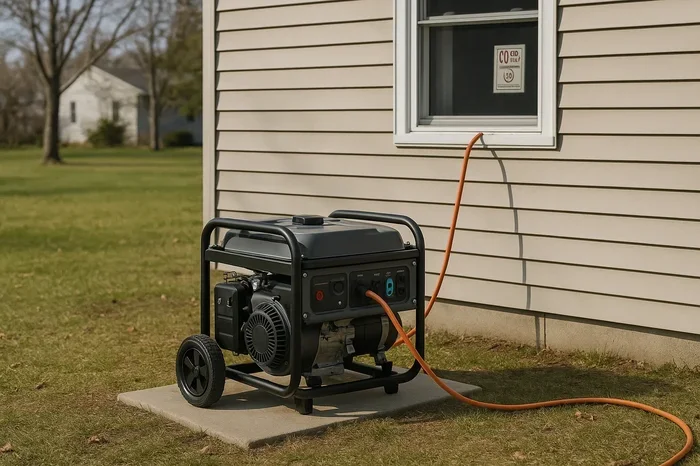
Knowing how close can a generator be to a house is crucial for safety and legal compliance. The general rule is to keep your generator at least 20 feet from the home, with the exhaust facing away from windows and doors. Proper placement prevents carbon monoxide poisoning, fire hazards, and noise complaints.
If you own a generator, you need to know how close can a generator be to a house. Placing it too close creates serious risks like carbon monoxide poisoning, fire, and noise complaints. Many homeowners make the mistake of setting up their generator right next to the garage or a window. This guide will show you the safe distance, the rules, and the best practices. You will learn how to protect your family and stay within the law.
A generator is a valuable backup power source. But it must be placed correctly. The right distance keeps your family safe and your home compliant with local codes. Whether you have a portable unit or a whole-house standby, placement matters. Let us walk through the key factors that determine how far your generator should be from your home.
In the following sections, we will cover the general safe distance, why it matters, and how to measure it. We will also look at common mistakes and expert tips. By the end, you will know exactly where to put your generator for maximum safety and performance.
Key Takeaways
- Maintain a safe distance: Keep your generator at least 20 feet from the house to reduce carbon monoxide risk.
- Check local building codes: Permits and rules vary by area, so always verify with your local authority.
- Mind the exhaust direction: Point the generator exhaust away from windows, doors, and vents.
- Use a proper generator pad: A raised, level surface keeps the unit stable and protects it from water.
- Never run a generator indoors: Even in a garage, fumes can build up quickly and become deadly.
- Consider noise and neighbors: Follow noise ordinances and place the unit away from property lines.
- Install a transfer switch: This prevents backfeed and keeps your electrical system safe.
📑 Table of Contents
How Close Can a Generator Be to a House Safely?
The General Rule for Safe Distance
The most widely accepted safe distance is at least 20 feet from the house. This rule comes from fire safety experts and generator manufacturers. At 20 feet, exhaust fumes have room to disperse. They are less likely to enter through windows or doors. The 20-foot rule also helps reduce noise levels at the property line.
However, 20 feet is a starting point. Your specific situation may require more distance. Factors include wind direction, nearby openings, and the type of generator you own. Always read your owner’s manual first. The manufacturer may list a different minimum clearance. That number is your baseline. You can then adjust for your local conditions.
Here is a quick list of the basic distance rules:
- From the house wall: At least 20 feet.
- From doors and windows: At least 5 feet.
- From air conditioning units: At least 5 feet.
- From garage vents: At least 5 feet.
- From property lines: Check local codes, often 10 to 15 feet.
Portable vs Standby Generator Placement
Portable generators and standby generators have different placement needs. A portable generator is smaller and often used for temporary power. You might plug appliances directly into it. Because it runs on gasoline or propane, it produces exhaust fumes that need space to clear.
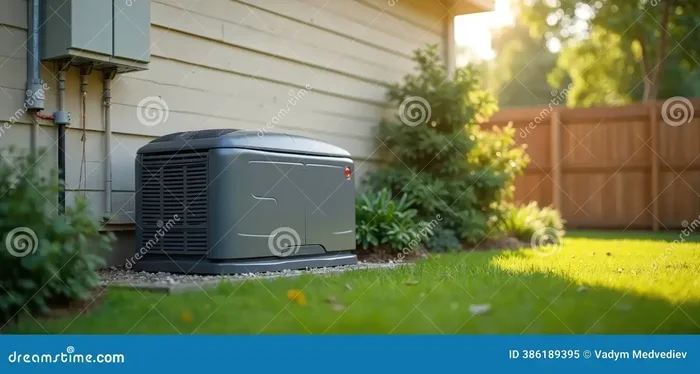
A standby generator is permanently installed outside. It connects to your home’s electrical system through a transfer switch. Standby units are larger and run on natural gas or propane. They still need clear space for exhaust and maintenance. Both types must follow the same core safety rule: keep fumes away from the house.
Many people wonder if a portable generator can sit right next to the garage door. The answer is no. Even with the garage door open, fumes can flow into the home. Always place portable generators outside, on a dry surface, and far from any openings.
Why Distance Matters for Generator Safety
Carbon Monoxide Risk
Carbon monoxide, or CO, is a silent killer. It is a colorless, odorless gas produced by any fuel-burning engine. A generator running too close to a house can let CO seep inside through gaps around doors, windows, or vents. Even a small amount can cause dizziness, nausea, or death.
The Consumer Product Safety Commission reports many CO-related deaths each year linked to generators. Most happen when generators are placed too close to homes or inside garages. Keeping the generator at a safe distance is the single most important step you can take. It allows the exhaust to rise and disperse before reaching any living space.
Fire and Electrical Hazards
Generators get hot during operation. Placing them near wooden siding, dry leaves, or flammable materials creates a fire risk. Hot exhaust pipes can ignite nearby debris. Fuel spills are another concern. A generator too close to the house increases the chance of fuel dripping onto the foundation or into windows.
Electrical safety is also critical. A generator should never be plugged directly into a wall outlet. This practice, called backfeed, can energize utility lines and endanger workers. A proper transfer switch solves this problem. But the generator itself must still be placed at a safe distance to allow for safe wiring and ventilation.
Noise and Neighbor Concerns
Generators can be loud. A unit placed too close to a neighbor’s property line can cause disputes. Many cities have noise ordinances that limit how loud a generator can be, especially at night. The distance from the house affects how much sound travels. Moving the generator farther away reduces noise for both your family and your neighbors.
Also, consider the placement of the exhaust. Point the exhaust away from shared walls or windows. This simple step can prevent noise and fume complaints. It is a small effort that keeps good relationships with the people around you.
Quick Tips
- Always point the generator exhaust away from the house.
- Place the generator on a dry, level surface before starting it.
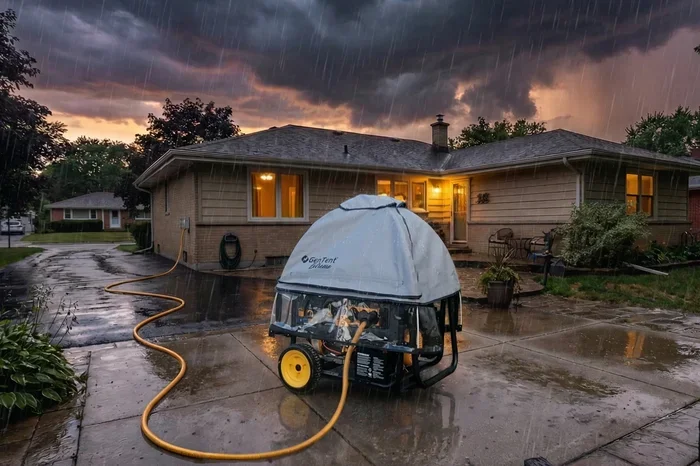
- Never run a generator in rain or snow without a weatherproof cover.
- Keep a fire extinguisher nearby when operating the generator.
Understanding Local Building Codes and Permits
Why You Need a Permit
Most areas require a permit for generator installation. This is true for both portable and standby units. The permit ensures your setup meets local safety standards. It also protects you if there is ever a fire or insurance claim. Without a permit, you may face fines or be forced to move the generator.
Building codes exist because past incidents taught us hard lessons. They set minimum distances, electrical requirements, and ventilation standards. Following these rules is not just legal. It is a way to keep your household safe. When in doubt, contact your local building department before you buy or install a generator.
What Codes Typically Require
Building codes often reference the International Residential Code, or IRC. The IRC provides general guidelines for generator placement. However, local governments can amend these rules. Some areas are stricter than others. Here are common requirements found in many codes:
- Minimum distance from the house: 18 to 25 feet, depending on the generator type.
- Distance from windows and doors: Usually 5 feet.
- Distance from property lines: Often 10 to 15 feet.
- Exhaust clearance: Must not direct fumes toward neighboring homes.
- Fuel storage: Portable fuel containers must be stored away from the generator and the house.
How to Find Your Local Rules
Finding your local rules is easy. Start by visiting your city or county building department website. They often post code summaries online. You can also call them directly. Ask specifically about generator placement and permit requirements. A quick call can save you time and money later.
Another great resource is a licensed electrician. They know the local codes and can help you plan the installation. They can also pull the necessary permits for you. Working with a professional ensures that your generator is connected safely and legally.
Measuring the Right Distance: A Step-by-Step Guide
Measuring from Doors, Windows, and Vents
Start by measuring from the nearest door, window, or vent on your home. Use a tape measure or a laser distance measurer for accuracy. Measure horizontally from the opening to the generator’s exhaust outlet. The goal is to keep the exhaust at least 5 feet away from any opening.
But do not stop there. Wind can carry fumes sideways. If your area has frequent breezes, add a few extra feet. The safest approach is to measure from the opening and then double that distance if possible. This extra margin greatly reduces the risk of fumes entering your home.
Measuring from Property Lines
Next, measure the distance from the generator to your property line. Stand at the edge of your yard and measure to the center of the generator. Many local codes require at least 10 feet from the property line. Some neighborhoods have stricter rules. Check your homeowner association guidelines as well.
If you live in a tight lot, finding 20 feet from the house and 10 feet from the property line can be challenging. In such cases, you may need a sound-dampening enclosure or a taller exhaust stack. Consult a professional to explore options that keep you compliant and safe.
Generator Placement Comparison Table
| Generator Type | Min Distance from House | Min Distance from Openings | Min Distance from Property Line |
|---|---|---|---|
| Portable Generator | 20 feet | 5 feet | 10 feet (varies) |
| Standby Generator | 18–20 feet (per manual) | 5 feet | 5–10 feet (check local code) |
| Inverter Generator | 15–20 feet | 5 feet | 10 feet |
Use this table as a starting point. Always confirm with your local building department and the manufacturer’s instructions. The table gives you a clear visual comparison of the different requirements.
Common Mistakes People Make with Generator Placement
Placing It Too Close to the Garage
A common mistake is placing the generator right next to the garage door. Many people think an open garage door provides enough ventilation. It does not. Fumes can easily flow into the garage and then into the living space through the interior door. The garage is not a safe place to run a generator, even with the door wide open.
Ignoring Wind Direction
Wind direction changes throughout the day. A generator that is safe in the morning may not be safe in the afternoon if the wind shifts. Always observe the prevailing wind in your yard. Place the generator so that the exhaust blows away from the house and away from windows on neighboring properties.
Forgetting About Fuel Storage
Portable generators need fuel. Many people store extra gasoline right next to the unit. This is a fire hazard. Fuel containers should be stored in a well-ventilated area, far from the generator and the house. Follow the manufacturer’s guidelines for fuel handling and storage.
Skipping the Transfer Switch
Some homeowners skip installing a transfer switch to save money. This is a dangerous shortcut. A transfer switch prevents backfeed into utility lines. It also allows you to power hardwired systems like your furnace or sump pump safely. Without a transfer switch, you risk damaging your electrical system and endangering utility workers.
Common Mistakes Summary
- Putting the generator too close to the garage door.
- Ignoring wind direction and exhaust path.
- Storing fuel too close to the generator or house.
- Skipping the transfer switch installation.
- Running the generator in wet conditions without protection.
- Forgetting to check local noise ordinances.
Expert Tips for the Best Generator Placement
Use a Generator Pad or Concrete Slab
A generator pad is a flat, raised surface made of concrete or composite material. It keeps the generator level and stable. It also protects the unit from standing water, which can damage the engine and electrical components. A pad also makes it easier to position the generator at the correct distance.
You can buy pre-made generator pads or build one yourself. The pad should be at least a few inches larger than the generator base. Place it in your chosen spot before you bring the generator outside. This ensures a solid foundation and proper clearance from the house.
Protect the Unit from Weather
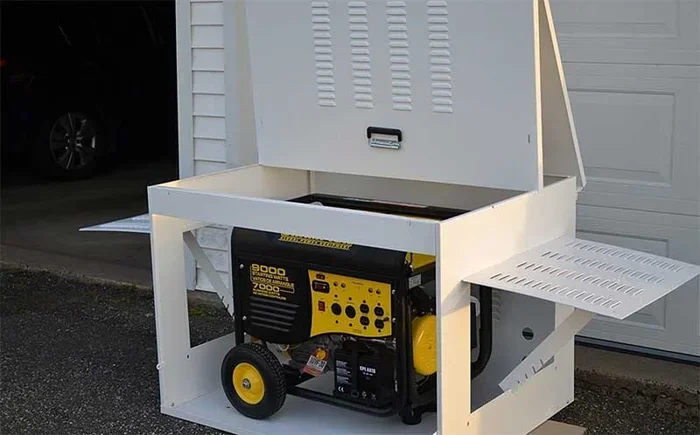
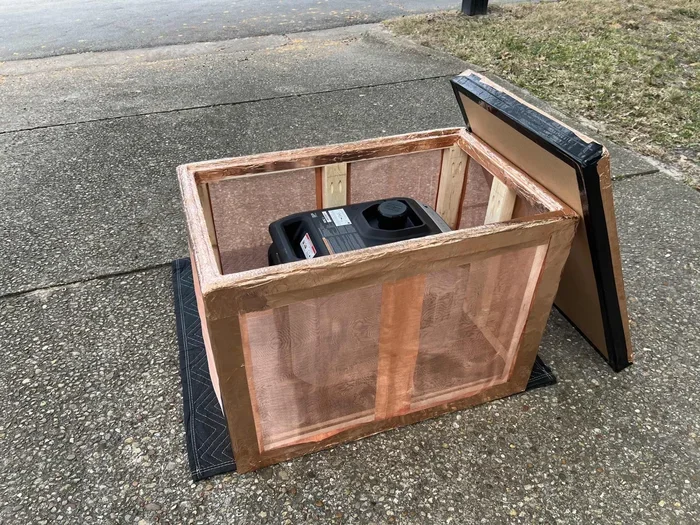
Weather can damage a generator quickly. Rain and snow can cause short circuits. Extreme heat can reduce engine life. Use a generator-specific cover or build a simple shelter. The shelter must allow full airflow around the unit. Never use a tarp that completely encloses the generator while it is running. That creates a fire and CO risk.
Ensure Proper Ventilation
Generators need plenty of fresh air to run efficiently and safely. The engine requires oxygen for combustion. Restricted airflow leads to overheating and incomplete fuel burn, which increases CO production. Leave at least 5 feet of clear space on all sides of the generator. Keep the area free of clutter, leaves, and debris.
Test the Setup Before You Need It
Do not wait for a storm to test your generator placement. Run the generator for 15 to 30 minutes before you actually need it. Listen for unusual noises. Check that the exhaust is clear of any obstructions. Verify that the transfer switch works correctly. A quick test gives you peace of mind and can reveal problems before an emergency.
Expert Insights
Professional installers often say the best generator placement is the one you can easily access for maintenance. You need to be able to check the oil, change the filter, and refuel safely. If the generator is too far out of the way, you might skip maintenance. That leads to poor performance when you need it most. Find a balance between safety distance and everyday convenience.
Conclusion
Placing your generator at the right distance is one of the most important safety decisions you will make. The simple answer to how close can a generator be to a house is at least 20 feet, with the exhaust pointing away from all openings. But the full picture involves local codes, proper measurement, and smart placement habits. By following the steps in this guide, you protect your family from CO poisoning, fire, and noise issues.
Take the time to plan your generator location. Check your local building codes. Use a generator pad. Install a transfer switch. These steps may seem small, but they make a big difference. A well-placed generator gives you reliable backup power for years to come. It keeps your home safe and your neighbors happy. Start planning your generator placement today and enjoy the peace of mind that comes with knowing you did it right.
Frequently Asked Questions
Can I run a generator in my garage if the door is open?
No, you should never run a generator in a garage, even with the door open. Carbon monoxide can flow through the garage door and into your home. The garage is not a safe location for a generator. Always place it outside, at least 20 feet from the house.
What happens if my generator is too close to the house?
If a generator is too close, exhaust fumes can enter your home through windows, doors, and vents. This creates a serious carbon monoxide risk. It can also violate local building codes and lead to fines. Fire hazards increase when the generator is near flammable materials like siding or dry leaves.
Do I need a permit to install a generator?
Most areas require a permit for generator installation. This applies to both portable and standby units. The permit ensures your setup meets local safety and electrical codes. Contact your city building department to find out the specific requirements in your area.
How far should a generator be from a window?
The general rule is at least 5 feet from any window, door, or vent. Some manufacturers recommend more distance. Always check your generator’s owner manual. Wind direction also matters, so add extra clearance if your yard is exposed to breezes that could carry exhaust toward the house.
Can I use an extension cord to power my house from a nearby generator?
You can use a heavy-duty extension cord for individual appliances, but never plug the generator directly into a wall outlet. This practice, called backfeed, is dangerous and illegal in many areas. It can energize utility lines and endanger workers. A licensed electrician can install a transfer switch for safe whole-home power.
What is the best surface to place a generator on?
A flat, hard surface like a concrete pad or a generator-specific platform is best. Avoid placing the generator on grass, dirt, or gravel where it can sink or tip over. A level surface also prevents fuel leaks and keeps the engine running smoothly. Make sure the surface is dry and stable before you start the generator.