How Much Does a Home Generator Cost and What to Know
The average home generator cost ranges from $500 for a portable unit to $15,000 or more for a whole-house standby system. Your total expense depends on the generator type, size, fuel source, and installation requirements. This guide breaks down every cost so you can plan your budget with confidence.
Power outages are more common than most people think. Storms, grid failures, and even wildlife can knock out your electricity for hours or days. When the lights go out, a home generator becomes your best friend. But before you buy one, the big question is: how much does a home generator cost?
The answer is not as simple as picking a price tag. The home generator cost varies wildly depending on the type, size, fuel source, and whether you need professional installation. A small portable unit might set you back a few hundred dollars. A full-house standby system could cost as much as a used car. This guide walks you through every price layer so you know exactly what to expect.
We will look at generator types, installation fees, fuel costs, and hidden expenses most people overlook. By the end, you will have a clear picture of the total cost of a home generator and feel confident making the right choice for your household.
Key Takeaways
- Portable generators cost $500 to $2,500 and are great for basic needs and smaller budgets.
- Standby generators range from $3,000 to $15,000+ and power your entire home automatically.
- Installation adds $500 to $3,000 depending on electrical work, permits, and local labor rates.
- Fuel type matters a lot — propane, natural gas, and diesel each have different price tags and running costs.
- Ongoing maintenance and fuel costs add $200 to $500 per year on average.
- Proper sizing prevents overspending and ensures your generator handles your actual power needs.
- Home insurance may cover part of the cost or offer discounts for having a backup power system.
📑 Table of Contents
- How Much Does a Home Generator Cost — Breaking Down the Numbers
- Types of Home Generators and Their Prices
- What Affects the Cost of a Home Generator
- Installation Costs You Need to Budget For
- Running Costs and Long-Term Expenses
- How to Choose the Right Generator for Your Home
- Common Mistakes People Make When Buying a Generator
- Expert Insights: What Electricians Want You to Know
- Key Takeaways
- Conclusion
How Much Does a Home Generator Cost — Breaking Down the Numbers
The home generator cost depends mostly on what kind of generator you buy. Let us look at the main categories and what each one costs.
Portable Generators: The Budget-Friendly Option
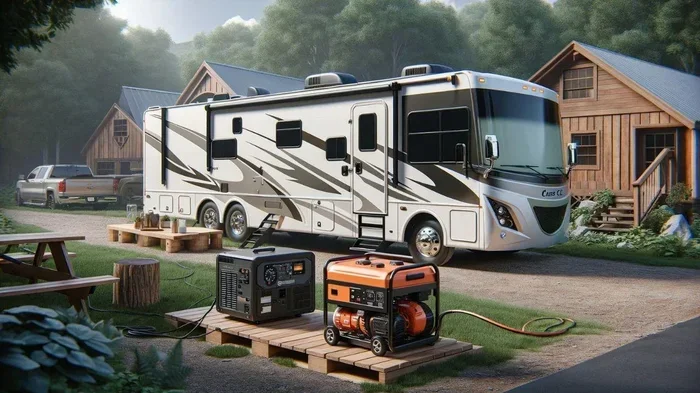
Portable generators are the most affordable choice. They typically cost between $500 and $2,500. These units are easy to move around, store, and set up. You plug appliances directly into the generator using extension cords.
They work well for basic needs like keeping your refrigerator running, charging phones, or powering a few lights during an outage. However, portable generators have limitations. They usually run on gasoline and need to be refueled every few hours. They are also louder and cannot power an entire house at once.
If you only need backup power for essentials, a portable generator is a smart starting point. The low portable generator cost makes it accessible for most households.
Inverter Generators: Clean Power at a Mid-Range Price
Inverter generators cost between $800 and $3,000. They produce cleaner, more stable electricity compared to standard portable units. This makes them safe for sensitive electronics like laptops, TVs, and medical devices.
Inverter generators are also more fuel-efficient and quieter. They adjust their engine speed based on the load, which saves fuel and reduces noise. If you want a balance between affordability and performance, an inverter generator hits the sweet spot.
Standby Generators: The Whole-House Solution
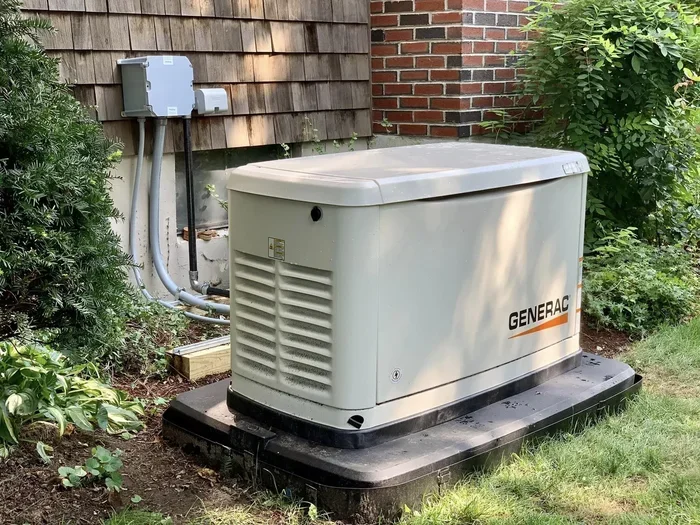
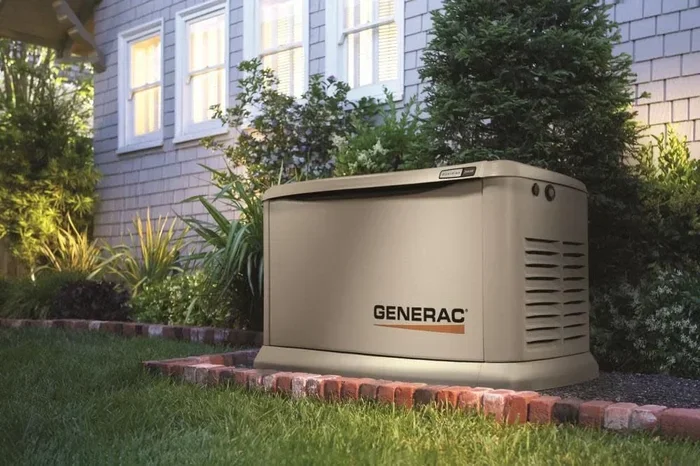
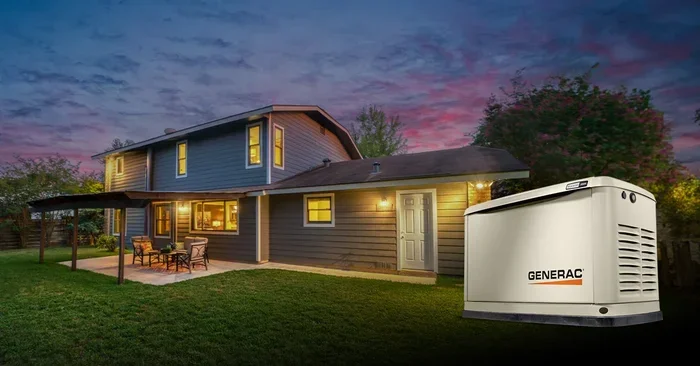
Standby generators are the most expensive option. The standby generator price ranges from $3,000 to $15,000 or more. These are permanent units installed outside your home. They turn on automatically when the power goes out.
A whole house generator can keep everything running — your HVAC system, kitchen appliances, lights, and electronics. You do not even need to be home to start it. The automatic transfer switch detects the outage and switches your home to generator power within seconds.
Standby generators run on natural gas, propane, or diesel. They require professional installation and regular maintenance. But for homeowners in areas with frequent outages, the home generator cost of a standby unit is worth the peace of mind.
Types of Home Generators and Their Prices
Let us compare the three main types side by side. This table shows the average generator cost for each category.
Generator Type Comparison
Portable Generators: $500 to $2,500. Best for basic needs. Runs on gasoline. Requires manual setup and refueling. Good for camping and short outages.
Inverter Generators: $800 to $3,000. Best for electronics and fuel efficiency. Quieter operation. Slightly more expensive than standard portables.
Standby Generators: $3,000 to $15,000+. Best for whole-home backup. Automatic operation. Requires professional installation. Runs on natural gas or propane.
The generator price you pay depends on the wattage output. Smaller units produce 3,000 to 5,000 watts. Medium units range from 5,000 to 10,000 watts. Large standby units can produce 20,000 to 50,000 watts or more. The higher the wattage, the higher the generator cost.
What Affects the Cost of a Home Generator
Several factors influence the home generator cost. Understanding these helps you avoid surprises and budget accurately.
Generator Size and Wattage
Bigger generators cost more. A unit with higher wattage can power more appliances and systems in your home. If you need to run central air conditioning, a well pump, and all your kitchen appliances, you will need a larger — and more expensive — generator.
Generator sizing is a critical step. Too small, and the unit will overload. Too large, and you waste money on a unit that exceeds your needs. A licensed electrician can help you calculate the right size based on your household’s power consumption.
Fuel Type and Availability
The fuel type generator you choose affects both the upfront cost and the long-term running expenses.
- Gasoline: Most common for portable units. Easy to find but has a short shelf life.
- Propane: Burns clean and stores well. Common in standby generators.
- Natural Gas: Connects to your existing gas line. No need to store fuel. Slightly higher installation cost.
- Diesel: Efficient and durable. More common for large commercial units.
Propane generator price and natural gas generator models tend to cost more upfront but offer lower fuel costs over time. Gasoline units are cheaper to buy but require more maintenance and have higher fuel expenses.
Brand and Quality
Not all generators are built the same. Well-known brands like Generac, Kohler, Briggs & Stratton, and Honda charge more, but they also offer better reliability and longer lifespans. A cheaper, off-brand generator might save you money now but could cost more in repairs and replacements later.
When you think about the home generator cost, consider the long-term value. A reliable brand may cost 20 to 30 percent more but last twice as long.
Installation Costs You Need to Budget For
Buying the generator is only part of the expense. The generator installation cost can add hundreds or thousands of dollars to your total.
Electrical Wiring and Panel Upgrades
Most standby generators require a dedicated electrical panel or an upgrade to your existing panel. This work typically costs between $500 and $2,000. If your home’s electrical system needs significant modifications, the generator installation cost could go even higher.
The automatic transfer switch is another essential component. This device safely switches your home between grid power and generator power. It usually costs between $300 and $1,500 depending on the model and your electrical setup.
Permits and Inspections
Many local governments require permits for generator installations. The generator permit cost varies by location but typically ranges from $50 to $300. Some areas also require inspections, which may add another $100 to $200.
Skipping permits can lead to fines and safety hazards. Always check with your local building department before installing a generator.
Labor Costs
Professional installation is strongly recommended, especially for standby generators. Electrician labor costs typically run between $50 and $150 per hour. A full installation can take anywhere from 4 to 12 hours, putting labor costs at roughly $500 to $1,500.
Some generator retailers include installation in their package deals. This can save you money compared to hiring separate contractors. Always ask about bundled pricing when getting quotes.
Running Costs and Long-Term Expenses
The home generator cost does not end at purchase and installation. You also need to account for ongoing expenses.
Fuel Costs
Fuel is the biggest recurring expense. A standby generator running on natural gas might use 1 to 3 therms per hour. At average natural gas rates, that translates to roughly $3 to $8 per hour of operation.
Propane generators burn about 2 to 4 gallons per day under moderate load. At current propane prices, that is around $10 to $25 per day. Gasoline portable generators use even more fuel and have higher per-gallon costs.
Generator fuel consumption varies based on the load. The more appliances you run, the more fuel you burn. During a short outage, fuel costs stay low. During a multi-day outage, they can add up quickly.
Maintenance Costs
Generators need regular maintenance to stay reliable. Annual maintenance typically costs between $150 and $400. This includes oil changes, filter replacements, spark plug checks, and system diagnostics.
Generator maintenance cost is often overlooked when people calculate their budget. Skipping maintenance can lead to costly breakdowns when you need the generator most. Think of it like car maintenance — a little upkeep now saves big problems later.
Storage and Upkeep
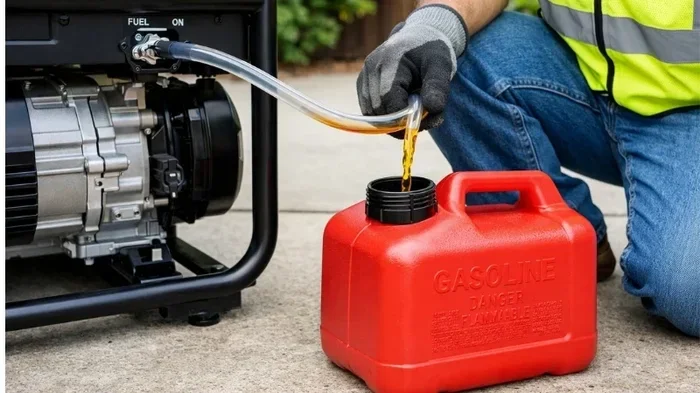
Portable generators need proper storage to prevent fuel degradation and damage. Covering the unit and using fuel stabilizers adds minimal cost but extends the generator’s lifespan significantly.
How to Choose the Right Generator for Your Home
Choosing the right generator means balancing your power needs with your budget. Here is a step-by-step approach to making the best decision.
Step 1: Calculate Your Power Needs
Make a list of the appliances and systems you want to keep running during an outage. Add up their wattage requirements. Essentials like refrigerators, sump pumps, and lights need less power than running central air or an electric stove.
This calculation helps you determine the right generator wattage and prevents you from overspending on a unit that is too large or underspending on one that cannot handle your needs.
Step 2: Set a Realistic Budget
Include the purchase price, installation cost, fuel costs, and annual maintenance in your budget. The total cost of a home generator often comes in 20 to 40 percent higher than the sticker price alone.
If the standby generator price feels steep, consider a mid-range inverter generator as a compromise. It will not power your entire house, but it can keep essentials running at a fraction of the cost.
Step 3: Get Multiple Quotes
Contact at least three local dealers or electricians for quotes. Prices vary significantly by region and installer. Comparing quotes helps you find the best generator installation cost in your area.
Ask about warranty coverage, brand reputation, and whether the quote includes permit fees. A transparent quote should break down every cost component clearly.
Step 4: Consider Your Local Climate and Outage History
If you live in an area prone to hurricanes, ice storms, or wildfire-related outages, investing in a higher-end standby generator makes sense. The cost of running a generator is justified when outages last for days.
In areas with rare, short outages, a portable or inverter generator may be all you need. Matching your generator to your actual risk level prevents unnecessary spending.
Common Mistakes People Make When Buying a Generator
Avoid these common pitfalls that lead to overspending or poor performance.
- Buying the cheapest option: Bargain generators often lack reliability and safety features. They may also void your home insurance if they cause electrical damage.
- Ignoring installation costs: Many buyers focus only on the unit price and forget about wiring, permits, and labor. The generator installation cost can equal or exceed the unit price.
- Wrong sizing: A generator that is too small will overload and shut down. One that is too large wastes fuel and money. Always size your generator to match actual needs.
- Skipping regular maintenance: A generator that sits unused for months can fail when you need it most. Schedule annual check-ups regardless of how often you use the unit.
- Not checking fuel availability: During widespread outages, gasoline and propane can be scarce. Natural gas and diesel offer more reliable fuel sources in extended outages.
Expert Insights: What Electricians Want You to Know
Licensed electricians see a lot of generator installations every year. Here is what the pros want you to keep in mind.
Start with the transfer switch. The automatic transfer switch is the most important safety component. It prevents backfeeding, which can endanger utility workers and damage your electrical system. Never skip this part.
Location matters. Place your standby generator at least five feet from any window, door, or vent. This prevents carbon monoxide from entering your home. Check local codes for specific setback requirements.
Invest in a warranty. Most quality generators come with 5 to 10 year warranties. Extended warranty plans are often worth the extra cost. They cover unexpected repairs and give you peace of mind.
Consider a dual-fuel model. Some standby generators can run on both natural gas and propane. This gives you flexibility if one fuel source becomes unavailable during an outage.
Key Takeaways
- Portable generators cost $500 to $2,500 and work well for basic backup needs.
- Inverter generators range from $800 to $3,000 and offer cleaner, quieter power.
- Standby generators cost $3,000 to $15,000+ and provide automatic whole-home backup.
- Installation adds $500 to $3,000 depending on electrical work, permits, and labor.
- Fuel and maintenance add $200 to $500 per year in ongoing costs.
- Proper sizing and brand quality save money in the long run.
- Always budget for permits, transfer switches, and electrical upgrades.
Conclusion
The home generator cost varies widely, but understanding the breakdown makes the decision much easier. A portable unit can keep your essentials running for a few hundred dollars. A standby generator delivers full-home comfort for several thousand dollars. The key is matching the generator to your actual needs and budget.
Do not forget to factor in installation, fuel, and maintenance costs. These hidden expenses often surprise buyers who only focus on the purchase price. A well-planned budget accounts for everything from the generator installation cost to annual servicing.
Take the time to compare options, get multiple quotes, and consult with a licensed electrician. The right generator provides reliable backup power, protects your home, and gives you peace of mind during outages. When you understand the full home generator cost, you can invest confidently and avoid costly mistakes.
Start planning your backup power solution today. The next time the lights go out, you will be glad you did.
Frequently Asked Questions
What is the average home generator cost for a typical house?
The average home generator cost for a typical house falls between $2,000 and $8,000 when you include the unit and professional installation. Portable units start around $500, while standby systems run $3,000 to $15,000. Your actual cost depends on the size, type, and complexity of the installation.
How much does it cost to install a standby generator?
Standby generator installation cost typically ranges from $500 to $3,000. This includes electrical wiring, transfer switch setup, and any required permits. If your home needs panel upgrades or gas line modifications, the cost could be higher. Always get a detailed quote before committing to an installer.
Are portable generators worth the money?
Yes, portable generators are worth it for homeowners on a budget or those who only need backup for essential items. They cost between $500 and $2,500 and are easy to store and use. However, they cannot power an entire house and require manual setup during an outage.
What fuel type is most cost-effective for a home generator?
Natural gas is generally the most cost-effective fuel for standby generators because it connects to your existing utility line. Propane is a close second and stores well for long outages. Gasoline is affordable upfront but has higher ongoing costs and a shorter shelf life.
How often do generators need maintenance?
Generators need maintenance at least once a year. This includes oil changes, filter replacements, and system checks. Annual generator maintenance cost runs between $150 and $400. Regular upkeep keeps the unit reliable and extends its lifespan significantly.
Can a home generator increase my property value?
Yes, a professionally installed standby generator can increase your home’s resale value. Many buyers view backup power as a valuable feature, especially in areas prone to outages. A whole house generator can be a strong selling point during the home-buying process.