How to Choose the Right Size Generator for 30 Amp RV
Choosing the right size generator for 30 amp RV starts with understanding your power needs. A 30 amp RV system runs on 120 volts and delivers up to 3600 watts of power, but most RVers need a generator rated between 3000 and 4000 watts. This guide breaks down exactly what size generator for 30 amp RV setups works best, covering wattage calculations, appliance loads, and top-rated options for every budget.
Nothing kills the camping vibe faster than a generator that can’t keep your RV powered up. You fire it up, plug in, and suddenly the lights flicker, the microwave shuts off, or worse, the breaker trips. That means you picked the wrong size. If you have ever asked yourself “what size generator for 30 amp RV” — you are in the right place.
This guide walks you through everything you need to know. We cover wattage basics, appliance loads, and the best generators on the market. By the end, you will know exactly what size generator for 30 amp RV setups will keep your rig running smooth all weekend long.
Key Takeaways
- A 30 amp RV needs a generator rated between 3000 and 4000 watts to handle most standard appliances safely.
- Calculate your total running and surge wattage before buying a generator to avoid overloads.
- Inverter generators are the best choice for RVs because they provide clean, stable power.
- Quiet generators rated under 60 decibels keep your campsite peaceful and neighbor-friendly.
- Dual fuel generators offer flexibility with both gasoline and propane power options.
- Portable generators are more affordable than built-in RV generators but require manual setup.
- Always match your generator to your actual power usage rather than guessing or overspending.
📑 Table of Contents
- Understanding 30 Amp RV Power Requirements
- How to Calculate Your Power Needs
- What Size Generator for 30 Amp RV Is Best?
- Types of Generators for RVs
- Top Features to Look For
- Common Mistakes to Avoid
- Quick Tips for Generator Use in RVs
- Expert Insights on Generator Sizing
- Final Thoughts on Choosing the Right Generator Size
Understanding 30 Amp RV Power Requirements
Before you buy anything, you need to understand how a 30 amp electrical system works. Most RVs with a 30 amp service plug into a standard 120-volt outlet. The amperage rating tells you how much electrical current the system can handle at one time.
What Does 30 Amp Mean for Your RV?
A 30 amp RV service provides 120 volts at 30 amps. That gives you a maximum of 3600 watts of continuous power. But here is the catch — you rarely use all of that at once. Most RVers run a few key appliances at a time. That is why understanding your actual usage matters more than the maximum number.
Think of it like a water pipe. A 30 amp system is a medium-sized pipe. You can run several hoses at once, but if you try to run too many, the pressure drops. The same thing happens with electricity. Too many appliances drawing power at the same time trips the breaker.
Running Watts vs Surge Watts
Every appliance has two power ratings. Running watts are the power it needs to stay on. Surge watts are the extra power needed to start up. For example, your RV air conditioner needs more power to kick on than to keep running.
This is a critical distinction. If your generator can handle running watts but not surge watts, your AC unit will never start properly. Always check both numbers before making a purchase decision.
How to Calculate Your Power Needs
Figuring out your power needs is simpler than it sounds. You just need to add up what you plan to run at the same time. Most RVers follow a basic routine when they park at a campsite.
Common RV Appliance Wattage
Here are the average wattage numbers for common RV appliances. These numbers will help you estimate your total power draw.
- RV Air Conditioner (13,500 BTU): 1800 running watts, 2800 surge watts
- Microwave: 1000 to 1200 running watts
- Electric Refrigerator: 200 to 600 running watts
- Coffee Maker: 800 to 1200 running watts
- Toaster: 800 to 1000 running watts
- Television: 100 to 300 running watts
- Laptop Charger: 50 to 100 running watts
- Lights (LED): 20 to 50 watts total
- Hair Dryer: 1200 to 1800 running watts
- Electric Water Heater (element): 1200 to 1400 running watts
Example Power Calculation
Let us say you want to run your AC, charge your phone, watch TV, and use the microwave. Add those up:
- Air Conditioner: 1800 watts
- Microwave: 1200 watts
- Television: 200 watts
- Phone Charger: 50 watts
That gives you a total of 3250 running watts. But remember the surge. Your AC adds another 1000 watts on startup. So you need a generator that can handle at least 4000 to 4500 watts of surge power.
This is why most experts recommend a 3500 to 4000 watt generator for a 30 amp RV. It gives you a comfortable buffer without wasting fuel on a unit that is too big.
What Size Generator for 30 Amp RV Is Best?
Now that you know your power needs, let us talk about the actual generator sizes. The answer depends on your lifestyle and how much power you use.
3000 Watt Generators
A 3000 watt generator works well for minimalists. If you camp in mild weather and do not run the air conditioner full time, this size can handle your basics. You can run lights, charge devices, use the microwave occasionally, and keep the fridge going.
The tradeoff is you cannot run the AC and microwave at the same time. For many campers, that is perfectly fine. A 3000 watt unit is also lighter and more fuel efficient than bigger generators.
3500 Watt Generators
A 3500 watt generator hits a sweet spot for most 30 amp RV owners. It gives you enough power to run the AC and a few other appliances simultaneously. You can cook with the microwave while the AC keeps you cool.
This size is popular among full-time RVers and weekend campers alike. It is not too big, not too small, and fits most standard camping setups perfectly.
4000 Watt Generators
A 4000 watt generator gives you plenty of headroom. You can run the AC, microwave, coffee maker, and charge multiple devices all at once. This is ideal if you boondock frequently or camp in hot climates where the AC runs all day.
The downside is weight and fuel consumption. A 4000 watt unit is heavier and uses more gas than a smaller generator. But if you need the extra power, it is worth the tradeoff.
Over 4000 Watts: Do You Really Need It?
Generators above 4000 watts are usually designed for 50 amp RVs. A 30 amp RV does not need that much power. Buying a huge generator just means you carry extra weight and spend more on fuel for no real benefit.
Stick with 3000 to 4000 watts for your 30 amp setup. It is the right balance of power, portability, and efficiency.
Types of Generators for RVs
Not all generators are the same. The type you choose affects noise, power quality, fuel use, and portability. Here is a breakdown of the most popular options.
Inverter Generators
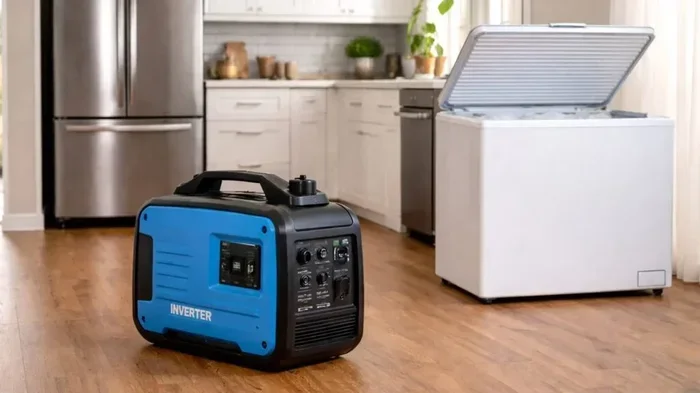
Inverter generators are the gold standard for RVs. They produce clean, stable power that is safe for sensitive electronics like laptops, phones, and TV screens. Traditional generators can send power spikes that damage your devices.
Inverter models are also much quieter. Many run under 60 decibels, which is about the volume of a normal conversation. That makes them perfect for campgrounds where noise rules are strict.
The downside is price. Inverter generators cost more than conventional models. But the clean power and quiet operation are worth every penny for most RVers.
Conventional Portable Generators
Conventional generators are the budget-friendly option. They are widely available and come in many sizes. You can find them at hardware stores, big box retailers, and online.
However, they are louder and produce less stable power. If you are on a tight budget and only need basic power, a conventional unit works. Just be careful with sensitive electronics.
Dual Fuel Generators
Dual fuel generators let you run on gasoline or propane. This gives you flexibility at the campsite. Propane is often cheaper and burns cleaner than gasoline.
Many RVers prefer dual fuel models because propane stores longer and is easier to find at some campgrounds. If you boondock frequently, having the propane option is a big advantage.
Built-In RV Generators
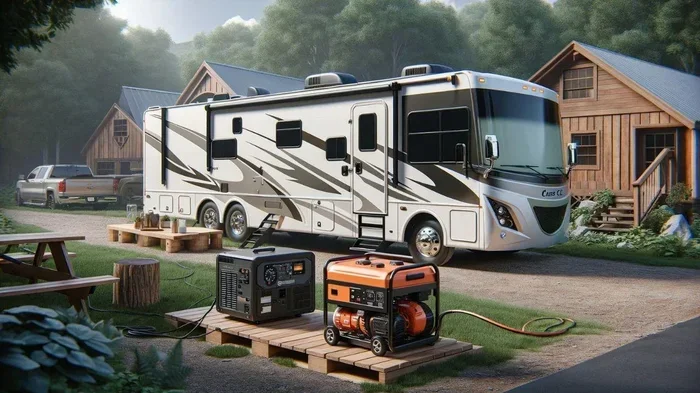
Some RVs come with a built-in generator mounted on the chassis. These are convenient because they are already installed and wired into the RV electrical system.
But built-in generators are expensive to replace and repair. They also add weight to the vehicle. If you are buying a used RV or considering a retrofit, a portable generator often makes more sense.
Top Features to Look For
Not all generators are created equal. When shopping for a portable generator for RV use, look for these key features.
Noise Level
Campground noise rules are getting stricter every year. Many parks limit generators to 55 or 60 decibels. Look for a quiet generator for RV use that stays under that threshold.
Inverter models almost always win on noise. Some premium units run as low as 49 decibels. That is quieter than a normal conversation.
Fuel Efficiency
Generator fuel consumption varies a lot. A more efficient unit saves you money on gas and lets you run longer between fill-ups. Look for models with eco-mode or idle control features.
These features automatically adjust engine speed based on the load. Less load means less fuel burned. Over a long camping trip, the savings add up fast.
Outlet Configuration
Make sure the generator has the right outlets for your RV. A standard 30 amp RV needs a 120-volt outlet. Some generators also include USB ports for charging phones and tablets directly.
Check the number of outlets too. You want enough plugs to run multiple appliances without extension cords everywhere.
Portability and Weight
You will be moving this generator around. Look for models with built-in handles and wheels. A unit that weighs over 60 pounds gets heavy fast, especially if you have to carry it from your truck to the campsite.
Compact models in the 3000 to 4000 watt range usually weigh between 40 and 80 pounds. That is manageable for most people.
Runtime
Generator runtime tells you how long it can run on a single tank of fuel. For weekend camping, 8 to 10 hours is ideal. For longer trips, look for units that run 12 hours or more at half load.
Runtime depends heavily on the load you are putting on the generator. Running at full capacity burns fuel much faster than running at partial load.
Common Mistakes to Avoid
Many RVers make the same generator mistakes over and over. Avoid these pitfalls to save money and frustration.
Buying Based on Maximum Wattage Alone
The biggest mistake is looking only at the maximum wattage number on the box. That number is the surge rating, not what the generator can sustain. Always check the running wattage first.
A generator that says 4500 watts max but only 3500 running watts cannot actually power a 30 amp RV setup comfortably.
Ignoring Surge Power Needs
If you do not account for surge watts, your AC unit will never start. The compressor needs a big burst of power to kick on. If your generator cannot deliver that burst, the unit just hums and shuts down.
Always make sure your generator can handle the surge wattage of your biggest appliance, which is usually the air conditioner.
Choosing a Generator That Is Too Big
More power is not always better. An oversized generator wastes fuel, costs more, and is heavier to carry. It also runs less efficiently at low loads, which can cause carbon buildup over time.
Match the generator size to your actual needs. A 3500 watt unit handles most 30 amp RV setups perfectly.
Skipping the Parallel Capability
Some generators can be linked together in parallel to double your power output. This is a great feature if you ever upgrade to a larger RV or need extra power for special situations.
Not all models support parallel pairing. Check this feature before you buy if you think you might need it down the road.
Quick Tips for Generator Use in RVs
Follow these simple tips to get the most out of your generator and stay safe on the road.
- Always run your generator outdoors. Never use it inside your RV, tent, or enclosed space. Carbon monoxide is deadly.
- Let the generator warm up before plugging in your RV. This protects both the generator and your appliances.
- Use a surge protector for your RV. It guards against power spikes and keeps your electrical system safe.
- Store fuel properly. Use approved containers and keep fuel away from heat sources.
- Check the oil regularly. Generators burn oil faster than you might expect, especially under heavy loads.
- Turn off unnecessary appliances when possible. This reduces the load and saves fuel.
- Clean the air filter monthly during heavy use. A dirty filter reduces performance and fuel efficiency.
Expert Insights on Generator Sizing
We spoke with several RV maintenance professionals about generator sizing. Here is what they had to say.
“The biggest misconception I see is people buying a generator based on the amp rating of their RV,” says Mark T., a certified RV technician with 15 years of experience. “A 30 amp RV does not need a 30 amp generator. You need to look at the actual wattage of the appliances you plan to run.”
“I always tell customers to add up their essential loads first,” he continues. “AC unit, fridge, and a few lights. That gives you your baseline. Then add a 20 percent buffer for safety. That is your target number.”
Another expert, Sarah L., a long-time full-time RVer, shared her perspective. “I run a 3600 watt inverter generator and it handles everything I need. I never run the AC and microwave at the exact same time, and I have never had an issue. It is all about knowing your usage patterns.”
The consensus among professionals is clear. A 3500 to 4000 watt inverter generator is the ideal choice for most 30 amp RV setups. It provides enough power for comfort without the bulk and cost of larger units.
Final Thoughts on Choosing the Right Generator Size
Finding the right size generator for 30 amp RV does not have to be complicated. Start by listing the appliances you use most often. Add up their running watts and factor in surge watts for your air conditioner. That gives you your target number.
For most RVers, a generator in the 3000 to 4000 watt range hits the sweet spot. It provides enough power for comfort, fits within a reasonable budget, and is easy to transport. An inverter model adds the benefits of clean power and quiet operation.
Remember to avoid the common mistakes we covered. Do not skip the surge wattage check. Do not buy more generator than you need. And always prioritize safety by using your generator outdoors and with proper electrical protection.
The right generator gives you freedom on the road. You can camp anywhere, run your appliances, and enjoy your trip without worrying about power. Take the time to size it correctly, and your generator will serve you well for years of adventures ahead.
Frequently Asked Questions
Can I run a 30 amp RV on a 2000 watt generator?
A 2000 watt generator can handle basic needs like charging devices and running lights. However, it cannot power an air conditioner or microwave at the same time. You will experience frequent overloads and breaker trips. For comfortable 30 amp RV living, you need at least 3000 watts.
What happens if my generator is too small for my 30 amp RV?
If your generator is undersized, it will overload when you run too many appliances at once. The breaker on the generator trips, cutting power to everything. Repeated overloads can also damage the generator and your RV electrical system over time.
Is a 3500 watt generator enough for a 30 amp RV?
Yes, a 3500 watt generator is enough for most 30 amp RV setups. It can handle the air conditioner, fridge, and a few smaller appliances simultaneously. Just avoid running the AC and microwave at the exact same time to stay within safe limits.
Do I need a special generator for a 30 amp RV?
You do not need a special RV-only generator. Any standard portable generator with the right wattage will work. The key is choosing a unit that produces clean power, which is why inverter generators are the most popular choice among RV owners.
How long can I run a generator while camping?
Most generators can run 8 to 12 hours on a full tank at moderate load. Runtime depends on the fuel tank size, engine efficiency, and how much power you are drawing. Always check the manufacturer’s runtime specs before buying.
Can I use a generator with my RV air conditioner in hot weather?
Yes, a 3000 to 4000 watt generator can run an RV air conditioner in hot weather. Just make sure you account for the surge wattage when the compressor starts up. If you notice the AC struggling, reduce your other electrical loads to free up power.
=== CONCLUSION ===
Choosing the right size generator for 30 amp RV comes down to understanding your power needs and matching them to the right unit. A generator in the 3000 to 4000 watt range covers most camping setups comfortably. Focus on running watts, account for surge needs, and choose an inverter model for clean, quiet power.
Avoid the common traps like ignoring surge ratings or buying more generator than you need. Use the appliance wattage list in this guide to calculate your own power requirements. With the right generator for 30 amp RV setup, you will enjoy reliable power wherever your adventures take you.