Finding the Right Size Generator for Your Whole House
Finding the right size generator for your whole house depends on your home’s wattage needs, square footage, and essential circuits. A typical home needs a 5000 to 7500 watt generator for basic coverage, while larger homes may require a 20000 to 25000 watt unit. This guide walks you through every step of choosing the perfect whole house generator for your family.
Power outages can strike without warning. Storms, equipment failures, and grid overloads leave thousands of homes in the dark every year. When the lights go out, a whole house generator can make all the difference between a minor inconvenience and a major disruption.
But here is the big question most homeowners face: what size generator for whole house do you actually need? Buying a unit that is too small means overloaded circuits and frustrated family members. Going too big wastes money and fuel. The sweet spot sits right in the middle, and finding it is easier than you think.
This guide breaks down everything you need to know. We will walk you through wattage calculations, generator types, fuel options, and installation tips. By the end, you will feel confident choosing the perfect home generator size for your household.
Key Takeaways
- Match your generator to your wattage needs: Calculate the total running and start-up wattage of your essential appliances to find the right size.
- Whole house generators range from 5,000 to 25,000 watts: The size you need depends on your home size, electrical panel, and lifestyle.
- Standby generators offer automatic backup: They kick in during power outages without manual intervention, unlike portable units.
- Fuel type matters for long-term use: Natural gas, propane, and diesel each have pros and cons for home power backup.
- Professional installation ensures safety: An automatic transfer switch and proper wiring are essential for a reliable setup.
- Don’t underestimate start-up wattage: Many appliances need extra power to start, which can trip an undersized generator.
- Regular maintenance keeps your generator ready: Test your unit monthly and schedule annual professional service.
📑 Table of Contents
Understanding Your Home’s Power Needs
Before you shop for a generator, you need to understand what your home actually requires. Every house is different. A small apartment has very different power needs than a large suburban home with a pool and a workshop.
The key is to focus on wattage requirements. Every appliance and device in your home draws a certain amount of power. Some need steady power to run, while others need a burst of extra energy to start up. Both numbers matter when you are sizing a generator.
Running Wattage vs Start-Up Wattage
Here is a concept that trips up many people. Running wattage is the continuous power an appliance needs to stay on. Start-up wattage (also called surge wattage) is the extra burst needed to kick things on. A refrigerator, for example, might need 700 watts to run but 2,100 watts to start. That is three times the running power.
Most home generators are rated for both. You need a unit that can handle the start-up surge of your biggest appliances. If you do not account for this, your generator will struggle or shut down when you need it most.
Essential Circuits to Consider
Not every circuit in your home needs backup power. Most homeowners focus on the essentials. These typically include:
- Refrigerator and freezer — keeps food safe during extended outages
- HVAC system — heating and cooling are critical in extreme weather
- Water pump — essential for well water systems
- Lighting — keeps your home safe and functional
- Internet router and modem — helps you stay connected
- Microwave and cooking appliances — makes meal prep possible
- Medical devices — life-saving equipment that cannot go without power
Make a list of the circuits you want to cover. Write down the wattage for each one. This list becomes the foundation of your generator size calculator decision.
How to Calculate the Right Generator Size
Calculating your power needs does not require an electrical engineering degree. A few simple steps will get you the number you need. Let us walk through the process together.
Step 1: List Your Essential Appliances
Start by listing every appliance and device you want to power during an outage. Check the nameplate on each unit for its wattage rating. If the label shows amps instead of watts, multiply amps by 120 volts to get watts.
Step 2: Add Up Running and Start-Up Watts
For each appliance, note both the running wattage and the start-up wattage. Add up all the running watts first. Then identify the appliance with the highest start-up wattage. Add that start-up number to your total running watts.
Here is a quick example:
- Refrigerator: 700 running / 2,100 start-up
- Central AC: 3,500 running / 4,500 start-up
- Lights (10 bulbs): 300 running / 300 start-up
- Microwave: 1,000 running / 1,000 start-up
- Router and modem: 50 running / 50 start-up
Total running watts: 5,550. Highest start-up surge: 4,500 (from the AC). Add them together and you get 10,050 total watts needed. You would want a generator rated for at least 11,000 to 12,000 watts to have a comfortable buffer.
Step 3: Add a Safety Margin
Always add at least 20 percent to your calculated total. This safety margin protects against overload and gives your generator room to breathe. Running a generator at full capacity constantly shortens its lifespan and increases fuel consumption.
Standby vs Portable Generators for Whole House Power
When people ask about what size generator for whole house, they often do not realize there are two main categories of generators. Each has its place, and the right choice depends on your budget, needs, and preferences.
Standby Generators
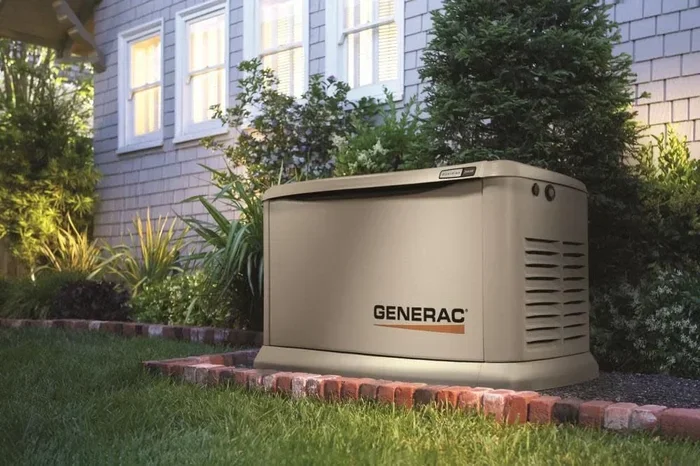
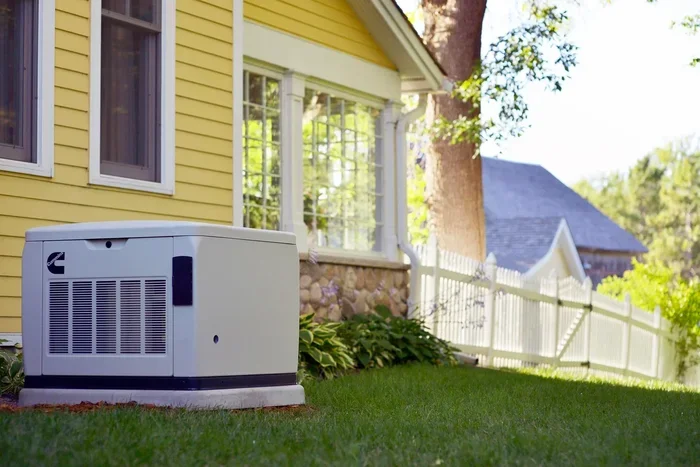
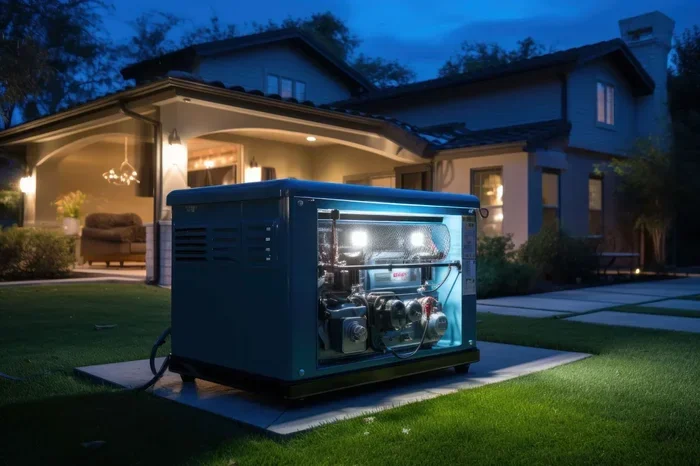
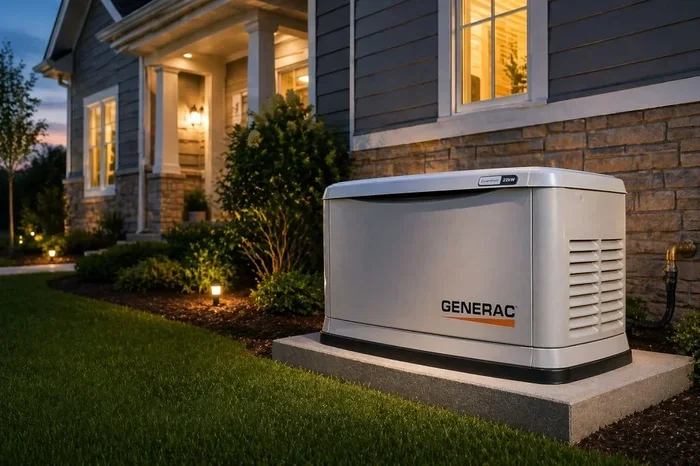
A standby generator is a permanent installation outside your home. It connects directly to your electrical panel and to your fuel supply. When the power goes out, an automatic transfer switch detects the outage and starts the generator within seconds. You do not need to lift a finger.
Standby units typically range from 7,000 to 24,000 watts. They can power an entire home, including central air, water heaters, and kitchen appliances. The downside is cost. A quality standby generator with professional installation can run between $5,000 and $15,000 or more.
Portable Generators
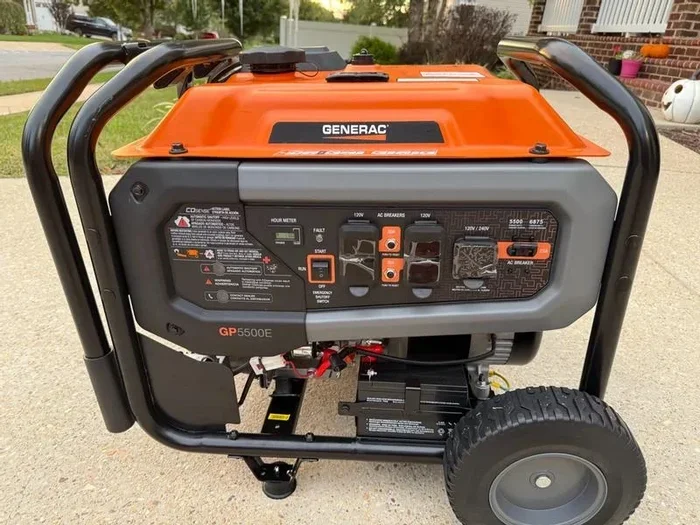
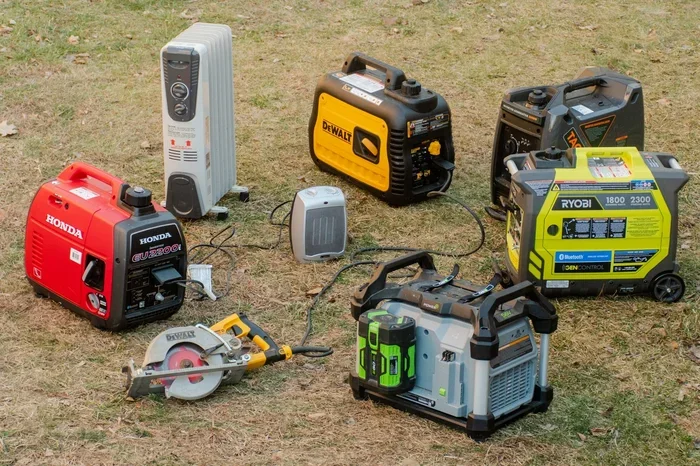
A portable generator is a movable unit you store in your garage or shed. You plug essential appliances directly into the generator using extension cords. Some homeowners use a manual transfer switch to connect the generator to their home’s wiring, but this requires careful setup.
Portable generators range from 3,000 to 8,500 watts typically. They are more affordable, often costing between $500 and $2,500. The trade-off is that you must manually start them and manage which appliances to plug in. They also cannot power your entire HVAC system in most cases.
Which One Is Right for You?
Here is a quick comparison to help you decide:
- Standby generators: Best for whole house coverage, automatic operation, and long outages. Higher upfront cost but greater convenience.
- Portable generators: Best for partial coverage, tight budgets, and occasional use. Lower cost but more manual work.
If you want the full home power backup experience and have a larger budget, a standby generator is the clear winner. For smaller homes or those on a tighter budget, a quality portable unit can still do the job for essential circuits.
Factors That Affect Generator Size
Several factors beyond your appliance list influence the generator size you need. Understanding these helps you make a smarter purchase.
Home Square Footage
Larger homes generally need more power. A 1,500 square foot home has fewer appliances and smaller HVAC systems than a 3,500 square foot home. Here is a rough guide:
- Small homes (up to 1,500 sq ft): 5,000 to 8,000 watts for essential circuits
- Medium homes (1,500 to 3,000 sq ft): 8,000 to 15,000 watts for partial to full coverage
- Large homes (3,000+ sq ft): 15,000 to 25,000 watts for whole house power
These numbers are estimates. Your actual needs depend on your specific appliances, insulation, and local climate.
Climate and Heating/Cooling Needs
Your HVAC system is usually the biggest single power draw in your home. If you live in a hot climate and rely on central air, you need a much larger generator than someone in a mild climate. The same goes for electric heating systems. A heat pump, for instance, can draw 5,000 watts or more during operation.
Fuel Type and Availability
The fuel your generator uses affects both its size and its practicality. Here are the most common options:
- Natural gas: Clean burning, continuous supply from the utility grid. Ideal for standby generators.
- Propane: Stored on-site, great for areas without natural gas lines. Burns cleanly but requires tank refills.
- Diesel: Very efficient and durable. Best for large standby units but requires fuel storage.
- Gasoline: Common in portable generators. Easy to find but has a shorter shelf life.
Choose a fuel type that is readily available in your area. Nothing is worse than needing fuel during a multi-day outage and not being able to get it.
Electrical Panel Capacity
Your home’s electrical panel sets an upper limit on how much power you can draw at once. Most modern homes have 200-amp panels, which can support larger generators. Older homes with 100-amp panels may need to prioritize circuits or upgrade the panel before installing a large standby unit.
Top Generator Sizes for Different Home Profiles
Let us get practical. Here are some real-world recommendations based on common home profiles. These numbers will help you narrow down your search for the right whole house generator.
Small Home or Apartment (500 to 1,500 sq ft)
For a small home or apartment, a 5,000 to 7,500 watt generator covers the essentials. This size handles a refrigerator, a few lights, a microwave, and a sump pump. Portable generators in this range are affordable and easy to store.
Quick Tip: If you live in an apartment or condo, check with your building management before installing any generator. Some communities have rules about fuel storage and noise.
Medium Home (1,500 to 3,000 sq ft)
A medium-sized home typically needs a 10,000 to 15,000 watt generator for partial whole house coverage. This size can power your refrigerator, AC, lights, and kitchen appliances simultaneously. Many homeowners in this range choose a standby unit for the convenience of automatic backup.
If you want to cover everything including a well pump and electric water heater, aim for the higher end of this range or consider a 20,000 watt unit.
Large Home (3,000+ sq ft)
Large homes with multiple AC units, electric ovens, and workshop tools need serious backup power. A 20,000 to 25,000 watt standby generator handles whole house coverage comfortably. These units often run on natural gas or propane and connect directly to your home’s fuel supply.
The investment is significant, but the peace of mind during a multi-day outage is priceless. A power outage in a large home without backup can mean spoiled food, frozen pipes, and uncomfortable living conditions for days.
Expert Tips for Choosing and Installing
Even after you pick the right size, proper installation and maintenance make all the difference. Here are some expert insights to help you get the most from your home generator.
Hire a Licensed Electrician
Installing a whole house generator is not a DIY project for most homeowners. A licensed electrician handles the wiring, the transfer switch, and ensures everything meets local building codes. Improper installation can void your warranty and create serious safety hazards.
Install an Automatic Transfer Switch
An automatic transfer switch (ATS) is the brain of your backup power system. It monitors your utility power and automatically switches to the generator when the grid fails. When power returns, it switches back and recharges the generator. Without an ATS, you are manually connecting and disconnecting your generator every time.
Test Your Generator Monthly
A generator that sits unused for months may not start when you need it. Most standby units have a built-in test cycle that runs weekly. You can also manually test your unit once a month by running it for 15 to 30 minutes under load.
Maintain Fuel Levels
For portable generators, keep fresh fuel on hand. Gasoline degrades within 30 days, so use a fuel stabilizer if you store it long-term. For standby units connected to natural gas or propane lines, fuel availability is not a concern.
Consider Noise Levels
Generators can be loud. Standby units are generally quieter than portables because they are enclosed and positioned away from living spaces. Check the decibel rating before purchasing, especially if you have close neighbors.
Think About Future Needs
When you are sizing a generator, think about what might change in the next five years. Are you planning to add a central humidifier? An electric vehicle charger? A hot tub? Building in a little extra capacity now saves you from upgrading later.
Common Mistakes to Avoid
Many homeowners make avoidable mistakes when buying a generator. Here are the most common ones and how to skip them.
- Undersizing the generator: This is the number one mistake people make. A generator that is too small will overload and shut down when you need it most. Always add that 20 percent safety margin.
- Ignoring start-up wattage: Focusing only on running watts leads to a generator that cannot start your biggest appliances. Always account for the surge.
- Skipping the transfer switch: Plugging a portable generator directly into a wall outlet is dangerous and can backfeed power into the grid, endangering utility workers.
- Choosing fuel without considering availability: A diesel generator is useless if you cannot get diesel delivered during a storm.
- Neglecting maintenance: A generator that has not been maintained in two years is essentially a very expensive paperweight when the power goes out.
Final Thoughts
Finding the right size generator for whole house comes down to understanding your power needs and choosing a unit that meets them with room to spare. Start by listing your essential appliances and calculating your total wattage. Decide between a standby and portable unit based on your budget and how much automation you want. Consider your home size, climate, and fuel availability.
A well-chosen generator is more than a convenience. It is a safety net for your family. During extended outages, it keeps your food cold, your home comfortable, and your critical devices running. Take the time to do the math, consult with a professional, and invest in a unit that fits your life.
The power of preparation is real. When the next storm hits or the grid goes down, you will be glad you took the time to find the perfect whole house generator. Your home, your family, and your peace of mind will thank you.
Frequently Asked Questions
What size generator do I need for a 2000 square foot house?
A 2,000 square foot home typically needs a 10,000 to 15,000 watt generator for partial to full coverage. The exact size depends on your appliances, HVAC system, and whether you want to power everything or just the essentials. Use the wattage calculation method in this guide to find your specific number.
Can a 5000 watt generator run a whole house?
A 5,000 watt generator can run essential circuits in a small home, but it will not power everything at once. It works well for a refrigerator, lights, a few outlets, and a small window AC unit. For larger homes, you will need a bigger unit or a way to prioritize which circuits to run.
What is the difference between running wattage and starting wattage?
Running wattage is the continuous power an appliance uses while operating. Starting wattage is the extra burst of power needed to start motors and compressors. Appliances like refrigerators, AC units, and well pumps need significantly more power to start than to run. Your generator must handle the highest start-up surge.
How long can a whole house generator run continuously?
Standby generators connected to natural gas or propane can run continuously for days or even weeks. Portable generators with a full tank of gasoline typically run 8 to 24 hours depending on the load. Always check the manufacturer’s runtime rating for your specific model.
Do I need a transfer switch with my generator?
Yes, if you want to connect the generator to your home’s electrical system, you need a transfer switch. It prevents backfeeding power into the grid, which is dangerous for utility workers. An automatic transfer switch also makes the switchover seamless during an outage.
What fuel is best for a whole house generator?
Natural gas is the most popular fuel for standby generators because it connects to your existing utility line and never runs out. Propane is a great alternative for homes without natural gas service. Diesel is efficient for large units but requires fuel storage. Choose the fuel that is most accessible and practical for your situation.