What Does a Generac Generator Run On and Why It Matters
A Generac generator runs on multiple fuel types, including gasoline, propane, natural gas, and diesel. Knowing what fuel a Generac generator runs on helps you choose the right model for your home, job site, or backup power needs. This guide breaks down fuel options, runtime, efficiency, and maintenance so you can make an informed decision.
When the power goes out, you want to know that your Generac generator will start and keep running. The first question many homeowners ask is: what does a Generac generator run on? The answer is straightforward. Generac builds its generators to run on several common fuels, and each fuel type brings its own advantages. Whether you need a portable generator for weekend camping or a whole house generator to keep your home running through a storm, the fuel you choose shapes your experience.
Understanding your fuel options is not just about picking a type. It affects how long your generator will run, how much it costs to operate, and how much maintenance it needs. Generator fuel efficiency can mean the difference between a smooth backup power experience and a frustrating one. This guide walks you through every fuel type a Generac generator can use, explains runtime and consumption, and helps you pick the best match for your power needs.
We’ll also share practical tips on maintenance, common mistakes to avoid, and expert insights on fuel storage. By the end, you will have a clear, confident answer to what does a Generac generator run on and why that choice matters for your home or business.
Key Takeaways
- Multiple Fuel Options: Generac generators can run on gasoline, propane, natural gas, and diesel, giving you flexibility for different situations.
- Runtime Varies by Fuel: Propane and natural gas often provide longer runtimes than gasoline, especially with larger tanks or continuous supply.
- Fuel Efficiency Matters: Understanding fuel consumption rates helps you estimate running costs and plan for extended outages.
- Matching Fuel to Need: The best fuel depends on your power demands, storage capacity, budget, and how often you use the generator.
- Maintenance is Key: Regular fuel system upkeep prevents problems and extends the life of your generator.
- Cleaner Fuels Offer Benefits: Propane and natural gas burn cleaner than gasoline, reducing engine wear and emissions.
📑 Table of Contents
What Does a Generac Generator Run On? Fuel Types Explained
Generac offers a wide range of generators, and the company designs many models to run on more than one fuel. This flexibility is a big advantage. Let’s look at the four main fuel types you will find in a Generac generator.
Gasoline-Powered Generac Generators
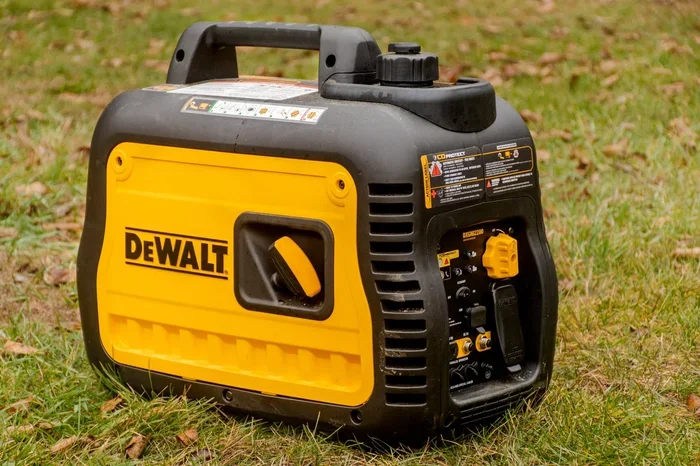
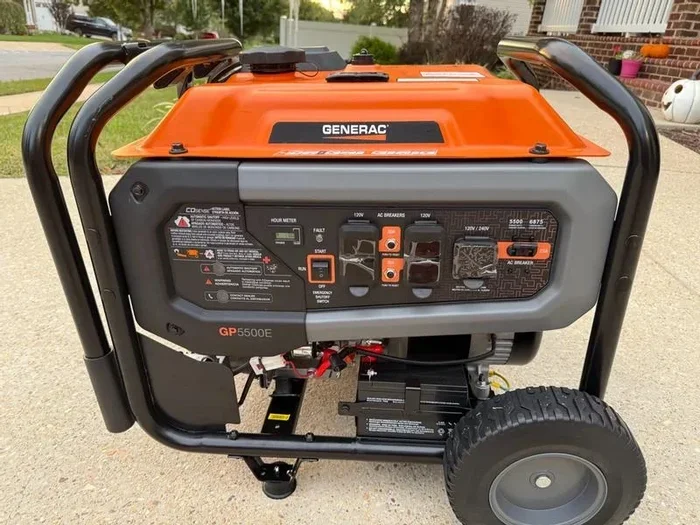
Gasoline is the most common fuel for smaller portable generators. Most Generac portable models run on regular gasoline, which you can buy at any gas station. Gasoline units are easy to start, lightweight, and affordable upfront. They work well for short-term use, camping trips, job sites, and emergency backup for a few essential circuits.
However, gasoline has a shorter shelf life than other fuels. It can go stale in 30 to 90 days, which means you need to use fuel stabilizer if you store it for a long time. Gasoline also burns dirtier than propane or natural gas, leading to more carbon buildup inside the Generac engine over time.
Propane Generac Generators
Propane generators are very popular among homeowners who want a clean-burning, long-lasting fuel source. Propane stores indefinitely, so you can keep a tank on hand without worrying about degradation. Many Generac models are built as dual fuel generators, meaning they can run on either gasoline or propane. This gives you options when one fuel is hard to find.
Propane burns cleaner than gasoline, which means less engine wear and fewer emissions. A propane generator also tends to run quieter. The trade-off is that propane has a lower energy density than gasoline, so you may use more fuel by volume to get the same runtime. But with a large propane tank, the runtime can be excellent.
Natural Gas Generac Generators
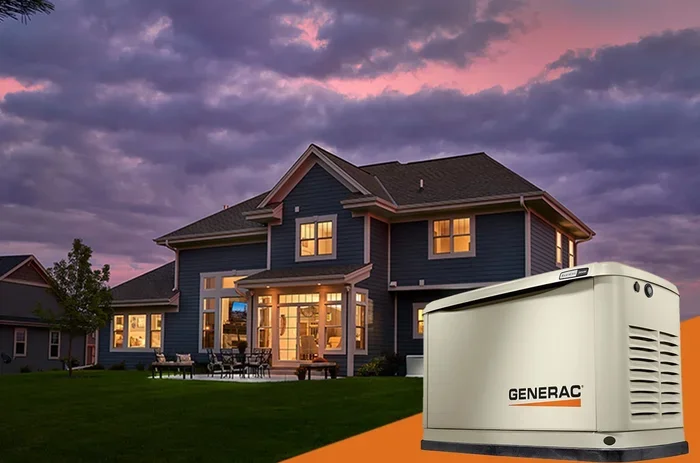
Natural gas is a great choice for a standby generator that needs to run for days. Generac offers many whole-house models that connect directly to your home’s natural gas supply line. You never have to refuel because the generator draws gas from the utility line. This makes natural gas one of the most convenient options for backup power.
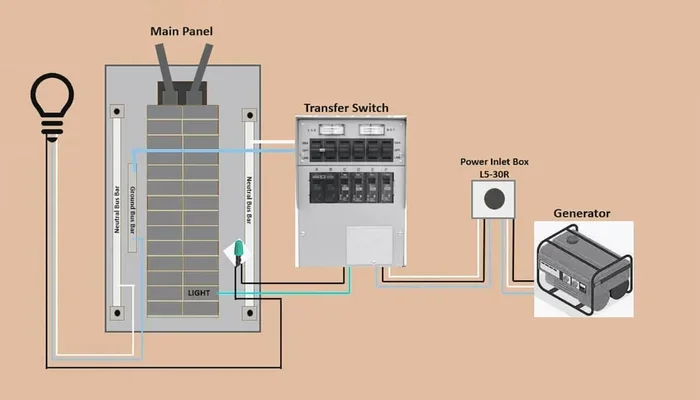
The natural gas supply is continuous as long as the utility is operational. Natural gas burns very cleanly, which helps the engine last longer. The downside is that natural gas has even lower energy density than propane, so fuel consumption is higher. You also need a professional installation to connect the generator to your gas line, and a transfer switch is required for safe operation.
Diesel Generac Generators
Diesel is the fuel of choice for heavy-duty and commercial Generac power systems. Diesel generators are built for durability and long runtimes under heavy loads. They are common on job sites, farms, hospitals, and businesses that need reliable backup power for days at a time.
Diesel fuel has a long shelf life and high energy density, meaning you get more power per gallon. Diesel engines are also very efficient, which lowers generator running costs over time. However, diesel generators are louder, heavier, and more expensive than gasoline or propane models. They also require specific maintenance, like fuel filter changes and winterizing in cold climates.
How Long Can a Generac Generator Run on a Single Tank?
Runtime is one of the most important factors when choosing a generator. The answer to what does a Generac generator run on directly affects how long it will keep your lights on. Runtime depends on fuel type, tank size, load, and engine efficiency.
Runtime by Fuel Type
Here is a general idea of how long a mid-size Generac generator can run on a full tank at 50% load:
- Gasoline: 7 to 12 hours on a 2.5 to 3.5 gallon tank.
- Propane: 10 to 18 hours on a 20 to 40 pound tank, depending on the load.
- Natural Gas: Unlimited, as long as the gas line is connected and the utility is running.
- Diesel: 12 to 24 hours or more on a large tank, ideal for extended use.
These numbers vary by model. A small portable generator will run shorter than a large standby unit. Always check the specific runtime numbers on the Generac product page or owner’s manual.
Factors That Affect Runtime
Several things change how long your generator runs on a given amount of fuel:
- Load Level: Running at full load drains fuel much faster than running at 25% or 50% load.
- Tank Size: Larger tanks obviously hold more fuel and extend runtime.
- Fuel Type: Diesel and propane generally offer longer runtimes per gallon than gasoline.
- Engine Efficiency: Modern Generac engines with economy modes can stretch runtime significantly.
- Temperature: Cold weather can reduce engine efficiency and increase fuel consumption.
Generac Generator Fuel Efficiency and Runtime
Generator fuel efficiency is all about getting the most runtime from the least amount of fuel. Generac uses advanced engine technology to maximize efficiency across all fuel types. Understanding how fuel consumption works helps you plan for outages and manage generator running costs.
Understanding Fuel Consumption Rates
Fuel consumption is measured in gallons or pounds per hour at a given load. A gasoline Generac portable generator might use 0.5 to 1.0 gallons per hour at 50% load. A propane model on a 20-pound tank might use about 1 to 2 pounds of propane per hour. A natural gas standby generator can consume 2 to 3 therms per hour depending on the size of the home and the load.
The key takeaway is that no fuel is perfect in every situation. Gasoline gives you high energy density in a small container, which is why it’s great for portability. Propane and natural gas give you cleaner burning and longer storage life. Diesel gives you the best efficiency for heavy, continuous loads.
Quick Tips for Maximizing Runtime
- Use Economy Mode: Many Generac generators have an economy or eco mode that adjusts engine speed to save fuel.
- Reduce Unnecessary Loads: Turn off lights and appliances you do not need to run.
- Keep the Tank Full: Condensation can form in an empty tank, leading to fuel problems.
- Use Fresh Fuel: Always use clean, stabilized fuel for gasoline units.
- Maintain the Air Filter: A dirty air filter forces the engine to work harder and use more fuel.
Choosing the Right Fuel for Your Generac Generator
Deciding on a fuel type comes down to your specific needs. The table below compares the main fuel options for a Generac generator so you can see the pros and side by side.
| Fuel Type | Availability | Runtime | Cost per Unit | Best For |
|---|---|---|---|---|
| Gasoline | Easy to find at any gas station | 7–12 hours (tank dependent) | Moderate | Portable use, short-term backup, camping |
| Propane | Available at propane dealers and some gas stations | 10–18+ hours (tank dependent) | Moderate to high | Clean burning, long storage, dual fuel flexibility |
| Natural Gas | Utility line, continuous supply | Unlimited (with supply) | Low to moderate | Whole house standby, long outages |
| Diesel | Fuel stations and bulk delivery | 12–24+ hours (tank dependent) | Moderate to high | Heavy duty, commercial, extended use |
When you compare propane vs gasoline, propane wins on storage life and cleanliness, while gasoline wins on energy density and portability. Natural gas is the hands-down winner for convenience if you already have a gas line. Diesel is the best choice for heavy loads and long-term running.
Matching Fuel to Your Needs
Ask yourself a few questions before you decide:
- How long do I need the generator to run during an outage?
- Do I have access to a natural gas line or propane tank?
- Do I need to move the generator around frequently?
- What is my budget for fuel and maintenance?
- How much power do I need to run essential circuits or the whole house?
If you want a simple, affordable setup for occasional use, a gasoline or dual fuel portable generator works well. If you want automatic backup that never needs refueling, a natural gas or propane standby generator is the way to go.
Maintenance Tips for Fuel Systems
No matter what fuel your Generac generator runs on, regular maintenance keeps it reliable. A well-maintained Generac engine will start easily and run efficiently for thousands of hours. Neglecting the fuel system is the fastest way to cause problems.
Common Mistakes to Avoid
Many people make simple mistakes that shorten the life of their generator. Here are a few to watch out for:
- Using old gasoline: Stale gasoline gums up the carburetor and can prevent starting. Always use fresh fuel and add stabilizer if you store the generator.
- Ignoring fuel filters: A clogged fuel filter restricts flow and reduces runtime. Replace it according to the maintenance schedule.
- Running on empty: Running the generator until it stalls can pull air into the fuel lines, making it hard to restart.
- Skipping oil changes: Oil breaks down over time, especially if you run on dirty fuels like diesel. Clean oil protects the engine.
- Not winterizing: In cold climates, diesel and even gasoline can gel. Use winter-grade fuel or add antifreeze additives as needed.
Expert Insights on Fuel Storage
Proper fuel storage is a big part of generator ownership. Propane is the easiest to store because it does not degrade. Natural gas requires no storage because it comes from the utility line. Gasoline should be kept in approved containers, in a cool, well-ventilated area, and used within 30 days or treated with stabilizer.
Diesel fuel can last 6 to 12 months with proper storage. If you store diesel for a long time, add a biocide and water remover to prevent microbial growth. Experts also recommend keeping a small supply of fuel stabilizer on hand for all fuel types.
Why Fuel Type Matters for Your Power Needs
The fuel you choose for your Generac generator affects more than just runtime. It impacts your wallet, the environment, and how much effort you put into maintenance. Understanding these factors helps you make a smart decision that you will not regret when the power goes out.
Cost and Availability Considerations
Gasoline is widely available and usually the cheapest upfront, but it can be expensive during emergencies when demand spikes. Propane is often cheaper per unit of energy and can be bought in bulk. Natural gas is typically the most affordable fuel because it comes from a utility, and you do not have to handle or store it. Diesel is efficient but can be pricier and harder to store safely.
When you calculate generator running costs, think about more than just the price per gallon. Consider how much fuel you will use over a typical outage. A natural gas standby generator might have a lower fuel cost per hour than a gasoline portable, but the installation cost is higher. The right choice balances upfront cost with long-term savings.
Environmental Impact
Burning fossil fuels always has some environmental impact, but some fuels are cleaner than others. Propane and natural gas produce fewer particulate emissions and less carbon monoxide than gasoline. They also contain no ethanol, which can be corrosive and problematic for small engines over time. If you care about reducing your carbon footprint, a propane generator or natural gas generator is a greener choice.
Diesel engines have improved a lot in recent years, but they still produce more nitrogen oxides than cleaner fuels. For most homeowners, propane or natural gas offers the best balance of performance and environmental responsibility.
Conclusion
The answer to what does a Generac generator run on is clear: gasoline, propane, natural gas, and diesel. Each fuel type offers a unique mix of convenience, runtime, cost, and cleanliness. By understanding your options, you can choose the right Generac generator and fuel for your home, business, or job site. Whether you need a quick portable generator for a weekend or a reliable whole house generator for multi-day backup, the fuel choice makes all the difference.
Take the time to assess your power needs, consider your fuel access, and plan for maintenance. A little preparation now saves you from headaches later. With the right fuel and a well-maintained Generac engine, you will have confident, uninterrupted backup power whenever you need it most.
Frequently Asked Questions
What is the most common fuel for a Generac generator?
Gasoline is the most common fuel for smaller portable Generac generators. It is easy to find and works well for short-term use. Many Generac standby models also offer gasoline as an option or as a starting fuel.
Can a Generac generator run on both propane and natural gas?
Yes, many Generac generators are built as dual fuel or tri-fuel models. These units can run on propane, natural gas, or gasoline depending on the model and the fuel supply you have available.
How long can a Generac standby generator run on natural gas?
A Generac standby generator connected to a natural gas line can run indefinitely as long as the utility supply remains active. You do not need to refuel, which makes it one of the most convenient options for long outages.
Is propane or gasoline better for a Generac generator?
Propane burns cleaner and stores longer than gasoline, making it great for standby and backup use. Gasoline is better for portable units where you need easy refueling and high energy density in a small container. The best choice depends on your usage and storage situation.
What fuel gives the longest runtime for a Generac generator?
Diesel and natural gas typically offer the longest runtimes. Diesel has high energy density and is great for heavy loads. Natural gas provides unlimited runtime through a utility connection, making it ideal for whole-house standby systems.
How do I store fuel safely for my Generac generator?
Store gasoline in approved containers in a cool, ventilated area and use it within 30 days or add fuel stabilizer. Propane tanks should be stored upright and away from heat sources. Diesel should be kept in a clean, sealed container and treated with a biocide for long-term storage.