What Are No Code Tools and Why They Are So Popular
No code tools are software platforms that let you build applications, websites, and automations using visual drag-and-drop interfaces instead of traditional programming. They empower business users and beginners to create real digital products without needing technical skills. The no code movement has exploded because it saves time, cuts costs, and puts power in the hands of everyday people. Whether you want to build a simple website or a complex workflow, no code tools give you the right power to get the job done.
Key Takeaways
- No code tools let anyone build software: You don’t need programming skills to create apps, websites, or automated workflows.
- They save time and money: Building with visual interfaces is far faster and cheaper than hiring developers.
- The no code movement is growing fast: Millions of business users and entrepreneurs now rely on these platforms.
- You can build real, functional products: From mobile apps to full websites, no code platforms deliver professional results.
- Choosing the right platform matters: Match the tool to your specific project goals and skill level.
- No code complements traditional development: Even experienced developers use these tools for rapid prototyping and testing.
📑 Table of Contents
- What Are No Code Tools and Why Are They Changing Everything?
- How No Code Tools Work
- Types of No Code Tools You Can Use
- Benefits of Using No Code Tools
- Common Mistakes People Make with No Code Tools
- Who Uses No Code Tools?
- No Code Tools vs Traditional Development
- How to Get Started with No Code Tools
- Key Takeaways
What Are No Code Tools and Why Are They Changing Everything?
No code tools are software platforms that let you build applications, websites, and automated workflows without writing a single line of traditional code. Instead of typing complex programming languages, you use visual interfaces, drag-and-drop builders, and pre-built components. Think of it like what size generator you need to run power tools — you pick the right tool for the job, and it does the heavy lifting for you. The no code movement has transformed how people create digital products, and it shows no signs of slowing down.
If you have a great idea for an app or a website but don’t know how to code, no code tools are your answer. These platforms put real software creation into the hands of everyday people. Business owners, entrepreneurs, marketers, and hobbyists can all build functional digital products in hours instead of months. The beauty of no code software is that it removes the biggest barrier: the need for technical skills.
The no code movement started small but has grown into a massive industry. Millions of people around the world now use visual development platforms to bring their ideas to life. From simple personal websites to complex business applications, no code platforms handle it all. This shift is part of a bigger trend called digital transformation, where companies and individuals find faster, smarter ways to build technology.
Why No Code Tools Are So Popular Right Now
Several factors drive the popularity of no code tools. First, traditional software development is expensive. Hiring skilled developers costs a lot of money and takes a long time. No code platforms flip that model entirely. You can build a working app in a fraction of the time and for a fraction of the cost.
Second, the demand for digital products has skyrocketed. Every business needs a website, a mobile app, or some kind of digital presence. No code tools make it possible for small businesses and startups to compete with larger companies. They give everyone access to the same powerful technology that once required years of training.
Third, the tools themselves have gotten incredibly good. Early no code platforms were limited, but today’s options offer stunning designs, real functionality, and powerful features. You can build things that look and feel like they were made by professional developers. This quality is a huge reason why so many people are jumping on board.
How No Code Tools Work
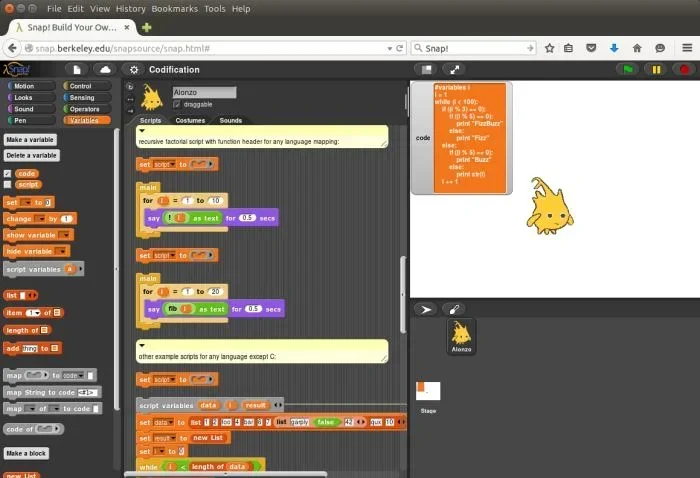
At the heart of every no code platform is a visual interface. Instead of writing lines of code, you work with blocks, templates, and drag-and-drop elements. You click, drag, and connect pieces together to build your project. The platform handles all the behind-the-scenes coding that makes everything work.
Most no code platforms use a component-based approach. You start with a blank canvas or a pre-designed template. Then you add elements like buttons, forms, images, and text boxes. You can customize colors, fonts, layouts, and functionality all through simple visual controls. There is no need to understand how the code works underneath.
Many platforms also include built-in features like database management, user authentication, and payment processing. This means you can create full-featured applications without ever touching a line of code. The platform takes care of the technical complexity so you can focus on your vision.
Drag and Drop: The Core of Visual Development
Drag and drop is the signature feature of most no code tools. You simply drag an element from a library and drop it onto your workspace. Want to add a button? Drag it. Need a photo gallery? Drag it. Want to change the layout? Drag and rearrange. This intuitive approach makes building software feel more like designing than programming.
Some platforms also use visual logic builders. Instead of writing conditional statements or loops, you connect nodes on a canvas. This is called flow-based programming, and it is a powerful way to build automation and logic without traditional coding. These visual programming methods make no code tools accessible to absolutely anyone.
Types of No Code Tools You Can Use
No code tools come in many shapes and sizes. Each type serves a different purpose, and many platforms overlap in what they can do. Here are the most common categories of no code software you will encounter.
Website Builders
Website builders are the most popular type of no code tool. Platforms like Webflow, Wix, and Squarespace let you create beautiful, professional websites without any coding knowledge. You choose a template, customize the design, add your content, and publish. These tools are perfect for small businesses, portfolios, blogs, and personal projects.
Modern website builders offer responsive design, meaning your site looks great on phones, tablets, and desktops. Many also include e-commerce features, so you can sell products directly from your site. The barrier to entry is incredibly low, which is why so many people use them.
App Builders
App builders let you create mobile and web applications without writing code. Platforms like Bubble, Adalo, and Glide give you the power to build full-featured apps. You can design the user interface, set up databases, and define how users interact with your app. All of this happens through a visual, intuitive interface.
These app builders are incredibly powerful. People have built everything from simple to-do list apps to complex marketplace platforms using no code tools. The key is choosing the right platform for your specific needs. If you are wondering what kind of generator do I need for your project, the same logic applies here — match the tool to the complexity of what you want to build.
Automation and Workflow Tools
Automation tools like Zapier, Make, and Airtable let you connect different apps and automate repetitive tasks. For example, you can set up a workflow where a new email attachment automatically saves to a cloud folder and triggers a notification. These automation tools save hours of manual work and reduce human error.
Workflow automation is a game-changer for small businesses and teams. You can build complex processes without any technical knowledge. The visual builders make it easy to see how each step connects to the next. This type of no code tool is perfect for streamlining daily operations and improving productivity.
Database and Spreadsheet Tools
Some no code platforms focus on data management. Airtable, for example, combines the familiarity of a spreadsheet with the power of a database. You can organize information, create forms, build views, and even connect to other apps. These tools are incredibly versatile and serve as the backbone for many no code projects.
Other platforms like Notion and Coda blend documents, databases, and project management into one workspace. They are excellent for teams that want to organize information and collaborate without needing a dedicated IT department. These tools prove that no code software can handle serious data needs.
Benefits of Using No Code Tools
The advantages of no code tools go far beyond just not needing to code. Let us look at the biggest benefits that make these platforms so valuable.
Speed and Speed to Market
One of the biggest advantages is speed. What might take a team of developers weeks or months to build can often be completed in days or even hours with no code tools. This rapid prototyping capability lets you test ideas quickly and get feedback early. You can build a working version of your product in a single afternoon and share it with potential users the same day.
Speed matters in business. The faster you can launch, the faster you can learn, iterate, and grow. No code tools compress the development timeline dramatically, giving you a real competitive edge.
Cost Savings
Hiring developers is expensive. Even hiring a single full-time developer costs tens of thousands of dollars per year. No code tools eliminate or drastically reduce this cost. Many platforms offer free tiers or affordable monthly plans. This means startups and small businesses can build professional products without breaking the bank.
The cost savings extend beyond just development. Because you can build and maintain products yourself, you do not need to rely on external agencies or contractors for every small change. You have full control over your project and your budget.
Empowerment and Accessibility
No code tools democratize software creation. They put powerful technology into the hands of people who do not have traditional technical backgrounds. This is a huge deal for business users who understand their customers and processes but previously had no way to build digital solutions.
The no code movement is fundamentally about access. It says that anyone with a good idea and the willingness to learn can create something real. This accessibility has sparked an explosion of creativity and innovation across industries.
Flexibility and Iteration
No code platforms make it easy to change and improve your projects. Need to move a button, add a feature, or change the layout? You can do it in minutes, not days. This flexibility encourages experimentation and continuous improvement. You can test different versions, gather feedback, and refine your product quickly.
This iterative approach is at the heart of modern product development. No code tools give you the freedom to experiment without the fear of breaking something expensive or complex.
Common Mistakes People Make with No Code Tools
While no code tools are powerful, they are not magic. There are common pitfalls that beginners should watch out for.
Underestimating the Learning Curve
Even though no code tools are designed to be easy, they still take time to learn. Each platform has its own interface, features, and quirks. Give yourself time to explore and practice before tackling a big project. Start with small projects and gradually work your way up to more complex builds.
Choosing the Wrong Platform
Not all no code platforms are created equal. Some are better for websites, while others excel at app development or automation. Choosing the wrong platform can lead to frustration and wasted effort. Do your research before committing to a tool. Think about what you want to build and find the platform that best fits those needs.
Ignoring Scalability
No code tools are great for getting started, but some platforms may struggle as your project grows. If you plan to serve thousands or millions of users, make sure your chosen platform can handle the scale. Think about your long-term goals from the beginning, even if you are just building a simple prototype today.
Overcomplicating Your Build
It is easy to get carried away and add features you do not really need. Start with a simple, focused product. You can always add more later. Building too much too soon is one of the most common mistakes new users make with no code platforms. Keep it simple and iterate based on real feedback.
Who Uses No Code Tools?
The answer might surprise you. No code tools are used by a wide range of people and organizations.
Entrepreneurs and Startups: Founders use no code tools to build minimum viable products (MVPs) quickly and cheaply. They can test their business ideas without investing in a full development team. This rapid approach helps them validate concepts before committing serious resources.
Small Business Owners: Local businesses use no code tools to build websites, manage inventory, automate marketing, and create customer portals. These tools give small businesses capabilities that were once only available to large corporations.
Marketers and Creatives: Marketing teams build landing pages, email automation workflows, and campaign dashboards. Designers create interactive prototypes without waiting for developers. Creators build personal brands and digital products on their own terms.
Enterprise Teams: Even large companies use no code tools for internal projects, rapid prototyping, and empowering their teams. The no code movement has reached every corner of the business world. Many organizations now have dedicated citizen developers — employees who build tools and solutions using no code platforms as part of their regular roles.
Hobbyists and Learners: People build personal projects, side hustles, and learning experiments with no code tools. It is a fantastic way to explore technology and develop digital skills without formal education in programming.
No Code Tools vs Traditional Development
No code tools and traditional development each have their place. Understanding the differences helps you choose the right approach for your project.
Traditional development offers unlimited flexibility and control. Professional developers can build anything, from simple websites to complex enterprise systems. However, this power comes at a cost: time, money, and specialized skills.
No code tools trade some flexibility for speed and accessibility. They are perfect for standard use cases and rapid development. For highly custom or complex applications, traditional coding may still be necessary. But for most everyday projects, no code tools deliver excellent results with far less effort.
The best approach often combines both. Many professional developers use no code platforms for rapid prototyping and testing. This hybrid approach gives you the best of both worlds: speed and creativity from no code, combined with the power and precision of traditional development when needed.
Understanding what an ozone generator is before you use one is similar to how you should approach no code tools. Learn what the platform can do, understand its limitations, and then use it to its full potential. The same principle applies to any tool you adopt for building digital products.
How to Get Started with No Code Tools
Getting started with no code tools is easier than you might think. Follow these steps to begin your journey.
- Define your goal: Know what you want to build before you start. Is it a website, an app, or an automated workflow? Having a clear goal helps you choose the right platform.
- Research platforms: Look at the top options in your category. Read reviews, watch tutorials, and try free trials. Most no code platforms offer free plans so you can explore before committing.
- Start small: Build a simple project first. Get comfortable with the interface and basic features. Do not try to build your dream project on day one.
- Follow tutorials: Most platforms have extensive learning resources. Video tutorials, documentation, and community forums can help you learn faster and avoid common pitfalls.
- Build and iterate: Launch your project, get feedback, and improve. The beauty of no code tools is that changes are quick and painless. Keep refining until you are happy with the result.
Remember, everyone starts somewhere. The most important step is simply to begin. The no code ecosystem is welcoming and full of resources for beginners. You will be surprised how much you can build in your first few weeks.
Key Takeaways
- No code tools let anyone build software: You do not need programming skills to create apps, websites, or automated workflows using visual, drag-and-drop interfaces.
- They save significant time and money: Building with visual interfaces is far faster and cheaper than hiring traditional developers for your project.
- The no code movement is reshaping software development: Millions of business users and entrepreneurs now rely on these platforms to bring their ideas to life.
- You can build real, functional products: From simple personal websites to complex marketplace platforms, no code tools deliver professional-grade results.
- Choosing the right platform is critical: Match the tool to your specific project goals, complexity, and long-term scalability needs.
- No code complements traditional development: Even experienced developers use these platforms for rapid prototyping and testing new ideas quickly.
- Start simple and iterate: Begin with a small project, learn the platform, and gradually build more complex solutions as your confidence grows.
Frequently Asked Questions
What are no code tools used for?
No code tools are used to build websites, mobile apps, web applications, and automated workflows without writing traditional programming code. They serve business users, entrepreneurs, and creators who want to bring digital ideas to life quickly and affordably. These platforms use visual interfaces and drag-and-drop builders to make software creation accessible to everyone.
Are no code tools really free?
Many no code platforms offer free tiers with limited features, but most also have paid plans for more advanced needs. The free plans are great for learning, prototyping, and small projects. Paid plans typically unlock more storage, features, and customization options. Overall, no code tools are far more affordable than hiring a team of professional developers.
Can no code tools handle complex projects?
Yes, many no code platforms can handle surprisingly complex projects. Some have been used to build full-scale marketplace platforms, internal business tools, and sophisticated web applications. However, extremely complex or highly customized projects may still require traditional development. The best approach is to assess your specific needs and choose a platform that matches the complexity of your project.
Do no code tools replace professional developers?
No, no code tools do not replace professional developers. Instead, they complement traditional development by making it faster and more accessible. Professional developers often use no code platforms for prototyping, testing, and building internal tools. The two approaches work together rather than competing with each other in the software creation process.
What skills do you need to use no code tools?
You do not need any programming skills to use no code tools. Basic computer literacy and problem-solving ability are the main prerequisites. Most platforms are designed to be intuitive and user-friendly. If you can use a smartphone or navigate a website, you can likely learn to use a no code platform with a little practice and patience.
What is the difference between no code and low code tools?
No code tools require zero coding and rely entirely on visual interfaces and drag-and-drop builders. Low code tools also use visual interfaces but allow you to add custom code for advanced functionality. No code is best for beginners and standard projects, while low code offers more flexibility for users with some technical background who want to extend their builds.
=== CONCLUSION ===
No code tools have revolutionized the way we build digital products. They break down barriers that once kept millions of people from creating software. Whether you are a small business owner, an aspiring entrepreneur, or simply someone with a great idea, no code platforms give you the power to turn vision into reality. The no code movement is not a passing trend — it is a fundamental shift in how technology gets created.
Start with a clear goal, pick the right platform, and build something real today. The world of no code software is waiting for you, and the best time to explore it is now. You do not need years of training or a computer science degree. You just need curiosity, creativity, and the willingness to learn. Your digital product is one click away from becoming a reality.