how much gas does a generator use per hour of running
Understanding how much gas does a generator use per hour of running helps you plan, budget, and avoid surprises during power outages. A typical portable generator burns between 0.5 and 1.5 gallons per hour depending on load and size. Your actual fuel use varies based on wattage output, generator type, and how much effort you put into managing consumption.
Key Takeaways
- Small generators use less fuel: A 3000-watt unit typically burns around 0.5 gallons per hour at half load.
- Load matters most: Running your generator at 50% load uses significantly less gas than running it at full capacity.
- Fuel type changes everything: Propane and natural gas generators consume fuel differently than gasoline models.
- Calculating your usage is simple: Check your owner’s manual for GPH ratings and multiply by your runtime.
- Small habits save big money: Using energy-efficient appliances and maintaining your unit cuts fuel costs noticeably.
- Standby generators use more: Whole-house units consume more gas but run less frequently than portable options.
- Regular maintenance improves efficiency: A clean engine burns fuel more effectively and lasts longer.
📑 Table of Contents
- How Much Gas Does a Generator Use Per Hour of Running?
- What Affects Generator Gas Consumption?
- Gas Usage by Generator Type
- How to Calculate Your Generator’s Fuel Use
- Tips to Reduce Generator Fuel Consumption
- Common Mistakes That Waste Generator Fuel
- How Long Can a Generator Run on a Tank of Gas?
- Final Thoughts
How Much Gas Does a Generator Use Per Hour of Running?
If you have ever stared at a fuel gauge on your generator and wondered how long it will last, you are not alone. How much gas does a generator use per hour of running is one of the most common questions people ask before buying or operating a unit. The truth is there is no single answer because many factors come into play. But the good news is that understanding the basics is easier than you might think.
Most gas powered generators burn between 0.5 and 1.5 gallons of fuel per hour. A small portable unit running at light load might sip fuel at the lower end. A large standby generator pushing out full wattage output can drink through fuel much faster. The key is matching your generator to your actual power needs. When you do that right, you avoid wasting fuel and keep costs under control.
Generator fuel consumption depends on three main things: the size of the engine, the electrical load you are placing on it, and the type of fuel you use. A fuel consumption calculator can help you estimate your specific usage. But even without one, the general rules are straightforward and easy to apply. Let us walk through them together.
Why Fuel Consumption Matters
Knowing your generator fuel economy is not just about saving money. It is also about being prepared. During a multi-day power outage, you need to know how much fuel to stockpile. If you are using a portable generator for camping or tailgating, you want to carry just enough without overloading your vehicle. Running out of fuel in the middle of a storm is a stressful situation you can easily avoid.
Fuel costs add up fast. The average gallon of gasoline costs around three to four dollars. If your generator burns one gallon per hour, that is a significant expense over a long outage. Understanding your running watts and how they relate to fuel burn gives you control over your budget. You can make smart decisions about what to power and for how long.
What Affects Generator Gas Consumption?
Not all generators burn fuel at the same rate. Several factors determine your actual gas consumption per hour. Let us look at the biggest ones so you can understand what drives your numbers.
Generator Size and Engine Power
Larger engines naturally use more fuel. A 5000-watt generator will burn more gas than a 2000-watt unit running at the same percentage of load. This makes sense because bigger engines need more combustion to produce more electricity. When shopping for a unit, check the fuel tank size alongside the wattage rating. A big engine with a small tank means you will refill often.
Electrical Load and Demand
The electrical load you place on your generator has the biggest impact on fuel efficiency. Running your unit at full surge watts uses dramatically more fuel than running it at half load. Most generators are most efficient when operating between 50% and 75% of their maximum capacity. Pushing a generator beyond its rated load is also bad for the engine and can cause damage over time.
Here is a simple way to think about it. If you have a 7000-watt generator and only run 3500 watts of appliances, you are at 50% load. That is a sweet spot for generator runtime and fuel economy. But if you crank up to 7000 watts, your fuel burn will jump significantly.
Type of Fuel Used
The fuel you choose changes your consumption patterns. Gasoline is the most common fuel for portable units. Propane burns cleaner and can be stored longer, but it produces less energy per gallon. Natural gas is convenient if you have a natural gas generator connected to your home’s supply line. Each fuel type has different BTU ratings, which directly affect how much you consume per hour.
Engine Condition and Maintenance
A well-maintained engine runs more efficiently. Dirty air filters, old spark plugs, and clogged carburetors all force your generator to work harder. That means it burns more fuel to produce the same amount of electricity. Regular maintenance like oil changes, filter replacements, and fuel system cleaning keeps your unit running at peak generator fuel economy.
Gas Usage by Generator Type
Different types of generators have very different fuel consumption profiles. Here is a closer look at what you can expect from each category.
Portable Generators
Portable generators are the most common type for home backup and outdoor use. They typically range from 1000 to 7500 watts. A 3000-watt portable generator usually burns about 0.5 to 0.7 gallons per hour at half load. A larger 7000-watt portable unit might consume 1.0 to 1.5 gallons per hour at full load. These numbers give you a solid baseline for planning your fuel supply.
One advantage of portable units is flexibility. You can move them to where you need them and only power the essentials. This keeps your generator load manageable and your fuel use efficient. They are also relatively affordable, making them a popular choice for homeowners and outdoor enthusiasts alike.
Standby Generators
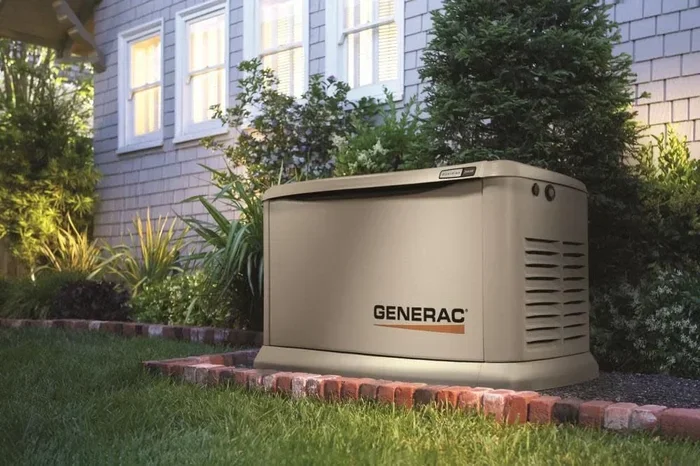
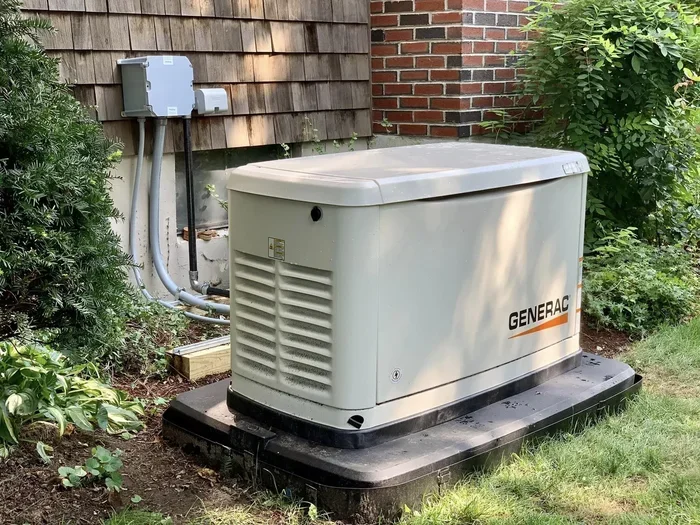
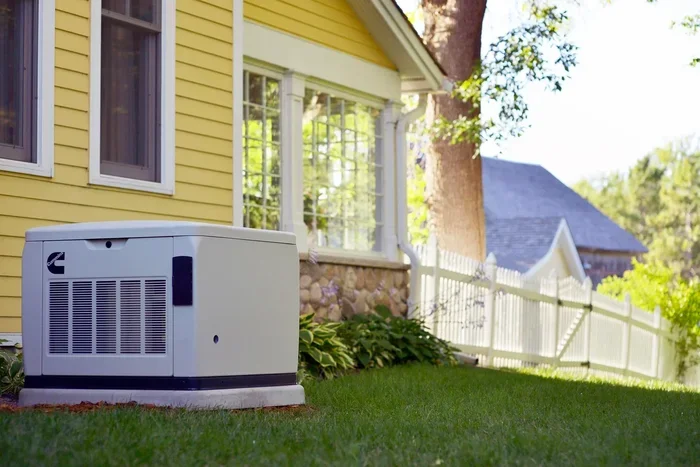
Standby generators are permanently installed outside your home. They kick on automatically during a power outage. These units are much larger, typically ranging from 7000 to 24000 watts. A 20000-watt standby generator can burn 3 to 5 gallons of fuel per hour at full load. Because they are designed to power an entire house, their fuel consumption is naturally higher.
However, standby generators often run on natural gas or propane, which can be more cost-effective than gasoline over long periods. Many homeowners connect their standby unit to an existing gas line, so refueling is never an issue. The trade-off is a higher upfront cost and more complex installation.
Inverter Generators
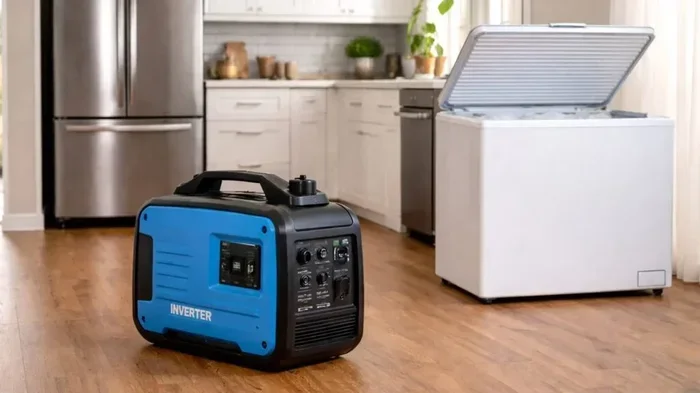
Inverter generators are known for their excellent fuel efficiency. They adjust engine speed based on the electrical load, which means they use less fuel at lower demands. A 2000-watt inverter generator might burn only 0.3 to 0.5 gallons per hour. This makes them ideal for camping trips and situations where fuel conservation is a top priority.
Inverter generators are also quieter and produce cleaner power. They are a great choice if you want to power sensitive electronics like laptops and phones without worrying about voltage fluctuations. The downside is that they typically cost more per watt than conventional generators.
Dual-Fuel Generators
Dual-fuel generators can run on both gasoline and propane. This gives you flexibility to choose the most available or cost-effective fuel at any given time. Propane generally burns cleaner and has a longer shelf life. However, it produces fewer BTUs per gallon, so your runtime per gallon will be shorter on propane than on gasoline.
Many dual-fuel models come with conversion kits that make switching between fuels easy. This is a great option if you live in an area prone to storms and want to stockpile both fuel types. Just keep in mind that your fuel consumption numbers will vary depending on which fuel you are using.
How to Calculate Your Generator’s Fuel Use
Calculating your actual generator fuel consumption is simpler than it sounds. You need just two pieces of information: the gallons per hour rating and your expected runtime.
Start by finding your generator’s GPH rating. Most manufacturers list this in the owner’s manual or on the product spec sheet. Look for the rating at both half load and full load. Then multiply that number by the number of hours you plan to run the generator.
For example, if your generator burns 0.8 gallons per hour at half load and you expect to run it for 10 hours, you will need about 8 gallons of fuel. Always add a buffer of 10 to 15% to account for variations in load and conditions. This simple calculation helps you avoid running out of fuel at the worst possible moment.
Using a Fuel Consumption Chart
Many manufacturers provide a fuel consumption chart with their products. These charts list fuel burn rates at different load levels. They are incredibly useful for planning. You can find these charts on the manufacturer’s website or in the product documentation.
Here is a quick example of what a typical chart might show:
- 25% load: 0.3 gallons per hour
- 50% load: 0.6 gallons per hour
- 75% load: 0.9 gallons per hour
- 100% load: 1.2 gallons per hour
These numbers are approximate and vary by model. Always check your specific unit’s ratings for the most accurate information. Using the chart helps you make informed decisions about fuel storage and runtime planning.
Tips to Reduce Generator Fuel Consumption
Saving fuel on your generator is easier than you might think. A few smart habits can make a big difference in your fuel costs and generator runtime.
Only Power What You Need
The easiest way to reduce fuel use is to minimize your electrical load. Make a list of the essential items you need to power and leave the rest off. Avoid plugging in devices you are not actively using. Every watt you do not need is a watt that saves fuel.
Prioritize refrigerators, medical equipment, and lights over entertainment systems during an outage. This approach keeps your generator load light and your fuel consumption low. It also extends the life of your generator by reducing wear on the engine.
Use Energy-Efficient Appliances
Energy-efficient appliances draw less power, which means your generator works less. LED light bulbs use a fraction of the energy compared to incandescent bulbs. Modern refrigerators and freezers are designed to use less electricity. Switching to efficient appliances can reduce your generator fuel economy needs significantly.
Perform Regular Maintenance
A well-maintained generator runs more efficiently. Change the oil regularly. Clean or replace air filters as recommended. Check spark plugs and replace them when they wear out. A clean fuel system ensures your engine gets the right fuel-air mixture for optimal combustion.
These small steps add up to meaningful fuel savings over time. They also prevent unexpected breakdowns when you need your generator most. Think of maintenance as an investment in both performance and savings.
Store Fuel Properly
Fuel degrades over time, especially gasoline. Old fuel can cause engine problems that reduce efficiency. Use fuel stabilizers if you store gasoline for more than 30 days. Store fuel in approved containers in a cool, well-ventilated area. Proper fuel storage ensures your generator starts easily and runs smoothly when you need it.
Common Mistakes That Waste Generator Fuel
Many people unknowingly waste fuel on their generators. Avoiding these common mistakes can save you money and extend your runtime.
Running the Generator at Full Load Unnecessarily
One of the biggest mistakes is running a generator at full capacity when it is not needed. If you only need 3000 watts, do not use a 7000-watt generator at full output. Choose a unit that matches your needs or reduce the load by unplugging unnecessary devices.
Ignoring the Load Percentage
Generators are most efficient at 50% to 75% load. Running them at very low loads for extended periods can also be inefficient and cause wet stacking. Find the balance that keeps your unit running in the optimal range for fuel efficiency.
Neglecting Maintenance
Skipping maintenance leads to poor engine performance. A dirty air filter restricts airflow and forces the engine to burn more fuel. Old spark plugs cause incomplete combustion. Neglecting oil changes increases friction and reduces efficiency. Stay on top of your maintenance schedule to keep fuel consumption in check.
Using the Wrong Fuel
Using the wrong type of fuel or old fuel can hurt your engine’s performance. Always use fresh gasoline with the recommended octane level. If your generator is a dual-fuel model, make sure you switch to the correct fuel type for your needs and conditions.
How Long Can a Generator Run on a Tank of Gas?
Runtime depends on your tank size and fuel consumption rate. Most portable generators have tanks between 1 and 4 gallons. A small unit burning 0.5 gallons per hour on a 2-gallon tank can run for about 4 hours. A larger unit burning 1.5 gallons per hour on a 4-gallon tank might last around 2.5 hours.
Some generators come with extended runtime kits or larger tanks for longer operation. If you need extended runtime, look for models with big fuel tanks or consider connecting an external fuel supply. Always check your owner’s manual for the recommended maximum runtime before refueling. Letting a generator cool down before refueling is an important safety step that prevents accidents.
For backup power during extended outages, plan to have enough fuel for at least 24 to 48 hours of continuous operation. This gives you a comfortable buffer if fuel deliveries are delayed or if the outage lasts longer than expected. Keeping a fuel log helps you track your actual consumption and refine your planning over time.
Final Thoughts
Understanding how much gas does a generator use per hour of running empowers you to make smarter decisions about backup power. Whether you own a small portable unit or a whole-house standby generator, fuel consumption is a key factor to consider. By matching your generator to your actual needs, maintaining it properly, and using energy-efficient appliances, you can keep your fuel costs manageable and your power running smoothly.
The numbers might seem overwhelming at first, but the basic principle is simple. Lighter loads mean less fuel. Better maintenance means better efficiency. And smart planning means you are never caught off guard. Take the time to learn your specific unit’s consumption rates, and you will be well prepared for whatever comes your way.
Start by checking your generator’s manual for the GPH ratings. Make a plan for your fuel supply based on your expected runtime and load. And remember, the small efforts you put into managing your generator fuel consumption today will pay off big time when you need reliable power the most.
Frequently Asked Questions
How much gas does a 5000 watt generator use per hour?
A 5000-watt generator typically burns between 0.7 and 1.2 gallons per hour depending on the load. At half load, you can expect closer to 0.7 gallons per hour. At full load, the consumption will be near the higher end of that range. Always check your specific model’s specifications for the most accurate numbers.
Does a generator use more gas at full load or half load?
Generators use more gas at full load than at half load. Running at half load is actually more fuel-efficient for most units. The sweet spot for fuel efficiency is typically between 50% and 75% of maximum capacity. Avoid running your generator at very low loads for extended periods as well, as this can cause other problems.
How can I reduce my generator’s fuel consumption?
You can reduce fuel consumption by only powering essential appliances, using energy-efficient devices, and keeping up with regular maintenance. Cleaning your air filter, replacing spark plugs, and using fresh fuel all help your engine run more efficiently. These simple steps can noticeably extend your runtime per gallon.
What is the difference between gasoline and propane consumption in generators?
Propane burns cleaner but produces fewer BTUs per gallon than gasoline. This means a generator running on propane typically consumes more fuel by volume to produce the same power. However, propane has a longer shelf life and can be stored more safely. Many homeowners switch between fuels based on availability and cost.
How often do I need to refuel a portable generator during a power outage?
This depends on your tank size and fuel burn rate. A portable generator with a 2-gallon tank running at half load might need refueling every 3 to 4 hours. Always let the generator cool down before refueling to prevent fire hazards. Planning your fuel supply ahead of an outage helps you stay prepared and avoids stressful interruptions.
Are inverter generators more fuel-efficient than conventional generators?
Yes, inverter generators are generally more fuel-efficient. They adjust engine speed based on the electrical load, which means they use less fuel at lower demands. This makes them an excellent choice for camping, tailgating, or situations where fuel conservation matters. The trade-off is a higher upfront cost compared to conventional models.
=== CONCLUSION ===
Knowing how much gas does a generator use per hour of running is essential for anyone who relies on backup power. From portable units to standby systems, your fuel consumption depends on generator size, load level, fuel type, and maintenance habits. The numbers are easier to manage than they seem, and a little planning goes a long way.
Use the tips and calculations in this guide to estimate your own fuel needs. Keep your generator well-maintained, match your load to your unit’s capacity, and store fuel safely. With the right approach, you will have reliable power when you need it most without wasting fuel or breaking the bank.