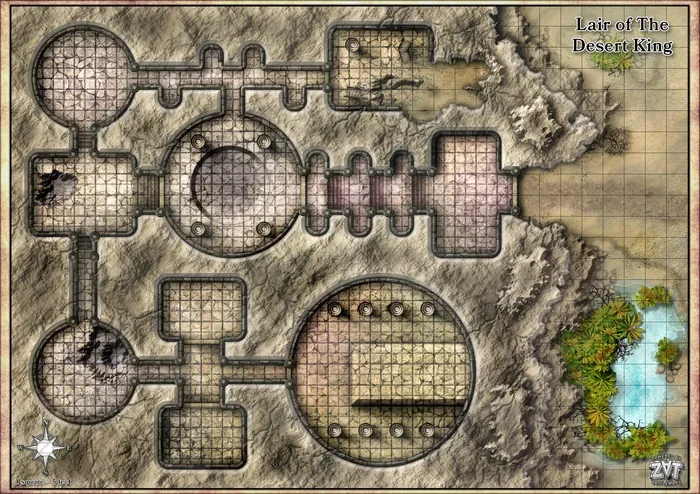
Encounter Generator 5e Craft Memorable DD Battles
An encounter generator 5e helps dungeon masters create balanced and thrilling battles in Dungeons and Dragons 5e. Whether you are running a random encounter or designing a major combat scene, the right tool saves time and sparks creativity. This guide covers the best encounter generator 5e options, how to build encounters, and tips for memorable tabletop RPG sessions.
Every dungeon master knows the feeling. You sit down to prep your next session. You open the Dungeon Master’s Guide. You stare at the encounter building rules. Then you realize… you have no idea where to start. Creating a encounter generator 5e battle from scratch can feel overwhelming. But it does not have to be that way.
A good encounter generator 5e tool changes everything. It gives you instant combat scenarios. It balances monsters for your party. It saves you hours of prep time. Whether you are a new dungeon master or a seasoned pro, these tools make Dungeons and Dragons more fun. This guide walks you through everything you need to know about using an encounter generator 5e for memorable tabletop RPG sessions.
We will cover what these tools are. We will look at the best options available. We will share practical tips for building combat encounters that players love. By the end, you will feel confident designing battles for any group. Let us dive in.
Key Takeaways
- Point 1: An encounter generator 5e streamlines battle design for dungeon masters of all experience levels.
- Point 2: Understanding challenge rating and party level ensures every combat encounter feels fair and exciting.
- Point 3: Random encounter tables and DM tools add variety and surprise to any adventure module.
- Point 4: Encounter pacing and density keep players engaged without overwhelming them.
- Point 5: The best encounter generator 5e tools combine automation with creative flexibility for unique battles.
- Point 6: Balanced fights lead to more memorable Dungeons and Dragons sessions that players talk about for weeks.
📑 Table of Contents
What Is an Encounter Generator 5e?
An encounter generator 5e is a digital tool or table that helps dungeon masters create combat scenarios for Dungeons and Dragons Fifth Edition. Think of it as a random encounter machine. You feed in your party’s level. You pick a difficulty. The tool spits out a ready-to-run battle.
These tools use challenge rating (or CR) to balance fights. CR is a number that represents how hard a monster is. A CR 1 monster is tough for a level 1 party. A CR 5 monster is a real challenge for a level 5 group. Good encounter design means matching monsters to your players’ abilities.
Why DMs Need Encounter Design Tools
Building encounters by hand takes time. You must look up monster stats. You must calculate encounter balance. You must think about terrain and story. A DM tool does the math for you. It frees you to focus on the fun parts of running a game.
Also, players love surprise. A random encounter can turn a boring dungeon crawl into an exciting adventure. You never know what is around the next corner. That unpredictability is what makes tabletop RPG sessions so thrilling. When you use an encounter generator 5e, you get that surprise built right in.
How Random Encounters Work in D&D 5e
In Dungeons and Dragons, an encounter table is a list of possible events. You roll dice to see what happens. Maybe the party spots goblin scouts. Maybe they find a wounded traveler. Maybe a dragon flies overhead. Each result adds flavor to your game.
The Dungeon Master’s Guide provides official encounter tables. But many DMs prefer digital tools. An online encounter generator 5e gives you more variety. You can customize density, difficulty, and monster types. Some tools even generate full adventure modules on the fly. The possibilities are endless when you let a tool do the heavy lifting.
Best Encounter Generator 5e Tools Available
If you want to level up your game, you need the right encounter generator 5e tool. Not all tools are created equal. Some are simple. Others are packed with features. Here is what to look for when choosing yours.
Top Online Encounter Builders
Several websites offer free encounter builders. These tools let you set the party level and difficulty. Then they generate a balanced combat scenario. Many include monster stats, terrain suggestions, and encounter pacing tips.
Some DMs prefer a tool like what kind of generator do I need when choosing their software. Just like picking the right power tool, picking the right encounter builder depends on your needs. Do you want something simple? Or do you need advanced customization for complex battles?
Popular options include browser-based generators and downloadable apps. Browser tools are great for quick sessions at the table. Apps often work offline, which is helpful when you do not have Wi-Fi. Look for tools that update with the latest Dungeons and Dragons rule changes. The best encounter generator 5e platforms stay current with new content.
Free vs Paid DM Tools
Free tools are a great starting point. They offer basic encounter building features. You can generate random battles in seconds. However, paid tools often include more monsters. They may have better filtering options. They might also offer encounter pacing and density controls that free versions lack.
Think of it like how to build a cobblestone generator in a game. A basic version gets the job done. But the advanced version gives you more options and better results. The same idea applies to DM tools for encounter design. You start simple and upgrade as your needs grow.
Many DMs start with free options. They upgrade later when they need more features. Both free and paid tools can create great combat encounters. The best tool is the one you will actually use week after week.
How to Build a Combat Encounter That Players Remember
A great battle is more than just monsters hitting heroes. It is about creating a moment players talk about for weeks. Here is how to build encounters that stand out from the rest.
Understanding Challenge Rating and CR
Challenge rating is the backbone of encounter design in Dungeons and Dragons 5e. Every monster has a CR number. This number tells you how strong the creature is compared to a level 1 party of four players. The system helps dungeon masters gauge difficulty quickly.
Here is a simple breakdown of CR levels:
- CR 0: Spiders, rats, and other weak creatures that pose little threat.
- CR 1-4: Goblins, orcs, and low-tier monsters for early-level parties.
- CR 5-10: Dragons, giants, and dangerous foes that challenge mid-level groups.
- CR 11+: Legendary beings and epic threats for high-level adventures.
When using an encounter generator 5e, the tool calculates CR automatically. But understanding it yourself helps you adjust on the fly. If a fight is too easy, add a stronger monster. If it is too hard, remove one or two creatures. Encounter balance is all about tuning the difficulty to match your group.
Matching Encounters to Party Level
Your party’s level is the most important factor. A balanced fight for a level 3 group will be too easy for a level 10 group. Always consider your players’ current level before generating an encounter.
Most encounter generator 5e tools ask for the party level first. They then scale the monsters accordingly. This is a huge time-saver. You do not need to manually adjust every stat block. The tool handles the math so you do not have to.
Remember that encounter pacing matters too. A level 5 party might face three medium encounters in one day. Or they might face one hard encounter and several easy ones. Variety keeps the game exciting. It also prevents burnout from too many tough fights in a row.
Encounter Pacing and Density for Better Sessions
Pacing is the secret sauce of great Dungeons and Dragons sessions. Even the best encounter design falls flat if the pacing is wrong. Too many battles in a row exhaust players. Too few make the game feel slow and boring.
When to Use Random Encounters
Random encounters are perfect for travel scenes. Your players are crossing a dangerous forest. They are marching through a haunted swamp. This is where a random encounter table shines. You roll dice every few miles and let the encounter generator 5e surprise you.
Maybe the party encounters a pack of wolves. Maybe they stumble upon a bandit camp. Maybe they find a mysterious ruin. These unplanned moments add realism and excitement to your tabletop RPG sessions. Players love the feeling that the world is alive and unpredictable.
Think of it like how long can a generator run during a long road trip. You never know when you will need extra power. Similarly, you never know when a surprise encounter will spice up the journey. Keep your dice ready and your players on their toes.
Balancing Encounter Difficulty
The Dungeon Master’s Guide gives you a framework for difficulty. Easy encounters are nearly guaranteed victories. Medium encounters pose a real challenge. Hard encounters are dangerous and require smart tactics. Deadly encounters can be lethal even for prepared parties.
A good rule of thumb is to mix difficulties. Run two medium encounters and one hard encounter per adventuring day. This creates encounter density that keeps players on their toes without burning them out. The key is variety and rest between tough fights.
An encounter generator 5e tool often includes difficulty ratings built in. Use these as a starting point. Adjust based on your players’ preferences. Some groups love hard fights that test their limits. Others prefer a more relaxed pace with room to explore. Know your group and tailor accordingly.
Creative Tips for Designing Memorable Battles
Anyone can roll dice and pick monsters. A great dungeon master creates an experience. Here are tips to make your combat encounters unforgettable and truly special.
Environmental Hazards and Terrain
Add terrain to your battles. A fight on a narrow bridge is different from one in an open field. Lava pools, collapsing floors, and rising water all change the dynamic. These hazards make encounter design more interesting and force players to think creatively.
You do not need complex maps. A simple sketch works. Just describe the environment vividly. Ask your players how they interact with it. Creativity beats perfection in Dungeons and Dragons. A clever use of terrain can turn a simple fight into an epic moment.
Adding Story Hooks to Combat
Every battle should mean something. Why are the monsters here? What do they want? A combat encounter with a story hook feels deeper and more meaningful. Maybe the enemies are protecting a kidnapped villager. Maybe they serve a greater villain with a sinister plan.
These small details transform a fight into a story moment. Players remember the time they spared a goblin child. They remember the dragon that begged for mercy. Use your encounter generator 5e as a starting point. Then add your own creative twists to make each battle unique.
Common Mistakes in Encounter Design
Even experienced dungeon masters make mistakes. Here are the most common ones and how to avoid them so your sessions always shine.
Overloading Your Party
It is tempting to throw everything at your players. More monsters means a harder fight, right? Not always. Overloading a party leads to frustration. Players feel helpless. They stop having fun and start counting down the minutes until the session ends.
Use your encounter generator 5e to check difficulty before the session. If the tool says the fight is deadly, consider reducing the number of monsters. A fair challenge is always better than an unfair one. Your goal is engagement, not a total party wipe.
Ignoring Encounter Balance
Encounter balance is not just about numbers. It is about the mix of abilities. A party of warriors faces different challenges than a party of wizards. Some monsters have abilities that bypass armor. Others target spellcasters. Always consider your party’s composition when designing fights.
Think of fueling your encounter design like how much gas does a generator use. You need the right amount of fuel for the right job. Too little and the encounter falls flat. Too much and it overwhelms your players. The sweet spot is where everyone has fun and feels challenged.
Good encounter balance also means giving players resources. They should use spells, abilities, and items during the fight. But they should not run out before the battle ends. A well-paced battle lets everyone shine and contributes to a balanced fight that feels satisfying for the whole table.
Conclusion
An encounter generator 5e is one of the best tools a dungeon master can have. It saves time. It sparks creativity. It helps you build combat encounters that players remember for years. Whether you prefer random encounters or carefully crafted battles, these tools make your job easier and your sessions more fun.
Start simple. Pick a tool that fits your style. Experiment with encounter pacing and encounter density. Learn what your group enjoys most. Over time, you will develop your own design instincts. The tool is just the beginning. Your creativity is what makes Dungeons and Dragons truly special and unique.
So fire up your encounter generator 5e. Roll some dice. And get ready to create battles your players will never forget. Happy dungeon mastering, and may every encounter be one for the books.
Frequently Asked Questions
What is an encounter generator 5e?
An encounter generator 5e is a digital tool that helps dungeon masters create balanced combat scenarios for Dungeons and Dragons Fifth Edition. It uses challenge rating and party level to generate random or custom battles quickly.
Do I need an encounter generator if I already use the DM’s Guide?
The Dungeon Master’s Guide provides solid rules, but an encounter generator 5e saves you time and offers more variety. It handles the math automatically so you can focus on storytelling and player engagement during your sessions.
Can a random encounter generator create story-driven battles?
Yes. While random encounters start with dice rolls, a good encounter generator 5e tool lets you add story hooks and environmental details. You can turn any random battle into a memorable moment with a little creativity.
What is challenge rating in D&D 5e?
Challenge rating (CR) is a number assigned to every monster that represents its difficulty level. It helps dungeon masters gauge how tough a fight will be for a specific party level. An encounter generator 5e uses CR to balance battles automatically.
How often should I use random encounters in my game?
It depends on your campaign style. Travel-heavy games benefit from frequent random encounters. Story-focused campaigns may use them sparingly. A good encounter generator 5e lets you control density so you can find the right pace for your group.
Are free encounter generators as good as paid ones?
Many free tools work great for basic encounter building. Paid tools often offer more monsters, better filtering, and advanced encounter pacing features. The best tool is whichever one you will actually use consistently at your table.