What kind of generator do i need to power your home
Choosing the right home generator starts with understanding your power needs. This guide breaks down every type of generator, from portable generators to standby generators, so you can make a confident decision. You will learn how to size your unit, compare fuel options, and avoid costly mistakes.
Every homeowner dreads the moment the lights go out. Whether it is a severe storm, a grid failure, or an unexpected outage, losing power puts your daily life on hold. What kind of generator do i need is one of the most common questions people ask when they start looking into backup power solutions. The truth is, there is no single answer that fits every home. Your needs depend on your budget, the size of your house, and the appliances you want to keep running.
Choosing the right home generator can feel overwhelming at first. There are portable units, standby systems, inverter models, and even solar generators on the market. Each type serves a different purpose and comes with its own set of benefits. This guide walks you through everything you need to know. By the end, you will feel confident about making the right choice for your household.
A well-chosen generator keeps your fridge running, your lights on, and your family comfortable during blackouts. It also protects your home from frozen pipes, food spoilage, and other problems that come with extended power loss. Let us dive into the details and help you find the perfect fit.
Key Takeaways
- Know your wattage: Calculate both running and surge wattage to find the right generator size for your home.
- Choose the right type: Portable, standby, inverter, and solar generators each serve different needs and budgets.
- Fuel matters: Gasoline, propane, natural gas, and dual fuel options all have unique pros and cons for backup power.
- Sizing is critical: A unit that is too small will overload, and one that is too big wastes fuel and money.
- Safety first: Always install your generator properly and follow all manufacturer guidelines to prevent carbon monoxide risks.
- Plan for the future: Consider adding a transfer switch and surge protection for a safer, more convenient setup.
📑 Table of Contents
Understanding Your Home Power Needs
Before you shop for any generator, you need to understand how much power your home actually uses. This step is the foundation of your entire decision. Without it, you risk buying a unit that is too weak or wasting money on one that is too large.
Calculate Your Essential Wattage
Every appliance in your home has a wattage rating. Some devices need more power to start up than to keep running. This is called surge wattage versus running wattage. To get started, make a list of the essential items you want to keep powered during an outage.
Here are common household items and their average wattage needs:
- Refrigerator: 600 to 800 watts running, 1,200 to 1,500 watts surge
- Freezer: 500 to 600 watts running, 1,000 to 1,200 watts surge
- Lights (per room): 60 to 100 watts each
- Window AC unit: 1,000 to 1,500 watts running, 2,000 watts surge
- Sump pump: 800 to 1,200 watts running, 1,500 to 2,000 watts surge
- Television: 100 to 400 watts
- Microwave: 1,000 to 1,500 watts
- Well pump: 1,000 to 2,000 watts running, 3,000 to 4,000 watts surge
Add up the running wattage of all the items you want to run at the same time. Then add the highest surge wattage from any single appliance. That total gives you the minimum generator size you need in kilowatt or wattage terms.
List the Appliances You Cannot Live Without
Think about what truly matters during a power outage. For most families, the refrigerator, a few lights, the furnace blower, and a sump pump are non-negotiable. Others might need a window air conditioner or a well pump. Write down your must-haves first, then add nice-to-have items if your budget allows.
Expert Insight: Many people forget about their furnace blower or well pump when calculating needs. These hidden loads can surprise you. Always include every device that keeps your home safe and comfortable during an outage.
Types of Generators Available for Home Use
Not all generators are created equal. The market offers several distinct types, and each one fits a different lifestyle and budget. Understanding the differences helps you narrow your options quickly.
Portable Generators
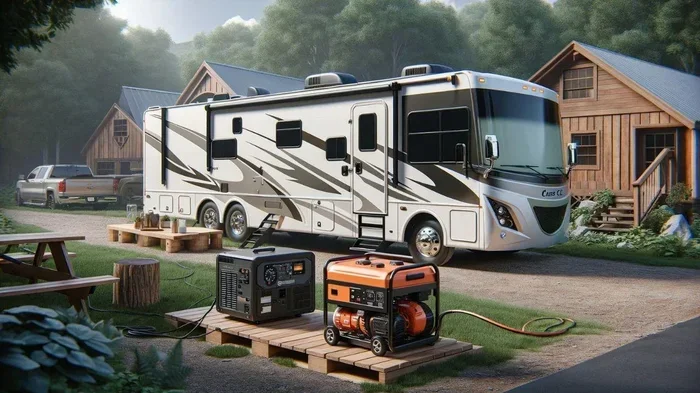
A portable generator is the most affordable option for most homeowners. These units run on gasoline and can be moved around your property as needed. They typically range from 3,000 to 8,500 watts, which is enough to handle essential circuits in most homes.
Portable units are great for temporary backup power. You plug appliances directly into the generator using extension cords. They are also useful for camping trips, tailgating, and job sites. However, they require manual setup each time you use them, and they cannot power your entire house at once.
Quick Tip: Always place a portable generator at least 20 feet away from your home. Never run it in a garage or near windows. Carbon monoxide from gas powered generators is deadly and invisible.
Standby Generators
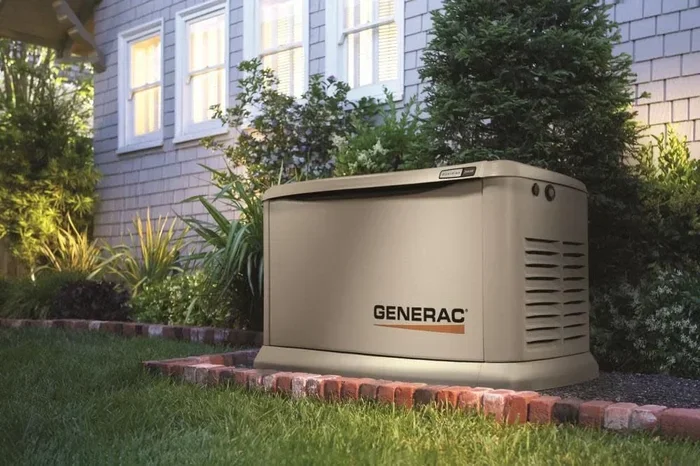
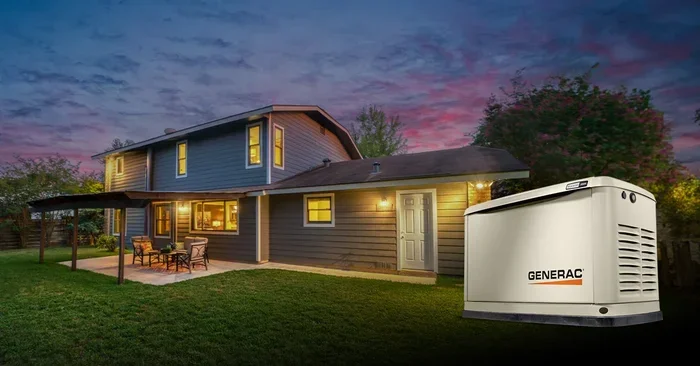
A standby generator is a permanent installation outside your home. It connects directly to your electrical panel and kicks on automatically when the power goes out. These units run on natural gas or propane and can power your entire house.
Standby generators range from 7 kilowatts to 24 kilowatts or more. They are the most convenient option because they require zero manual effort. Once installed, they handle everything for you. The downside is the higher upfront cost, which can range from $3,000 to $15,000 or more depending on size and features.
Expert Insight: A whole house generator is essentially a standby unit sized to cover your full home. These are ideal for larger homes or households that rely heavily on electric appliances like central air conditioning and electric stoves.
Inverter Generators
An inverter generator produces clean, stable power that is safe for sensitive electronics like laptops, phones, and TVs. Unlike conventional generators, inverter models adjust their engine speed to match the load. This means they run quieter and use less fuel.
Inverter generators are typically smaller, ranging from 1,000 to 4,000 watts. They are perfect for camping, RV trips, or powering a few essential devices during a short outage. They cost more per watt than conventional portable units, but the fuel savings and quieter operation make them worth it for many users.
Solar Generators
A solar generator uses solar panels to charge a battery bank, which then powers your devices. These units produce zero emissions and run silently. They are an excellent eco-friendly option for mild outages or as a supplementary power source.
Solar generators work best for light loads like charging phones, running lights, and powering a small refrigerator. They are not ideal for heavy-duty appliances like air conditioners or well pumps. However, as battery technology improves, solar generators are becoming more capable and affordable each year.
How to Size the Right Generator for Your Home
Sizing your generator correctly is the single most important decision you will make. A unit that is too small will overload and shut down. One that is too large will waste fuel and cost more than necessary.
What Size Generator Do I Need?
The answer depends entirely on your power needs. Here is a simple breakdown to help you find the right generator size:
- 3,000 to 4,000 watts: Enough for a few lights, a refrigerator, and charging devices. Great for minimal needs or small apartments.
- 5,000 to 7,500 watts: Can handle a refrigerator, freezer, sump pump, and a few lights. This is the sweet spot for most families during moderate outages.
- 7,500 to 10,000 watts: Can run a window AC unit, refrigerator, freezer, lights, and a sump pump simultaneously. Good for most homes.
- 10,000 to 15,000 watts: Can power most of your home including central air, electric stove, and multiple circuits. Ideal for larger homes.
- 15,000 to 24,000+ watts: Full-house coverage. This range covers everything from well pumps to central HVAC systems and electric water heaters.
Quick Tips for Sizing Your Generator
Keep these practical tips in mind when you are sizing your unit:
- Always add a 20 percent buffer to your total wattage calculation. This prevents the generator from running at full capacity, which shortens its lifespan.
- Do not forget to account for surge wattage, not just running wattage. Starting a fridge compressor or well pump requires a big burst of power.
- If you plan to run a central air conditioner, you need at least a 10,000-watt unit. Smaller units simply cannot handle the startup surge.
- Consider your future needs. If you plan to add a hot tub or a second freezer, factor that into your generator size now.
Common Mistakes People Make When Sizing a Generator
Many buyers make the same errors when choosing a generator. Avoid these pitfalls:
- Guessing instead of calculating: Never pick a unit based on a gut feeling. Always add up your actual wattage needs.
- Ignoring surge wattage: This is the number one mistake. A generator might handle running wattage fine but fail when a motor starts up.
- Buying the cheapest option: A cheap portable generator may seem like a deal, but it often lacks the wattage and safety features you need.
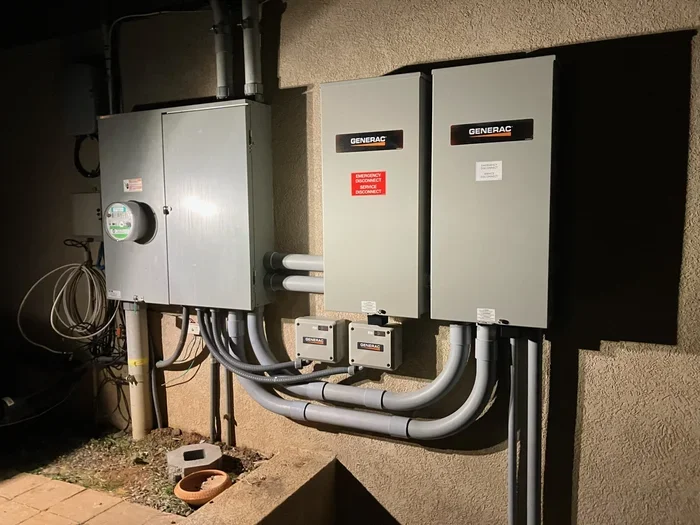
- Skipping the transfer switch: Without a proper transfer switch, you risk backfeeding power into the grid, which is dangerous for utility workers.
Fuel Types and What Works Best for You
The fuel type you choose affects everything from runtime to cost to convenience. Each option has its own strengths, and the best choice depends on your situation.
Gasoline vs Propane vs Natural Gas
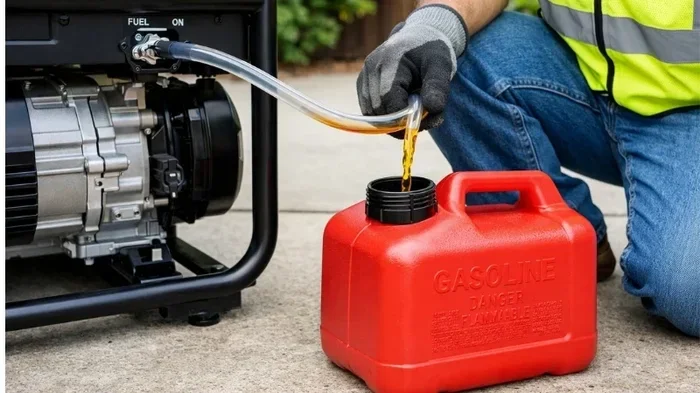
Gasoline is the most common fuel for portable generators. It is widely available and affordable, but gasoline has a short shelf life. Old fuel can gum up the carburetor and cause starting problems after a few months of storage.
Propane burns cleaner and lasts indefinitely in storage. Many dual fuel generators can run on either gasoline or propane. This gives you flexibility and extends your fuel options during long outages.
Natural gas is the cleanest burning fuel and is ideal for permanent standby installations. If your home already has a natural gas line, a standby generator that runs on natural gas eliminates the need to store fuel entirely. The tradeoff is that natural gas is not available everywhere, and some areas experience supply disruptions during severe weather.
Dual Fuel and Triple Fuel Options
A dual fuel generator lets you switch between two fuel sources, usually gasoline and propane. Some models even offer a third option, natural gas, with a conversion kit. These units give you the most flexibility and are excellent insurance during fuel shortages.
Quick Tip: Propane is an excellent choice for long-term outages because it does not degrade over time. If you live in an area prone to hurricanes or ice storms, a dual fuel unit with a large propane tank can keep your home powered for days.
| Fuel Type | Pros | Cons | Best For |
|---|---|---|---|
| Gasoline | Widely available, affordable | Short shelf life, less clean burning | Portable generators, short-term use |
| Propane | Long shelf life, clean burning | Lower energy density, tank storage needed | Dual fuel units, long outages |
| Natural Gas | Unlimited supply, cleanest burn | Requires gas line connection | Standby generators, permanent homes |
| Diesel | High efficiency, long runtime | Louder, heavier, less common for homes | Large standby units, commercial use |
Portable vs Standby Generators Compared
Choosing between a portable generator and a standby generator is the biggest decision most homeowners face. Both options provide emergency power, but they serve very different needs.
Portable generators are affordable, easy to move, and simple to set up. They work well for short outages and powering a few essential circuits. However, they require manual operation, refueling, and extension cords. They also produce more noise and less clean power than standby units.
Standby generators are a premium solution that offers automatic, hands-free operation. They connect to your home’s gas supply and electrical panel for seamless backup power. The downside is the higher cost and installation requirements. A standby unit needs professional setup, a concrete pad, and proper ventilation.
Here is a side-by-side comparison of the two most popular home generator types:
| Feature | Portable Generator | Standby Generator |
|---|---|---|
| Cost | $500 – $2,000 | $3,000 – $15,000+ |
| Installation | None needed | Professional installation required |
| Power Output | 3,000 – 8,500 watts | 7,000 – 24,000+ watts |
| Runtime | 8 – 16 hours per tank | Days to weeks (connected to gas line) |
| Automation | Manual start and setup | Automatic start within seconds |
| Fuel Type | Gasoline, propane | Natural gas, propane, diesel |
| Noise Level | Moderate to loud | Quiet (60-70 dB) |
| Portability | Easy to move | Permanent installation |
| Best For | Budget-conscious, short outages | Whole-home coverage, frequent outages |
Which One Is Right for You?
If you live in an area with rare, short outages and a tight budget, a portable generator is the smart choice. It handles essentials without breaking the bank. If you experience frequent or prolonged outages, live in a larger home, or want the convenience of automatic power, a standby generator is worth the investment.
Expert Insight: Many homeowners start with a portable unit and eventually upgrade to a standby system. This approach lets you test the waters and understand your power needs before making a larger commitment. There is no wrong first step as long as you are prepared.
Final Thoughts: Finding the Right Generator for Your Home
Now that you understand the types, sizes, and fuel options available, you are ready to make a confident decision. The key is to match your generator to your actual needs rather than getting pulled in by flashy features or the lowest price tag.
Start by calculating your total wattage needs. Make a list of every essential appliance and add up the running and surge wattage. From there, decide whether a portable generator, a standby generator, an inverter model, or a solar generator best fits your lifestyle and budget.
Do not forget to factor in fuel availability, noise restrictions, and installation requirements. If you are unsure, consult with a licensed electrician or generator dealer. They can assess your home and recommend the right generator size and type for your situation.
The bottom line is simple. Investing in a quality home generator gives you peace of mind and protects your family during power outages. Whether you choose a budget-friendly portable unit or a full-house standby system, the right generator ensures you are never left in the dark. Take the time to plan, calculate your needs, and make a choice you can feel good about for years to come.
Frequently Asked Questions
What kind of generator do i need for a 2000 square foot house?
For a 2,000 square foot home, a 7,500 to 10,000 watt generator is typically sufficient to run essential circuits. If you need to power central air conditioning and multiple appliances simultaneously, consider a 12,000 to 15,000 watt unit or a whole house generator. Calculate your specific wattage needs by listing all the appliances you want to run at the same time.
Can a portable generator power an entire house?
A standard portable generator cannot power an entire house at once. It is designed to run a few essential circuits through extension cords or a manual transfer switch. If you want full-house coverage, a standby generator is the better choice. Standby units connect directly to your electrical panel and can handle the complete load of your home.
How long can a generator run continuously?
Runtime depends on the fuel tank size and load. Most portable generators run 8 to 16 hours on a full tank of gasoline. Standby generators connected to a natural gas line or large propane tank can run continuously for days or even weeks. Always check the manufacturer’s specifications for runtime estimates and plan for regular refueling if needed.
Is a dual fuel generator worth the extra cost?
Yes, a dual fuel generator offers excellent flexibility. You can use gasoline for convenience and switch to propane for longer outages or fuel storage. Propane has an indefinite shelf life and burns cleaner than gasoline. The extra cost is usually $200 to $500 more than a gasoline-only model, which is a small price for the added versatility and peace of mind.
What is the difference between running wattage and surge wattage?
Running wattage is the continuous power needed to keep an appliance running. Surge wattage is the extra power required to start up motors and compressors. For example, a refrigerator might need 800 watts to run but 1,500 watts to start the compressor. Always make sure your generator can handle both the running and surge wattage of your appliances.
Do I need a transfer switch with my generator?
Yes, a transfer switch is essential for safety and convenience. It connects your generator directly to your home’s electrical panel and prevents backfeeding power into the grid. Backfeeding can be lethal to utility workers repairing power lines. A transfer switch also lets you power hardwired systems like your furnace, well pump, and lighting circuits safely.
=== CONCLUSION ===
Finding the right generator does not have to be confusing. By understanding your power needs, comparing the different types, and choosing the correct generator size, you can make a smart investment that keeps your home running when the grid goes down. Whether you opt for a portable generator for budget-friendly essentials or a standby generator for full-house backup power, the key is to plan ahead and calculate your wattage needs carefully.
Take action today. Make your list of essential appliances, calculate your total wattage, and explore the home generator options available in your price range. A little preparation now saves you from stress and discomfort the next time the power goes out. Your family and your home deserve reliable emergency power, and the right generator delivers exactly that.
One Comment