Vinyl Mockup Generator Guide to Create Stunning Designs
A vinyl mockup generator lets you design realistic label artwork, packaging previews, and product presentations without needing complex software. Whether you are a designer, musician, or entrepreneur, this tool saves time and helps you visualize your vinyl product before printing. In this guide, you will learn how the best mockup generators work, what features to look for, and how to create professional-quality designs that stand out.
Key Takeaways
- Vinyl mockup generators simplify the design process by letting you preview labels, sleeves, and packaging on realistic templates.
- You do not need advanced design skills to create polished product visuals that impress clients and customers.
- Key features to look for include customizable templates, high-resolution output, and easy drag-and-drop editing.
- Using a mockup helps you catch design errors early and saves money on costly print mistakes.
- Many free and paid vinyl mockup tools exist, so you can find one that fits your budget and workflow.
- Pairing your mockup with a vintage font generator can add a classic, authentic feel to your vinyl record designs.
📑 Table of Contents
- What Is a Vinyl Mockup Generator?
- Why Use a Vinyl Mockup Generator?
- Key Features of a Great Vinyl Mockup Generator
- Step-by-Step Guide to Creating Your First Vinyl Mockup
- Common Mistakes to Avoid When Using a Vinyl Mockup Generator
- Best Use Cases for Vinyl Mockup Generators
- Tips for Creating Standout Vinyl Mockups
- Frequently Asked Questions
- Conclusion
What Is a Vinyl Mockup Generator?
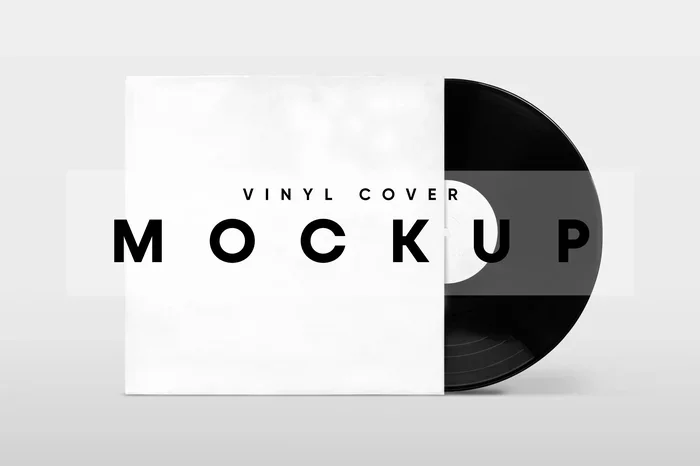
A vinyl mockup generator is a digital tool that lets you create realistic previews of vinyl record labels, sleeves, and packaging. Instead of printing physical samples, you can design and visualize your product on screen. This saves time, reduces waste, and helps you make better creative decisions.
These tools use pre-made templates that mimic the shape and texture of real vinyl products. You simply add your artwork, text, and graphics to the template. The result looks like a photograph of an actual vinyl record or sleeve. Some generators even let you adjust lighting, shadows, and backgrounds to make the mockup look ultra-realistic.
The beauty of a mockup generator is that anyone can use it. You do not need to be a professional graphic designer. With basic drag-and-drop features, you can produce eye-catching product visuals in minutes. Whether you are launching a new album, designing a custom label, or pitching a product to a client, a mockup generator gives you a powerful advantage.
Why Use a Vinyl Mockup Generator?
There are many reasons why creators and businesses turn to mockup tools. Here are the biggest benefits that make these generators so popular.
Save Time and Money
Printing physical vinyl samples is expensive. Each test print costs money for materials and production. A digital mockup eliminates this cost entirely. You can create dozens of design variations in the time it takes to print one sample. This speed lets you experiment freely and find the perfect look.
Present Ideas Clearly
When you work with clients or collaborators, communication matters. A realistic product mockup shows exactly what the final product will look like. There is no guessing. Your client can see the colors, layout, and texture before anything goes to print. This reduces misunderstandings and speeds up the approval process.
Build Stronger Brand Identity
Vinyl products are a physical representation of your brand. A well-designed label and sleeve create a lasting impression. With a mockup generator, you can test different color schemes, typography, and layouts. This helps you build a cohesive brand identity that resonates with your audience.
Share Your Work Online
Social media and online stores need professional visuals. A vinyl record mockup looks great on Instagram, Etsy, and your website. It draws attention and builds credibility. Potential customers are more likely to buy a product when they can see a polished, realistic preview.
Key Features of a Great Vinyl Mockup Generator
Not all mockup tools are created equal. Some offer basic templates, while others provide advanced customization options. Here is what you should look for when choosing a tool.
Template Variety
A good generator offers many template options. You should find templates for 7-inch singles, 12-inch LPs, picture discs, and sleeve designs. The more variety you have, the more flexible your design process becomes. Some tools even include CD and cassette templates, which is helpful if you work across multiple formats.
High-Resolution Output
Your mockup should look sharp and clear. Look for a tool that exports files in high resolution, ideally 300 DPI or higher. This ensures your design looks crisp whether you view it on a screen or print it at a large size. Low-resolution mockups can look blurry and unprofessional.
Easy Customization
The best tools use simple drag-and-drop editing. You should be able to change text, swap images, and adjust colors without any technical skills. A label design tool that feels intuitive saves you from frustration and lets you focus on creativity.
Custom Backgrounds and Scenes
Realistic mockups include background options. You might place your vinyl on a wooden table, a studio shelf, or a clean studio backdrop. The ability to switch backgrounds helps you create mockups for different purposes, from social media posts to portfolio presentations.
Layer and Group Controls
Advanced generators let you work with layers. You can move your label artwork behind the record edge, adjust the shine on the surface, and add shadows for depth. These small details make a big difference in how realistic the final mockup looks.
Step-by-Step Guide to Creating Your First Vinyl Mockup
Creating a vinyl mockup is easier than you might think. Follow these steps to produce a professional-looking design from start to finish.
Step 1: Choose Your Mockup Generator
Start by picking a tool that fits your needs. Some generators are free and offer basic templates. Others are paid and come with advanced features like layer controls and high-resolution exports. Think about your budget and what you need the mockup for. If you are just starting out, a free option works great for learning the ropes.
Step 2: Pick a Template
Browse the template library and choose one that matches your product. Are you designing a 12-inch LP sleeve or a 7-inch single label? Select the template that fits your project. Most generators let you preview the template before you start editing.
Step 3: Add Your Artwork and Text
Upload your logo, artwork, and any text you want on the label or sleeve. Adjust the size and position using drag-and-drop controls. Pay attention to alignment and spacing. A well-organized layout looks clean and professional. If you need inspiration for fonts, consider using a vintage font generator to find the perfect retro-style typeface for your vinyl design.
Step 4: Adjust Colors and Effects
Fine-tune the colors to match your brand. Add effects like gloss, matte finish, or texture overlays. These small touches make your mockup feel authentic. You can also adjust the lighting to create a specific mood. Warm lighting gives a cozy feel, while cool lighting looks modern and sleek.
Step 5: Choose a Background
Select a background that complements your design. A studio setting works well for music-related projects. A clean white background is great for portfolio presentations. The background should not distract from your main design. It should enhance it.
Step 6: Export and Share
Once you are happy with your design, export the file in high resolution. PNG format works well for web use. PDF or TIFF formats are better for print-ready files. Share your mockup with your team, client, or audience. Get feedback and make any final tweaks.
Common Mistakes to Avoid When Using a Vinyl Mockup Generator
Even with a great tool, mistakes can happen. Here are common errors and how to avoid them.
Using Low-Quality Artwork
Your mockup is only as good as the artwork you put into it. Using blurry or pixelated images makes the final result look unprofessional. Always use high-resolution graphics and logos. If you are unsure about quality, a random generator can help you explore different design elements and find assets that work well together.
Ignoring Bleed and Safe Zones
Vinyl labels and sleeves have specific print requirements. Ignoring bleed areas and safe zones can cause important design elements to get cut off during printing. Always check the template guidelines and keep critical text and graphics within the safe zone.
Overloading the Design
It is tempting to fill every inch of the label with text and images. But clutter makes your design hard to read and visually overwhelming. Keep it clean. Use white space intentionally. Let your key elements breathe. A simple, well-organized design often looks more professional than a busy one.
Forgetting About Color Profiles
Colors look different on screens than they do in print. If you are preparing a print-ready mockup, make sure your tool supports CMYK color mode. Designing in RGB and then converting to CMYK can result in dull or shifted colors. Always check the color profile before exporting your final file.
Skipping the Proofing Step
Never skip reviewing your mockup before sharing or printing. Zoom in and check for typos, alignment issues, and color inconsistencies. A second pair of eyes can catch mistakes you might have missed. Take a break, come back, and review with fresh eyes.
Best Use Cases for Vinyl Mockup Generators
Vinyl mockup generators serve many purposes across different industries. Here are the most common and effective use cases.
Music Artists and Bands
Independent musicians often release music on vinyl. A mockup helps them visualize the final product before committing to a pressing run. Artists can test different label designs, sleeve artwork, and packaging styles. This is especially useful when crowdfunding a vinyl release. Backers love seeing realistic previews of what they will receive.
Record Labels and Producers
Labels manage multiple releases and need consistent branding. A mockup generator helps them create standardized templates for each release. They can quickly produce mockups for new artists, reissues, and special editions. This efficiency saves valuable time during busy release cycles.
Product Designers and Entrepreneurs
Some entrepreneurs sell custom vinyl products, like branded records, promotional items, or novelty gifts. A mockup lets them present their product ideas to buyers and retailers before investing in production. It also helps them refine their packaging and label design based on feedback.
Graphic Designers and Agencies
Designers use mockups to showcase their work in portfolios and client presentations. A realistic vinyl mockup demonstrates their skill and attention to detail. It also helps clients understand the final product without needing to interpret flat design files.
Marketing and Social Media
Vinyl mockups make excellent social media content. A beautifully designed record mockup can generate buzz for an upcoming release. It also works well for email marketing campaigns and online store listings. The visual appeal of a realistic mockup drives engagement and interest.
Tips for Creating Standout Vinyl Mockups
Want your vinyl mockups to look truly professional? Follow these practical tips to elevate your designs.
Study Real Vinyl Products
Look at vinyl records and sleeves you admire. Notice the layout, font choices, color palettes, and texture details. Understanding what makes real products look good helps you replicate that quality in your digital mockups. Collect references and build a library of inspiration.
Use Consistent Branding
If you are designing for a specific artist or brand, keep the design consistent with their existing visual identity. Use their brand colors, logos, and typography. Consistency builds trust and recognition. A free keyword generator software can also help you brainstorm names and themes for your vinyl projects if you are designing from scratch.
Experiment with Different Styles
Do not be afraid to try bold and creative approaches. Test minimalist designs, retro aesthetics, and modern layouts. Sometimes the most unexpected combination creates the most memorable product. Use a random song name generator to spark creative ideas for your label text and track listings.
Add Realistic Details
Small details make a big impact. Add subtle grain textures, edge shadows, and surface reflections. These touches make your mockup look like a real photograph rather than a digital rendering. Pay attention to the center label hole, the spindle, and the edge of the record.
Keep Learning and Evolving
Design trends change over time. What looks fresh today may feel dated in a few years. Stay current by following design blogs, watching tutorials, and experimenting with new tools. The more you practice, the better your mockups will become.
Frequently Asked Questions
What is a vinyl mockup generator used for?
A vinyl mockup generator is used to create digital previews of vinyl record labels, sleeves, and packaging. It helps designers, musicians, and entrepreneurs visualize their product before printing. You can test different layouts, colors, and styles without any physical production costs.
Do I need design experience to use a vinyl mockup generator?
No, most modern mockup generators are designed for users of all skill levels. They feature intuitive drag-and-drop interfaces and pre-made templates. You do not need to know how to use professional design software like Photoshop or Illustrator. Anyone can create a polished mockup with minimal effort.
Are free vinyl mockup generators any good?
Yes, many free generators offer solid templates and basic editing features. They are perfect for beginners and small projects. However, paid tools often provide more templates, higher resolution exports, and advanced customization options. Choose based on your specific needs and budget.
What file format should I export my mockup in?
For web use and digital sharing, PNG format works great because it supports transparency and looks sharp on screens. For print-ready files, use PDF or TIFF format at 300 DPI. Always check the requirements of your printer or publisher before exporting your final file.
Can I use a vinyl mockup generator for other products too?
Yes, many mockup generators include templates for CDs, cassettes, and other physical products. Some tools even offer general product mockups for packaging, stickers, and merchandise. The core principles of mockup design apply across different product types.
How do I make my vinyl mockup look more realistic?
Focus on adding realistic details like surface reflections, edge shadows, and texture overlays. Choose backgrounds that match the intended use of your mockup. Use high-resolution artwork and pay attention to color accuracy. These small efforts make a significant difference in the final result.
Conclusion
A vinyl mockup generator is one of the most practical tools available for designers, musicians, and entrepreneurs today. It lets you create professional-quality product previews without the cost and hassle of physical printing. From saving time and money to building stronger brand identity, the benefits are clear and impactful.
By choosing the right tool, following a structured workflow, and avoiding common mistakes, you can produce mockups that impress clients and attract customers. The key is to keep experimenting, stay consistent with your branding, and pay attention to the details that make a design truly stand out.
Whether you are launching your first vinyl release or managing a full product line, a mockup generator gives you the confidence to move forward. Start with a simple template, add your creative touch, and watch your ideas come to life on screen. The world of vinyl design is waiting for your unique vision.