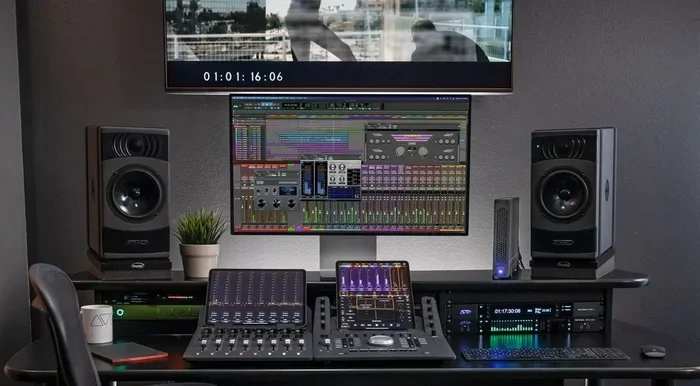
Dbx Compressor Guide How To Pick The Right Unit For You
A dbx compressor is a powerful audio tool that helps you control dynamics and polish your mixes. Whether you are a beginner or a seasoned engineer, choosing the right dbx compressor can transform your sound. This guide walks you through the top models, key settings, and practical tips so you can make a confident choice.
A dbx compressor is one of the most trusted tools in audio production. Whether you are mixing vocals, tightening drums, or mastering a track, this tool helps you shape the dynamics of your sound. But with so many models and settings available, how do you pick the right one? That is exactly what this guide covers.
Choosing a dbx compressor does not have to be overwhelming. In this article, we break down everything you need to know. We cover how these units work, what features matter, and which models deliver the best results. By the end, you will feel confident making your choice.
The world of audio compression can feel technical. But the core ideas are simple. A compressor reduces the dynamic range of a signal. It turns down loud parts and brings up quiet parts. This creates a more balanced and polished sound. The dbx brand has been doing this since the 1970s, and their compressors are still widely used today.
Many producers wonder how a dbx compressor compares to other tools. Some people reach for hardware units like a Craftsman air compressor for physical processing, while others prefer the flexibility of software plugins. Both approaches have value. The key is finding the right tool for your workflow and your ears.
Key Takeaways
- Know your needs: Pick a dbx compressor based on your project type, whether vocals, drums, or master bus.
- Understand core settings: Threshold, ratio, attack, release, and gain reduction are the five controls that matter most.
- Compare models: The dbx 160 and dbx 266 are two of the most popular units, each with unique strengths.
- Avoid common mistakes: Over-compressing and ignoring attack times are the top errors producers make.
- Use tips from pros: Start with gentle settings and adjust by ear for the best results.
- Software vs hardware: Software dbx compressor plugins offer flexibility, while hardware units deliver a distinct analog character.
📑 Table of Contents
- What Is a Dbx Compressor and How Does It Work
- Key Features to Look For in a Dbx Compressor
- Best Dbx Compressor Models Compared
- How to Set Up Your Dbx Compressor for Mixes
- Common Dbx Compressor Settings and When to Use Them
- Dbx Compressor vs Other Audio Compressors
- Common Mistakes to Avoid When Using a Dbx Compressor
- Expert Insights on Choosing the Right Dbx Compressor
- Final Thoughts on Picking the Right Dbx Compressor
What Is a Dbx Compressor and How Does It Work
A dbx compressor is an audio dynamics processor designed by the dbx company. It uses a voltage-controlled amplifier to reduce the volume of loud signals. The result is a smoother, more controlled audio track. These units are known for their clean, transparent sound.
How Compression Works in Simple Terms
Think of a compressor like a volume knob that reacts automatically. When the sound gets too loud, the compressor turns it down. When it gets quiet, it stays out of the way. This process is called gain reduction. The goal is to keep the overall volume more even.
Here are the basic parts of any compressor:
- Threshold: The volume level where compression starts.
- Ratio: How much the compressor reduces the signal above the threshold.
- Attack: How fast the compressor reacts to loud sounds.
- Release: How fast the compressor lets go after the signal drops below the threshold.
- Gain: The output level after compression is applied.
Why Dbx Compressors Stand Out
Dbx compressors are known for their accuracy and reliability. The brand uses a unique RMS (root mean square) detection circuit. This means the compressor responds to the average level of the signal rather than just peak levels. The result is smoother, more musical compression.
Many engineers prefer dbx compressors for their transparent sound. Unlike some compressors that color the tone, dbx units tend to stay neutral. This makes them great for a wide range of applications, from subtle vocal smoothing to aggressive drum squashing.
It is worth noting that compression is different from other tools like a defrost system that works without an AC compressor. In audio, removing compression entirely can leave your mix feeling uneven and uncontrolled. Just like a defrost system needs its compressor to function properly, your mix needs compression to sound balanced.
Key Features to Look For in a Dbx Compressor
Not all dbx compressors are the same. Different models offer different features. Understanding what to look for helps you make a better choice.
Threshold and Ratio Controls
The threshold sets the point where compression kicks in. The ratio determines how much gain reduction happens above that point. A ratio of 2:1 is gentle. A ratio of 8:1 or higher is aggressive. For most mixing tasks, a ratio between 2:1 and 4:1 works well.
Attack and Release Speed
Attack time controls how quickly the compressor responds. Fast attack times catch transients. Slow attack times let more of the natural punch through. Release time controls how quickly the compressor recovers. Fast release times add energy. Slow release times create a smoother feel.
Stereo Linking and Sidechain Options
Some dbx compressors offer stereo linking. This means both channels of a stereo signal are compressed together. This prevents imbalance and keeps the image wide. Sidechain input allows you to trigger compression from an external source, which is useful in many creative scenarios.
Noise Floor and Dynamic Range
Dbx compressors are known for their low noise floor. This means you get clean compression without unwanted hiss or hum. The dynamic range of a dbx unit is also impressive, allowing you to handle both very quiet and very loud signals with ease.
Best Dbx Compressor Models Compared
There are several dbx compressor models worth considering. Each one has its own strengths and ideal use cases.
Dbx 160A Stereo Compressor
The dbx 160A is one of the most popular models in the dbx lineup. It is a stereo compressor known for its clean, transparent sound. It features a single knob design that makes it easy to use. Just set the threshold and let the auto-ratio handle the rest.
This model is excellent for:
- Master bus compression
- Stereo instrument pairs
- Subtle mix glue
- Vocal processing
Dbx 266xs Dual Compressor
The dbx 266xs is a dual compressor that gives you two independent channels. This allows you to compress different sources at the same time. It offers more control than the 160A, making it a favorite for advanced users.
Key features of the dbx 266xs include:
- Independent threshold and ratio controls per channel
- Variable attack and release settings
- Stereo linking capability
- Built-in noise gate on each channel
Dbx 160VU Stereo Compressor
The dbx 160VU is designed for professional studio use. It features VU meter readouts that give you a visual reference for your compression. This model is built for durability and long-term reliability.
Comparison Table
Here is a quick comparison of the top dbx compressor models:
- Dbx 160A: Best for beginners and master bus work. Simple controls, auto-ratio, transparent sound.
- Dbx 266xs: Best for advanced users. Dual channels, noise gates, more control options.
- Dbx 160VU: Best for professional studios. VU meters, rugged build, reliable performance.
How to Set Up Your Dbx Compressor for Mixes
Setting up your dbx compressor correctly makes a big difference. Here is a step-by-step approach that works for most situations.
Step 1: Start With the Threshold
Set the threshold so that the compressor only activates on the loudest parts of the signal. Listen for gain reduction meters. You want about 3 to 6 dB of reduction on the loudest peaks. This is a good starting point for most mix situations.
Step 2: Choose the Right Ratio
For gentle compression, use a 2:1 or 3:1 ratio. For more aggressive control, try 4:1 or higher. Remember, a higher ratio means more compression. Start low and increase until you hear the effect you want.
Step 3: Adjust Attack and Release
Set the attack time based on what you want to preserve. Fast attack (1-10 ms) catches transients and softens sharp sounds. Slow attack (10-30 ms) lets more punch through. For release, match the speed to the tempo of your track. A good rule of thumb is to set release so the compressor recovers just before the next beat.
Step 4: Set the Output Gain
After compression, the signal may be quieter. Use the output gain or makeup gain to bring the level back up. This restores the perceived loudness while keeping the dynamics under control.
Quick Tips for Better Results
- Always use your ears first. Numbers are guides, not rules.
- A/B compare compressed and uncompressed signals frequently.
- Take short breaks to avoid ear fatigue during long mixing sessions.
- Try different attack and release combinations before settling on one.
Common Dbx Compressor Settings and When to Use Them
Different parts of a mix call for different compression approaches. Here are some common scenarios and recommended settings.
Vocal Compression
Vocals benefit from gentle to moderate compression. Try a threshold that catches peaks, a ratio of 2:1 to 4:1, and a medium attack time around 5-10 ms. This smooths out the performance without killing the natural dynamics. A dbx compressor works beautifully for vocals because of its transparent character.
Drum Bus Compression
For a drum bus, you want to glue the kit together. Use a faster attack (1-5 ms) to tame sharp transients. A ratio of 3:1 to 6:1 adds punch and consistency. Release time should match the groove of the song.
Master Bus Compression
On the master bus, less is more. Use a low ratio of 2:1 and gentle gain reduction of 1-3 dB. The goal is to add cohesion, not to squash the dynamics. The dbx 160A is a popular choice for this application.
Bass Guitar Compression
Bass benefits from a slow attack (10-30 ms) to preserve the low-end punch. A ratio of 3:1 to 4:1 keeps the level even. Set the release to avoid pumping artifacts.
Dbx Compressor vs Other Audio Compressors
There are many compressor brands and models on the market. How does a dbx compressor compare to the competition?
Dbx vs Universal Audio Compressors
Universal Audio compressors are known for their analog warmth and character. Dbx compressors are known for their accuracy and transparency. If you want color and vibe, UA compressors are a great choice. If you want clean, precise control, dbx is hard to beat.
Dbx vs FabFilter Compressors
FabFilter offers advanced software compressors with visual feedback and flexible routing. Dbx compressors, especially the hardware units, offer a more straightforward workflow. Both are excellent. Your choice depends on whether you prefer visual precision or hands-on simplicity.
Dbx vs SSL Compressors
SSL compressors are staples in professional studios worldwide. They have a distinct sound that many engineers love. Dbx compressors are more neutral by comparison. This makes them versatile for many genres and applications.
Ultimately, the best compressor is the one that sounds right to your ears. Each brand brings something unique to the table. The dbx compressor earns its reputation through consistency, reliability, and clean performance.
Common Mistakes to Avoid When Using a Dbx Compressor
Even experienced producers make mistakes with compression. Here are the most common ones and how to avoid them.
Over-Compressing the Signal
Too much compression kills the life out of a mix. If you are seeing more than 8 to 10 dB of gain reduction on a regular basis, you may be going too far. Back off the ratio or raise the threshold until the compression feels natural.
Ignoring Attack Time
Setting the attack too fast can remove all the punch from drums and bass. Setting it too slow can let unwanted peaks through. Always listen carefully and adjust the attack to suit the source material.
Forgetting About Release Time
A release time that is too fast creates a pumping or breathing effect. Too slow and the compressor never fully recovers, leading to a flat, lifeless sound. Match the release to the rhythm of your track for the best results.
Not Using A/B Comparison
It is easy to lose perspective during a long mixing session. Always compare the compressed signal to the uncompressed original. This keeps you honest and helps you make better decisions.
Expert Insights on Choosing the Right Dbx Compressor
Professional audio engineers have shared their thoughts on dbx compressors over the years. Many praise their consistency and ease of use. The dbx 160 series in particular has earned a loyal following in studios around the world.
One common tip from experienced engineers is to start with the dbx 160A for general-purpose compression. It is simple, reliable, and sounds great on almost anything. Once you are comfortable with the basics, you can explore more advanced models like the 266xs for dual-channel work.
Another expert insight is to trust your ears over the meters. The dbx compressor is designed to be intuitive. If it sounds good, it probably is. Do not get lost in the numbers. Focus on the musical result.
Many producers also recommend using a dbx compressor on the master bus for final polish. The transparent nature of dbx compression adds cohesion without coloring the mix. This is especially useful in genres like pop, rock, and electronic music where a polished, radio-ready sound is the goal.
Final Thoughts on Picking the Right Dbx Compressor
Choosing the right dbx compressor comes down to understanding your needs and your workflow. If you are just starting out, the dbx 160A is a fantastic entry point. If you need more control and flexibility, the dbx 266xs is a strong option. For professional studios, the dbx 160VU delivers the reliability and precision that pros demand.
Remember that compression is a tool, not a rule. Use it to enhance your mixes, not to replace good recording techniques. A well-recorded track needs less compression. A poorly recorded track needs more. The dbx compressor gives you the control to find that balance.
Take the time to experiment with different settings. Listen critically. Trust your ears. The right dbx compressor will become an essential part of your production toolkit. Start with the basics, build your skills, and let your creativity guide you.
Whether you are mixing vocals, shaping drums, or mastering a final track, a dbx compressor can help you achieve a polished, professional sound. The key is to choose the right model, learn the controls, and practice consistently. With the knowledge from this guide, you are well on your way to making great choices.
Frequently Asked Questions
What is a dbx compressor used for?
A dbx compressor is used to control the dynamic range of audio signals. It reduces loud peaks and brings up quiet details, resulting in a more balanced and polished sound. It is commonly used on vocals, drums, bass, and master buses during mixing and mastering.
Is a dbx compressor better than other brands?
Dbx compressors are known for their transparent and accurate sound. Whether they are “better” depends on your needs. If you value clean, neutral compression, dbx is an excellent choice. Other brands like Universal Audio or SSL offer more character and color for different applications.
Can I use a dbx compressor on every track in my mix?
Yes, you can use a dbx compressor on multiple tracks. However, not every track needs compression. Use it where it adds value, such as on vocals, drums, and bass. Over-compressing every track can lead to a flat, lifeless mix.
What is the difference between dbx 160A and dbx 266xs?
The dbx 160A is a single stereo compressor with simple, intuitive controls. It is great for beginners and master bus work. The dbx 266xs is a dual compressor with independent channels, noise gates, and more control options. It suits advanced users who need flexibility.
Do I need hardware or software for a dbx compressor?
You can use either hardware or software dbx compressor units. Software plugins offer convenience and flexibility. Hardware units provide a tactile experience and a distinct analog character. Choose based on your workflow and budget.
How do I know if my compression settings are correct?
The best way to check is by A/B comparing the compressed and uncompressed signals. Listen for a balanced, polished sound without noticeable pumping or breathing. If the compression feels transparent and musical, your settings are likely correct.
=== CONCLUSION ===
A dbx compressor is a valuable tool for any audio producer or engineer. From the beginner-friendly dbx 160A to the advanced dbx 266xs, there is a model for every need and skill level. Understanding the core controls like threshold, ratio, attack, and release empowers you to use compression with confidence.
Remember to start simple, trust your ears, and avoid common mistakes like over-compression. The dbx brand has earned its reputation through decades of reliable, transparent performance. Whether you are mixing a vocal track or polishing a master bus, the right dbx compressor can make a real difference in your sound.
Take what you have learned from this guide and apply it to your next project. Experiment with different models and settings. The more you practice, the better your mixes will become. A well-chosen dbx compressor is an investment that pays off every time you sit down to mix.