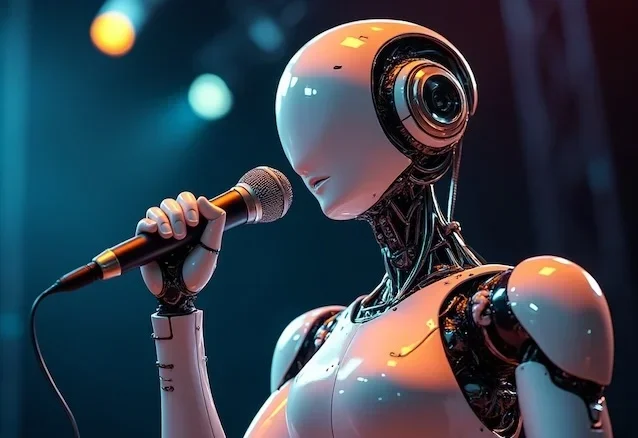
Discover the Best AI Singing Voice Generator for You
An AI singing voice generator is a powerful tool that creates realistic singing voices using artificial intelligence. Whether you are a music producer, content creator, or just someone who wants to add vocals to a track, these tools can save you time and money. In this guide, we will walk you through the best options, key features, and tips to help you pick the right AI singing voice generator for your needs.
Music production has changed a lot in recent years. One of the biggest shifts has been the rise of AI singing voice generators. These tools let anyone create realistic vocal tracks without needing a singer, a studio, or hours of recording time. Whether you are building a beat in your bedroom or producing a full track for a client, an AI voice generator can fill the vocal gap in minutes.
But with so many options out there, how do you pick the right one? That is exactly what this guide is for. We will break down what these tools are, how they work, what to look for, and which ones stand out from the crowd. By the end, you will know exactly which AI singing voice generator fits your project and your budget.
The world of AI music generation has exploded in popularity. From hobbyists to professional producers, everyone is exploring what synthetic vocals can do. And the quality keeps getting better. What once sounded robotic and unnatural now rivals real human performances in many cases. Let us dive into everything you need to know.
Key Takeaways
- AI singing voice generators use advanced machine learning to produce realistic vocal tracks in seconds.
- Top tools like Synthesizer V, Vocaloid, and Uberduck offer different features for various skill levels.
- Look for natural tone, language support, and easy editing when choosing an AI voice tool.
- Free and paid options exist, so you can find one that fits any budget.
- Practice with settings and parameters to get the most realistic results from your AI singer.
- AI voice technology is rapidly improving, making it harder to tell synthetic vocals from real ones.
- Consider licensing and usage rights before using AI-generated vocals in commercial projects.
📑 Table of Contents
- What Is an AI Singing Voice Generator?
- Top Features to Look For in an AI Singing Voice Generator
- Best AI Singing Voice Generators Compared
- How to Choose the Right AI Singing Voice Generator for You
- Tips for Getting the Best Results with AI Singing Voice Tools
- Common Mistakes to Avoid with AI Singing Voice Generators
- Expert Insights on AI Singing Voice Technology
- Final Thoughts on AI Singing Voice Generators
What Is an AI Singing Voice Generator?
An AI singing voice generator is a software tool that uses artificial intelligence to create singing vocals. You feed it lyrics and a melody, and it produces a vocal track that sounds like a real singer. Some tools let you choose from different voice types, accents, and languages.
The technology behind these tools is called neural voice synthesis. It uses deep learning models trained on thousands of hours of real human singing. The AI studies how voices change pitch, tone, and emotion. Then it applies that knowledge to generate new vocals from scratch.
Think of it like this. A traditional text-to-speech tool reads text in a flat, robotic voice. An AI singing voice generator does the same thing but with melody and emotion baked in. The result is a vocal track that can sound incredibly lifelike.
These tools are not just for professionals. Beginners and casual creators use them too. You do not need any singing talent or studio equipment. Just type in your lyrics, set the notes, and let the AI do the work. It is a game changer for AI music production of all kinds.
How Do AI Singing Voice Generators Work?
Under the hood, these tools rely on machine learning models trained on massive datasets of human vocals. The AI learns patterns in how people sing. It understands things like vibrato, breath control, and pitch variation.
When you input lyrics and a melody, the AI predicts what each note should sound like. It then generates a waveform that matches your input. The process happens in seconds. Modern tools can even add expressive details like growls, whispers, and breath sounds.
Some platforms use voice cloning technology. This means you can upload samples of a real person singing. The AI then creates a custom voice model based on those samples. The result is a unique vocal that sounds just like the original singer.
Top Features to Look For in an AI Singing Voice Generator
Not all AI voice generators are created equal. Some are packed with features. Others keep things simple. Here are the key features you should look for when choosing a tool.
Voice Quality and Realism
This is the most important factor. You want a voice that sounds natural and expressive. The best AI singing voice generators produce vocals that are hard to distinguish from real singers. Look for tools that offer high-quality audio output and expressive control.
Pay attention to how the AI handles transitions between notes. A good tool will glide smoothly from one pitch to another. It will also add subtle variations that make the voice feel human. Cheap or outdated tools often sound flat and robotic.
Customization Options
The more control you have, the better your results will be. Look for tools that let you adjust parameters like:
- Pitch and tuning to match your melody
- Vibrato intensity for emotional expression
- Breath noise to add realism
- Vowel shaping for clarity and tone
- Dynamics to control volume changes
These controls let you fine-tune the AI voice until it sounds exactly how you want. Some tools even let you adjust the age, gender, and accent of the voice.
Language and Style Support
If you work on music in multiple languages, this matters a lot. The best AI vocal synthesis tools support many languages and dialects. Some even handle different music styles like pop, rock, R&B, and classical.
Check whether the tool supports the language and vocal style you need before you commit. A tool that only works well in English may not be the best choice if you produce music in Spanish or Japanese.
Ease of Use
You do not need to be a tech expert to use these tools. The best ones have intuitive interfaces that make the process simple. Look for a clean layout, clear controls, and good documentation.
Some tools integrate directly with digital audio workstations (DAWs). This means you can generate vocals right inside your existing production workflow. That saves a lot of time and hassle.
Best AI Singing Voice Generators Compared
There are many AI singing voice generators on the market. Here is a closer look at some of the top options and how they stack up against each other.
Synthesizer V
Synthesizer V is one of the most popular AI vocal synthesis tools available. It uses advanced neural networks to produce incredibly realistic singing voices. The software supports multiple voice libraries and lets you adjust every detail of the performance.
It works as a standalone application and integrates with major DAWs. The interface is user-friendly, and the results are professional quality. Synthesizer V offers both free and paid versions, making it accessible to beginners and pros alike.
Vocaloid
Vocaloid has been around for a long time and remains a top choice. It was one of the first tools to popularize synthetic singing voices. The software uses a character-based system where you select a virtual singer and feed it lyrics.
Vocaloid offers a wide range of voice banks. You can choose from different ages, styles, and languages. The learning curve is a bit steeper than some newer tools, but the results are well worth the effort.
Uberduck
Uberduck is a fun and accessible option for casual creators. It offers a wide library of celebrity and character voices that you can use to sing. The platform is web-based, so you do not need to install anything.
Uberduck is great for quick projects, memes, and social media content. It may not offer the same level of fine-tuning as Synthesizer V, but it is perfect for fast and creative vocal experiments.
ACE Studio
ACE Studio is a newer entry in the AI singing voice generator space. It focuses on simplicity and ease of use. The tool is designed for musicians who want quick, high-quality results without a steep learning curve.
ACE Studio supports multiple languages and offers a range of voice presets. It also integrates with popular DAWs, making it a solid choice for producers who want a seamless workflow.
Quick Comparison Table
- Synthesizer V: Professional grade, highly customizable, multiple voice libraries
- Vocaloid: Long-standing leader, wide range of voice banks, character-based system
- Uberduck: Fun and casual, celebrity voices, web-based, quick results
- ACE Studio: Simple and intuitive, good for beginners, DAW integration
Each tool has its strengths. Your choice depends on your needs, budget, and how much control you want over the final vocal track.
How to Choose the Right AI Singing Voice Generator for You
Choosing the right AI singing voice generator comes down to a few key factors. Let us walk through them so you can make a confident decision.
Consider Your Skill Level
If you are just starting out, look for a tool with a simple interface and good presets. You do not want to spend hours learning a complicated system. Tools like Uberduck and ACE Studio are great for beginners.
If you are an experienced producer, you might want something more powerful. Synthesizer V and Vocaloid offer deep customization that pros love. They let you control every aspect of the vocal performance.
Think About Your Budget
Some AI voice generator tools are free. Others require a one-time purchase or a monthly subscription. Free tools are a great way to experiment and see if AI vocals are right for you.
Before you spend money, try the free version if one is available. This way, you can test the quality and features without any risk. Just like you would check how much gas does a generator use before buying a fuel-powered one, you should test the tool before committing.
Check Your Workflow Needs
Think about how the tool fits into your existing setup. Do you use a specific DAW? Make sure the AI generator integrates well with it. Some tools export audio files that work with any software. Others offer direct plugin support.
Also consider whether you need the tool to run online or offline. Web-based tools are convenient but require an internet connection. Standalone software gives you more flexibility and often better performance.
Evaluate the Voice Library
The voice library is a big deal. It determines what kind of vocals you can create. Some tools offer dozens of voices. Others have a smaller but very high-quality selection.
Think about the style of music you make. Do you need a pop voice? A rock voice? A soft acoustic tone? Choose a tool that has voices matching your genre. The more variety, the more creative you can be.
Tips for Getting the Best Results with AI Singing Voice Tools
Using an AI singing voice generator is not just about clicking a button. A little know-how goes a long way in getting professional-sounding results. Here are some tips to help you get the most out of your tool.
Start with a Strong Melody
The AI can only work with what you give it. If your melody is weak or unclear, the vocal will sound off. Spend time crafting a solid melody before you generate vocals. Think about the range, rhythm, and emotional arc of your song.
A good melody gives the AI clear guidance. It knows exactly what notes to sing and when. This leads to a much more convincing performance.
Fine-Tune the Parameters
Do not just accept the default settings. Spend time adjusting parameters like pitch, vibrato, and dynamics. Small tweaks can make a huge difference in how natural the voice sounds.
Listen carefully to each section of your vocal track. Does the transition between notes feel smooth? Is the breath noise realistic? Make adjustments until everything sounds right.
Add Human-Like Imperfections
One of the secrets to realistic AI vocals is adding subtle imperfections. Real singers do not hit every note perfectly. They breathe, they waver slightly, they add emotion in unexpected ways.
Many AI voice generator tools let you add these details manually. A slight pitch wobble here, a breath sound there. These small touches make the vocal feel alive and human.
Mix the AI Vocals Like Real Singing
Treat AI vocals the same way you would treat a real singer’s recording. Use EQ, compression, reverb, and other mixing techniques to fit the vocal into your mix.
This step makes a huge difference in how professional the final track sounds. An AI vocal that is mixed well can sit right alongside real instruments and sound completely natural.
Experiment and Have Fun
The beauty of AI vocal synthesis is that you can experiment freely. You are not limited by the availability of human singers or studio time. Try different voices, styles, and settings. See what works best for your project.
Some of the most creative music today comes from mixing AI vocals with traditional instruments. Do not be afraid to push the boundaries and try something new.
Common Mistakes to Avoid with AI Singing Voice Generators
Even with the best tools, it is easy to make mistakes. Here are some common pitfalls to watch out for.
- Using too many voices in one track. This can make the song sound cluttered and confusing. Stick to one or two vocal parts for clarity.
- Ignoring lyrics pronunciation. Some AI tools struggle with certain words or accents. Always listen carefully and correct any mispronunciations.
- Skipping the mixing process. Raw AI vocals can sound flat. Mixing them properly is essential for a polished final product.
- Not checking licensing rights. Some tools restrict commercial use of their voice libraries. Always read the terms before using AI vocals in a released track.
- Over-relying on AI without adding your own creative touch. The best results come from combining AI capabilities with your own artistic vision.
Expert Insights on AI Singing Voice Technology
The AI singing voice generator landscape is evolving fast. Experts in the field share a few insights on where the technology is heading.
First, the quality of synthetic vocals is improving at a rapid pace. What sounded artificial two years ago now sounds remarkably human. Researchers are constantly training better models with larger and more diverse datasets.
Second, real-time AI singing is becoming a reality. Some tools can now generate vocals in real time, which opens up new possibilities for live performances and interactive music experiences.
Third, the ethical conversation around AI vocals is growing. Questions about artist consent, voice cloning, and creative ownership are being debated across the music industry. As a creator, staying informed about these issues is important.
Finally, the barrier to entry for music production continues to drop. AI voice technology means that anyone with a laptop and an internet connection can create professional-quality vocals. This democratization of music production is one of the most exciting developments in the industry today.
Final Thoughts on AI Singing Voice Generators
The world of AI singing voice generators offers incredible opportunities for musicians and creators of all levels. Whether you are a seasoned producer or just starting out, these tools can elevate your music and save you valuable time.
The best AI singing voice generator for you depends on your specific needs. Consider your skill level, budget, and the features that matter most to your projects. Take advantage of free trials and demos before making any purchases.
Remember that AI is a tool, not a replacement for creativity. The best results come from combining the power of AI with your own artistic ideas and vision. Experiment with different tools, learn what each one does best, and let your creativity guide the process.
The future of music production is here, and AI voice technology is at the heart of it. Embrace it, explore it, and use it to create music that sounds truly amazing.
Frequently Asked Questions
What is the best AI singing voice generator for beginners?
For beginners, Uberduck and ACE Studio are excellent choices. They have simple interfaces and require no technical expertise. You can start creating vocals right away without a steep learning curve. Both options are great for quick projects and experimentation.
Can AI singing voice generators be used for commercial music?
Yes, most tools allow commercial use, but you should always check the specific licensing terms. Some voice libraries have restrictions on how you can use them. Read the terms of service carefully before releasing any track with AI vocals.
Do I need any special equipment to use an AI singing voice generator?
No special equipment is needed. Most AI singing voice generators are software-based and run on your computer. You just need a decent computer and the software itself. Some tools are web-based and only require a browser and internet connection.
How realistic do AI singing voices sound today?
Modern AI singing voices sound incredibly realistic. The best tools produce vocals that are nearly indistinguishable from human singers. Factors like voice library quality and your editing skills also play a big role in the final result.
Are free AI singing voice generators any good?
Yes, many free tools offer impressive quality. They are perfect for testing the technology and working on personal projects. However, paid versions usually offer more voices, better quality, and more customization options for serious producers.
Can AI singing voice generators clone a specific person’s voice?
Some advanced tools support voice cloning, where you upload samples of a real singer. The AI then creates a custom voice model based on those samples. However, always ensure you have proper consent and follow ethical guidelines when cloning voices.
=== CONCLUSION ===
Finding the right AI singing voice generator can transform your music production workflow. These tools offer a powerful blend of technology and creativity that opens up new possibilities for every kind of creator. From professional producers to hobbyists, there is a tool out there for everyone.
Take the time to explore the options we discussed. Try different tools, experiment with settings, and find the one that works best for you. The quality of AI vocal synthesis has never been higher, and the best is yet to come. Start creating today and let AI bring your musical vision to life.