How to Buy a Generator The Ultimate Guide for Buyers
Buying a generator doesn’t have to be overwhelming. This guide walks you through every step of the process, from choosing the right type and size to understanding fuel options and costs. Whether you need backup power for your home or a portable unit for your job site, you’ll find clear, practical advice to make the best purchase. By the end, you’ll know exactly what to look for and how to avoid costly mistakes.
Shopping for a generator can feel like a maze. There are so many brands, sizes, and types on the market that it is easy to feel lost. But here is the good news. Learning how to buy a generator does not have to be complicated. With the right information, you can confidently pick a unit that fits your needs and your budget.
This guide breaks down everything you need to know. We cover generator types, fuel options, sizing, costs, and safety tips. By the time you finish reading, you will have a clear picture of what to buy and why. Let us dive in.
Key Takeaways
- Know Your Power Needs: Calculate your wattage requirements before shopping to avoid buying too small or too large a unit.
- Choose the Right Type: Portable, standby, and inverter generators each serve different purposes and budgets.
- Fuel Type Matters: Gasoline, propane, natural gas, and diesel each have pros and cons for runtime, cost, and convenience.
- Budget Wisely: Factor in the purchase price, installation costs, fuel expenses, and ongoing maintenance.
- Safety First: Always consider ventilation, carbon monoxide risks, and proper installation when buying a generator.
- Brand and Warranty Count: Stick with reputable brands that offer solid warranties and accessible customer support.
📑 Table of Contents
- Why You Need a Generator
- Types of Generators You Can Buy
- How to Size a Generator Correctly
- Fuel Types and What to Consider
- Generator Battery and Runtime
- Budget and Cost Considerations
- Safety Tips When Using a Generator
- Top Brands to Consider
- Maintenance Tips After Purchase
- Common Mistakes to Avoid When Buying a Generator
- Final Thoughts on How to Buy a Generator
Why You Need a Generator
A generator is more than a luxury. It is a lifeline when the power goes out. Storms, grid failures, and unexpected outages can leave your home in the dark for hours or even days. A backup generator keeps your lights on, your fridge running, and your family safe.
Beyond emergencies, generators are essential for job sites, outdoor events, and recreational activities. Construction crews rely on them to power tools. Campers use them to run appliances in remote locations. No matter your reason, understanding what you need is the first step toward a smart purchase.
Common Uses for Generators
- Home backup power during storms or outages
- Job site power for tools and equipment
- Recreational use for camping and RV trips
- Outdoor events like weddings and festivals
- Farm and ranch operations in remote areas
- Emergency medical equipment that requires constant power
Types of Generators You Can Buy
Not all generators are the same. Different types serve different needs. Understanding the main categories helps you narrow your search quickly.
Portable Generators
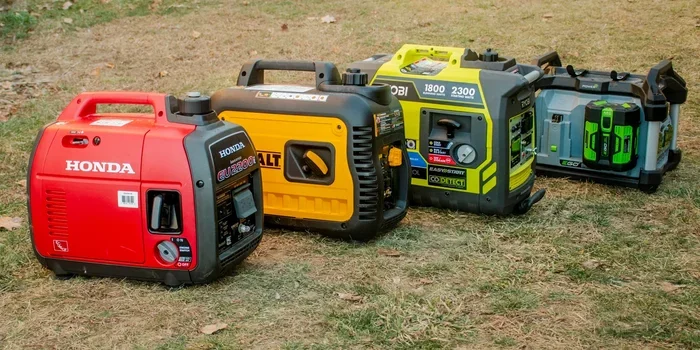
Portable generators are the most popular option for homeowners. They are compact, easy to move, and relatively affordable. You can wheel them out when you need them and store them away when you do not. Most portable units run on gasoline, though some support propane or dual fuel.
These generators typically range from 3,000 to 8,500 watts. They work great for powering essentials like refrigerators, lights, and small tools. However, they are not designed to run your entire house at once. If you need whole-home coverage, you will want to look at standby options instead.
Standby Generators
Standby generators are the heavy-duty choice. They install permanently outside your home and kick on automatically when the power goes out. These units run on natural gas or propane and can power your entire house, including HVAC systems and well pumps.
Standby generators range from 7,000 watts all the way up to 20,000 watts or more. They cost more upfront, but they offer unmatched convenience and reliability. If you live in an area prone to frequent outages, a standby unit is a worthwhile investment. You can learn more about sizing one properly in our guide on how big of a backup generator do I need.
Inverter Generators
Inverter generators are a newer technology that produces clean, stable power. They are ideal for sensitive electronics like laptops, phones, and TVs. Unlike traditional generators, inverters adjust their engine speed to match the load, which makes them quieter and more fuel-efficient.
Most inverter generators are portable and lightweight. They are a favorite among campers and RV owners. However, they tend to cost more per watt than conventional portable units. If you need to power delicate electronics, the extra cost is worth it.
Dual Fuel and Tri-Fuel Generators
Dual fuel generators let you switch between gasoline and propane. Tri-fuel models add natural gas to the mix. This flexibility is a big advantage. Propane stores longer than gasoline, and natural gas provides a continuous fuel supply when connected to your home’s gas line.
These generators cost a bit more than single-fuel models, but they give you options. You can use whichever fuel is most available or affordable at the time. For more details on natural gas usage, check out our article on how much natural gas does a generator use.
How to Size a Generator Correctly
Sizing is one of the most important parts of buying a generator. Too small, and you will overload the unit. Too big, and you waste money on power you do not need. Getting the right size starts with a simple calculation.
Step 1: List Your Essential Appliances
Start by writing down everything you want to power during an outage. Common essentials include:
- Refrigerator (startup wattage around 1,200 to 2,200 watts)
- Lights (100 to 300 watts per fixture)
- Well pump (1,500 to 3,000 watts)
- Sump pump (1,300 to 2,500 watts)
- Window AC unit (1,500 to 2,500 watts)
- Phone and laptop chargers (50 to 200 watts each)
Step 2: Add Up the Wattage
Check the label or manual for each appliance to find its running and starting wattage. Starting wattage is always higher than running wattage. Add up all the starting wattages, then add the running wattages for everything else. This gives you your total power need.
For example, if your fridge needs 2,200 watts to start and 700 watts to run, and your lights need 300 watts, your total starting demand is 2,500 watts. You would want a generator rated at least 3,000 watts to handle this comfortably.
Step 3: Add a Safety Margin
Always add 10 to 20 percent to your total wattage calculation. This buffer protects the generator from overload and extends its lifespan. It also gives you room to plug in extra devices if needed.
Quick Sizing Guide
- Small (3,000 to 4,000 watts): Powers essentials like lights, fridge, and phone chargers
- Medium (5,000 to 7,500 watts): Handles essentials plus a window AC or power tools
- Large (8,000 to 12,000 watts): Can run most of a home, including multiple AC units
- Whole-Home (15,000+ watts): Powers everything, best paired with a standby installation
Fuel Types and What to Consider
The fuel type you choose affects runtime, cost, convenience, and maintenance. Each option has its strengths, so pick the one that fits your situation best.
Gasoline
Gasoline is the most common fuel for portable generators. It is widely available at gas stations and hardware stores. Gasoline generators are affordable and easy to start. However, gasoline has a short shelf life of about three to six months. If you store fuel for emergencies, you will need to rotate it regularly.
Propane
Propane stores indefinitely, which makes it great for emergency preparedness. It burns clean and produces fewer emissions than gasoline. Many dual fuel generators support propane, and some standalone propane models are available. The downside is that propane has lower energy density, so you may get slightly shorter runtime per gallon compared to gasoline.
Natural Gas
Natural gas is the cleanest burning fossil fuel. It connects directly to your home’s gas line, providing an endless fuel supply. This is why standby generators almost always use natural gas or propane. The electrical generator category includes many natural gas-ready models for homeowners who want hassle-free fueling.
Diesel
Diesel generators are built for heavy-duty and commercial use. They are more fuel-efficient than gasoline and have longer engine lives. However, they cost more upfront and are louder and heavier. Diesel is also less commonly available at retail stores. For most homeowners, gasoline, propane, or natural gas is the better choice.
Generator Battery and Runtime
Runtime is how long a generator can run on a full tank of fuel. It varies widely based on the model, fuel type, and load. A small portable generator might run 8 to 12 hours on a tank, while a large standby unit can run for days with a continuous fuel supply.
Generator batteries play an important role in standby models. The battery powers the starter motor and the control panel. If your battery dies, the generator will not start automatically during an outage. To learn more about maintaining your generator’s battery life, see our article on how long does a generator battery last.
Tips to Maximize Runtime
- Turn off unnecessary appliances to reduce the load
- Keep the fuel tank full and store fuel properly
- Perform regular maintenance on the engine and carburetor
- Use fuel stabilizers for stored gasoline
- Run the generator at 75 to 80 percent of its rated capacity for best efficiency
Budget and Cost Considerations
Generator prices vary a lot. A small portable unit can cost as little as $500, while a whole-home standby generator can run $5,000 to $15,000 or more installed. Understanding what drives the cost helps you make a smart investment.
What Affects Generator Price
- Wattage capacity: Higher wattage means higher cost
- Fuel type: Natural gas and propane models often cost more than gasoline-only units
- Brand reputation: Well-known brands charge a premium but often offer better reliability and support
- Inverter technology: Inverter generators cost more but deliver cleaner power
- Installation costs: Standby generators require professional installation, which adds $1,000 to $5,000
- Warranty length: Longer warranties often mean better build quality
When budgeting, remember to factor in ongoing costs like fuel, oil changes, air filters, and spark plugs. A generator is an investment in your home’s resilience. Spending a little more upfront on a reliable model often saves you money in the long run.
Safety Tips When Using a Generator
Generators are powerful machines that require respect. Improper use can lead to carbon monoxide poisoning, electrical fires, and other serious hazards. Safety should always come first.
Carbon Monoxide Safety
Never run a generator indoors or in an enclosed space like a garage. Carbon monoxide is odorless and colorless. It can build up quickly and become deadly. Always place your generator outside, at least 20 feet away from doors, windows, and vents.
Electrical Safety
Use heavy-duty, outdoor-rated extension cords. Never plug a portable generator directly into a wall outlet, a practice known as backfeeding. Backfeeding can send electricity back through the grid and endanger utility workers. Instead, use a transfer switch installed by a licensed electrician.
Fuel Safety
Store fuel in approved containers in a cool, well-ventilated area. Never refuel a generator while it is running or hot. Let the engine cool for at least 15 minutes before adding fuel. Keep a fire extinguisher nearby when operating any fuel-powered equipment.
Top Brands to Consider
When it comes to generators, brand reputation matters. Established brands tend to offer better build quality, longer warranties, and more accessible customer service. Here are some of the top names to look at.
- Generac: The leader in standby generators. Known for reliable automatic start systems and strong warranty support.
- Honda: Famous for quiet, fuel-efficient inverter generators. A top choice for recreational and backup use.
- Champion: Offers great value with dual fuel options and competitive pricing.
- Westinghouse: A solid mid-range brand with good portability and power output.
- Kohler: Premium standby generators built for whole-home reliability.
- DuroMax: Budget-friendly options that still deliver solid performance for the price.
Before you buy, read customer reviews and check independent ratings. Look for models with at least a three-year warranty. A good warranty reflects the manufacturer’s confidence in their product and saves you money on repairs down the road.
Maintenance Tips After Purchase
Buying the generator is only half the battle. Regular maintenance keeps it running smoothly and extends its lifespan. Here are the essentials.
- Change the oil after the first 20 hours of use, then every 100 hours or at least once per season
- Replace the air filter every 100 to 250 hours of operation
- Check the spark plug annually and replace if worn
- Use fuel stabilizer if the generator sits unused for more than a month
- Run the generator under load for at least 30 minutes once a month to keep the engine in good condition
- Inspect the battery on standby models and replace every two to three years
Sticking to a maintenance schedule might feel like a chore, but it pays off. A well-maintained generator starts reliably when you need it most. It also runs more efficiently, which saves fuel and reduces wear on the engine.
Common Mistakes to Avoid When Buying a Generator
Even informed buyers sometimes make mistakes. Here are the most common pitfalls and how to avoid them.
- Buying too small: Undersized generators overload and shut down. Always calculate your total wattage needs and add a buffer.
- Ignoring runtime: A generator might have great wattage but poor runtime. Check how long it runs at 50 percent and 75 percent load.
- Skipping the transfer switch: A transfer switch is essential for safety and code compliance. Do not skip this investment.
- Choosing price over quality: The cheapest model is rarely the best value. Look for a balance of price, features, and reliability.
- Forgetting about noise: Generators can be loud. Check the decibel rating, especially if you live in a neighborhood with close neighbors.
- Not reading the manual: Every generator has specific operating and maintenance requirements. Read the manual before you use the unit.
Final Thoughts on How to Buy a Generator
Buying a generator is a decision that impacts your comfort, safety, and wallet for years to come. By understanding your power needs, choosing the right type, sizing correctly, and picking a reliable brand, you set yourself up for success. Take your time, do your research, and do not rush the purchase.
Remember that the best generator is the one that meets your specific needs without overspending on features you do not need. Whether you choose a portable unit for camping trips or a standby system for whole-home backup, the key is to match the generator to your lifestyle and budget. Use the tips in this guide to make a confident, informed decision. Your future self will thank you when the power goes out and your generator kicks in without a hitch.
Start your search today. Compare models, read reviews, and talk to a professional installer if you are considering a standby unit. With the right generator in place, you will have peace of mind no matter what the weather brings.
Frequently Asked Questions
What size generator do I need for a typical home?
A typical home needs between 5,000 and 10,000 watts to power essentials like the fridge, lights, and furnace blower. For whole-home coverage including air conditioning and multiple circuits, look for a 15,000 to 20,000 watt standby generator. Always calculate your specific appliance wattages before deciding.
Is a portable generator or a standby generator better?
It depends on your needs. Portable generators are affordable and movable, making them great for camping and job sites. Standby generators cost more but provide automatic backup power for your entire home. If you live in an area with frequent outages, a standby unit is the better long-term choice.
How long can a generator run continuously?
Portable gasoline generators typically run 8 to 12 hours on a full tank. Standby generators connected to natural gas or propane can run indefinitely as long as fuel is supplied. Check the manufacturer’s rated runtime for the specific model you are considering.
What fuel is best for a home generator?
Natural gas is the most convenient for standby generators because it connects to your home’s gas line. Propane is a great alternative with an indefinite shelf life. Gasoline works well for portable units but has a shorter storage life. Choose based on your budget, storage options, and local fuel availability.
Do I need a transfer switch for my generator?
Yes, a transfer switch is essential for standby generators and highly recommended for portable units. It safely connects your generator to your home’s electrical system and prevents backfeeding, which can endanger utility workers. A licensed electrician should install the transfer switch.
How often should I maintain my generator?
Run a portable generator under load for at least 30 minutes once a month. Change the oil every 100 hours or at least once per season. Replace the air filter every 100 to 250 hours. For standby generators, inspect the battery and coolant levels annually and follow the manufacturer’s full maintenance schedule.