Everything You Need to Know About Audio Compressor Hardware
Audio compressor hardware is a physical device that tames the dynamic range of your sound, making quiet parts louder and loud parts quieter. Whether you are a beginner or a seasoned pro, understanding audio compressor hardware helps you achieve cleaner, more polished recordings. This guide covers everything from core concepts to practical setup tips you can use right away.
If you produce music, record vocals, or mix tracks, you have likely heard the term audio compressor hardware more than a few times. But what exactly is it, and why does it matter so much in the world of audio? Simply put, audio compressor hardware is a physical piece of equipment designed to control the volume dynamics of an audio signal. It takes the loudest parts of your sound and brings them down, while also lifting the quieter parts. The result is a smoother, more balanced sound that sits well in a mix.
You might wonder why you need a physical compressor when software plugins exist. The truth is, many engineers and producers swear by the sound of real hardware. Audio compressor hardware often adds a warmth and character that digital tools sometimes struggle to replicate. Whether you are building a home studio or working in a professional facility, knowing your hardware options opens up creative possibilities you might not expect.
In this guide, we will break down everything you need to know about audio compressor hardware. We will cover how compressors work, the different types available, what features to look for, and how to set yours up for the best sound. By the end, you will feel confident choosing and using your own audio compressor hardware.
Key Takeaways
- Audio compressor hardware controls dynamic range, making your mixes sound more balanced and professional.
- There are several types of hardware compressors, including rack-mounted units, pedal-style compressors, and tube-based models.
- Key settings like attack, release, threshold, and ratio determine how your compressor shapes the sound.
- Placing your compressor correctly in the signal chain is essential for getting the best results.
- Both expensive and budget-friendly options exist, so you do not need to break the bank to get great sound.
- Common mistakes like over-compressing can ruin your audio, so always trust your ears.
- Practice and experimentation are the best ways to master your audio compressor hardware.
📑 Table of Contents
What Is Audio Compressor Hardware?
At its core, audio compressor hardware is a device that reduces the range between the loudest and quietest parts of an audio signal. Think of it like a volume knob that reacts automatically to your input. When the signal gets too loud, the compressor pulls it back. When it gets quiet, it lets it through or even boosts it slightly.
Compressors are used in nearly every corner of the audio world. From radio broadcasting to live concerts to home recording studios, you will find them at work. They help vocals sit consistently in a mix, keep bass guitars punchy, and add sustain to acoustic guitars. The audio compressor hardware you choose can shape the entire tone and feel of your recording.
How Does Audio Compression Work?
Understanding how compression works does not require a degree in engineering. Here is the basic idea. An audio signal enters the compressor. The compressor monitors the level of that signal. When the signal crosses a set threshold, the compressor activates and reduces the volume. The amount of reduction is controlled by the ratio setting.
Let us say your threshold is set at negative 20 decibels, and your ratio is 4 to 1. This means that for every 4 decibels the signal goes above the threshold, only 1 decibel gets through. The rest is compressed. The compressor then lets the signal return to normal once it drops below the threshold. This whole process happens in milliseconds, so it feels completely natural to the listener.
What makes audio compressor hardware special is the way it colors the sound. Analog circuits, vacuum tubes, and transformers all add their own unique flavor. This is why many professionals prefer hardware over software for certain applications.
Why Hardware Compressors Still Matter in a Digital World
You might ask yourself, with so many great software plugins available, why bother with physical units? The answer comes down to character and sound quality. Audio compressor hardware often imparts a sonic signature that plugins try hard to emulate but rarely nail perfectly. Tube compressors add harmonic richness. Solid-state compressors deliver clean, transparent gain reduction. Each type serves a different purpose.
Hardware compressors also force you to engage with your sound more actively. Twisting real knobs and hearing the immediate change teaches you a lot about compression. It makes you a better engineer over time. That hands-on experience is something software simply cannot replicate in the same way.
It is also worth noting that compressors exist in many forms across different industries. For instance, mechanical compressors are used in HVAC systems and industrial equipment. If you are curious about how a physical compressor works in a completely different context, you might enjoy learning about how to use a Craftsman air compressor for a broader understanding of compressor mechanics.
Types of Audio Compressor Hardware
Not all compressors are created equal. Different designs serve different purposes, and knowing the types available helps you make smarter buying decisions. Here are the most common categories of audio compressor hardware you will encounter.
Rack-Mounted Compressors
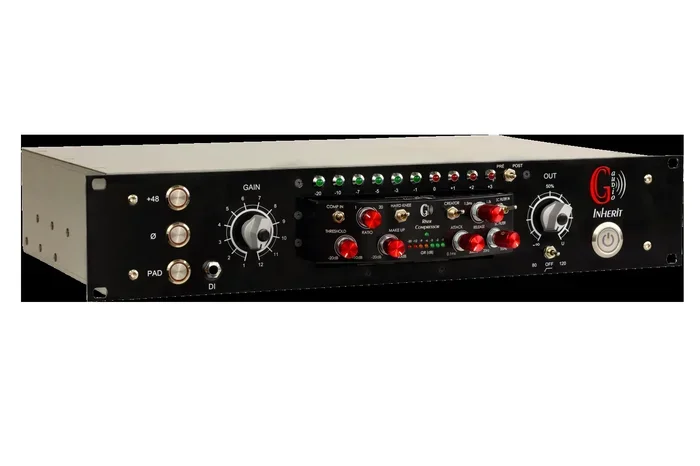
Rack-mounted compressors are the workhorses of professional studios. They sit neatly in equipment racks and offer a full set of controls. These units typically include threshold, ratio, attack, release, and makeup gain knobs. Some also feature sidechain inputs and filters for advanced routing.
Rack-mounted audio compressor hardware is ideal for studio recording, broadcasting, and live sound reinforcement. They handle a wide range of sources, from vocals to drum buses to master channels. Popular brands in this category include Universal Audio, dbx, and Empirical Labs.
Pedal-Style Compressors
If you play guitar or bass, you have probably seen a compressor pedal. Pedal-style compressors are compact units that sit on the floor and are controlled with your foot. They are essential tools for electric guitarists who want smooth sustain and even volume levels.
Many pedal compressors also work well with vocals and acoustic instruments. They tend to be simpler than rack units, with fewer controls, but they deliver excellent results. Brands like MXR, Boss, and Keeley make highly regarded pedal compressors that are popular in both studio and live settings.
Tube vs. Solid-State Compressors
This is one of the biggest debates in the audio world. Tube compressors use vacuum tubes to process the signal, adding warmth and harmonic richness. They are often described as musical and smooth. Solid-state compressors use transistors and deliver a cleaner, more transparent sound. Both types have their place.
Tube audio compressor hardware shines on vocals, bass, and acoustic guitars where you want that extra warmth. Solid-state compressors work great on drums, percussion, and sources where you need clean, precise gain reduction. Many producers own both types and choose based on the job at hand.
Interestingly, compressors in other fields work on similar principles. For example, the compressor in your air conditioning system plays a critical role in the cooling cycle. If you are curious about how compressor systems function outside of audio, you can explore whether defrost systems work without an AC compressor to understand the broader role compressors play in everyday technology.
Key Features to Look For in Audio Compressor Hardware
When shopping for audio compressor hardware, not all features are created equal. Some controls are essential, while others are nice-to-have extras. Here is what you should pay attention to.
Attack and Release Controls
Attack controls determine how quickly the compressor reacts once the signal crosses the threshold. A fast attack clamps down on transients almost instantly, which is great for taming sharp peaks. A slow attack lets the initial punch of a sound through before compression kicks in, which works well for drums and bass.
Release controls do the opposite. They determine how quickly the compressor lets go after the signal drops below the threshold. A fast release makes the compression less noticeable, while a slow release creates a more musically expressive effect. Getting the attack and release right is the single most important skill in using audio compressor hardware.
Threshold and Ratio Settings
The threshold sets the level at which compression begins. The ratio determines how much compression is applied. A 2 to 1 ratio is gentle and transparent, while an 8 to 1 ratio is aggressive and pumping. For subtle leveling, start with a low ratio and adjust the threshold until you hear the compressor working.
Sidechain and Filter Options
Sidechain capability is a powerful feature found on many premium audio compressor hardware units. It allows you to use an external signal to trigger the compressor. This is commonly used in electronic music production, where the kick drum triggers compression on the bass line, creating that classic pumping effect.
Filter options, such as high-pass sidechain filters, let you avoid triggering the compressor on low-frequency rumble. This keeps your compression focused and musical. Not all units include these features, but they are well worth having if your workflow demands flexibility.
Setting Up Your Audio Compressor Hardware
Once you have your audio compressor hardware in hand, the next step is setting it up correctly. Proper placement in your signal chain and smart initial settings make a huge difference. Here is how to get started.
Where to Place Your Compressor in the Signal Chain
The position of your compressor in the signal chain affects the final sound significantly. In a typical studio setup, compressors are placed after the preamp and before any time-based effects like reverb or delay. This ensures that the compressor works on a clean, uncolored signal first.
For live sound, compressors often sit early in the chain to control dynamics before the signal reaches the mixing console. In a pedalboard setup for guitarists, the compressor usually comes first, before any distortion or modulation pedals. This placement ensures that the compressor reacts to the full dynamics of your playing.
Starting Settings for Common Instruments
Different instruments benefit from different compressor settings. Here are some starting points you can use as a reference.
- Vocals: Start with a medium attack around 10 to 30 milliseconds, a medium release, a ratio of 3 to 1, and adjust the threshold until you see about 4 to 6 decibels of gain reduction.
- Bass Guitar: Use a slower attack of 30 to 50 milliseconds to preserve the punch, a fast release, a ratio of 4 to 1, and moderate gain reduction.
- Drums: A fast attack of 1 to 10 milliseconds works well for catching transients, with a medium release and a ratio of 2 to 1 or 3 to 1.
- Acoustic Guitar: Try a medium attack, medium release, a gentle ratio of 2 to 1, and light gain reduction of 2 to 4 decibels.
These are just starting points. The beauty of audio compressor hardware is that you can tweak the settings until the sound feels right. Trust your ears and take your time.
Common Mistakes to Avoid
Even experienced producers make mistakes with compression. Here are a few to watch out for. First, over-compressing your signal. Too much compression kills dynamics and makes your audio sound flat and lifeless. Second, setting the attack too fast on sources that need punch, like drums or bass. Third, ignoring the makeup gain. Compression reduces the overall level, so you need to boost it back up with the makeup gain control.
Another common error is using compression when it is not needed. Not every track benefits from a compressor. Sometimes, simply adjusting the performance or recording level solves the problem. Use compression intentionally, not out of habit.
It is also worth noting that modern audio technology extends well beyond traditional hardware. For example, AI-powered tools are now available for audio and video generation. If you are curious about how artificial intelligence is changing the audio landscape, you might want to explore what an audio to video AI generator can do, as these tools represent the cutting edge of creative technology.
Expert Tips for Getting the Best Sound
Getting great results from audio compressor hardware comes down to technique and practice. Here are some expert tips that can help you improve your compression skills.
- Always use your ears, not just your eyes. The meters on your compressor tell you what is happening technically, but your ears tell you what sounds good. Trust your instincts.
- Start with gentle settings. A little compression goes a long way. Begin with a low ratio and subtle gain reduction, then increase gradually.
- Experiment with different attack and release combinations. Small changes can have a big impact on the character of your sound.
- Use compression both for control and for tone. Some compressors are chosen specifically for the color they add, not just for leveling.
- Take breaks. Ear fatigue is real. If you have been listening for hours, step away and come back with fresh ears before finalizing your settings.
- Compare with and without compression. A/B testing helps you hear exactly what the compressor is doing and whether it is improving the sound.
Following these tips consistently will help you get the most out of your audio compressor hardware. Compression is a skill that improves with practice, so do not get discouraged if it takes time to master.
Budget vs. Premium Audio Compressor Hardware
One of the most common questions people ask is whether they need to spend a fortune on audio compressor hardware. The short answer is no. There are excellent compressors at every price point. The key is knowing what you need and what you can afford.
Budget compressors from brands like Behringer, ART, and TC Electronic offer solid performance for home studios and beginners. They may lack some of the refined character of high-end units, but they get the job done. Premium compressors from brands like Universal Audio, SSL, and Empirical Labs deliver exceptional sound quality and build quality that lasts for decades.
If you are just starting out, a single versatile compressor is all you need. You can always expand your collection as your skills and needs grow. The most important thing is to learn how to use what you have effectively.
Final Thoughts on Audio Compressor Hardware
Audio compressor hardware is one of the most essential tools in any audio setup. It gives you control over dynamics, shapes the tone of your recordings, and helps your mixes sound polished and professional. From understanding the basic principles to exploring different types and features, this guide has covered the essentials you need to get started.
The best way to learn compression is to use it. Set up your audio compressor hardware, experiment with different settings, and listen carefully to the results. Over time, you will develop an intuitive feel for what each parameter does and how to use compression creatively. Do not be afraid to make mistakes, because every adjustment teaches you something new.
Whether you are recording vocals, mixing a full band, or shaping the sound of a guitar pedalboard, the right compressor makes all the difference. Invest the time to learn your gear, trust your ears, and enjoy the process of making your audio sound its absolute best.
Frequently Asked Questions
What does an audio compressor hardware do exactly?
An audio compressor hardware unit reduces the dynamic range of an audio signal by lowering the volume of loud parts and allowing quieter parts to be heard more clearly. This results in a smoother, more balanced sound that sits well in a mix or live environment.
Do I need audio compressor hardware if I already use plugins?
Not strictly, but hardware compressors add a unique character and warmth that many engineers prefer. Plugins are convenient and cost-effective, but physical units offer a hands-on experience and a distinct sonic quality that is hard to replicate digitally.
What is the difference between attack and release on a compressor?
The attack setting controls how quickly the compressor reacts once the signal exceeds the threshold. The release setting controls how quickly the compressor stops compressing after the signal drops below the threshold. Adjusting both shapes how transparent or musical the compression sounds.
Can I use a hardware compressor on any audio source?
Yes, audio compressor hardware works with virtually any audio source including vocals, instruments, drums, bass, and even master bus signals. The key is choosing the right settings and placement in your signal chain for the specific source you are working with.
Are expensive audio compressor hardware units worth the investment?
For professional studios and serious enthusiasts, premium compressors offer superior sound quality, durability, and features. However, beginners and home studio users can find excellent results with budget-friendly options. The most important factor is learning how to use your compressor effectively.
How do I know if I am over-compressing my audio?
Signs of over-compression include a flat, lifeless sound, loss of natural dynamics, and an audible pumping or breathing effect. If your audio sounds unnatural or fatiguing to listen to, try reducing the ratio, raising the threshold, or adjusting the attack and release settings.