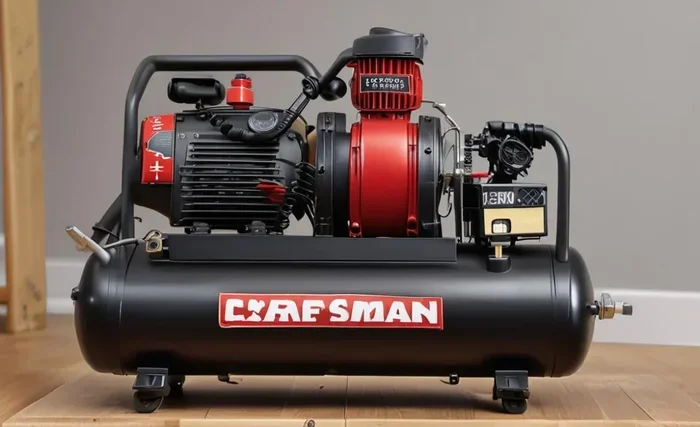
How to Use a Craftsman Air Compressor the Right Way
Using a Craftsman air compressor the right way means understanding your PSI, CFM, and tank size before you start. This guide walks you through setup, safe operation, maintenance, and troubleshooting so you can get the most out of your machine. Whether you are a beginner or a seasoned DIYer, these tips will help you work smarter and safer.
Key Takeaways
- Know your specs: Understanding PSI, CFM, and tank size is essential before operating your Craftsman compressor.
- Safety first: Always wear proper PPE and follow all manufacturer guidelines to prevent injury.
- Maintenance matters: Regular draining, oil checks, and filter cleaning extend compressor life significantly.
- Match your tools: Make sure your air tools are compatible with your compressor’s output for best performance.
- Storage counts: Proper storage after each use prevents rust, moisture buildup, and premature wear.
📑 Table of Contents
- How to Use a Craftsman Air Compressor Like a Pro
- Setting Up Your Craftsman Air Compressor
- Safe Operation Practices
- Powering Your Compressor: Fuel and Electricity Options
- Using Your Compressor With Air Tools
- Maintenance Tips to Keep Your Craftsman Compressor Running Strong
- Common Mistakes to Avoid
- Troubleshooting Common Issues
- Final Thoughts
How to Use a Craftsman Air Compressor Like a Pro
Air compressors are one of the most versatile tools you can own. A Craftsman air compressor gives you the power to run pneumatic nailers, paint sprayers, impact wrenches, and much more. But if you have never used one before, all the gauges, hoses, and fittings can feel overwhelming.
The good news is that using a Craftsman compressor is simpler than it looks. Once you understand the basics, you will wonder how you ever worked without one. This guide covers everything from unboxing to ongoing maintenance. You will learn how to set up your unit safely, choose the right attachments, and keep your compressor running smoothly for years.
We will also cover common mistakes that trip up beginners. Avoiding these errors saves time, money, and frustration. By the end, you will feel confident firing up your Craftsman compressor for any project.
What You Should Know Before You Start
Before you plug in your compressor, take a moment to understand a few key terms. These specs determine what your machine can handle and which tools it can power.
PSI stands for pounds per square inch. It measures the air pressure your compressor can deliver. Most Craftsman compressors range from 100 to 150 PSI. CFM means cubic feet per minute. It tells you how much air flows out per minute. Higher CFM means more tools can run at the same time.
Tank capacity is measured in gallons. A larger tank holds more compressed air, so the motor does not cycle on and off as often. This matters a lot if you plan to use tools for long periods. Duty cycle refers to how long the compressor can run before needing a rest. A 50% duty cycle means 5 minutes on, 5 minutes off.
Quick Tip: Always check your tool’s CFM and PSI requirements before buying a compressor. Matching these numbers prevents underperformance and saves electricity.
Setting Up Your Craftsman Air Compressor
Proper setup is the foundation of safe and efficient operation. Skipping this step can lead to poor performance or even damage to your machine. Follow these steps carefully every time.
Step 1: Choose the Right Location
Place your compressor on a flat, stable surface. Avoid carpets or soft floors that can block ventilation. Good airflow around the motor prevents overheating. If you are using the compressor outdoors, make sure the surface is dry and level.
Keep the unit away from flammable materials. Compressors generate heat and sparks during operation. A clear space of at least three feet on all sides is ideal. Also, consider noise levels. Some Craftsman models are louder than others, so ear protection is a smart move.
Step 2: Check the Oil Level
Many Craftsman compressors use oil lubrication. Before your first use, check the oil sight glass or dipstick. The oil level should fall between the minimum and maximum marks. Use only the oil type recommended in your owner’s manual.
If your model is oil-free, you can skip this step. Oil-free compressors come pre-lubricated and require less maintenance. However, they may not last as long under heavy use. Oil-lubricated models are better for continuous or professional use.
Step 3: Connect the Air Hose
Attach the air hose to the compressor outlet using the quick-connect fitting. Make sure it clicks firmly into place. A loose connection causes air leaks, which waste energy and reduce pressure. Next, connect your air tool to the other end of the hose.
Pro Tip: Apply a thin layer of Teflon tape to threaded connections. This creates a tighter seal and prevents slow leaks that can frustrate you mid-project.
Step 4: Set the Pressure Regulator
Every Craftsman compressor has a pressure regulator on the output line. Before turning on any tool, set the regulator to match your tool’s recommended PSI. Never exceed the tool’s maximum pressure rating. This simple step prevents tool damage and keeps you safe.
Safe Operation Practices
Safety should always come first when using any power tool. Air compressors store potential energy in the tank, which means they demand respect. Follow these rules every single time you operate your Craftsman unit.
Personal Protective Equipment
Wear safety glasses or goggles to protect your eyes from debris. Hearing protection is essential, especially for extended use. Steel-toe boots are a good idea if you are working in a workshop or garage. Gloves can help with grip but should never be worn near rotating parts like the drive belt.
Never Exceed the Tank Pressure
Every Craftsman compressor has a maximum tank pressure listed on the nameplate. The pressure relief valve is a safety device that releases excess pressure if the regulator fails. Never disable or ignore this valve. If your tank pressure exceeds the rated limit, shut off the machine immediately.
Watch for Warning Signs
Unusual noises, excessive vibration, or leaking air are all warning signs. Stop using the compressor and inspect it before continuing. A hissing sound near the fittings usually means a loose connection. Moisture leaking from the drain valve is normal, but oil leaks need immediate attention.
Electrical Safety
If you are running your compressor off a generator or a shared circuit, make sure the electrical setup is correct. Wiring a generator to a breaker box properly ensures stable power delivery and prevents electrical hazards. Use a dedicated circuit whenever possible. Avoid extension cords that are too long or too thin, as they can cause voltage drops.
Ventilation Matters
Compressors draw in room air and compress it. In enclosed spaces, this can reduce oxygen levels and increase heat. Always work in a well-ventilated area. If you notice the motor overheating, turn it off and let it cool before continuing.
Powering Your Compressor: Fuel and Electricity Options
Craftsman compressors come in electric and gas-powered models. Each has its own advantages and considerations. Understanding these differences helps you choose the right option for your needs.
Electric Models
Electric compressors are the most popular choice for home workshops. They are quieter, lighter, and easier to maintain. You just plug them into a standard outlet and go. Electric models work best for intermittent use and lighter tasks like framing, finishing, and inflating tires.
One thing to keep in mind is electricity cost. Running a compressor for several hours will add to your bill, but it is generally more affordable than gas alternatives. If you are comparing fuel options, understanding how much energy different machines consume helps you budget better.
Gas-Powered Models
Gas compressors deliver more power and mobility. They are ideal for construction sites where electricity is not available. However, they require more maintenance and produce exhaust fumes. Always use gas-powered compressors outdoors or in very well-ventilated spaces.
Gas models also use fuel, and the amount varies based on the engine size and load. If you are curious about fuel consumption, check out our guide on how much gas a generator uses for a helpful comparison of fuel efficiency across small engines.
How Long Can You Run It?
Running time depends on your model and duty cycle. Most Craftsman electric compressors can run continuously for 30 to 60 minutes before needing a cooldown. Gas models can run longer but still need periodic breaks. How long a generator runs depends on fuel tank size, and the same principle applies to gas compressors.
Never push your compressor beyond its recommended duty cycle. Overheating damages the motor and shortens the machine’s lifespan. Let it rest when needed.
Using Your Compressor With Air Tools
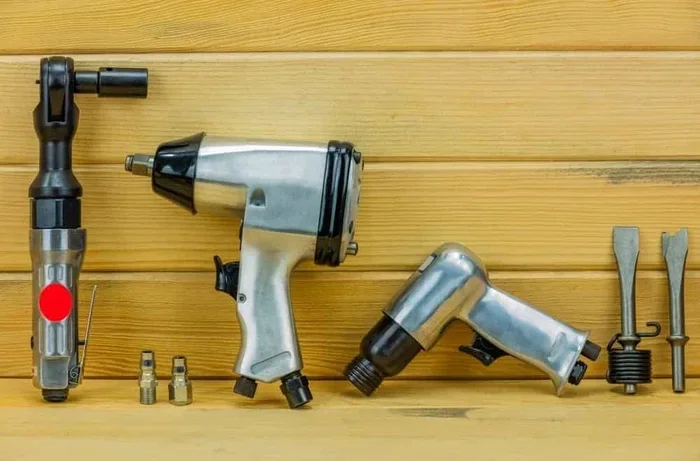
The real fun begins when you connect air tools to your Craftsman compressor. Different tools require different levels of air pressure and flow. Matching your compressor to your tools ensures smooth, efficient operation.
Common Air Tools and Their Needs
Here is a quick look at popular pneumatic tools and their typical requirements:
- Nail guns: 70 to 120 PSI, 2 to 5 CFM
- Impact wrenches: 90 to 130 PSI, 4 to 8 CFM
- Paint sprayers: 15 to 40 PSI, 3 to 6 CFM
- Die grinders: 20 to 90 PSI, 3 to 5 CFM
- Inflators: 50 to 100 PSI, 1 to 3 CFM
Before connecting any tool, check its manual for the recommended PSI and CFM. If your compressor cannot meet those requirements, the tool will underperform. You may notice the compressor running constantly without building enough pressure, or the tool stalling mid-use.
Matching Your Compressor to Power Tools
If you plan to run multiple tools at once, you need a compressor with enough total CFM output. Add up the CFM requirements of all the tools you plan to use simultaneously. Then choose a compressor that exceeds that total by at least 20%. This buffer prevents the compressor from maxing out.
For those who rely on generators to power their compressor and tools, selecting the right size generator is critical. Our guide on what size generator you need to run power tools helps you match your generator capacity to your air compressor and tool demands.
Quick Tips for Tool Performance
- Always bleed the air pressure from the hose before connecting a new tool.
- Use the shortest hose possible to reduce pressure loss.
- Keep quick-connect fittings clean and free of debris.
- Lubricate pneumatic tools with a few drops of oil after every use.
- Store hoses coiled loosely to prevent kinks and cracks.
Maintenance Tips to Keep Your Craftsman Compressor Running Strong
Regular maintenance is the secret to a long-lasting compressor. A well-maintained Craftsman unit can last 10 to 15 years or more. Neglected compressors, on the other hand, can fail within a few seasons. The good news is that basic maintenance takes only a few minutes after each use.
Drain the Tank After Every Use
Moisture collects inside the tank as air is compressed. Over time, this moisture causes rust and weakens the tank walls. Always open the drain valve at the bottom of the tank after each session. Let the water flow out completely before storing the unit.
Expert Insight: Some users install an in-line moisture trap on the output hose. This catches excess water before it reaches your air tools. It is a small addition that makes a big difference, especially in humid climates.
Check and Change the Oil
For oil-lubricated models, check the oil level before every use. Change the oil every 500 hours of operation or at least once per year. Use the oil grade specified in your owner’s manual. Dirty or low oil causes increased friction, overheating, and premature motor wear.
Clean or Replace the Air Filter
The intake filter prevents dust and debris from entering the motor. A clogged filter restricts airflow and forces the motor to work harder. Check the filter monthly and clean it with a soft brush. Replace it if you notice tears or heavy buildup.
Inspect Hoses and Fittings Regularly
Look for cracks, bulges, or loose connections on all hoses and fittings. Even a small leak wastes compressed air and forces the compressor to run longer. Replace damaged hoses immediately. Tighten any fittings that feel loose.
Store Properly When Not in Use
Store your compressor in a clean, dry place. Cover it with a dust cover or canvas to keep debris out. Before long-term storage, drain the tank completely and disconnect the spark plug (for gas models). This prevents accidental starts and moisture damage.
Common Mistakes to Avoid
Even experienced users sometimes make mistakes that shorten their compressor’s lifespan. Here are the most common errors and how to avoid them.
Overlooking the Pressure Relief Valve
The pressure relief valve is a critical safety feature. Some users test it once and forget about it. Test it regularly by lifting the valve ring. If it does not release air, replace it immediately. A faulty relief valve can lead to a dangerous tank rupture.
Using the Wrong Oil
Not all compressor oils are the same. Using the wrong grade causes poor lubrication and increased wear. Always use the oil recommended by Craftsman for your specific model. Synthetic oils often provide better performance in extreme temperatures.
Ignoring Moisture Buildup
Failing to drain the tank leads to rust from the inside out. Rust weakens the tank and can eventually cause it to fail. Make draining the tank a non-negotiable part of your post-use routine.
Running the Compressor Beyond Its Duty Cycle
Pushing the compressor too hard without breaks causes overheating. The motor burns out, and repairs can cost more than a new unit. Respect the duty cycle and let the machine cool down as needed.
Skipping the Break-In Period
New compressors need a break-in period of about 20 to 30 hours of use. During this time, the piston rings and cylinder walls seat properly. Avoid heavy continuous use during the break-in. Run the compressor for short intervals and let it rest.
Troubleshooting Common Issues
Even with proper care, issues can arise. Here is how to handle the most common problems.
Compressor Won’t Start
Check that the power cord is securely plugged in. For electric models, test the outlet with another device. For gas models, make sure there is fuel in the tank and the choke is set correctly. A tripped circuit breaker or a blown fuse can also prevent startup.
Low Pressure Output
Low pressure usually means air is leaking somewhere. Check all fittings, hoses, and connections. A worn gasket or seal can also cause pressure loss. If the pressure switch is faulty, it may not signal the motor to turn on when tank pressure drops.
Excessive Noise or Vibration
Loose mounting bolts, worn belts, or debris in the fan blade can cause unusual noise. Check all bolts and tighten them. Inspect the drive belt for cracks or wear. Clean the area around the motor to remove any obstructions.
Compressor Runs but Does Not Build Pressure
This usually indicates a failed check valve or a leaking gasket. The check valve prevents air from flowing back into the tank when the compressor is off. If it fails, air escapes and the tank cannot hold pressure. Replacing the check valve is a simple fix for most models.
Final Thoughts
Using a Craftsman air compressor the right way comes down to three things: understanding your machine, operating it safely, and maintaining it consistently. When you take the time to learn your compressor’s specs, set it up properly, and follow safety guidelines, you unlock a powerful tool that makes every project easier.
Remember to drain the tank, check the oil, and inspect your hoses after every use. These small habits add up to years of reliable performance. Avoid the common mistakes outlined in this guide, and your compressor will serve you well through countless projects.
Whether you are a weekend warrior or a professional tradesperson, your Craftsman compressor is an investment worth protecting. Treat it well, and it will deliver strong performance every time you need it. Now get out there and put your knowledge to work.
Frequently Asked Questions
Can I use any air hose with my Craftsman compressor?
You can use most standard air hoses, but make sure the hose diameter matches your compressor’s output. A 1/4-inch hose works for most home tasks. For higher CFM tools, upgrade to a 3/8-inch hose to minimize pressure loss and keep tools running smoothly.
How often should I change the oil in my Craftsman compressor?
For oil-lubricated models, change the oil every 500 hours of operation or at least once a year. Check the oil level before each use. Always use the oil type recommended in your owner’s manual to ensure proper lubrication and motor protection.
Can I run my Craftsman air compressor indoors?
Electric compressors are safe for indoor use as long as the area is well-ventilated. Gas-powered compressors should only be used outdoors because they produce carbon monoxide. Never operate a gas compressor in a closed garage or indoor space.
Why does my compressor keep shutting off?
Most compressors have a pressure switch that shuts the motor off when the tank reaches the set pressure. If it shuts off too early, the tank may have a leak, or the pressure switch could be faulty. Check for air leaks first, then inspect the switch if the problem continues.
Is it normal for water to come out of the air hose?
Yes, some moisture is normal. Compressed air contains water vapor that condenses inside the tank. Draining the tank after each use reduces moisture. Installing an in-line moisture trap on your hose further minimizes water reaching your tools.
What should I do if my Craftsman compressor makes a grinding noise?
A grinding noise often means the motor bearings are worn or the pump lacks oil. Turn off the compressor immediately and let it cool. Check the oil level and inspect the pump. If the noise persists after adding oil, the bearings may need professional replacement.


31 Comments