Best Generator for Power Outage to Keep Your Home Running
Power outages can strike without warning, and having the best generator for power outage is the smartest investment you can make for your home. This guide breaks down everything you need to know, from portable options to whole-house standby systems, so you can choose the right fit with confidence. We cover types, sizes, fuel options, and top recommendations to keep your lights on and your family safe.
Key Takeaways
- Portable generators are affordable and great for essential circuits during short outages.
- Standby generators offer automatic backup and can power your entire home.
- Inverter generators provide clean, stable power for sensitive electronics.
- Matching your generator size to your actual power needs prevents overload and waste.
- Fuel type, runtime, and noise level are key factors in choosing the right unit.
- Regular maintenance keeps your generator ready when you need it most.
📑 Table of Contents
- Why You Need a Generator When the Lights Go Out
- Types of Generators for Power Outages
- How to Choose the Best Generator for Power Outage
- Top Picks for the Best Generator for Power Outage
- Generator Maintenance Tips for Long-Term Reliability
- Common Mistakes to Avoid When Buying a Generator
- Final Thoughts on Choosing the Best Generator for Power Outage
Why You Need a Generator When the Lights Go Out
Power outages happen more often than most people think. Storms, equipment failures, and even animals climbing on utility lines can knock out electricity for hours or days. When that happens, a generator for electricity becomes your household’s best friend.
Without power, your refrigerator stops running, your heating or cooling system shuts down, and your phones lose their charging options. For families with medical devices, the situation becomes even more urgent. A reliable backup power source removes all of that stress.
Buying a generator is not just about convenience. It is about safety and preparedness. Food spoils without refrigeration. Pipes can freeze in winter. Security systems go dark. A good home backup power solution handles all of these problems before they start.
The key is choosing the right unit for your home and your budget. Not every generator suits every situation. That is exactly why we put together this guide. By the end, you will know exactly what to look for and which type of generator makes the most sense for your needs.
Types of Generators for Power Outages
Not all generators work the same way. Each type has its own strengths, and knowing the differences helps you make a smart choice. Let us break down the three main categories you will encounter.
Portable Generators
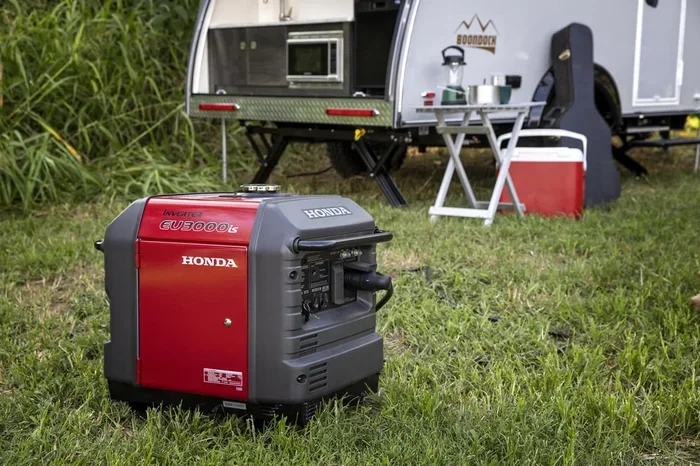
Portable generators are the most popular option for homeowners. They are relatively affordable, easy to move around, and simple to set up. You typically fill them with gasoline or propane, start them by hand, and plug your essential appliances directly into the unit.
These units work well for short outages and basic needs. You can run a refrigerator, a few lights, a space heater, and charge your devices. The downside is that you need to refuel them manually, and they can be noisy. They also require outdoor placement for safety.
If you want a budget-friendly option that handles the basics, a portable generator is a solid starting point. For more details on generator types and how they work, check out our guide on generator for electricity.
Standby Generators
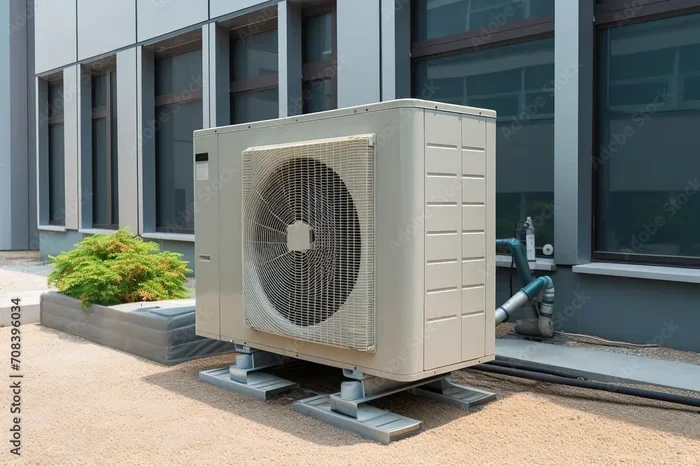
Standby generators are the heavy hitters. They install permanently outside your home and connect directly to your electrical system. When the power goes out, they kick on automatically, often within seconds.
These units run on natural gas or propane, so you never need to worry about refueling manually. They can power your entire home, including central air conditioning, electric stoves, and multiple electronics running at once. The tradeoff is cost, since standby units are significantly more expensive than portable options.
If you want hands-free backup power and live in an area prone to frequent outages, a standby generator is the gold standard. You can learn more about sizing the right unit by reading our article on how big of a backup generator do I need.
Inverter Generators
Inverter generators are a newer breed that focuses on clean, stable power output. They adjust their engine speed based on the load, which means less fuel consumption and lower noise levels.
The real advantage is power quality. Inverter generators produce what is called “clean sine wave power,” which is safe for sensitive electronics like laptops, smartphones, and medical equipment. Traditional generators can produce power spikes that damage these devices over time.
Inverter units tend to be more expensive per watt than conventional portable generators, but they are worth it if you need reliable power for electronics. They are also lighter and more compact, making them easier to store and transport.
How to Choose the Best Generator for Power Outage
Choosing the right unit comes down to matching your specific needs. Here are the most important factors to consider before you buy.
Determine Your Power Needs
The first step is figuring out how much power you actually need during an outage. Start by listing the essential items you want to keep running. A refrigerator typically needs around 700 watts to run and 2,200 watts to start. A furnace blower might draw 400 to 600 watts. Lights and phone chargers use much less.
Add up the running wattage of everything you plan to connect. Then add a buffer of 20 to 30 percent for safety. This gives you your minimum wattage requirement. Choosing a unit with too little capacity leads to overloads and potential damage. Choosing one with way too much capacity wastes money.
Consider Fuel Type and Runtime
Generators run on different fuels, and each has pros and cons. Gasoline is widely available and works well for portable units. Propane burns cleaner and stores longer. Natural gas connects directly to your home’s gas line, which means you never run out during a long outage.
Runtime matters more than you might think. A generator that only runs for three hours on a tank of gas is not going to help much during a multi-day outage. Look for units that offer at least 8 to 12 hours of runtime at half load. For more information on fuel consumption, see our page on how much natural gas does a generator use.
Think About Noise and Safety
Nobody wants a generator that sounds like a jet engine taking off. Noise levels are measured in decibels, and units range from around 50 dB to over 80 dB. For reference, a normal conversation is about 60 dB. A quiet inverter generator might run at 50 to 60 dB, while a conventional portable unit often exceeds 70 dB.
Safety is equally important. Always place generators outdoors, at least 20 feet from your home. Carbon monoxide from a running generator can be deadly if it enters your living space. Look for units with built-in safety features like low-oil shutoff, overload protection, and ground fault circuit interrupters.
Top Picks for the Best Generator for Power Outage
Let us look at some specific recommendations across different budgets and needs. These picks represent the best value and performance available right now.
Portable Pick: Westinghouse WGen3600v — This unit delivers 3,600 starting watts and 3,000 running watts, which is enough for most essential circuits. It runs on gasoline, offers up to 18 hours of runtime at 25 percent load, and features electric start for easy use. It is one of the best-selling portable generators for good reason.
Inverter Pick: Honda EU2200i — Honda is a trusted name in the generator world, and this inverter model lives up to the reputation. It produces just 48 to 57 decibels, making it one of the quietest options available. The clean power output makes it safe for laptops, TVs, and other sensitive devices. It is pricier but built to last.
Standby Pick: Generac 22kW Guardian — For whole-home coverage, this standby unit connects to your natural gas line and kicks on automatically during outages. It powers central air, all kitchen appliances, and multiple electronics without breaking a sweat. It represents the top tier of home backup power and is ideal for families who cannot afford any downtime.
Budget Pick: DuroMax XP4400EH — If you want dual fuel capability and a low price, this unit delivers 4,400 starting watts and runs on both gasoline and propane. It is a versatile option for those who want flexibility without spending a fortune.
Generator Maintenance Tips for Long-Term Reliability
Buying a generator is only half the battle. Keeping it in good working condition ensures it starts when you need it most. Regular maintenance is simple and does not take much time.
- Change the oil regularly. Most manufacturers recommend an oil change after the first 20 hours of use, then every 100 hours after that.
- Replace the air filter. A dirty air filter reduces engine performance and fuel efficiency. Check it monthly during heavy use.
- Use fuel stabilizer. If you store gasoline for more than 30 days, add stabilizer to prevent it from going bad. Old fuel is the number one reason generators fail to start.
- Run the generator monthly. Even if there is no outage, run it for 15 to 20 minutes each month to keep the engine lubricated and the battery charged.
- Check the spark plug. A worn spark plug causes hard starts and poor performance. Replace it annually or as recommended by the manufacturer.
For information on battery life and replacement, visit our guide on how long does a generator battery last.
Common Mistakes to Avoid When Buying a Generator
Many buyers make the same errors, and avoiding them saves money and frustration. Here are the most common mistakes to watch out for.
- Buying a generator that is too small. People often underestimate their power needs and end up overloading the unit. Always add a safety buffer to your wattage calculations.
- Ignoring fuel availability. A gasoline generator is useless if you cannot get fuel during a prolonged outage. Consider dual-fuel or natural gas options for longer emergencies.
- Skipping the transfer switch. A transfer switch safely connects your generator to your home’s wiring. Without one, you risk backfeeding power into the grid, which is dangerous for utility workers.
- Neglecting maintenance. A generator that sits unused for months without attention will likely fail when you need it most.
- Placing the generator too close to the house. This creates carbon monoxide risks and can allow exhaust fumes to enter your home through windows and vents.
Final Thoughts on Choosing the Best Generator for Power Outage
Finding the best generator for power outage comes down to understanding your home’s needs, your budget, and how long outages typically last in your area. A portable generator works well for short interruptions and tight budgets. A standby generator provides peace of mind for long or frequent outages. An inverter generator is the smart choice if you need clean power for sensitive electronics.
Whatever you decide, make sure you size it correctly, maintain it regularly, and follow all safety guidelines. A generator is an investment in your family’s comfort and safety. When the next storm rolls through and the lights go out, you will be glad you made the right choice.
Take some time today to evaluate your power needs and explore your options. The best time to prepare for a power outage is before it happens. With the right generator for electricity on standby, you will keep your home running no matter what comes your way.
Frequently Asked Questions
What size generator do I need for a power outage?
It depends on what you want to power. For essential circuits like a refrigerator, lights, and a furnace, a 3,000 to 5,000 watt portable generator usually works well. For a whole house, you need a standby generator rated at 15,000 watts or more. Always add a 20 percent buffer to your total wattage calculation to avoid overload.
Can I run a generator indoors during a power outage?
No. Generators must always be operated outdoors in a well-ventilated area. Carbon monoxide from exhaust fumes is colorless and odorless, and even a few minutes of exposure indoors can be fatal. Place your generator at least 20 feet from your home with the exhaust pointing away from windows and doors.
How long can a generator run continuously?
Runtime varies by model and fuel tank size. Most portable generators run 8 to 18 hours at half load on a full tank. Standby generators connected to a natural gas line can run indefinitely as long as fuel is supplied. Always check the manufacturer’s specifications for exact runtime numbers.
Is a portable or standby generator better for home backup?
Portable generators are more affordable and portable, making them great for occasional use and short outages. Standby generators cost more but offer automatic start, whole-home coverage, and no manual refueling. If you live in an area with frequent or prolonged outages, a standby unit is the better long-term investment.
What fuel type is best for a home generator?
Natural gas is the most convenient for standby generators because it connects to your home’s existing gas line. Propane stores well for long periods and works for both portable and standby units. Gasoline is the most common fuel for portable generators but has a shorter shelf life and requires regular refueling.
How often should I maintain my generator?
Run your generator for 15 to 20 minutes at least once a month to keep the engine in good condition. Change the oil after the first 20 hours of use, then every 100 hours after that. Replace the air filter annually, check the spark plug yearly, and always use fresh fuel with stabilizer for storage.
=== CONCLUSION ===
Power outages are inconvenient, but they do not have to be disruptive. With the right generator for power outage ready to go, you keep your home comfortable, your food safe, and your family connected. Whether you choose a portable unit for basic needs or invest in a standby system for full-home coverage, the key is to plan ahead and choose wisely.
Use the tips in this guide to match your power needs, compare fuel options, and pick a unit that fits your budget. Regular maintenance keeps everything running smoothly, and proper placement keeps your family safe. You are now equipped to make the best decision for your home.