Buy Generator And Get The Best Portable Power Today
Buying a generator doesn’t have to be confusing. This guide walks you through everything you need to know about portable power solutions, from fuel types to wattage needs. You’ll learn how to choose the right buy generator option for your home, RV, or jobsite with clear, practical advice that saves you time and money.
This is a comprehensive guide about buy generator.
Key Takeaways
- Know your power needs: Calculate your wattage requirements before shopping to avoid overspending or underpowered setups.
- Fuel type matters: Gas, propane, diesel, and solar generators each have unique benefits for different use cases.
- Portability vs. power: Balance weight and size with the power output you actually need for your situation.
- Runtime and efficiency: Look for generators with long runtimes and good fuel efficiency to minimize refueling stops.
- Safety first: Always follow generator safety guidelines, including proper ventilation and grounding practices.
- Read real reviews: Check generator testing results and user feedback to make a confident purchase decision.
[FEATURED_IMAGE_PLACEHOLDER]
Why You Should Buy Generator For Reliable Portable Power
Power outages happen. Storms knock out electricity. Camping trips need a reliable source of energy. And let’s be honest — nobody wants to be stuck in the dark when they need power the most. That’s exactly why buying a generator is one of the smartest decisions you can make for your home, your RV, or your jobsite.
A good portable generator gives you freedom and peace of mind. You get backup power when the grid fails. You get electricity at remote work sites. You get the ability to run essential appliances during emergencies. The question isn’t really whether you need one. The question is: which generator is the right fit for you?
This guide breaks down everything you need to know. From fuel types to wattage calculations, from inverter generators to standby options, we cover it all. By the end, you’ll feel confident walking into a purchase. You’ll know exactly what to look for. And you’ll avoid the common mistakes that trip up so many buyers.
Understanding Your Power Needs Before You Buy Generator
Before you spend a single dollar, you need to understand what you’re powering. This step is more important than any brand comparison or price tag. Knowing your power needs saves money. It prevents frustration. And it ensures you get a unit that actually works for your situation.
Calculate Your Wattage Requirements
Every appliance and device has a wattage rating. You need to add these up to find your total power demand. Start with the essentials. What items must run during an outage? A refrigerator typically uses around 700 watts. A sump pump needs about 1,300 watts. Lights, phones, and laptops add another few hundred watts each.
Here’s a quick way to think about it:
- Essential household items: 3,000 to 5,000 watts
- RV or camping setup: 1,000 to 3,000 watts
- Jobsite tools: 2,000 to 6,000 watts
- Whole house backup: 7,000 to 20,000+ watts
Always check the starting wattage too. Some devices like air conditioners and refrigerators need a power surge to start up. This surge can be two or three times the running wattage. Factor that into your calculations or you’ll end up with a generator that trips off when you need it most.
Portable vs. Standby: Which Fits Your Life?
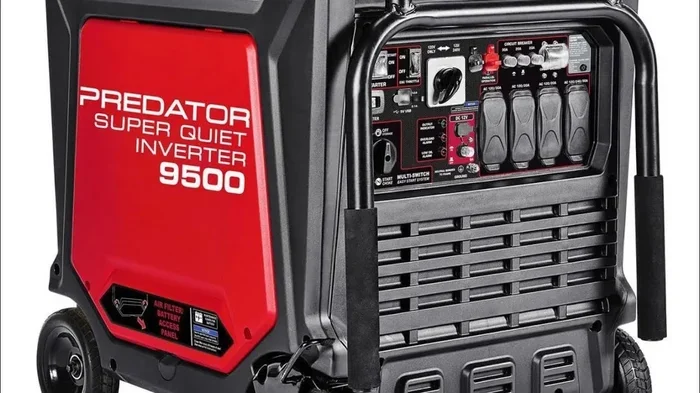
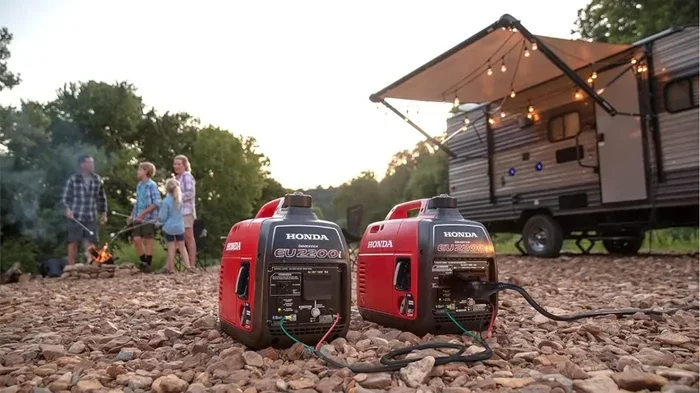
This is the big decision. Portable generators are smaller, lighter, and easy to move around. They’re perfect for camping, tailgating, and temporary power needs. You can wheel them behind an RV or carry them to a worksite with relative ease.
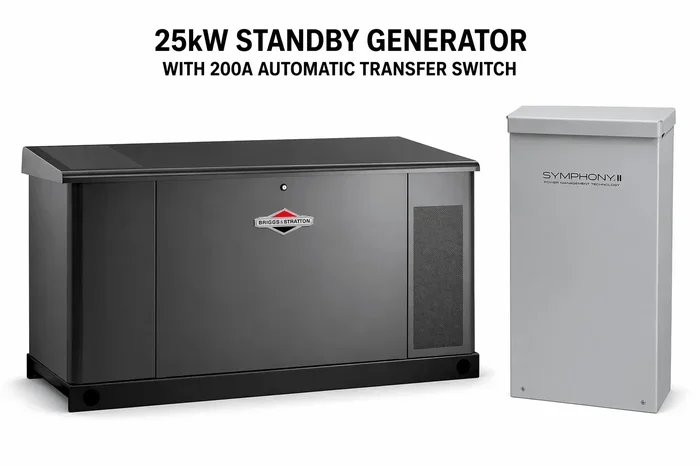
Standby generators are permanent installations. They sit outside your home and kick on automatically when the power goes out. They run on natural gas or propane and can power your entire house. But they cost significantly more and require professional installation.
If you’re looking for flexibility and value, a portable generator is the way to go. If you want hands-off backup power for your whole home, a standby unit makes sense. Many homeowners also keep a portable unit for travel and a standby unit for the house. Both serve important purposes.
Fuel Types: What Powers Your Generator
The fuel type you choose affects everything. It affects runtime, cost, portability, and environmental impact. Let’s break down the main options so you can pick what works best for your situation.
Gasoline Generators
Gasoline is the most common fuel for portable generators. It’s easy to find at any gas station. Gas generators tend to be affordable and lightweight. They’re great for occasional use and short-term power needs.
But gasoline has downsides. It degrades over time, so you can’t let it sit for months without issues. It’s also less fuel-efficient than some alternatives. If you plan to use your generator frequently, you’ll spend more on fuel over time.
Propane Generators
Propane burns cleaner than gasoline. It has a longer shelf life, so you can store it for emergencies without worrying about degradation. Many dual-fuel generators let you switch between gasoline and propane, giving you flexibility.
The trade-off? Propane generators typically produce slightly less power per gallon compared to gasoline. And propane tanks can be bulky, which affects portability. Still, for backup power planning, propane is a solid choice.
Diesel Generators
Diesel engines are built for durability and long runtimes. They’re fuel-efficient and can handle heavy loads. Most diesel generators are larger and heavier, so they’re better suited for jobsites and industrial use rather than camping trips.
If you need serious power output for extended periods, a diesel unit delivers. Just know that diesel fuel can be harder to store safely and the upfront cost is usually higher.
Solar Generators
Solar generators are the newest option on the market. They use solar panels to charge a battery, which then powers your devices. They’re quiet, emission-free, and require minimal maintenance.
The catch is that solar generators typically have lower power output. They work well for charging phones, running small appliances, and powering LED lights. They’re not going to run your central air conditioner. But for quiet portable power on camping trips or as a backup for essentials, they’re excellent.
Key Features to Look For When You Buy Generator
Not all generators are created equal. Some are packed with features that make them far more useful and convenient. Here are the specs and features that really matter when you’re shopping.
Runtime and Fuel Efficiency
Runtime tells you how long a generator can run on a single tank of fuel. This matters a lot during extended outages. A generator with a 10-hour runtime at 25% load will serve you much better than one that dies after four hours.
Fuel efficiency is closely related. Look for units with eco-modes or adjustable engine speeds. These features reduce fuel consumption when you’re running lighter loads. They also cut down on noise, which is a nice bonus.
Inverter Technology
Inverter generators are worth the extra cost for many users. They produce clean, stable power that’s safe for sensitive electronics like laptops, phones, and TVs. Traditional generators produce “dirty” power with voltage fluctuations that can damage delicate devices.
Inverter models are also noticeably quieter. They adjust their engine speed based on the load, so they don’t run at full blast when you only need a little power. If you’re camping or using the generator near your home, this noise reduction is a huge advantage.
Noise Level and Decibel Rating
Nobody wants a generator that sounds like a jet engine in their backyard. Noise levels are measured in decibels (dB). Most portable generators fall between 50 and 80 dB.
For reference, a normal conversation is about 60 dB. A lawnmower is around 90 dB. If you’re using a generator near living spaces or campsites, aim for something under 65 dB. Inverter generators typically score well here. Check the noise level spec before you buy, because manufacturers don’t always advertise it prominently.
Outlet Options and Portability
Look at the outlets on the generator. You want a mix of standard 120V outlets, USB ports, and ideally a 120/240V outlet for larger appliances. More outlets mean less reliance on extension cords.
Portability goes beyond just weight. Look for features like fold-away handles, wheel kits, and compact designs. If you’re buying a generator for an RV or frequent travel, every pound matters. A lightweight portable generator that’s easy to move makes a real difference in day-to-day use.
Common Mistakes People Make When Buying a Generator
Even careful buyers sometimes make mistakes. These errors lead to wasted money, underpowered setups, and frustration. Let’s go over the most common ones so you can avoid them.
Underestimating Wattage Needs
This is the number one mistake. People buy a generator based on what they think they need, then discover they can’t run everything at once. Always add up the wattage of all the devices you plan to use simultaneously. Then add a 20% buffer for safety.
For example, if your essentials add up to 3,500 running watts, look for a generator rated at least 4,200 watts. This headroom prevents overloads and gives you room to plug in something extra without worry.
Ignoring Runtime Specs
A generator might look great on paper with high wattage output. But if it only runs for three hours on a tank, you’ll be refueling constantly during a long outage. Always check the runtime at different load percentages. A unit rated for 8 hours at 25% load and 4 hours at 50% load gives you a realistic picture of what to expect.
Skipping Maintenance
Your generator needs care to work when you need it most. Old gasoline can clog the carburetor after just 30 days. Spark plugs wear out. Oil needs changing. The best generator in the world is useless if it hasn’t been maintained.
Run your generator for at least 15 minutes every few months, even if you don’t need it. Replace the fuel stabilizer if you’re storing it for the off-season. And read the generator maintenance manual cover to cover. It’s boring, but it’ll save you from surprises when the power goes out.
Forgetting About Ventilation and Safety
Generators produce carbon monoxide. This is a deadly, odorless gas. Never run a generator indoors, in a garage, or near windows and doors. Always place it outside on a dry, level surface at least 20 feet from your home.
Use a carbon monoxide detector near your generator’s operating area. And never refuel a hot generator. Let it cool down first. These safety steps aren’t optional. They’re essential for protecting your family.
Top Generator Brands Worth Considering
The market is crowded with options. Some brands stand out for reliability, performance, and value. Here are a few worth looking at when you’re ready to make a decision.
Honda is the gold standard for portable generators. Their units are reliable, quiet, and fuel-efficient. They cost more than most competitors, but they last for years with proper care.
Westinghouse offers excellent value. Their generators deliver solid performance at lower price points. They’re a great choice for budget-conscious buyers who still want dependable power.
Champion has gained a strong reputation for affordable yet capable units. Many of their models include dual-fuel capability, which adds flexibility.
Sun Joe makes budget-friendly portable generators and solar-powered options. They’re ideal for casual users and light-duty applications.
You can find more details on Sun Joe generator options if you’re exploring affordable and compact solutions. And if you want to learn more about what to look for in a quality unit, check out our guide on electrical generators for deeper insights into the technology.
Before making a final decision, it’s always smart to review generator testing results from trusted sources. Real-world testing reveals what marketing materials won’t tell you. And if you’re specifically looking at fuel costs, our breakdown of how much natural gas a generator uses can help you estimate ongoing expenses.
How to Make the Right Buy Generator Decision
Choosing the right generator comes down to matching the right tool to your needs. There’s no single best generator for everyone. The best one is the one that fits your power requirements, your budget, and your lifestyle.
Start by listing your must-have appliances and devices. Add up their wattage. Decide on a fuel type based on your usage patterns. Set a realistic budget. And then read reviews from real users, not just marketing copy.
Remember that a generator is an investment in peace of mind. During a storm, a blackout, or a camping trip in the woods, you’ll be glad you took the time to choose wisely. Don’t rush the process. Compare a few models. Ask questions. And trust your research.
If you’re planning for a backup power setup, understanding your runtime needs is critical. Check out our guide on how long a generator battery lasts to get realistic expectations on power duration. And for those weighing larger backup options, our piece on how big of a backup generator you need walks you through sizing your system correctly.
The bottom line is simple. When you buy generator equipment, you’re investing in reliability, independence, and comfort. Whether it’s for emergencies, recreation, or work, the right generator keeps your world running when the power doesn’t.
Final Thoughts: Your Next Steps
Now you have the knowledge to make a smart purchase. You know how to calculate your wattage needs. You understand the fuel options. You recognize the key features that matter most. And you’re aware of the mistakes that trip up other buyers.
The next step is simple: take this information and start comparing models. Narrow your list to two or three generators that fit your criteria. Read user reviews. Watch video tests. And when you find the right one, buy with confidence.
Power is something we often take for granted until it’s gone. Having a reliable generator means you’re prepared for whatever comes your way. Whether it’s a storm, an outage, or an adventure off the grid, you’ll have the portable power you need to keep going.
So go ahead. Do your research. Make your choice. And enjoy the confidence that comes with knowing you’re never far from the electricity you need. Your future self will thank you when the lights go out and your generator kicks in without a hitch.
Frequently Asked Questions
How much should I spend when I buy generator for home backup?
For a reliable home backup, budget between $500 and $1,500 for a portable unit. Standby generators typically cost $2,000 to $5,000 or more, including installation. Your exact cost depends on the wattage you need, the fuel type, and the brand reputation.
What is the difference between a portable generator and an inverter generator?
A standard portable generator produces raw power that’s best for heavy-duty tools and appliances. An inverter generator converts AC power to DC and back to clean AC power, making it safe for sensitive electronics. Inverter models are also quieter and more fuel-efficient.
How often should I run my generator to keep it in good shape?
Run your generator for at least 15 to 30 minutes every two to three months. This keeps the engine lubricated, burns off fuel residue, and ensures the battery stays charged. Regular use also helps you spot problems early before you actually need the generator in an emergency.
Can I use a generator to power my entire house?
Yes, but only if you choose a generator with enough wattage and connect it properly. Most homes need at least 7,000 to 10,000 watts for essential circuits. For whole-house coverage including HVAC and large appliances, you’ll need 15,000 to 20,000 watts or a standby unit.
Are solar generators worth the investment?
Solar generators are excellent for quiet, emission-free power. They work best for charging devices, running small appliances, and providing backup for essentials. They’re not powerful enough for heavy-duty tools or large HVAC systems, but they’re perfect for camping, RV trips, and eco-conscious users.
What safety precautions should I always follow with my generator?
Always run your generator outdoors in a well-ventilated area at least 20 feet from your home. Never plug it directly into a wall outlet. Use heavy-duty extension cords rated for outdoor use. Install carbon monoxide detectors and keep a fire extinguisher nearby. And always let the generator cool down before refueling.