The Ultimate Guide to Using a CSE Citation Generator
A CSE citation generator is a powerful tool that helps researchers and students format their references in the Council of Science Editors style. Using a citation generator saves hours of manual formatting and ensures your scientific citations are accurate every time. Whether you are writing a lab report or a research paper, this tool simplifies the entire referencing process.
Academic writing can feel overwhelming. You have data to analyze, experiments to document, and papers to write. On top of all that, you need to format your references correctly. This is where a CSE citation generator becomes your best friend.
The Council of Science Editors style is one of the most widely used formatting standards in scientific writing. It is especially popular in biology, chemistry, and environmental science journals. But manually creating CSE citations is tedious and error-prone. A citation generator takes all the guesswork out of the process. In this guide, we will walk you through everything you need to know about using a CSE citation generator effectively.
Key Takeaways
- Saves Time: A CSE citation generator creates references in seconds, eliminating the need for manual formatting.
- Boosts Accuracy: Automated tools reduce human error and ensure compliance with CSE style rules.
- Supports Multiple Formats: Most generators offer name-year, citation-sequence, and citation-name systems.
- Free Options Available: Many reliable CSE citation tools are available at no cost online.
- Improves Academic Writing: Proper citations strengthen your research credibility and readability.
- Works Across Disciplines: CSE style is widely used in biology, chemistry, environmental science, and more.
📑 Table of Contents
- What Is a CSE Citation Generator?
- Why Use a CSE Citation Generator?
- How to Use a CSE Citation Generator
- Top Features to Look For in a CSE Citation Generator
- Common Mistakes to Avoid When Using a CSE Citation Generator
- Benefits of Using a CSE Citation Generator for Academic Writing
- Tips for Getting the Most Out of Your CSE Citation Generator
What Is a CSE Citation Generator?
A CSE citation generator is a software tool that automatically formats your references in the Council of Science Editors style. Instead of flipping through style manuals and guessing where commas go, you enter your source details and let the tool do the work. These generators handle books, journal articles, websites, and more.
The CSE style offers three main citation systems. Each one has its own rules for in-text references and the final bibliography. A good citation maker supports all three systems so you can switch between them easily.
The Three CSE Citation Systems
Understanding the three systems helps you choose the right format for your paper. Each system has a different approach to organizing references.
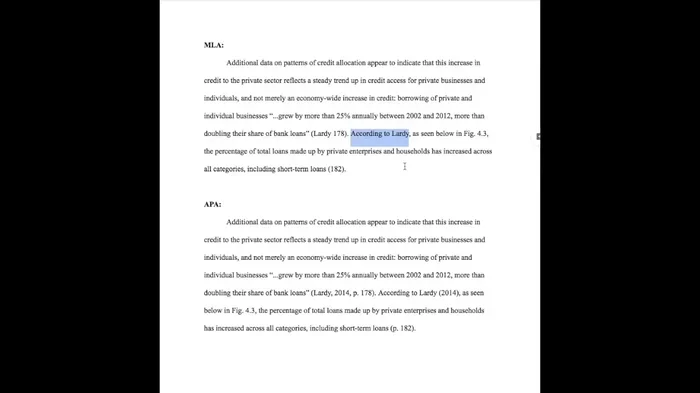
- Name-Year System: This system uses the author’s last name and publication year in the text. For example, (Smith 2023). The full reference appears in the bibliography at the end.
- Citation-Sequence System: In this system, sources are numbered in the order they first appear in the text. The numbers correspond to a numbered reference list at the end.
- Citation-Name System: Sources are numbered alphabetically by author name. The numbers in the text link to the alphabetical reference list.
Most reference generators let you select which system you need. This flexibility makes them incredibly useful for students and researchers alike.
Why Use a CSE Citation Generator?
You might wonder why you need a tool for this. Can you not just format citations by hand? The short answer is yes, but it is painfully slow and full of risks. Here is why a citation generator is worth your time.
Accuracy and Consistency
Manual formatting leads to mistakes. A missing comma or a misplaced period can change the meaning of a citation. A CSE citation generator follows the official style guide rules precisely. Every reference is formatted consistently, which makes your paper look professional.
Time Savings
Formatting a single reference by hand can take five to ten minutes. If your paper has thirty sources, that is hours of work. A citation tool processes all your sources in minutes. You can focus on your research instead of worrying about punctuation.
Easy Bibliography Creation
A bibliography generator does more than just format individual citations. It also builds your entire reference list automatically. You just review the output and make minor adjustments if needed. This is a huge time saver for long research papers.
How to Use a CSE Citation Generator
Using a CSE citation generator is straightforward. Most tools follow a similar process. Here is a step-by-step guide to get you started.
Step 1: Gather Your Source Information
Before you use any citation software, collect the key details for each source. You will need the author name, publication year, title, journal or publisher name, volume, issue, page numbers, and URL if it is a web source. Having this information ready makes the process smooth.
Step 2: Choose Your Citation Style
Open the generator and select CSE as your citation style. Then pick one of the three systems: name-year, citation-sequence, or citation-name. If your instructor or journal has a preference, choose accordingly.
Step 3: Enter Source Details
Type or paste the source information into the tool. Most generators have fill-in-the-blank fields that make this easy. For journal articles, you will enter the article title, journal name, volume, issue, and pages.
Step 4: Generate and Review
Click the generate button. The tool will produce a formatted citation instantly. Review the output carefully. Make sure all details are correct and complete. A free citation generator is only as good as the information you put into it.
Step 5: Add Citations to Your Paper
Copy the generated citations and place them in your paper. In-text citations go in parentheses or as superscript numbers, depending on the system you chose. The full references go in the bibliography section at the end.
Top Features to Look For in a CSE Citation Generator
Not all citation tools are created equal. When choosing a CSE citation generator, look for these essential features.
Support for Multiple Source Types
A good generator should handle books, journal articles, websites, reports, conference papers, and more. The more source types it supports, the more versatile it is. You do not want to be stuck with a tool that only works for basic sources.
Multiple Citation System Options
Make sure the tool supports all three CSE systems. This gives you flexibility if your requirements change. Some papers call for the name-year system, while others use citation-sequence or citation-name.
In-Text Citation Assistance
The best generators do more than just create bibliography entries. They also help you format in-text citations correctly. This includes parenthetical references and superscript numbers.
Export and Copy Options
Look for a generator that lets you export citations in different formats. Some tools allow you to copy citations directly to your clipboard or export them as a formatted list. This makes inserting references into your document much easier.
Free vs. Paid Tools
Many reliable free citation generators are available online. Paid versions often offer additional features like plagiarism checking or advanced formatting options. For most students, a free tool is more than sufficient.
Common Mistakes to Avoid When Using a CSE Citation Generator
Even with a great citation tool, mistakes can happen. Here are the most common errors to watch out for.
Relying Too Much on the Tool
A generator is a helper, not a replacement for your attention. Always review the output before submitting your paper. Automated tools can sometimes miss details or misinterpret source information.
Entering Incorrect Source Details
If you enter wrong information, the generator will produce incorrect citations. Double-check every detail you input. A small typo in the author name or publication year can cause problems.
Ignoring the Chosen Citation System
Make sure you have selected the correct CSE system for your paper. Mixing up name-year with citation-sequence will result in inconsistent formatting throughout your document.
Forgetting to Update Citations
If you add or remove sources from your paper, update your bibliography accordingly. A reference generator only formats what you give it. It does not automatically track changes to your reference list.
Using Outdated Style Rules
CSE style guidelines can change over time. Make sure your generator is up to date with the latest edition of the CSE manual. Using outdated rules can lead to formatting errors.
Benefits of Using a CSE Citation Generator for Academic Writing
Beyond just formatting references, a CSE citation generator offers many benefits that improve your overall academic writing experience.
First, it helps you stay organized. When you use a citation maker, you create a centralized record of all your sources. This makes it easy to track what you have used and avoid accidental plagiarism.
Second, it improves your credibility. Properly formatted citations show your readers that you have done thorough research. It also demonstrates attention to detail, which professors and reviewers appreciate.
Third, it reduces stress. Writing a research paper is already challenging. Knowing that your citations are handled correctly lets you focus on the content of your work. You do not have to worry about whether your references are formatted correctly.
Finally, a citation generator helps you build good habits. Over time, you will learn what information is needed for different source types. This knowledge makes you a better researcher and writer.
Tips for Getting the Most Out of Your CSE Citation Generator
To get the best results from your citation tool, follow these practical tips.
- Start Early: Do not wait until the last minute to format your citations. Begin building your reference list as you research.
- Keep a Source Log: Maintain a spreadsheet or document with all your source details. This makes entering data into the generator much faster.
- Check Against Official Guidelines: Periodically compare your generated citations with the official CSE manual. This ensures long-term accuracy.
- Use Multiple Sources: Try more than one generator and compare results. This helps you catch any errors or inconsistencies.
- Proofread Everything: Always proofread your final reference list before submission. A quick review can catch mistakes that the tool missed.
Using a CSE citation generator correctly transforms your academic writing workflow. It removes the burden of manual formatting and lets you produce polished, professional papers with confidence. Whether you are a student working on a term paper or a researcher preparing a manuscript for publication, this tool is invaluable.
The key is to choose a reliable generator, enter accurate source information, and always review the output. With these practices in place, your citations will be spot-on every time. Start using a citation generator today and experience the difference it makes in your research process.
Remember, proper citation is not just a formatting requirement. It is a fundamental part of academic integrity. It gives credit to the original authors and allows your readers to verify your sources. A CSE citation generator makes this essential task easier and more efficient than ever before.
So the next time you sit down to write a research paper, let a reference generator handle the formatting. Your time and energy are better spent on the ideas and analysis that make your work shine. With the right citation tool by your side, you can focus on what truly matters producing excellent scientific writing.
Frequently Asked Questions
What is a CSE citation generator?
A CSE citation generator is a software tool that automatically formats references in the Council of Science Editors style. It creates both in-text citations and bibliography entries for scientific papers.
Is using a CSE citation generator free?
Many CSE citation generators offer free versions with basic features. Some advanced tools may require a subscription for additional features like plagiarism checking or unlimited citations.
Can a citation generator handle all three CSE systems?
Most quality CSE citation generators support all three systems: name-year, citation-sequence, and citation-name. You can usually switch between them within the tool settings.
Do I still need to proofread generated citations?
Yes, absolutely. Even the best citation tool can make errors if the input data is incorrect. Always review generated citations for accuracy before including them in your paper.
What types of sources can a CSE citation generator handle?
A good CSE citation generator handles books, journal articles, websites, reports, conference papers, and many other source types. Look for a tool with broad source type support.
How accurate are CSE citation generators compared to manual formatting?
A CSE citation generator is generally more accurate than manual formatting because it follows official style rules consistently. However, accuracy depends on the quality of input data and the reliability of the tool itself.
=== CONCLUSION ===
A CSE citation generator is an essential tool for anyone who writes scientific papers. It saves time, improves accuracy, and takes the stress out of formatting references. Whether you are a student, researcher, or professional writer, using a citation generator can transform your workflow.
The three CSE citation systems offer flexibility for different types of academic writing. By choosing the right generator and using it correctly, you ensure your papers meet the highest standards of formatting and credibility. Start exploring CSE citation tools today and make your academic writing journey smoother and more productive.