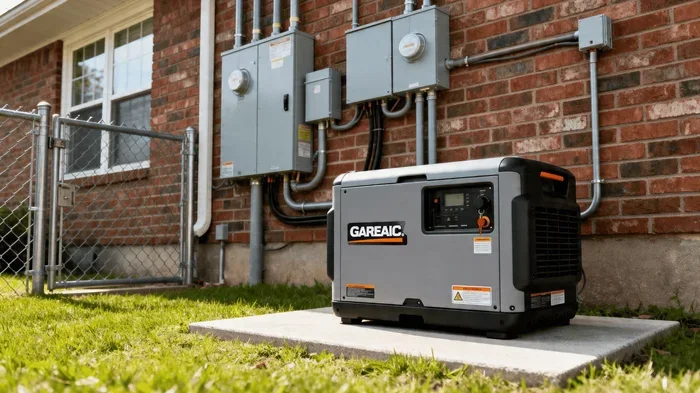
How to Set Up a Generator for Reliable Backup Power Supply
Learning how to set up a generator properly ensures your home stays powered during outages. This guide walks you through choosing the right unit, finding the best placement, and connecting it safely. You will also discover essential maintenance tips that keep your backup power running when you need it most.
Power outages can happen without warning. Storms, equipment failures, and grid overloads all disrupt electricity to our homes. When the lights go out, having a backup power source makes all the difference. Knowing how to set up a generator properly is the key to staying safe and comfortable during these disruptions.
Many homeowners buy a generator but struggle with the setup process. They worry about safety, wiring, and fuel choices. This guide removes all the guesswork. You will learn every step needed to install your unit correctly and confidently. Whether you own a portable generator or a larger standby model, this article has you covered.
The goal is simple. You want reliable emergency power that kicks in the moment the grid fails. To achieve that, you need the right equipment, the right location, and the right technique. Let us walk through the entire process together, step by step.
Key Takeaways
- Choose the right generator type: Match your power needs with the correct size and fuel source for reliable backup power.
- Placement matters: Always position your generator outdoors with proper ventilation to prevent carbon monoxide risks.
- Use a transfer switch: This safely connects your generator to your home’s electrical system without backfeeding the grid.
- Follow a maintenance schedule: Regular oil changes, fuel management, and testing keep your generator ready for emergencies.
- Avoid common setup mistakes: Overloading, poor ventilation, and ignoring the manual can cause damage or danger.
- Test regularly: Run your generator monthly to ensure it starts and performs when a power outage hits.
📑 Table of Contents
Choose the Right Generator for Your Home
Before you do anything physical, you need the correct machine. Generator sizing is the foundation of a successful setup. A unit that is too small will overload. One that is too large wastes fuel and money. Start by listing the essential appliances you want to keep running during a power outage.
Calculate Your Electrical Load
Every appliance draws a certain amount of wattage. Add up the starting and running watts of your must-have devices. A refrigerator typically needs around 2,000 watts to start. A sump pump may require 1,500 watts. Central air conditioning can demand 5,000 watts or more. Write all of this down on paper.
Once you have your total, add a 20 percent buffer. This extra capacity prevents the generator cord from straining under peak load. It also extends the life of your machine. The result is your wattage capacity target. This number tells you exactly what size unit to buy.
Pick the Right Fuel Type
Generators run on different fuel types, and each has pros and cons. Gasoline is the most common choice for portable units. It is easy to find and store. Propane burns cleaner and lasts longer in storage. Natural gas units connect directly to your home’s gas line, offering uninterrupted generator runtime during extended outages.
A propane generator is excellent for families who want a clean-burning option. A natural gas generator suits homeowners who prefer a permanent fuel connection. Consider your local climate, storage space, and fuel availability when deciding. Each choice affects how you set up and maintain the unit.
Portable vs. Standby Generators
A portable generator is compact and easy to move. It works well for temporary power needs. You plug essential devices directly into the unit. These are affordable and simple to operate.
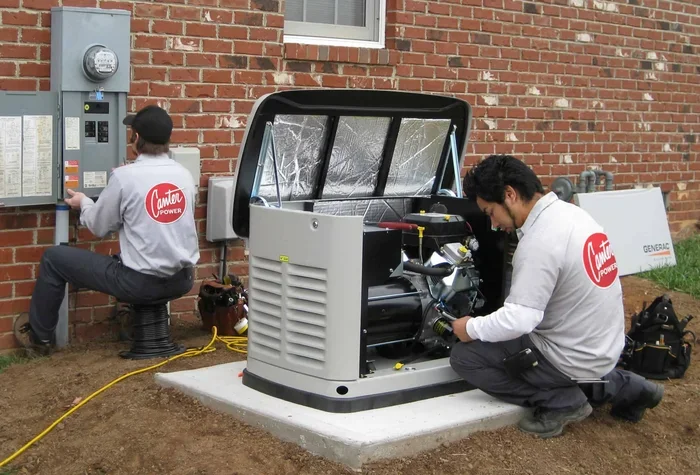
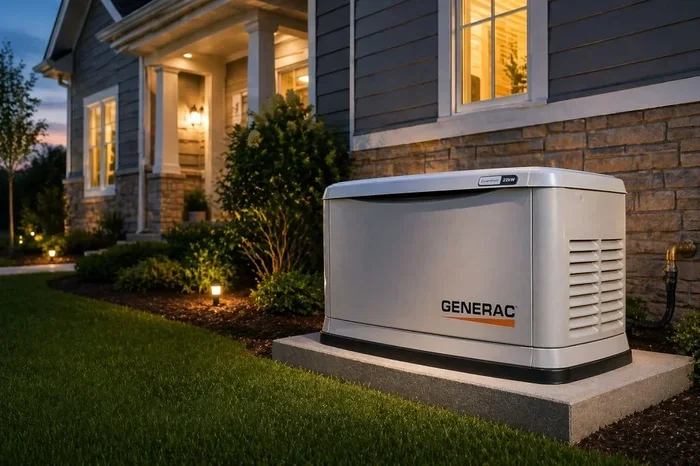
A standby generator is a permanent installation. It sits outside your home and turns on automatically during an outage. Many models feature automatic start technology. This means no manual intervention is needed. Standby units cost more upfront but offer greater convenience and higher electrical load capacity.
| Feature | Portable Generator | Standby Generator |
|---|---|---|
| Power Output | 3,000 to 8,000 watts | 7,000 to 24,000 watts |
| Fuel Source | Gasoline or propane | Natural gas or propane |
| Setup Complexity | Easy, plug-and-play | Professional installation recommended |
| Cost Range | $500 to $2,000 | $3,000 to $15,000 |
| Runtime | 8 to 24 hours per tank | Unlimited with fuel supply |
| Best For | Short outages and camping | Whole-home backup power |
Prepare the Installation Location
Where you place your generator matters more than most people realize. Generator placement affects safety, performance, and legality. A poor location can lead to dangerous carbon monoxide buildup or property damage. Take the time to find the right spot before you start the setup.
Prioritize Outdoor Ventilation
Generators produce carbon monoxide, a colorless and odorless gas that can be fatal. Never operate a generator indoors or in a garage, even with doors open. Place the unit at least 20 feet away from your home, doors, and windows. This ensures outdoor ventilation carries exhaust fumes safely away from people and pets.
Position the exhaust pipe pointing away from your home and neighboring properties. Check local wind patterns too. You do not want fumes drifting back toward windows or air intake vents. A clear path for airflow is non-negotiable for generator safety.
Choose a Level, Stable Surface
Set your generator on a flat, hard surface. Concrete pads work best. Avoid grassy or uneven ground, which can cause the unit to vibrate excessively. Vibration leads to wear and tear over time. It can also shift fuel lines or exhaust connections, creating leaks.
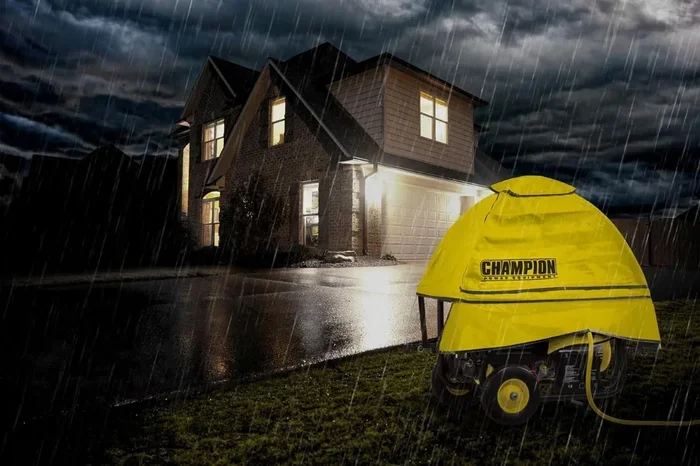
Some homeowners use generator pads or concrete slabs to create a stable base. This also keeps the unit elevated above rainwater or standing water. Moisture can damage electrical components and create safety hazards. A dry, level surface protects your investment.
Check Local Codes and Permits
Before finalizing your location, check with your local building authority. Many areas require permits for generator installations. Some zones have specific rules about generator placement, distance from property lines, and noise levels. Failing to follow these rules can result in fines or forced removal of the unit.
Keep your generator manual nearby throughout this process. The manufacturer provides specific guidelines for clearance distances and ventilation requirements. These instructions override general advice. Always read the manual cover to cover before you begin the physical setup.
Connect the Generator Safely
This is the most critical part of the entire process. A wrong connection can damage your home’s electrical system or endanger utility workers. You have two main options for connecting power from your generator to your home. Understanding both is essential to a safe setup.
Option 1: Use a Transfer Switch
A transfer switch is the safest and most professional method. This device sits between your generator and your home’s electrical panel. It prevents backfeed, which occurs when generator power flows backward into the utility grid. Backfeed can electrocute line workers and damage both your generator and the grid infrastructure.
There are two types of transfer switches. A manual transfer switch requires you to flip the switch by hand. An automatic transfer switch detects power loss and starts the generator on its own. Both options require professional installation by a licensed electrician. The cost is well worth the safety and convenience.
Here is how the connection process works step by step:
- Turn off the main breaker in your electrical panel.
- Mount the transfer switch next to the panel.
- Connect the generator inlet box to the transfer switch using appropriate wiring.
- Run the inlet box cable through a properly sized conduit to the outdoor generator location.
- Have a licensed electrician verify all connections before energizing the system.
Option 2: Use a Generator Cord (For Portable Units)
If you own a portable generator, you can use a heavy-duty generator cord to power individual appliances directly. This method avoids the need for a transfer switch but has limitations. You can only run a few devices at a time, and you must bring cords indoors through open windows or doors carefully.
Always use cords rated for the wattage you plan to draw. A cord with too thin a gauge can overheat and cause a fire. Look for cords with grounded three-prong plugs. Never daisy-chain multiple cords together. This creates a fire hazard and voltage drop that can damage your appliances.
Add a Surge Protector
Power surges are common when a generator starts up or when grid power returns after an outage. A quality surge protector shields your electronics and appliances from voltage spikes. Plug sensitive devices like computers and televisions through a surge protector before connecting them to the generator.
Some homeowners install a whole-house surge protector at the electrical panel. This provides the best level of protection for every circuit in the home. It is an affordable addition that pays for itself by preventing costly equipment damage.
Fuel and Maintenance Essentials
Setting up your generator is only half the battle. Ongoing generator maintenance ensures the unit starts and runs reliably every time you need it. A neglected generator can fail at the worst possible moment. Follow these practices to keep your backup power system in top shape.
Manage Your Fuel Supply
Store fuel in approved containers in a cool, well-ventilated area. Gasoline degrades over time, so rotate your supply every three to six months. Add a fuel stabilizer if you plan to store gasoline for long periods. This prevents the fuel from breaking down and clogging the carburetor.
For propane units, check the tank gauge regularly. A full tank gives you the best generator runtime during extended outages. Natural gas units draw fuel from the municipal supply, so they do not require fuel storage. However, ensure your gas line has a shut-off valve accessible for emergencies.
Change the Oil Regularly
Fresh oil keeps the engine running smoothly. Change the oil after the first 20 hours of use, then every 100 hours or at least once per season. Use the oil type recommended in your generator manual. Check the oil level before every use, even if the unit has not run recently.
Keep spare oil and a funnel in your storage area. During a prolonged power outage, you may need to add oil between changes. Having supplies ready prevents scrambling when you need the generator most.
Replace Air and Fuel Filters
Clogged filters reduce engine performance and fuel efficiency. Inspect the air filter monthly during heavy use periods. Clean or replace it as needed. The fuel filter prevents debris from reaching the engine. Replace it according to the manufacturer’s recommended schedule.
These small maintenance tasks make a huge difference. A well-maintained generator starts on the first pull and delivers consistent power output. Neglecting filters is one of the most common reasons generators fail during emergencies.
Run the Generator Monthly
Even if the power never goes out, run your generator for 15 to 20 minutes once a month. This exercise keeps the engine lubricated and the battery charged. It also lets you verify that the unit starts correctly and that all connections remain secure.
Use this monthly run as an opportunity to check for any unusual sounds, vibrations, or exhaust smells. Catching small problems early prevents major breakdowns later. Think of it as a power outage preparation habit that builds confidence in your system.
Test and Optimize Your Setup
Once everything is connected, it is time to test the system. A proper test run confirms that your backup power setup works as intended. Do not wait for a real outage to discover problems.
Start by plugging in a few essential devices. Run the refrigerator, a few lights, and a phone charger. Monitor the voltage regulator output to ensure it stays within the normal range. Most generators should produce between 110 and 125 volts on standard household circuits.
Check the generator runtime on a full tank. Note how long the unit runs before the fuel runs low. This information helps you plan for extended outages. If you have a standby generator, verify that the automatic start feature engages within seconds of a simulated power loss.
Keep a log of each test run. Record the date, runtime, fuel used, and any observations. This log becomes a valuable reference for troubleshooting and maintenance scheduling. Over time, you will understand your unit’s performance patterns and fuel consumption habits.
Common Mistakes to Avoid
Even well-intentioned setups can go wrong. Awareness of common errors saves time, money, and potentially lives. Here are the mistakes most homeowners make when they set up a generator.
Overloading the generator. Plugging in too many appliances at once trips the breaker or damages the engine. Know your wattage capacity and stay well within it. Prioritize essential devices and add others gradually.
Ignoring ventilation requirements. Running a generator in an enclosed space is deadly. Carbon monoxide kills silently and quickly. Always maintain proper outdoor ventilation and never bring the unit indoors, even temporarily.
Skipping the transfer switch. Some homeowners plug the generator directly into a wall outlet. This is extremely dangerous and often illegal. It creates a serious risk of electrocution for utility workers. Always use a proper transfer switch or a dedicated generator inlet box.
Neglecting fuel management. Old fuel clogs the system and prevents starting. Use fresh gasoline and add stabilizer. For propane units, check for leaks regularly. A fuel problem is the number one reason generators fail to start when needed.
Skipping the manual. Every generator model has unique requirements. The manufacturer’s guide covers everything from break-in procedures to maintenance schedules. Reading the manual takes 30 minutes and prevents countless problems down the road.
Final Thoughts
Learning how to set up a generator is one of the smartest investments a homeowner can make. A reliable backup power supply keeps your family safe, your food cold, and your comfort intact during outages. The process requires some planning and effort, but the payoff is enormous peace of mind.
Start by choosing the right unit for your needs. Find a safe, well-ventilated location. Connect everything properly with a transfer switch or quality cords. Maintain the machine regularly and test it often. Avoid the common mistakes that trip up even experienced homeowners.
Your generator is only as good as the care you put into it. Treat it with respect, follow the manufacturer’s guidelines, and it will serve you faithfully for years. When the next power outage strikes, you will be glad you took the time to do the setup right.
Now is the perfect time to act. Review this guide, gather your supplies, and begin your setup today. Being prepared today means you are never left in the dark tomorrow.
Frequently Asked Questions
What size generator do I need for a typical home?
Most homes need between 5,000 and 8,000 watts to cover essential appliances like the refrigerator, lights, and furnace. Calculate your total electrical load by adding up the wattage of the devices you want to keep running. Always add a 20 percent buffer to your total to prevent overloading.
Can I run a generator in my garage with the door open?
No. Carbon monoxide can build up quickly even in a garage with the door open. Always place your generator at least 20 feet away from your home, with the exhaust pointing away from doors and windows. This is one of the most important generator safety rules to follow.
Do I need a professional electrician to install a generator?
For standby generators and systems using a transfer switch, a licensed electrician is strongly recommended. They ensure the wiring meets local codes and that the connection to your electrical panel is safe. Portable generators used with direct cords are simpler to set up but still require careful attention to safety.
How long can I run a generator continuously?
Most portable generators can run for 8 to 24 hours on a full tank. Standby generators can run continuously for days as long as they have a fuel supply. Always check your generator manual for the manufacturer’s recommended maximum runtime and refueling intervals.
What fuel is best for a backup generator?
Natural gas is the most convenient option for standby generators because it connects to your home’s existing gas line. Propane is a great alternative that burns cleanly and stores well. Gasoline works well for portable units but requires proper storage and rotation to stay fresh.
How often should I test my generator?
Run your generator for 15 to 20 minutes once a month. This keeps the engine lubricated, the battery charged, and helps you identify any issues early. Regular testing is a key part of generator maintenance and power outage preparation that ensures reliable performance when you need it most.
=== CONCLUSION ===
Setting up a generator for reliable backup power is a process that rewards careful planning and attention to detail. You have learned how to choose the right unit, prepare the installation site, connect the system safely, maintain it properly, and avoid costly mistakes. Knowing how to set up a generator is a skill that pays dividends every time the power goes out.
Take action today. Review your setup, test your unit, and make sure everything is in working order. A little preparation now saves you from stress and discomfort later. Stay powered, stay safe, and stay ready for whatever comes your way.