How an Electromagnetic Generator Works and Why It Matters
An electromagnetic generator converts mechanical energy into electrical energy using magnetic fields and coils. This technology, rooted in Faraday’s law of induction, powers everything from homes to hospitals. Understanding how it works helps you appreciate the backbone of modern electricity and renewable energy systems.
Key Takeaways
- Core Principle: Electromagnetic generators work by moving a conductor through a magnetic field to produce electricity.
- Faraday’s Law: This fundamental law explains how changing magnetic fields induce electric current in a wire.
- AC vs DC: Generators can produce alternating current or direct current, each serving different purposes.
- Renewable Energy Link: Electromagnetic generators are essential for wind turbines, hydroelectric dams, and other clean energy sources.
- Efficiency Matters: Generator efficiency depends on design, materials, and maintenance practices.
- Future Growth: Emerging technologies are making generators smaller, smarter, and more efficient than ever before.
📑 Table of Contents
- How an Electromagnetic Generator Works and Why It Matters
- Key Components of an Electromagnetic Generator
- Types of Electromagnetic Generators
- Why Electromagnetic Generators Matter in Our World
- How to Improve Generator Efficiency
- Common Mistakes People Make With Generators
- Quick Tips for Getting the Most From Your Generator
- The Future of Electromagnetic Generators
- Conclusion
How an Electromagnetic Generator Works and Why It Matters
Have you ever wondered where the electricity in your home comes from? The answer starts with a simple but powerful idea called electromagnetic induction. An electromagnetic generator turns motion into the electrical energy that lights up our lives. This technology has been around since the 1800s, yet it remains at the heart of modern power systems today.
In this guide, we will break down exactly how an electromagnetic generator works. We will explore the science behind it, look at the different types, and explain why it matters so much in our daily lives. Whether you are a student, a curious homeowner, or someone interested in renewable energy, this article has something valuable for you. Let us dive in and make this topic easy to understand.
The Basic Idea Behind Electromagnetic Induction
At its core, an electromagnetic generator relies on a simple concept. When you move a wire through a magnetic field, electrons start to flow. This flow of electrons is what we call electric current. The movement creates a push on the electrons inside the wire. That push is what we measure as voltage.
Michael Faraday discovered this principle in 1831. His finding changed the world forever. Today, every power plant and portable generator uses this same basic idea. The generator principle is beautiful in its simplicity. A magnetic field plus motion equals electricity. That is really all there is to it at the most basic level.
Think of it like this. Imagine you are riding a bike through a rainstorm. The faster you move, the more rain hits your face. In a generator, the wire is like your face, and the magnetic field is like the rain. The faster the wire moves through the field, the more electricity gets produced. This relationship between speed and output is key to understanding how generators work.
Faraday’s Law: The Science That Makes It All Possible
Faraday’s law of electromagnetic induction is the foundation of generator design. It states that a changing magnetic field inside a coil of wire creates an electric current. The amount of current depends on how fast the magnetic field changes. A stronger magnet or faster movement means more electricity output.
Here is what makes this law so important. It tells engineers exactly how to design a generator for a specific purpose. Need more voltage? Use a stronger magnet or spin the coil faster. Need more current? Use more wire coils. The law gives us a clear roadmap for building efficient machines. Without Faraday’s discovery, we would not have the electromagnetic field technology we rely on every single day.
The law also explains why generators need a source of mechanical energy. Something has to spin the coil or move the magnet. In power plants, this comes from steam turbines, water turbines, or wind turbines. In a small portable unit, a gas engine provides the rotation. The mechanical energy goes in, and electrical energy comes out. This transformation is the entire point of a generator.
Key Components of an Electromagnetic Generator
Every electromagnetic generator has a few essential parts. Each part plays a specific role in creating electricity. Understanding these components helps you see how the whole system fits together. Let us walk through the main pieces.
The Stator: The Stationary Part
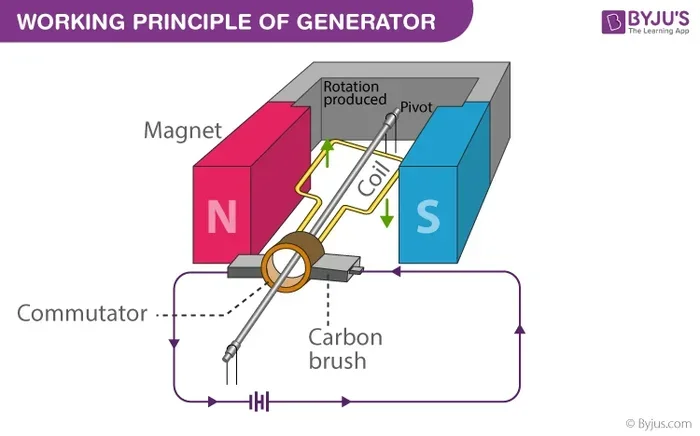
The stator is the part of the generator that does not move. It usually contains the coils of wire wrapped around a core. When the magnetic field passes through these coils, electricity is born. The stator stays fixed in place while the rotor spins around it. Think of the stator as the stage where the electrical magic happens.
In many generator designs, the stator holds the output coils. These coils are carefully wound to maximize the amount of electricity produced. The material of the stator core matters too. Soft iron or other magnetic materials help channel the magnetic field efficiently. A well-designed stator can make a big difference in generator efficiency.
The Rotor: The Spinning Part
The rotor is the part that spins inside the generator. It carries either the magnets or the electromagnets that create the magnetic field. As the rotor turns, the field sweeps past the stator coils. This changing field is what induces the electric current. The rotor needs a strong source of rotational energy to keep it spinning.
In large power plant generators, the rotor spins at a steady speed. This steady rotation produces a consistent flow of electricity. In smaller generators, the rotor speed might vary depending on the engine driving it. Either way, the rotor is the engine of the whole operation. Without it, there is no motion, and without motion, there is no electricity.
Commutators and Slip Rings
These small but important parts connect the rotor to the outside world. A commutator is used in direct current, or DC, generators. It flips the current direction at just the right moment to keep the output flowing one way. Slip rings, on the other hand, are used in alternating current, or AC, generators. They allow the current to flow in both directions naturally.
Choosing between a commutator and slip rings depends on what kind of electricity you need. DC generators provide steady current for batteries and electronics. AC generators power most of our homes and businesses. Both types use the same electromagnetic induction principle. The difference is just in how the current is collected and delivered.
Types of Electromagnetic Generators
Not all generators are the same. Different designs serve different needs. Some are built for massive power plants, while others are small enough to fit in your backpack. Let us look at the main types you will encounter.
AC Generators (Alternators)
AC generators, also called alternators, produce alternating current. The current switches direction many times per second. In the United States, it switches 60 times per second, or 60 hertz. This type of electricity is what comes out of your wall outlets. Alternators are the most common type used in power plants worldwide.
They work well for long-distance power delivery. AC electricity can be stepped up to very high voltages using transformers. This reduces energy loss during transmission. That is why power companies use alternators at their facilities. The 220V Generator is one example of an AC generator commonly used in industrial and residential settings. It provides reliable power for heavy equipment and home appliances alike.
DC Generators
DC generators produce current that flows in one direction only. They are great for applications that need steady, stable power. Battery charging, electroplating, and certain types of motor driving all use DC. These generators have a commutator that ensures the current always flows the same way.
While DC generators are less common in large-scale power today, they still have important uses. Small portable generators often produce DC power. Solar charge controllers also rely on DC output. For anyone working with batteries or sensitive electronics, a DC generator can be a reliable companion. The simplicity of DC output makes it easy to store and use in many applications.
Portable and Emergency Generators
Portable generators bring power where you need it. They are perfect for camping trips, construction sites, and emergency backup at home. These units usually run on gasoline or propane. They convert the fuel energy into rotational motion, which then drives the generator to produce electricity.
One important thing to know about portable generators is runtime. How long can a generator run continuously? That depends on the fuel tank size and the load. For example, a Kohler generator can run for extended periods with proper fuel management. Always check the runtime specs before buying a portable unit. This helps you plan for outages, camping trips, or remote work situations.
Why Electromagnetic Generators Matter in Our World
Generators are everywhere, and most people do not even think about them. They power the lights in our homes, the hospitals that save lives, and the factories that build our products. Understanding why they matter helps us appreciate the invisible technology we depend on every day.
Powering Our Homes and Businesses
When you flip a light switch, electricity flows from a power plant to your home. That electricity was almost certainly made by an electromagnetic generator. Large turbines spin massive generators that produce thousands of volts. Transformers then step the voltage down to safe levels for household use. Without generators, our modern way of life would stop almost instantly.
Businesses rely on generators too. Restaurants, hospitals, data centers, and stores all need constant power. A sudden outage can cost thousands of dollars per minute. That is why many facilities install backup generator systems to keep things running. The power generation industry is one of the largest sectors in the global economy. It touches every person on the planet in some way.
The Role in Renewable Energy
Renewable energy depends heavily on electromagnetic generators. Wind turbines use the wind to spin a rotor connected to a generator. Hydroelectric dams use flowing water to do the same thing. In both cases, mechanical energy becomes electrical energy through electromagnetic induction.
This is a huge deal for our planet. Clean energy sources like wind and water produce no direct emissions. The generators themselves are simple and long-lasting. A wind turbine generator can operate for 20 to 25 years with proper maintenance. As the world shifts toward renewable energy, the demand for efficient generators will only grow. Investing in this technology helps build a cleaner, more sustainable future.
Supporting Modern Technology and Innovation
Beyond power plants and wind farms, generators support countless technologies. Electric vehicles use generators in their charging infrastructure. RF communication systems rely on specialized devices like an RF generator to produce radio frequency signals. These are essential for wireless communication, radar systems, and medical equipment.
Even in the digital marketing world, generators play a role. Content creators and advertisers use tools like a Free AI Ad Generator to produce marketing materials powered by electricity. The invisible backbone of all this software is the electrical energy that generators provide. From the largest industrial turbine to the smallest electronic device, generators make it all possible.
How to Improve Generator Efficiency
Not all generators are equally efficient. Some waste a lot of energy as heat or friction. Others convert nearly all the input energy into useful electricity. Improving efficiency saves fuel, reduces costs, and lowers emissions. Here are some practical ways to boost performance.
Use Better Materials
The type of wire and magnets used in a generator affects its output. Copper wire conducts electricity better than aluminum. Superconducting materials can dramatically reduce energy loss. High-quality magnets, like neodymium magnets, produce stronger fields with less energy input. Upgrading these materials can improve generator efficiency by a noticeable margin.
Reduce Friction and Heat Loss
Friction in the bearings and moving parts wastes energy as heat. Using high-quality lubricants and precision bearings reduces this loss. Cooling systems also help maintain optimal operating temperatures. A cooler generator runs more efficiently and lasts longer. Regular maintenance keeps everything running smoothly and prevents energy waste.
Match the Generator to the Load
Running a generator at the wrong load wastes energy. A generator that is too small for the demand will strain and overheat. One that is too large will run inefficiently at partial load. Matching the generator size to the actual electrical demand is one of the simplest efficiency improvements. This applies to both large industrial units and small portable models.
Common Mistakes People Make With Generators
Even with the best intentions, people sometimes make mistakes with their generators. Avoiding these pitfalls can save money, time, and frustration. Here are the most common errors to watch out for.
- Overloading the generator: Running too many devices at once can damage the unit and reduce its lifespan. Always check the wattage rating before connecting appliances.
- Skipping maintenance: Regular oil changes, filter replacements, and inspections keep generators running smoothly. Skipping these tasks leads to breakdowns and inefficiency.
- Ignoring fuel quality: Old or contaminated fuel can clog the engine and cause poor performance. Always use fresh fuel and add stabilizers for long-term storage.
- Running indoors: Generators produce carbon monoxide, which is deadly. Never operate a generator inside a home, garage, or enclosed space. Always place it outdoors in a well-ventilated area.
- Neglecting load balancing: Uneven power distribution can stress the generator and connected devices. Use proper distribution boards and surge protectors to balance the load.
Quick Tips for Getting the Most From Your Generator
Want to get the best performance from your generator? Follow these simple tips. They will help you save fuel, extend the life of your machine, and stay safe.
- Run your generator under load for at least 30 minutes each month. This keeps the engine and electrical components in good working order.
- Keep the generator clean and free of debris. Dirt and dust can block vents and cause overheating.
- Use a surge protector for sensitive electronics. This protects your devices from voltage spikes and fluctuations.
- Store fuel in approved containers in a cool, dry place. Proper fuel storage prevents contamination and ensures reliable starts.
- Read the owner’s manual thoroughly. Every generator model has specific operating instructions and safety guidelines that you should follow.
- Consider investing in a transfer switch for home backup. This allows you to safely connect the generator to your home’s electrical panel during outages.
The Future of Electromagnetic Generators
The world of generators is evolving fast. New materials, smart controls, and innovative designs are making generators better than ever. Here are some exciting trends to watch.
Smart Generators with Digital Controls
Modern generators are getting smarter. Digital control panels allow users to monitor output, fuel levels, and efficiency in real time. Some models can automatically adjust to changing load demands. This smart technology improves efficiency and reduces waste. In the near future, generators may connect to apps and smart home systems for even more control.
Miniaturization and Portable Power
Advances in materials science are making generators smaller and lighter. Portable power stations now use advanced electromagnetic designs to deliver clean, reliable energy on the go. These units are perfect for outdoor adventures, emergency kits, and remote work setups. As the technology improves, expect even more compact and powerful options to hit the market.
Integration with Renewable Systems
The combination of generators and renewable energy is a powerful one. Hybrid systems that pair solar panels or wind turbines with backup generators offer the best of both worlds. When the sun is not shining or the wind is not blowing, the generator kicks in to provide power. This integration is key to building resilient, sustainable energy systems for the future.
Conclusion
The electromagnetic generator is one of the most important inventions in human history. It turns motion into the electricity that powers our civilization. From the giant turbines in power plants to the portable units we use for camping, generators are everywhere. Understanding how they work helps us use them better and appreciate the incredible science behind them.
Faraday’s law of induction started it all. That simple idea, that a changing magnetic field creates electric current, has shaped the modern world. Today, generators support renewable energy, backup power systems, and countless technologies we rely on daily. As new materials and smart systems emerge, generators will only become more efficient and more important.
The next time you flip a light switch or charge your phone, take a moment to think about the generator that made it possible. This quiet, steady machine works tirelessly behind the scenes. It deserves our attention, respect, and continued investment in better, cleaner technology. The future of power starts with understanding the electromagnetic generator and the role it plays in our lives.
Frequently Asked Questions
What is an electromagnetic generator in simple terms?
An electromagnetic generator is a machine that converts mechanical energy into electrical energy. It works by moving a conductor, like a wire coil, through a magnetic field. This movement creates an electric current that can power devices and systems.
Who invented the electromagnetic generator?
Michael Faraday invented the first electromagnetic generator in 1831. He discovered that moving a magnet through a coil of wire produces electricity. His discovery, known as Faraday’s law, is the foundation of all modern generator technology.
What is the difference between AC and DC generators?
AC generators produce alternating current, which changes direction many times per second. DC generators produce direct current, which flows in one direction only. Most homes use AC power, while batteries and many electronics use DC power.
How efficient are modern electromagnetic generators?
Modern generators can be quite efficient, often converting 80 to 95 percent of input energy into electricity. Efficiency depends on the design, materials, and maintenance. Using quality components and performing regular upkeep helps maximize performance.
Can electromagnetic generators be used with renewable energy?
Yes, absolutely. Wind turbines and hydroelectric dams both use electromagnetic generators to convert natural motion into electricity. These clean energy systems rely on generators to deliver power to homes and businesses with no direct emissions.
What should I look for when buying a portable generator?
Look at the wattage output, fuel type, runtime, and noise level. Make sure the generator can handle the total load of the devices you want to power. Also consider portability, weight, and any safety features like automatic shutoff or low-oil alerts.



One Comment