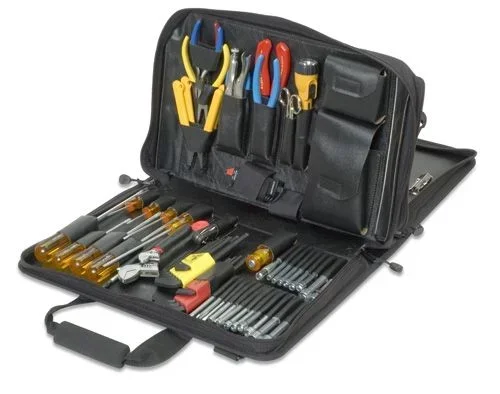
The Ultimate Field Service Technician Tool Kit Guide
A field service technician tool kit is the backbone of any on-site repair job. This guide covers everything you need to know, from essential hand tools to smart organization tips. You will learn how to pick the right kit, avoid common mistakes, and keep your gear in top shape for years to come.
Every field service technician tool kit tells a story. It shows what kind of work you do, how experienced you are, and how seriously you take your craft. Whether you are a seasoned pro or just starting out, the right set of tools can make or break your day on the road.
Imagine pulling up to a job site, opening your bag, and knowing exactly where everything is. No digging. No panic. Just smooth, efficient work from start to finish. That is what a great kit gives you. In this guide, we will walk you through everything you need to build or upgrade your field service technician tool kit. We will cover the must-have tools, how to choose the right case, organization hacks, and maintenance tips that actually work.
By the end, you will have a clear roadmap for assembling a kit that fits your trade, your budget, and your work style. Let us get into it.
Key Takeaways
- Right Tools Matter: A well-built field service technician tool kit saves time and boosts confidence on every service call.
- Quality Over Quantity: Choose durable, professional-grade tools that last longer and perform better on the job.
- Organization Is Key: Using pouches, cases, and compartments keeps your gear accessible and prevents lost tools.
- Match Your Kit to Your Trade: Electricians, HVAC techs, and general repair pros need different essentials in their kit.
- Maintenance Extends Life: Cleaning, sharpening, and replacing worn tools keeps your kit ready for anything.
- Brand Choices Matter: Top brands like Klein, Wiha, and Craftsman offer reliability and strong warranties.
📑 Table of Contents
What Is a Field Service Technician Tool Kit?
A field service technician tool kit is a portable collection of tools that a technician carries to job sites for on-site repairs and maintenance. Unlike a stationary workshop setup, a field kit must be compact, durable, and easy to transport. It lives in your truck, on your back, or in a rolling cart.
The contents vary widely depending on your trade. An electrician’s service call kit looks very different from an HVAC technician’s gear. But the core idea stays the same. You need the right hand tools for technicians to diagnose problems, make fixes, and get the job done right.
Why Your Kit Matters More Than You Think
Your tool kit is your workspace. It is where your expertise meets the real world. A missing tool can delay a repair, frustrate a customer, and eat into your profits. On the other hand, a well-organized mobile tool kit gives you speed and confidence. You move faster. You look more professional. You get repeat business.
Many new technicians underestimate the power of a good kit. They grab a few random tools and hope for the best. That approach works sometimes. But on a busy day with back-to-back calls, it falls apart fast. Investing time in building the right field service equipment setup pays off every single day.
Essential Tools Every Technician Needs
Not all tools are created equal. Some are absolute must-haves for every field service technician, no matter the trade. Others are niche and trade-specific. Let us break down the essentials into clear categories so you can build your kit with purpose.
Hand Tools That Belong in Every Kit
These are the tools you will reach for hundreds of times each week. They form the foundation of your repair toolkit.
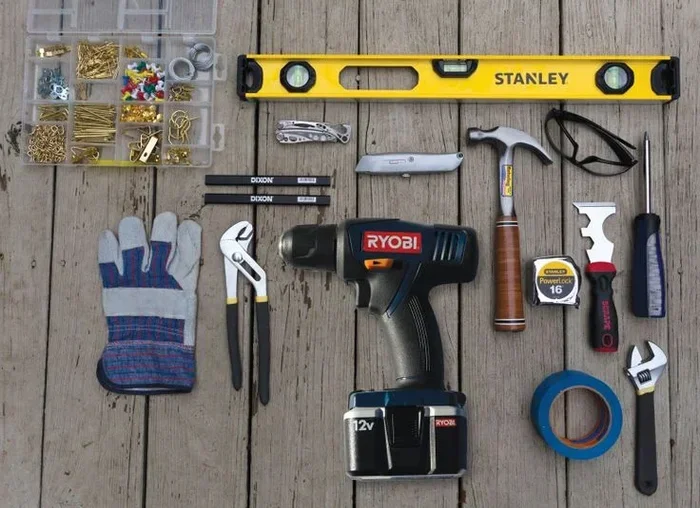
- Screwdrivers: Get a set with both flathead and Phillips tips. Include multiple sizes. A magnetic tip is a huge plus.
- Pliers: Needle-nose, lineman’s, and diagonal cutting pliers cover most situations. A good pliers and screwdrivers set saves space.
- Wire Strippers: Essential for electrical work. Get one that handles multiple gauge sizes.
- Adjustable Wrench: One solid adjustable wrench replaces several fixed-size wrenches. Look for a smooth jaw adjustment.
- Utility Knife: You will use this for opening packages, stripping insulation, and countless other tasks.
- Pliers and Screwdrivers Combo Set: A combined set saves space and keeps your most-used tools within reach.
Diagnostic and Testing Tools
Diagnosing problems quickly is what separates a great technician from a slow one. These tools help you pinpoint issues fast.
- Multi-Meter: This is the heartbeat of any field service technician tool kit. A digital multi-meter measures voltage, current, and resistance. Get one with a backlit display for working in dark spaces.
- Electrical Testing Tools: Circuit testers, continuity testers, and clamp meters all serve specific diagnostic needs. Pick based on your trade.
- Flashlight or Headlamp: You will work in dark cabinets, basements, and crawl spaces. A bright, rechargeable light is non-negotiable.
- Thermal Camera: For HVAC and electrical work, a thermal camera can reveal hidden heat issues in seconds.
Measuring and Fastening Tools
Precision matters on the job. These tools help you get things right the first time.
- Torque Wrench: Many modern devices require specific torque settings. A torque wrench ensures you meet those specs every time.
- Tape Measure: A sturdy 25-foot tape measure with a locking mechanism is a daily essential.
- Level: A small pocket level helps you check alignment quickly without pulling out a full-size tool.
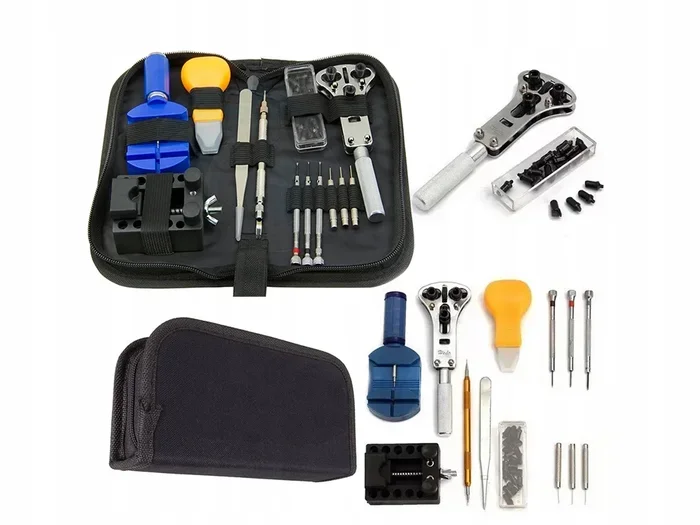
- Hex Key Set: Allen keys come in handy for equipment with hex bolts. A folding set keeps them organized and compact.
How to Choose the Right Tool Kit
Not all field service technician tool kits are built the same. Choosing the right one depends on your trade, your work environment, and your personal preferences. Here is what to consider before you buy.
Consider Your Trade and Specialization
An electrician needs different tools than a plumber or a general maintenance tech. Before you shop, make a list of the tasks you perform most often. That list becomes your shopping guide. If you work mainly with electrical systems, prioritize electrical testing tools and wire management tools. If you work with machinery, focus on wrenches, sockets, and gauges.
Portability vs. Capacity
This is the big trade-off. A lightweight tool bag is easy to carry all day, but it holds fewer tools. A heavy-duty rugged tool case holds more, but it weighs more and takes up truck space. Think about your typical day. Do you walk long distances? A compact tool bag wins. Do you stay near your vehicle? A larger case gives you more options.
Many technicians find success with a two-part approach. A small service call kit goes with them everywhere, and a larger portable tool box stays in the truck for heavier jobs.
Build Quality and Warranty
Cheap tools break. It is that simple. When you are out in the field, a broken tool is not just annoying. It is a missed deadline and a frustrated customer. Look for field service equipment from brands known for durability. Check the warranty. A good warranty tells you the manufacturer stands behind their product.
Budget Considerations
You do not need to spend a fortune to get quality tools. But you also should not buy the cheapest option and expect it to last. Set a realistic budget and prioritize the tools you use most. A phased approach works well. Start with the essentials and add specialty tools as your work demands them.
Organizing Your Tool Kit for Maximum Efficiency
Having great tools means nothing if you cannot find them when you need them. Organization is one of the most overlooked aspects of a field service technician tool kit. A few smart strategies can transform your setup.
Use a Professional Tool Organizer
A professional tool organizer with adjustable compartments lets you customize the layout. You can create dedicated spots for each tool group. When you close the kit and reopen it, everything is exactly where you left it.
Label Everything
It sounds simple, but labels make a huge difference. Use a label maker or colored tape to mark different sections of your kit. “Electrical,” “Fasteners,” “Testing,” and “General” are good starting categories. This system helps you grab what you need without searching through your entire kit.
Keep a Tool Checklist
Print or write a checklist of all the tools in your kit. Review it at the start and end of each day. This habit catches missing tools before they become a problem. It also helps you restock supplies like screws, fuses, and batteries.
The Role of an Organization Pouch
A small organization pouch for your belt or inside your bag holds the tools you use most frequently. Think of it as your personal grab-and-go station. Needle-nose pliers, a screwdriver, a multi-meter, and a few spare fuses fit perfectly in one pouch.
Top Brands and What to Look For
When it comes to field service equipment, brand reputation matters. You want tools that perform reliably, last long, and come backed by strong customer support. Here are some brands that consistently earn high marks from technicians.
| Brand | Known For | Best For | Warranty |
|---|---|---|---|
| Klein Tools | Electrical and general hand tools | Electricians and multi-trade techs | Lifetime |
| Wiha | Precision screwdrivers and pliers | Electronics and delicate work | Lifetime |
| Craftsman | Affordable, wide range of kits | General maintenance and DIY pros | Lifetime |
| Stanley | Durable cases and storage | Heavy-duty field work | Limited lifetime |
| Snap-on | Professional-grade mechanic tools | Automotive and industrial techs | Lifetime |
These brands offer a mix of quality, durability, and value. When comparing field service technician tool kits, look beyond the price tag. Check the material quality, the comfort of the handles, and the strength of the springs on pliers. A small detail like a comfortable grip can reduce hand fatigue over a long day.
Maintaining and Upgrading Your Tool Kit
Buying a great kit is only half the battle. Keeping it in shape ensures it serves you well for years. Maintenance is simple but often skipped.
Clean Your Tools After Every Job
Dirt, grease, and moisture cause tools to degrade over time. Wipe down your hand tools for technicians after each use. A quick pass with a clean cloth removes corrosive residue and keeps your tools looking and working their best.
Sharpen and Replace Worn Tools
Dull screwdriver tips slip and strip screws. Worn pliers jaws lose their grip. Check your tools regularly and replace anything that no longer performs. A sharp, well-maintained tool does its job faster and safer.
Upgrade Strategically
As your skills grow, your tool needs change. Add new tools based on real job demands, not impulse buys. If you start working with smart home systems, invest in diagnostic tools that can handle digital components. If you move into heavier mechanical work, upgrade your wrench set and socket collection.
Store Tools Properly
When you are not on a job, store your field service technician tool kit in a dry, temperature-controlled space. Humidity and extreme heat damage metal and plastic over time. A good rugged tool case protects your investment during storage and transport.
Quick Tips for Tool Kit Success
- Always keep spare batteries for your multi-meter and other powered tools.
- Invest in a good tool bag with comfortable straps for long days on foot.
- Keep a small supply of common consumables: fuses, tape, batteries, and zip ties.
- Photograph your fully packed kit so you can quickly check for missing items.
- Rotate your tools seasonally if your work changes with the weather.
Common Mistakes Technicians Make with Their Kits
Even experienced techs fall into habits that hurt their efficiency. Here are a few to avoid.
- Overloading the kit: Too many tools slow you down. Carry only what you need for the day’s expected jobs.
- Ignoring tool maintenance: A rusty wrench is a broken wrench. Clean your tools regularly.
- Using cheap alternatives: A $5 screwdriver that strips screws costs you more in time and frustration than a quality $20 version.
- No system for organization: Tossing tools in randomly leads to lost items and wasted time searching.
- Failing to update the kit: Your trade evolves. New technologies demand new tools. Review your kit every few months.
Avoiding these mistakes keeps your field service technician tool kit lean, efficient, and ready for anything.
Conclusion
Building the perfect field service technician tool kit is not about buying the most expensive gear. It is about choosing the right tools, organizing them well, and maintaining them consistently. A great kit gives you speed, confidence, and professionalism on every job.
Start with the essentials. Add tools as your work demands them. Keep your kit clean and organized. And never underestimate the value of a well-planned service call kit. Your future self, standing on a job site with everything in its place, will thank you.
Take action today. Audit your current kit, fill the gaps, and build a setup that works as hard as you do. Your field service technician tool kit is more than a collection of metal and plastic. It is an extension of your skill and your commitment to great work.
Frequently Asked Questions
What should be in a basic field service technician tool kit?
A basic kit should include screwdrivers, pliers, wire strippers, a multi-meter, a flashlight, a tape measure, and a utility knife. These tools handle the majority of on-site repair tasks across many trades. Start with these essentials and expand based on your specific work needs.
How do I organize a field service technician tool kit for quick access?
Use a professional tool organizer with adjustable compartments. Place your most-used tools in a belt pouch or top compartment. Label sections by tool type, such as electrical, fastening, and testing. A consistent system lets you find any tool in seconds.
What is the best tool bag for a field service technician?
The best bag depends on your trade and how much you carry. Look for durable materials, comfortable straps, and multiple compartments. Brands like Klein, Stanley, and Craftsman offer excellent options at different price points. Choose one that fits your daily workflow.
How often should I replace tools in my field service technician tool kit?
Replace tools when they show signs of wear, such as stripped screwdriver tips, loose plier jaws, or inaccurate multi-meter readings. High-quality tools can last many years with proper care. Inspect your tools monthly and replace any that no longer perform reliably.
Can I build a custom field service technician tool kit instead of buying a pre-made one?
Absolutely. Many experienced technicians prefer to build custom kits tailored to their specific trade. You pick each tool based on your actual job requirements. This approach ensures you carry only what you need and avoid paying for tools you will never use.
What is the difference between a field service tool kit and a mechanic tool set?
A field service technician tool kit is designed for portability and on-site repairs across various systems. A mechanic tool set is typically larger and focused on automotive repairs. Field kits prioritize compactness and versatility, while mechanic sets emphasize heavy-duty torque and specialized automotive tools.
=== END ===