The Ultimate Wood Working Tool Kit Guide For Beginners
A wood working tool kit is the foundation of every beginner’s DIY journey. This guide covers everything from hand tools and power tools to safety gear and budget-friendly picks. You will learn exactly what to look for, what to avoid, and how to build a kit that grows with your skills.
Starting a new hobby can feel overwhelming. There are so many tools, so many brands, and so much advice out there. If you have ever wondered what belongs in a wood working tool kit, you are in the right place. This guide breaks everything down in simple, practical terms. You will walk away knowing exactly what tools you need, what to skip, and how to get started without wasting money.
Woodworking is one of the most rewarding hobbies you can pick up. There is something deeply satisfying about turning a raw piece of wood into something beautiful or useful. But you cannot do that without the right tools. Think of a wood working tool kit as your starter passport into this creative world. Whether you want to build shelves, carve figures, or craft furniture, having the right kit makes all the difference.
This guide is written for real beginners. We will not throw confusing jargon at you. Instead, we will walk through every tool category step by step. By the end, you will feel confident choosing your first wood working tool kit or upgrading the one you already have. Let us dive in.
Key Takeaways
- Start with the basics: A quality wood working tool kit should include hand saws, chisels, measuring tools, and a reliable drill.
- Power tools make a big difference: A jigsaw, router, and random orbital sander can speed up your projects dramatically.
- Safety comes first: Always invest in safety gear like goggles, ear protection, and dust masks before you start cutting.
- Quality over quantity: A smaller kit with well-made tools beats a large kit full of cheap, flimsy items every time.
- Build your kit gradually: You do not need everything at once. Start with essentials and expand as your skills grow.
- Organization matters: A clean, organized workspace keeps you safe and makes every project more enjoyable.
📑 Table of Contents
- What Is a Wood Working Tool Kit and Why Do You Need One?
- Essential Hand Tools for Your Wood Working Tool Kit
- Must-Have Power Tools for Beginner Woodworkers
- How to Choose the Right Wood Working Tool Kit
- Setting Up Your Workshop: Organization and Safety
- Best Wood Working Tool Kits on the Market
- Common Mistakes Beginners Make with Their Wood Working Tool Kit
- Expert Tips to Get the Most from Your Wood Working Tool Kit
- Conclusion
What Is a Wood Working Tool Kit and Why Do You Need One?
A wood working tool kit is a collection of tools designed for cutting, shaping, joining, and finishing wood. These kits come in different sizes and price ranges. Some focus on hand tools, while others include power tools. The best woodworking tools for beginners kit balances both worlds.
Having a dedicated kit offers several advantages. First, it saves you from buying random tools and forgetting what you actually need. Second, a curated beginner woodworking kit ensures you have everything to complete your first projects. Third, it gives you a solid foundation to build on as your skills improve.
Think of it this way. You would not start a road trip without a map. A wood working tool kit is your map for every project you tackle. It keeps you organized, prepared, and ready to create.
Hand Tools vs Power Tools
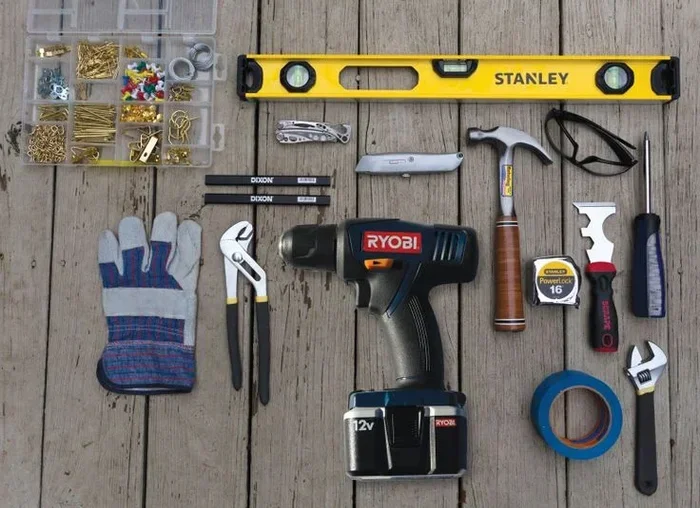
Every wood working tool kit includes two main categories: hand tools and power tools. Hand tools are manual and require physical effort. They include items like chisels, hand saws, and mallets. Power tools run on electricity or batteries. They include drills, jigsaws, and routers.
Both types are essential. Hand tools give you precision and control. They are perfect for detailed work and smaller projects. Power tools handle heavy-duty tasks and save you time. A balanced carpentry tools set includes both categories so you can handle any job that comes your way.
Essential Hand Tools for Your Wood Working Tool Kit
Hand tools form the backbone of any wood working tool kit. They are affordable, quiet, and give you excellent control over your work. Here are the must-have hand tools every beginner should own.
Hand Saw for Woodworking
A good hand saw for woodworking is non-negotiable. It is the most basic cutting tool you will use. Look for a saw with sharp teeth and a comfortable handle. A crosscut saw works well for cutting across the grain, while a rip saw cuts along it. For a starter wood working tool kit, one quality hand saw covers most needs.
Woodworking Chisels
Woodworking chisels let you carve, shape, and clean out joints. They come in various sizes, from narrow detailing chisels to wide bench chisels. A starter set of three to four chisels handles most beginner projects. Look for chisels made from high-carbon steel. They hold an edge longer and are easier to sharpen.
Measuring and Marking Tools
Precision is everything in woodworking. You need reliable woodworking measuring tools to get accurate cuts and joints. A tape measure, combination square, and marking gauge are the essentials. A woodworking caliper is also helpful for fine measurements. These small tools make a huge difference in the quality of your work.
Wood Clamps
Wood clamps hold pieces of wood together while glue dries. They act as extra hands during assembly. Bar clamps and spring clamps are the most versatile types. You cannot build a functional workbench essentials setup without several clamps of different sizes. Buy more than you think you need.
Hammer and Mallet
A woodworking hammer drives nails and small brads. A rubber mallet is better for tapping joints together without damaging the wood. Both tools belong in every wood working tool kit. Look for a hammer with a comfortable grip and a weight between 12 and 16 ounces.
Must-Have Power Tools for Beginner Woodworkers
Power tools take your woodworking to the next level. They save time, reduce effort, and open up new possibilities. Here are the power tools every beginner wood working tool kit should include.
Drill and Driver
A cordless drill and driver is the single most useful power tool for beginners. It drills holes and drives screws with ease. Look for a model with variable speed settings and a keyless chuck. A drill press is a nice upgrade later, but a quality cordless drill covers 90% of beginner needs.
Jigsaw
A jigsaw for wood cuts curved and irregular shapes. It is incredibly versatile and surprisingly affordable. Whether you are cutting a curved shelf or a decorative piece, a jigsaw gets the job done. Choose a model with variable speed control for cleaner cuts.
Router
A router for beginners opens up a world of creative possibilities. It shapes edges, cuts grooves, and creates decorative profiles. A fixed-base router is simpler to learn than a plunge router. Start with one basic bit and expand your collection as you try new techniques.
Random Orbital Sander
Sanding is tedious but essential. A random orbital sander makes quick work of it. It gives a smooth, even finish without leaving swirl marks. This tool is a game-changer for any DIY woodworking enthusiast. Sanding pads come in different grits, so buy a variety pack to start.
Miter Saw
A miter saw makes accurate crosscuts at various angles. It is perfect for picture frames, trim work, and angled joints. While not strictly necessary for day one, a miter saw is a valuable addition to any wood working tool kit as your projects grow in complexity.
How to Choose the Right Wood Working Tool Kit
Not all kits are created equal. Choosing the right one depends on your goals, budget, and skill level. Here is how to make a smart decision.
Define Your Goals
Before buying anything, ask yourself what you want to build. Are you interested in small decorative items? Functional furniture? Carving and whittling? Your goals determine which tools matter most. A wood carving tools set looks different from a general-purpose wood working tool kit.
Set a Realistic Budget
Budget plays a big role in your decision. Entry-level beginner woodworking kit options range from $50 to $300. Mid-range kits with better quality tools run from $300 to $600. Professional-grade kits can exceed $1,000. You do not need to spend a fortune to get started. Focus on quality over quantity.
Check the Tool Quality
Cheap tools are tempting but often frustrating. They dull quickly, break easily, and can even be dangerous. Look for kits from reputable brands known for durability. Read reviews and watch comparison videos. A well-made carpentry tools set lasts for years and performs much better.
Consider Expandability
Choose a kit that allows room to grow. Some brands sell starter kits with the option to add more tools later. This approach lets you build your wood working tool kit gradually without wasting money on tools you do not yet need.
Read Reviews and Ask for Recommendations
Online reviews are goldmines of real-world information. Look for kits with consistently positive feedback. Join woodworking forums or social media groups. Ask experienced woodworkers what they recommend. The woodworking community is incredibly welcoming and helpful to newcomers.
Setting Up Your Workshop: Organization and Safety
Once you have your wood working tool kit, it is time to set up a proper workspace. A well-organized shop makes every project safer and more enjoyable.
Safety Gear You Cannot Skip
Safety should always come first in any DIY woodworking shop. Here is the essential safety gear you need:
- Safety goggles: Protect your eyes from flying wood chips and dust.
- Ear protection: Power tools generate loud noise that can damage hearing over time.
- Dust mask or respirator: Wood dust is harmful when inhaled regularly.
- Push sticks and push blocks: These keep your hands away from saw blades.
- First aid kit: Keep one nearby for minor cuts and scrapes.
Never skip safety gear, even for quick tasks. Accidents happen in seconds but can cause lasting damage.
Organizing Your Tools
A cluttered workspace leads to accidents and frustration. Invest in tool storage solutions that keep everything accessible. Wall-mounted racks, tool chests, and pegboard systems work great. Label your drawers and shelves clearly. When every tool has a home, you spend less time searching and more time creating.
Choosing the Right Workbench
A sturdy workbench essentials setup is the heart of any woodworking shop. Your workbench should be sturdy, flat, and at a comfortable height. It needs to hold pieces securely while you work on them. If you are on a budget, a simple bench with a good vise works perfectly for beginners.
Ventilation and Lighting
Good ventilation keeps air clean and reduces dust buildup. Open windows, use fans, or install a dust collection system. Proper lighting is equally important. Bright, shadow-free lighting helps you see cuts clearly and work safely. LED shop lights are affordable and effective.
Best Wood Working Tool Kits on the Market
Finding the right wood working tool kit can feel overwhelming with so many options available. Here are some top picks across different budgets.
Budget-Friendly Option
For beginners watching their wallet, look for kits in the $50 to $100 range. These typically include a hand saw, a few chisels, a hammer, measuring tools, and a basic drill. Brands like Stanley, BLACK+DECKER, and Skil offer reliable budget beginner woodworking kit options that get the job done.
Mid-Range Option
Mid-range kits ($200 to $400) add power tools like a jigsaw, random orbital sander, and better-quality drill. These kits often include more hand tools and better storage cases. Brands like DEWALT, Bosch, and Makita offer excellent carpentry tools set options in this range.
Premium Option
Premium kits ($500+) include professional-grade tools from top brands. They feature higher-quality steel, better ergonomics, and extended warranties. These kits are ideal if you plan to take woodworking seriously as a long-term hobby or even a side business. The investment pays off in durability and performance.
| Kit Type | Price Range | Best For |
|---|---|---|
| Budget-Friendly | $50 – $100 | Casual hobbyists and first-timers |
| Mid-Range | $200 – $400 | Serious beginners with regular projects |
| Premium | $500+ | Long-term hobbyists and aspiring professionals |
Common Mistakes Beginners Make with Their Wood Working Tool Kit
Even the best wood working tool kit can lead to frustration if you make common beginner mistakes. Here are a few to watch out for.
Buying Cheap Tools That Break Easily
The cheapest option is not always the best deal. Low-quality tools break quickly, dull fast, and can be unsafe. Spend a little more on tools that will last. Your wood working tool kit is an investment in your hobby.
Skipping Safety Gear
It is tempting to skip goggles or ear protection for a quick cut. Do not do it. Every experienced woodworker will tell you that safety gear is not optional. Wear it every single time you use a power tool.
Not Learning Proper Technique
Tools are only as good as the person using them. Take time to learn proper cutting, measuring, and joining techniques. Watch tutorial videos, read books, and practice on scrap wood before tackling your real project.
Overbuying Tools You Do Not Need
It is easy to get excited and buy every tool you see. Resist that urge. Start with the essentials and build your wood working tool kit over time. You will save money and avoid clutter.
Neglecting Tool Maintenance
Dull blades and dirty tools make every job harder. Clean your tools after each use. Sharpen chisels and saw blades regularly. Lubricate moving parts on power tools. Proper maintenance keeps your woodworking tools for beginners performing at their best for years.
Expert Tips to Get the Most from Your Wood Working Tool Kit
Experienced woodworkers share a few insider tips that make a huge difference for newcomers.
Start with Simple Projects
Your first projects should be simple. A small shelf, a picture frame, or a wooden box teaches fundamental skills without overwhelming you. As you gain confidence, gradually take on more complex builds.
Invest in Sharp Tools
Sharp tools are safer and more enjoyable to use. A dull saw requires more force and is more likely to slip. Keep your wood carving tools and chisels sharp at all times. A good sharpening stone is a worthwhile addition to any wood working tool kit.
Use Quality Wood
Cheap wood causes frustration. It splits easily, warps, and finishes poorly. Invest in quality lumber for your early projects. You will learn proper technique faster and enjoy better results. As you improve, you can experiment with different wood types and grades.
Keep a Project Journal
Write down your projects, measurements, mistakes, and lessons learned. A project journal helps you track your progress and avoid repeating errors. It also becomes a valuable reference as your skills grow.
Join a Community
Woodworking is more fun when shared. Join a local woodworking club or an online community. You will learn new techniques, get feedback on your projects, and make friends who share your passion. The woodworking community is one of the best resources available to beginners.
Practice Patience
Woodworking is a skill that develops over time. Do not expect perfection from day one. Celebrate small wins, learn from mistakes, and enjoy the process. The journey is just as rewarding as the finished product.
Conclusion
A great wood working tool kit is the first step toward a fulfilling and creative hobby. From hand saws and chisels to drills and sanders, the right tools transform raw wood into something extraordinary. Remember to prioritize safety, choose quality over quantity, and build your kit gradually as your skills develop.
Do not let the sheer number of tools intimidate you. Every expert woodworker started exactly where you are now. With the right wood working tool kit, a little patience, and plenty of practice, you will be amazed at what you can create. Start small, stay curious, and most importantly, enjoy the journey. Your next woodworking project is waiting.
Frequently Asked Questions
What is the best wood working tool kit for absolute beginners?
Look for a starter kit that includes a hand saw, a cordless drill, a few chisels, measuring tools, and clamps. Brands like Stanley, DEWALT, and BLACK+DECKER offer reliable options under $150 that cover all the basics you need to complete your first projects successfully.
How much should I spend on a wood working tool kit?
Budget between $50 and $150 for a solid starter kit. You do not need to spend hundreds of dollars right away. Focus on quality essentials rather than quantity. As your skills grow, you can gradually add more specialized tools to your collection.
Can I build a wood working tool kit gradually?
Absolutely. Many experienced woodworkers built their kits over years. Start with the most essential tools like a saw, drill, and measuring tape. Add power tools and specialty items as your projects demand them. This approach saves money and prevents tool overload.
What safety gear do I need with my wood working tool kit?
Always wear safety goggles, ear protection, and a dust mask when using power tools. Keep a first aid kit nearby and use push sticks when operating saws. Safety gear is not optional in any DIY woodworking shop, no matter how small or simple the task.
How do I maintain my woodworking tools?
Clean tools after each use and store them in a dry place. Sharpen chisels and saw blades regularly using a whetstone or sharpening system. Lubricate moving parts on power tools and check for wear. Proper maintenance keeps your wood working tool kit performing well for years.
Is a wood working tool kit better than buying tools individually?
Kits offer great value for beginners because they include everything you need at a lower price. However, buying tools individually gives you more control over quality and selection. If you have specific projects in mind, purchasing tools separately might be the better option for your woodworking tools for beginners setup.