Find the Best Gas Generator Nearby for Any Situation
Finding a gas generator nearby is easier than you think, and it can keep your home running during outages or power your job site without interruption. This guide covers everything you need to know about selecting, buying, and maintaining a gas generator that fits your needs. We break down the types, sizes, and top tips so you can make a smart purchase with confidence.
Nothing beats the feeling of having reliable power when you need it most. Whether a storm knocks out your electricity or your job site demands constant energy, a gas generator nearby solves the problem fast. You do not need to wait days for shipping or deal with complicated setups. In this guide, we walk you through everything you need to know about finding, choosing, and using a gas generator that fits your life.
We cover the different types of generators available locally, how to size one correctly, and where to buy it. You will also learn important safety tips and maintenance basics that save you money and keep your family safe. By the end, you will feel confident making the best choice for your power needs.
Key Takeaways
- Multiple Options Available: You can find gas generators at hardware stores, home centers, and online retailers near you.
- Right Size Matters: Choosing the correct wattage prevents overload and saves fuel.
- Fuel Type Is Key: Gasoline, natural gas, and propane each have pros and cons for different situations.
- Safety First: Always follow carbon monoxide and ventilation guidelines when operating a gas generator.
- Maintenance Extends Life: Regular oil changes and filter replacements keep your generator running smoothly for years.
- Local Support Helps: Buying nearby means easier access to service, parts, and expert advice.
📑 Table of Contents
- Why You Need a Gas Generator Nearby
- Types of Gas Generators You Can Find Locally
- How to Choose the Right Gas Generator for Your Needs
- Where to Buy a Gas Generator Nearby
- Gas Generator Safety Tips You Should Know
- Maintaining Your Gas Generator for Long-Term Use
- Gas Generator Cost Breakdown
- Expert Tips for Finding the Best Deal
- Final Thoughts on Finding a Gas Generator Nearby
Why You Need a Gas Generator Nearby
Power Outages Happen When You Least Expect Them
Storms, accidents, and grid failures can knock out electricity for hours or even days. A gas generator nearby means you do not have to sit in the dark waiting for utility crews. You keep your lights on, your fridge running, and your devices charged. For families with medical equipment or young children, this kind of backup power is not a luxury. It is a necessity.
Job Sites Demand Reliable Power
Construction crews, landscapers, and contractors rely on portable power every single day. A gasoline generator delivers the wattage output needed to run tools, lights, and equipment on remote sites. Having a portable generator close by means less downtime and more productivity. You do not waste time hauling equipment from far away.
Emergency Preparedness Made Simple
Every household benefits from having an emergency power supply on hand. A gas generator gives you independence from the grid. You do not need solar panels or expensive battery systems to stay powered. A simple fuel fill-up gets your generator running in minutes. That is why so many homeowners keep one ready to go.
Types of Gas Generators You Can Find Locally
Portable Gasoline Generators
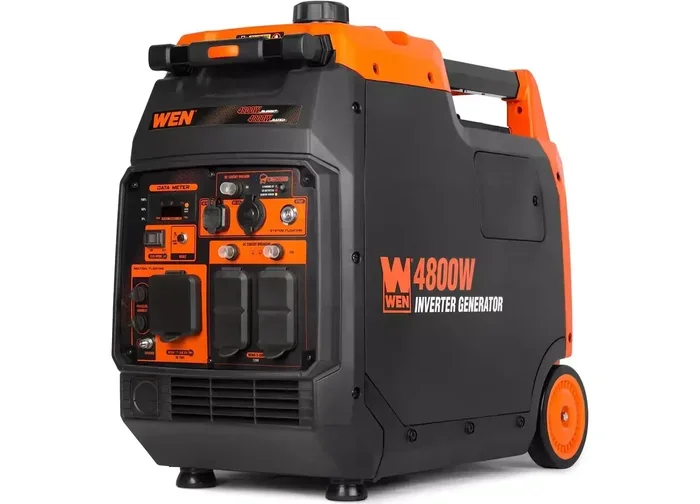
The most common type you will find at any local store is the portable gasoline generator. These units run on regular gasoline and come in sizes from 1,000 watts to 7,500 watts or more. They are lightweight, easy to move, and perfect for camping, tailgating, or powering essential home circuits during an outage. Most models include wheels and carry handles for simple transport.
Portable generators are affordable. You can find solid models for a few hundred dollars. They do require manual setup and refueling, but that is part of their simplicity. If you want a straightforward emergency power supply, a portable gasoline unit is hard to beat.
Standby Natural Gas Generators
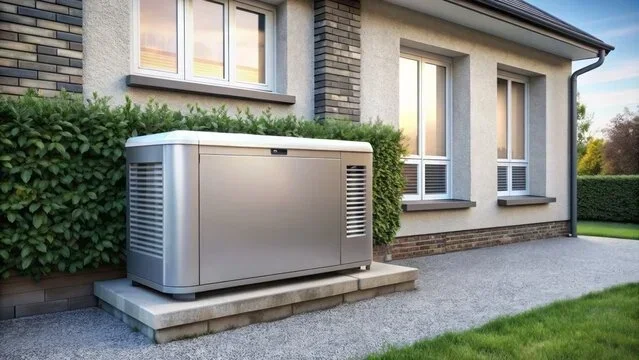
A standby generator connects directly to your home’s natural gas line. It turns on automatically when the power goes out. You do not need to lift a single finger. These units sit outside your house and can power your entire home, including air conditioning and heating systems.
Standby generators cost more upfront than portable options. However, they offer hands-free convenience and whole-home coverage. If you want to learn more about how much natural gas a generator uses, check out our guide on how much natural gas does a generator use. It helps you estimate fuel costs over time.
Dual-Fuel and Tri-Fuel Models
Some modern generators let you switch between gasoline, propane, and natural gas. These dual-fuel generators give you flexibility. You can use gasoline for portability or switch to propane for longer storage life. Tri-fuel models add natural gas capability for permanent home backup. They cost more but offer unmatched versatility.
Inverter Generators
Inverter generators produce clean, stable power safe for sensitive electronics like laptops and phones. They adjust engine speed based on the load, which means better fuel efficiency and quieter operation. These units are perfect for recreational use or for powering devices that need consistent voltage. They tend to cost a bit more but deliver superior power quality.
How to Choose the Right Gas Generator for Your Needs
Determine Your Power Needs
The first step is figuring out what you need to power. Make a list of the essential items. Add up their wattage. This gives you your starting point. Here is a quick reference:
- Refrigerator: 700 watts running, 2,200 watts starting
- Window AC Unit: 1,500 watts running, 2,000 watts starting
- Lights (5 rooms): 500 watts total
- Phone/Laptop Charging: 100-200 watts
- Sump Pump: 1,300 watts running, 2,300 watts starting
Always add a buffer of 20% to your total. This prevents overloading and keeps your generator running safely. For most homes, a backup generator in the 5,000 to 7,500 watt range covers essential circuits comfortably.
Consider Fuel Availability and Storage
Gasoline is easy to find at any gas station, but it does not store as long as propane. Propane has an indefinite shelf life and burns cleanly. Natural gas requires a permanent connection but provides endless fuel during an outage. Think about what is available in your area and how long you need to run your generator without refueling.
Think About Noise Levels
No one wants a generator that sounds like a jet engine. Inverter models run much quieter than conventional ones. If you live in a neighborhood or plan to use the generator near your home, noise matters. Look for units rated at 60 decibels or lower for comfortable operation.
Set a Realistic Budget
Portable generators start around $300 and go up to $1,500 for high-wattage models. Standby generators range from $2,000 to $5,000 or more, including installation. Your budget should reflect not just the purchase price but also fuel costs, maintenance, and any installation fees. Spending a bit more upfront often saves money on repairs and fuel over time.
Where to Buy a Gas Generator Nearby
Local Hardware Stores and Home Centers
Home Depot, Lowe’s, and local hardware stores carry a wide selection of gas generators. The advantage of shopping locally is that you can see and hear the units in person. Staff members can answer questions and help you compare models. Many stores also offer delivery or pickup options for added convenience.
Generator Specialty Dealers
Some areas have dedicated generator dealers who specialize in sales and service. These shops often carry commercial-grade units and can handle installation. They also provide generator testing and maintenance plans. If you need a larger standby unit, a specialty dealer is your best bet for expert guidance and long-term support.
Online Retailers with Local Fulfillment
Amazon, Home Depot online, and Lowe’s online let you order a generator and pick it up at a nearby store. This gives you the convenience of online browsing with the speed of local pickup. You can read reviews, compare prices, and find deals that are not available in physical stores. Just make sure the model ships to your nearest location.
Secondhand and Refurbished Options
You can sometimes find gently used generators at garage sales, Facebook Marketplace, or local equipment dealers. Refurbished units from reputable sellers often come with warranties. Always test a used generator before buying, and check the generator runtime and overall condition. A well-maintained used unit can save you hundreds of dollars.
Gas Generator Safety Tips You Should Know
Never Run a Generator Indoors
This is the most important safety rule. Gas generators produce carbon monoxide, an invisible and odorless gas that can be deadly within minutes. Always place your generator outside, at least 20 feet from your home, doors, and windows. Never use one in a garage, even with the door open. Carbon monoxide poisoning causes more deaths each year than most people realize.
Keep It Dry and Stable
Operate your generator on a dry, level surface. Use a generator tent or canopy if rain is expected, but never cover it while running. Wet conditions can cause electrical shorts and fires. Make sure the unit is stable and cannot tip over during operation.
Use Proper Extension Cords
Only use heavy-duty, outdoor-rated extension cords. Check the cord rating to match your generator’s output. Never daisy-chain cords together. Keep connections dry and off the ground to prevent water damage and tripping hazards.
Let the Generator Cool Before Refueling
Always turn off your generator and let it cool for a few minutes before adding fuel. Spilling gasoline on hot engine parts can cause a fire. Store fuel in approved containers away from heat sources and living areas.
Maintaining Your Gas Generator for Long-Term Use
Regular Oil Changes
Change the oil after the first 20 hours of use, then every 100 hours or at least once per season. Fresh oil keeps the engine running smoothly and prevents premature wear. Use the oil type recommended by the manufacturer for best results.
Air Filter and Spark Plug Maintenance
Check the air filter monthly during heavy use. Clean or replace it when it looks dirty. A clogged air filter reduces efficiency and can cause the engine to stall. Inspect the spark plug every season and replace it if you see wear or buildup. These small steps keep your generator starting reliably.
Fuel Stabilizer for Storage
If you do not use your generator often, add fuel stabilizer to the tank. Stabilized gasoline stays fresh for up to 12 months. Run the generator for a few minutes after adding stabilizer to circulate it through the fuel system. This prevents gum and varnish buildup that can clog carburetors.
Run the Generator Regularly
Even if you do not need power, start your generator once a month and let it run for 15 to 20 minutes. This keeps the engine lubricated and the battery charged. It also lets you spot any issues before an emergency. Regular use is one of the best ways to extend your generator’s lifespan.
Gas Generator Cost Breakdown
Understanding what you pay for helps you make a smarter buying decision. Here is a simple comparison of what to expect at different price points:
| Type | Price Range | Best For |
|---|---|---|
| Basic Portable | $300 – $600 | Camping, lights, small appliances |
| Mid-Size Portable | $600 – $1,200 | Home essentials, job sites |
| Inverter Generator | $800 – $2,000 | Sensitive electronics, RV use |
| Standby Generator | $2,000 – $5,000+ | Whole-home backup, automatic operation |
The right generator for you depends on your power needs, budget, and how often you plan to use it. A mid-size portable unit covers most homeowners just fine. If you want automatic backup, a standby model is worth the investment.
Expert Tips for Finding the Best Deal
Timing your purchase can save you real money. Generators often go on sale at the end of hurricane season in late fall. Hardware stores also clear out older models to make room for new inventory. Here are a few more tips:
- Compare prices across at least three local stores before buying.
- Check for rebates and manufacturer coupons online.
- Ask about delivery — many stores offer free delivery on large items.
- Read online reviews from verified buyers to spot reliability issues.
- Buy from authorized dealers to ensure full warranty coverage.
For those who use a generator regularly, consider visiting a Sun Joe generator retailer for affordable and reliable options. Sun Joe offers a range of portable and home backup units that deliver solid performance at budget-friendly prices.
When you are ready to make a purchase, think about the long-term costs too. Fuel consumption, oil, filters, and occasional repairs all add up. Choosing an energy-efficient model with good parts availability saves you money over the life of the unit. The best electrical generator is one that meets your needs, fits your budget, and runs reliably for years to come.
Final Thoughts on Finding a Gas Generator Nearby
Having a gas generator nearby gives you peace of mind no matter what the weather brings or what your power demands are. Whether you need a small portable unit for camping or a whole-home standby system, the right generator is out there waiting for you at a store near your home. Take the time to size it correctly, choose the right fuel type, and follow safety guidelines. Your future self will thank you when the power goes out and your lights stay on.
Start your search today. Visit a local store, browse online options, and compare what fits your budget. A reliable gas generator is one of the best investments you can make for your home, your family, and your peace of mind. Do not wait for the next outage to realize you needed one.
Frequently Asked Questions
What size gas generator do I need for my home?
Add up the wattage of the appliances you want to run during an outage. A 5,000 to 7,500 watt generator handles most essential home circuits. If you need to power your entire house including air conditioning, look at a standby generator in the 10,000 to 20,000 watt range.
Can I run a gas generator in my garage?
No. Never run a gas generator in a garage, even with the door open. Carbon monoxide can build up quickly and enter your home through doors and windows. Always place the generator at least 20 feet away from your house, doors, and windows.
How long can a gas generator run continuously?
Most portable generators can run for 8 to 12 hours on a full tank of gasoline. Some larger models can run for 24 hours or more. Check the generator runtime specs before buying to make sure it meets your needs.
Is gasoline or propane better for a generator?
Gasoline is easier to find and store short-term. Propane has a longer shelf life and burns cleaner. Some generators offer dual-fuel capability so you can use either. Choose based on your storage situation and how long you need to run the generator.
How often should I maintain my gas generator?
Change the oil every 100 hours of use or at least once per season. Check the air filter monthly during heavy use. Inspect the spark plug every season. Run the generator for 15 to 20 minutes once a month to keep it in good working condition.
Where is the best place to buy a gas generator near me?
Home Depot, Lowe’s, and local hardware stores carry a wide selection. You can also check generator specialty dealers for larger standby units. Online retailers with local pickup options offer convenience and competitive pricing.