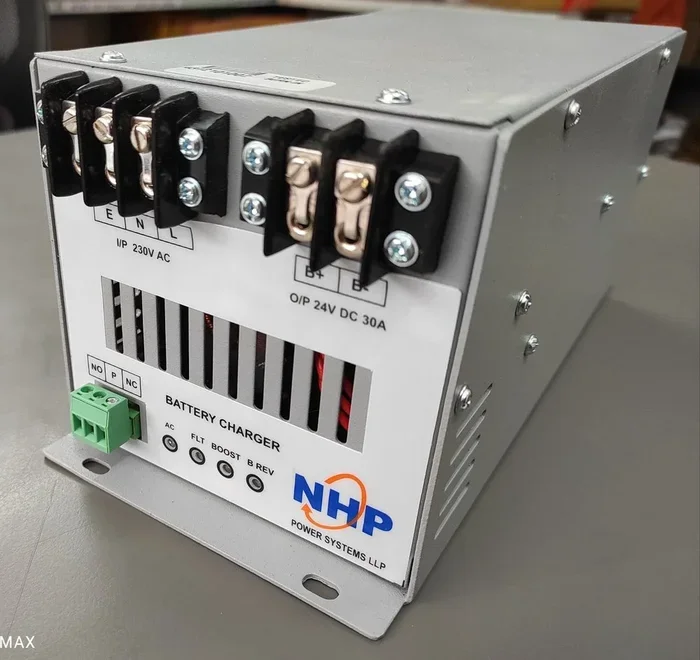
Generator Battery Charger Guide for Choosing the Best One
A generator battery charger keeps your backup power ready to go when you need it most. This guide covers types, features, maintenance, and buying tips so you can pick the right one. Whether you need it for home, RV, or work, we have you covered.
Key Takeaways
- Type matters: Choosing the right charger type affects reliability and runtime.
- Capacity counts: Match charger output to your battery size for best results.
- Maintenance extends life: Regular care keeps your charger and battery working longer.
- Safety first: Proper installation prevents hazards and costly damage.
- Smart features help: Automatic and portable options add flexibility.
📑 Table of Contents
- Generator Battery Charger Guide for Choosing the Best One
- What Is a Generator Battery Charger?
- Types of Generator Battery Chargers
- How to Choose the Best Generator Battery Charger
- Generator Battery Charger Maintenance Tips
- Common Mistakes When Using a Generator Battery Charger
- Expert Insights on Generator Battery Chargers
- Quick Tips for First-Time Buyers
- Comparing Popular Generator Battery Charger Options
- Conclusion
Generator Battery Charger Guide for Choosing the Best One
Power outages can strike without warning. When they do, you need a generator that fires up instantly. A generator battery charger is the unsung hero behind that quick start. It keeps your backup battery full, so your generator is always ready to roll.
But not all chargers are created equal. Picking the wrong one can leave you with a dead battery when the lights go out. This guide breaks down everything you need to know. You will learn types, features, and how to maintain your gear for peak performance.
We also cover common mistakes and expert tips. By the end, you will feel confident choosing the perfect generator battery charger for your needs. Let us get into it.
What Is a Generator Battery Charger?
A generator battery charger is a device that keeps your generator battery charged. It supplies power to the battery even when the generator is off. This ensures the battery stays ready for action at a moment’s notice.
Think of it like a phone charger plugged into the wall. Your phone battery never dies because it is always topped up. The same idea applies to your generator battery. A small trickle of energy keeps it healthy and full.
Why It Matters
Batteries lose charge over time. Even sitting idle, they slowly drain. Without a generator battery charger, your battery may be too weak to start the generator when you need it most.
This is especially true in cold weather. Low temperatures sap battery power fast. A good charger fights against that drain. It also helps extend the overall life of your battery.
Types of Generator Battery Chargers
Not all chargers work the same way. Different types suit different setups. Knowing the options helps you pick the right generator battery charger for your situation.
Trickle Chargers
Trickle chargers deliver a low, steady charge. They are perfect for long periods of inactivity. You can leave them connected for weeks without harming the battery.
They are affordable and simple. However, they charge slowly. If your battery is deeply drained, a trickle charger may not revive it fast enough.
Smart Chargers
Smart chargers are more advanced. They adjust the charging speed based on the battery’s condition. This prevents overcharging and extends battery life.
Many smart generator battery charger models detect battery health automatically. They switch to maintenance mode once the battery is full. This makes them ideal for standby generators.
Portable Chargers
Portable chargers are compact and easy to move. You can use them for RVs, boats, or small setups. They are great if you need flexibility.
However, they usually offer lower output. They work best for smaller batteries. If you have a large standby system, a portable model may not cut it.
Built-In Chargers
Many standby generators come with a built-in generator battery charger. These are wired directly into the system. They activate automatically when the generator runs.
Built-in chargers are convenient. But if they fail, repairs can be costly. It is wise to have a backup plan or a separate charger on hand.
How to Choose the Best Generator Battery Charger
Choosing the right generator battery charger comes down to a few key factors. Take your time and consider each one carefully.
Battery Compatibility
Not all batteries are the same. Check your battery type before buying a charger. Common types include lead-acid, AGM, and lithium-ion.
Using the wrong charger can damage your battery. Always match the charger to your battery specifications. Look for clear labeling on both products.
Charging Speed
Charging speed depends on the charger’s output. Measured in amps, higher numbers mean faster charging. A 2-amp charger works well for most standby batteries.
But faster is not always better. Slow charging can actually be gentler on your battery. Consider what matters most for your setup.
Weather Resistance
If your generator sits outside, weather resistance matters. Look for a charger with a durable housing. It should handle rain, snow, and heat.
A weatherproof generator battery charger gives you peace of mind. You do not have to rush to remove it during storms.
Automatic Features
Automatic chargers monitor battery levels on their own. They kick in when charge drops and stop when full. This hands-off approach is very convenient.
Some models even send alerts. You will know if something goes wrong. This is a great feature for busy households.
Generator Battery Charger Maintenance Tips
A good charger still needs care. Regular maintenance keeps everything running smoothly. Follow these simple tips to get the most life out of your gear.
Inspect Connections Regularly
Loose or corroded connections reduce charging efficiency. Check your charger monthly. Look for green or white buildup on terminals.
Clean terminals with a wire brush. Tighten any loose cables. These small steps make a big difference.
Keep the Charger Clean
Dust and debris can block airflow. This causes overheating. Wipe down your charger often. Use a dry cloth for best results.
Make sure vents are clear. Good airflow helps the charger last longer. It also prevents safety hazards.
Test Your Battery Regularly
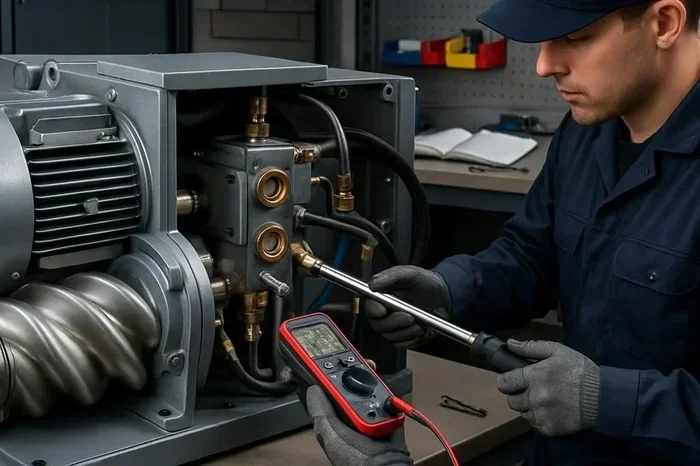
A charger does not fix a dead battery. Test your battery every few months. Use a multimeter to check voltage levels.
If the battery fails to hold a charge, replace it. A generator battery charger cannot save a worn-out battery. Early replacement avoids surprises.
Store Properly During Off-Season
If you do not use your generator much, store it wisely. Keep it in a dry, cool place. Connect the charger to maintain battery health.
Avoid storing batteries in extreme heat or cold. Temperature swings shorten battery life. A consistent charge helps stabilize things.
Common Mistakes When Using a Generator Battery Charger
Even experienced users make mistakes. Avoiding these common errors saves time and money.
Overcharging the Battery
Overcharging happens when a charger stays on too long. It can swell or leak the battery. Always use a charger with automatic shutoff.
Modern smart generator battery charger units handle this for you. Still, it is wise to check in occasionally. Safety should always come first.
Ignoring the User Manual
Every charger comes with specific instructions. Skipping the manual can lead to misuse. Take a few minutes to read it thoroughly.
You will learn important safety tips. You may also discover features you missed. Knowledge is power, literally.
Using the Wrong Charger
Not every charger fits every battery. Mixing types can cause damage. Always double-check compatibility before plugging in.
If in doubt, contact the manufacturer. They can guide you to the right match. This simple step prevents costly errors.
Skipping Regular Inspections
Out of sight, out of mind is risky here. Your charger works silently in the background. But it still needs attention.
Set a schedule for inspections. Look for wear, damage, or unusual behavior. Early fixes prevent bigger problems down the road.
Expert Insights on Generator Battery Chargers
We spoke with a few power equipment experts. They shared valuable advice for choosing and using a generator battery charger.
Go for Quality Over Price
Cheap chargers may seem tempting. But they often lack safety features. Spending a bit more saves you from battery failure later.
Look for UL or CE certification. These marks show the charger meets safety standards. A trusted brand also offers better warranty support.
Match the Charger to Your Use Case
Home backup needs differ from RV or commercial use. Think about how often you use your generator. Choose a charger that fits your lifestyle.
If you rarely use your generator, a trickle charger works well. For frequent use, invest in a smart model. The right match makes all the difference.
Consider a Maintenance Battery
Some experts recommend a separate maintenance battery. This is a small battery just for starting. It stays charged by the generator battery charger.
Your main battery can then focus on powering the generator. This setup adds reliability. It is especially helpful for older generators.
Quick Tips for First-Time Buyers
- Check your battery type: Know if you need lead-acid, AGM, or lithium.
- Read reviews: Real user feedback reveals long-term performance.
- Look for warranty: A good warranty protects your investment.
- Start with a reputable brand: Brands like Schumacher and Battery Tender are trusted names.
- Measure your space: Make sure the charger fits your setup.
Comparing Popular Generator Battery Charger Options
Here is a quick look at some popular charger types. This comparison table helps you see the differences at a glance.
| Feature | Trickle Charger | Smart Charger | Portable Charger |
|---|---|---|---|
| Best for | Long storage | Standby systems | RVs and boats |
| Price range | $15 – $40 | $50 – $150 | $25 – $80 |
| Auto shutoff | No | Yes | Sometimes |
| Weatherproof | Rarely | Often | Varies |
This table gives you a starting point. Always check specs against your specific needs. The best generator battery charger is the one that fits your setup.
Conclusion
Choosing the right generator battery charger is simpler than it seems. Focus on compatibility, type, and quality. Keep up with regular maintenance to get the most life out of your gear.
Avoid common mistakes like overcharging or skipping inspections. Follow the expert tips shared here. Your generator will thank you when the power goes out.
Take your time, do your research, and invest in a solid charger. A reliable generator battery charger means peace of mind. You are always prepared, no matter what comes your way.
Frequently Asked Questions
How long does a generator battery charger last?
A good quality charger can last 5 to 10 years with proper care. Regular inspections and clean connections help extend its life. Cheaper models may need replacement sooner.
Can I leave a generator battery charger on all the time?
Yes, if you have a smart charger with automatic shutoff. These detect when the battery is full and stop charging. Trickle chargers should be monitored more closely.
What size charger do I need for my generator battery?
Most standby generators work well with a 2-amp charger. Larger batteries may need a higher amp output. Check your battery manual for the recommended charging rate.
Does a generator battery charger work in cold weather?
Most modern chargers handle cold temperatures fine. However, batteries lose charge faster in the cold. A generator battery charger helps counteract this effect.
Can I use a car battery charger for my generator?
You can, but only if the voltage matches. Most generator batteries are 12-volt. Always confirm compatibility to avoid damage.
What is the best brand of generator battery charger?
Brands like Battery Tender, Schumacher, and NOCO are highly rated. They offer reliable smart chargers with safety features. Reading reviews helps you find the best fit.