Your Complete Guide to Nail Tools and How to Use Them
Learn everything about nail tools and how to use them in this complete guide. We cover essential tools, step-by-step techniques, and pro tips for both beginners and seasoned users. Whether you are doing your nails at home or sharpening your salon skills, this guide has you covered with practical advice and expert insights.
Nail tools are the backbone of any great manicure, pedicure, or nail art session. Whether you are a complete beginner or someone who has been doing their nails for years, knowing your tools is the first step to stunning results. This guide breaks down everything you need to know about nail tools and how to use them in simple, practical terms.
Think of it this way. You would not try to cook a fancy meal without knowing your kitchen tools. The same logic applies to nail care. When you understand what each tool does and how to handle it, you save time, avoid mistakes, and get salon-quality results at home. This guide walks you through every essential tool, the right way to use it, and common pitfalls to avoid.
Key Takeaways
- Right Tools Matter: Using the correct nail tools makes a huge difference in your results and nail health.
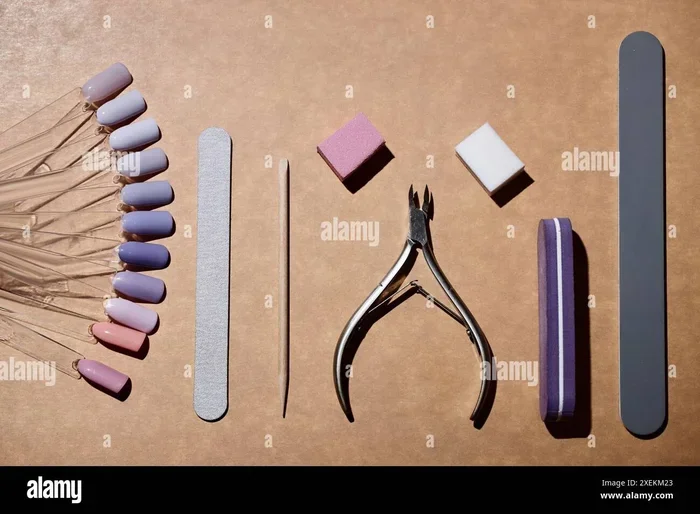
- Start with Basics: Nail clippers, files, buffers, and cuticle pushers are the foundation of any nail care routine.
- Technique is Key: Proper method matters more than expensive tools when it comes to great nails.
- Maintenance Extends Life: Cleaning and storing your nail tools correctly keeps them sharp and safe.
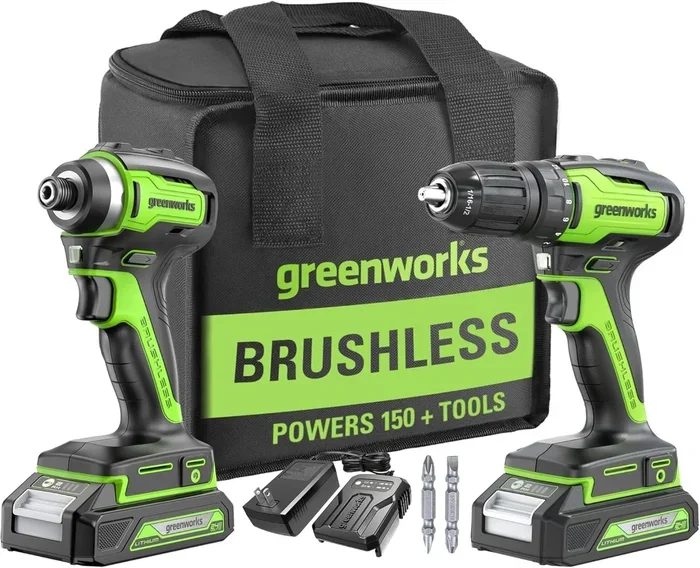
- Pneumatic Nail Tools Need Compressors: If you use nail guns, understanding compressor basics boosts performance.
- Invest Gradually: Build your nail tool collection over time rather than buying everything at once.
📑 Table of Contents
- Why Nail Tools Make All the Difference
- How to Use Each Nail Tool Properly
- Advanced Nail Tools and Techniques
- Pneumatic Nail Tools and Compressors
- Building Your Nail Tool Collection Over Time
- Common Mistakes to Avoid with Nail Tools
- Quick Tips for Nail Tool Care
- Expert Insights on Nail Tool Selection
- Final Thoughts
Why Nail Tools Make All the Difference
Good nail tools do more than just make your nails look pretty. They help you maintain healthy nails, prevent damage, and express your personal style. Cheap or wrong tools can cause splitting, peeling, and even infections. That is why choosing the right ones matters so much.
When you invest in quality nail tools and how to use them properly, you build a routine that works. Your nails stay stronger, your polish lasts longer, and your hand care becomes second nature. Let us dive into the essential tools you need.
Essential Nail Tools for Beginners
You do not need a huge collection to get started. A few basic tools cover most nail care needs. Here is what every beginner should have in their kit.
- Nail Clippers: These are your go-to for trimming nails to the right length. Look for sharp, stainless steel clippers that feel comfortable in your hand.
- Nail Files: Files shape your nails after clipping. A 180-grit file works well for natural nails and keeps them smooth.
- Nail Buffer: A buffer smooths out ridges and gives your nails a natural shine without polish.
- Cuticle Pusher: This tool gently pushes back cuticles to create a clean nail bed.
- Nail Brush: A small brush cleans under your nails and keeps your hands fresh.
Start with these five tools. Once you feel confident, you can add more specialized items to your collection. The goal is to build skills with the basics first.
How to Use Each Nail Tool Properly
Now let us get into the nitty-gritty of using each tool the right way. Proper technique prevents damage and gives you the best results every time.
Using Nail Clippers Correctly
Hold the clipper steady and position it right at the edge of your nail. Cut straight across for fingernails and slightly curved for toenails. Avoid cutting too close to the skin. A small white edge left at the tip protects your nail bed from irritation.
Do not rip or tear your nails by hand. That causes uneven edges and weakens the nail over time. A clean clip with sharp clippers is always better.
Filing Your Nails the Right Way
After clipping, use your file to shape the edges. Move the file in one direction only. Sawing back and forth weakens the nail structure and causes splitting.
Choose a fine-grit file for natural nails. Coarse files work better for acrylics and gels. Round the corners slightly to prevent catching and breaking. This small step goes a long way in keeping your nails strong.
Buffing for a Natural Shine
A nail buffer has different sides with varying grit levels. Start with the roughest side to smooth ridges, then move to the medium side, and finish with the smoothest side for shine.
Do not over-buffer. Too much buffing thins the nail and makes it brittle. Two to three passes per nail is plenty. Your nails will look healthy and glossy without any polish.
Working with Cuticle Pushers
Soak your hands in warm water for a few minutes before pushing back cuticles. This softens the skin and makes the process gentle and painless.
Use the flat edge of the pusher to nudge the cuticle back slowly. Never cut your cuticles unless you are a trained professional. Cuticles protect your nail from infection, so keeping them intact is important for nail health.
Advanced Nail Tools and Techniques
Once you master the basics, you can explore more advanced tools that take your nail game to the next level.
Electric Nail Drills
Electric drills are popular in salons for shaping, smoothing, and removing gel polish. They come with different bit attachments for various tasks. If you are new to drills, start slow and practice on a fake nail first.
Always keep the drill moving. Staying in one spot too long can heat up the nail and cause discomfort. A light touch gives you the best control and safest results.
Nail Art Brushes and Dotting Tools
Nail art opens up a world of creativity. Dotting tools create perfect circles and dots for simple designs. Fine-tip brushes let you paint stripes, flowers, and detailed patterns.
You do not need expensive brushes to start. A toothpick works in a pinch for dot art. As you get more comfortable, you can invest in a proper nail art brush set. Practice on a piece of paper first to get a feel for the brush flow.
Nail Dry Lamps and UV Lights
If you use gel polish, a UV or LED lamp is essential. These lamps cure the polish quickly and make it last much longer than regular polish.
Follow the manufacturer’s recommended curing time. Under-curing leaves the polish tacky, while over-curing can damage your nails. Most lamps need 30 to 60 seconds per coat. Clean the lamp inside regularly for the best performance.
Pneumatic Nail Tools and Compressors
For those who work with nail guns in construction or woodworking, the connection between nail tools and compressors is critical. Pneumatic nail guns need a steady air supply to function properly.
If you use a nail gun, understanding your compressor is just as important as handling the nail tool itself. A basic air compressor guide can help you get started with the right settings and safety practices.
Your compressor’s CFM output directly affects how well your nail gun drives nails. If you notice your nail gun misfiring or not penetrating fully, you may need to boost your airflow. Learning how to get more CFM from your compressor can solve many common performance issues.
Not all compressors are the same. A two-stage compressor provides more consistent air pressure, which is ideal for heavy-duty nail work. Understanding how your compressor operates helps you choose the right one for your nail tools and get the best results on every job.
Building Your Nail Tool Collection Over Time
You do not need to buy everything at once. Start with the essentials and grow your collection as your skills develop. Here is a simple roadmap to follow.
Phase 1 – Basics: Clippers, file, buffer, cuticle pusher, and nail brush. These five tools handle 90% of your nail care needs.
Phase 2 – Enhancement: Add a nail dryer, cuticle oil, and a base coat. These small additions make a big difference in nail health and polish longevity.
Phase 3 – Advanced: Consider an electric drill, nail art brushes, and gel lamp if you want to explore professional-level techniques at home.
This phased approach keeps your spending manageable and lets you focus on mastering each set of tools before moving on.
Common Mistakes to Avoid with Nail Tools
Even experienced nail users make mistakes. Here are the most common ones and how to avoid them.
- Using dull files. A worn-out file tears your nails instead of shaping them. Replace your files regularly.
- Cutting cuticles. This opens the door to infections. Push them back gently instead.
- Over-buffing. Too much buffing weakens the nail plate. Keep it to just a few passes.
- Sharing nail tools. This spreads bacteria and fungi. Keep your tools personal and clean them after each use.
- Skipping base coat. Base coat protects your nails from staining and helps polish adhere better.
Avoiding these simple mistakes keeps your nails healthy and your tools lasting longer. Small changes in your routine lead to big improvements over time.
Quick Tips for Nail Tool Care
Taking care of your nail tools is just as important as knowing how to use them. Here are some quick tips to keep your tools in top shape.
- Clean after every use: Wipe down metal tools with rubbing alcohol to remove oils and debris.
- Store in a dry place: Moisture causes rust on metal tools. A small pouch or case keeps them dry and organized.
- Sharpen files regularly: A sharp file glides smoothly and shapes nails more precisely.
- Replace worn tools: Dull clippers and frayed files do more harm than good. Know when to retire old tools.
- Disinfect before sharing: If you ever let someone borrow your tools, disinfect them thoroughly before and after.
These simple habits extend the life of your nail tools and keep your nail care routine safe and effective. A little maintenance goes a long way.
Expert Insights on Nail Tool Selection
Professional nail technicians recommend choosing tools based on your nail type and goals. Here is what the experts say.
For brittle nails: Use a glass file instead of a traditional emery board. Glass files are gentler and create smoother edges without further damaging weak nails.
For thick nails: A heavier-duty clipper with a sharper blade handles thick toenails much better than a standard pair. Look for tools specifically designed for thick nails.
For nail art enthusiasts: Invest in a quality dotting tool set and a thin nail art brush. These tools give you precision and control for detailed designs.
Remember, the best tool is one that feels comfortable in your hand and suits your specific nail needs. Do not chase trends or buy expensive sets just because they look good. Function always comes first.
Final Thoughts
Learning about nail tools and how to use them is a journey that pays off every time you sit down for a nail session. From the basic clipper to advanced nail art brushes, each tool has a purpose and a proper way to use it.
Start with the essentials. Practice your technique. Take care of your tools. And most importantly, enjoy the process. Great nails come from consistent care and the right tools in hand. Use this guide as your reference anytime you want to refresh your knowledge or try something new.
Your nails tell a story about your self-care habits. Equip yourself with the right tools, learn the proper techniques, and let your nails speak for themselves. Happy grooming.
Frequently Asked Questions
What are the most essential nail tools for beginners?
Start with nail clippers, a nail file, a buffer, a cuticle pusher, and a nail brush. These five tools cover all the basics of nail care and grooming. Once you are comfortable, you can add more specialized tools to your collection.
How often should I replace my nail tools?
Replace nail files every two to three months since they wear down over time. Metal tools like clippers and pushers can last years if you clean and store them properly. Watch for dullness or rust as signs it is time for a replacement.
Can I use the same nail tools for acrylic and natural nails?
It is best to have separate tools for acrylics and natural nails. Acrylics are harder and can dull files and buffers meant for natural nails. Using dedicated tools for each type keeps your natural nails healthy and your tools performing their best.
How do I disinfect my nail tools at home?
Soak metal tools in rubbing alcohol for at least ten minutes. You can also use a barbicide solution designed for salon tools. After disinfecting, rinse with clean water and dry thoroughly before storing them in a clean case.
What is the best way to file nails without causing damage?
Always file in one direction rather than sawing back and forth. Use a fine-grit file for natural nails and avoid filing when your nails are wet, as they are more prone to splitting. Gentle, steady strokes give you the best shape with the least damage.
Do I really need a nail buffer if I polish my nails?
Yes, a buffer helps create a smooth surface for polish to adhere to. It also adds a natural shine that reduces the need for multiple polish coats. Just be careful not to over-buffer, as thinning the nail can cause brittleness over time.