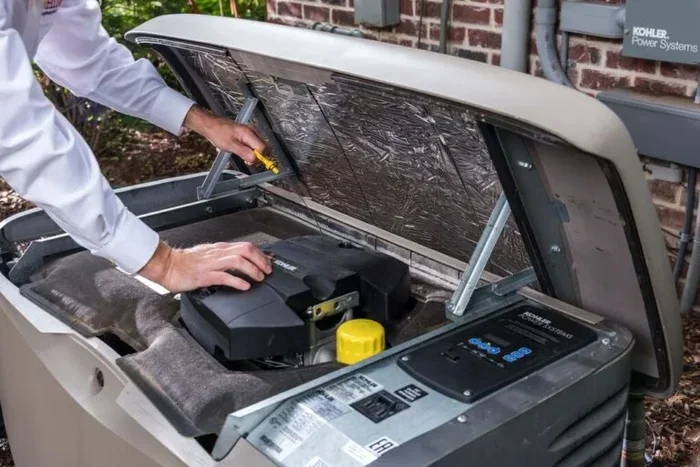
Generator Tune Up Tips to Keep Your Machine Running Strong
A regular generator tune up is one of the best ways to protect your investment and ensure reliable backup power when you need it most. This guide covers everything from oil changes and spark plug checks to fuel system cleaning and seasonal storage, so your portable generator stays in top shape all year long. Follow these simple generator maintenance tips and you will avoid costly repairs and enjoy peace of mind.
Key Takeaways
- Tune up regularly: Schedule a generator tune up at least once a year or after every 100 hours of use for best results.
- Change the oil: Fresh oil keeps the engine running smoothly and extends the life of your machine.
- Check spark plugs: Worn spark plugs reduce power output and can prevent your generator from starting.
- Clean the fuel system: Old fuel and clogged filters hurt engine performance and may cause permanent damage.
- Store properly: Using fuel stabilizer and proper seasonal storage prevents fuel degradation and starting problems.
- Test under load: Running your generator periodically under load confirms it delivers reliable power when it counts.
- Keep records: Tracking maintenance helps you stay on schedule and protects your generator warranty.
📑 Table of Contents
- Why a Generator Tune Up Matters More Than You Think
- How Often Should You Tune Up Your Generator?
- Step-by-Step Generator Tune Up Guide
- Common Generator Tune Up Mistakes to Avoid
- Proper Storage Keeps Your Generator Ready
- Expert Tips for Long-Term Generator Health
- How a Generator Tune Up Protects Your Investment
- Conclusion
Why a Generator Tune Up Matters More Than You Think
There is nothing worse than flipping the switch during a blackout and hearing nothing but silence. Your generator sits there like a big metal paperweight. This is exactly why a generator tune up is so important.
Think of it this way. You take your car in for an oil change and a checkup every few months. Your generator deserves the same respect. After all, it works just as hard to keep your home running when the grid goes down.
A regular generator maintenance routine does more than just prevent surprises. It boosts engine performance, improves power output, and can add years to the life of your machine. In this guide, we walk you through every step of tuning up your generator like a pro.
How Often Should You Tune Up Your Generator?
Timing matters. Too frequent and you waste time. Too infrequent and you risk breakdowns. So how often should you actually tune up your portable generator?
Follow the Manufacturer Guidelines
Every generator manual includes a maintenance schedule. Most manufacturers recommend a full tune up every 100 to 200 hours of operation. For the average homeowner, this usually means once a year.
If you use your generator frequently during storms or as a primary backup power source, you may need to tune up more often. Heavy use means more wear on parts like spark plugs, filters, and oil.
Seasonal Use Demands Attention
Even if you barely run your generator, do not skip the yearly checkup. Engines sit idle for months and parts can still degrade. Before storm season is the perfect time to schedule a routine inspection and make sure everything is ready to go.
Step-by-Step Generator Tune Up Guide
Now let us get into the good stuff. Here is a complete step-by-step process for tuning up your generator. Each step targets a different part of the machine that needs regular attention.
1. Change the Engine Oil
Oil is the lifeblood of your generator. Dirty oil creates friction, heats up the engine, and can cause serious damage over time. Replacing it is the single most important part of any generator tune up.
Start by checking your owner’s manual for the correct oil type and weight. Many modern generators use synthetic oil for better protection. If you are wondering whether synthetic oil is right for your unit, check out our detailed guide on Can You Use Synthetic Oil In A Generator for expert advice.
Here is a simple oil change checklist:
- Run the generator for a few minutes to warm the oil. This helps it drain completely.
- Turn off the generator and let it cool slightly.
- Locate the drain plug and place a container underneath.
- Remove the drain plug and let the old oil flow out fully.
- Replace the drain plug and refill with fresh oil to the proper level.
- Check for leaks around the plug area.
Most generators need oil changes every 100 hours of use or at least once per season. Do not go longer than six months between changes, even if you barely used the unit.
2. Replace or Clean the Spark Plugs
Spark plugs ignite the fuel inside the engine. When they wear out, your generator may misfire, lose power output, or refuse to start at all. Spark plug replacement is quick, cheap, and makes a huge difference.
Pull the spark plug out with a wrench and inspect it. Look for these signs:
- Heavy carbon buildup on the electrode
- A cracked porcelain insulator
- Corrosion or rust on the threads
- A black, sooty appearance
If you see any of these, swap in a new one. Make sure the gap between the electrodes matches the specification in your manual. A clean spark plug ensures reliable starts and smoother engine performance.
3. Clean or Replace the Air Filter
The air filter keeps dust and debris from entering the engine. A clogged filter starves the engine of clean air, which reduces efficiency and can lead to carbon buildup inside the cylinder.
Remove the air filter housing and take out the filter element. You can clean foam filters with soap and water, but paper filters usually need replacement. Hold the filter up to the light. If you cannot see light through it, it is definitely time for a new one.
4. Flush and Clean the Fuel System
Old fuel is one of the biggest enemies of a sitting generator. Gasoline breaks down in as little as 30 days, especially ethanol-blended fuels. Degraded fuel can clog carburetor jets, gum up valves, and cause starting problems.
During a thorough generator tune up, follow these steps:
- Drain all old fuel from the tank and carburetor bowl.
- Inspect the fuel lines for cracks or dry rot.
- Clean the carburetor with carb cleaner spray and a small brush.
- Replace the fuel filter if it looks discolored or clogged.
- Fill the tank with fresh fuel mixed with a fuel stabilizer for long-term storage.
If you want to learn more about proper fuel care, our article on How To Set Up A Generator covers fuel system setup and best practices in detail.
5. Check the Battery and Electrical Connections
Many generator owners forget about the battery. A weak or dead battery means your generator will not start, even if the engine is perfectly fine. Battery maintenance is simple but critical.
Inspect the battery terminals for corrosion. Clean them with a mixture of baking soda and water, then apply a thin coat of dielectric grease. Check the voltage with a multimeter. A fully charged battery should read around 12.6 volts. If it drops below 12 volts, recharge or replace it.
While you are at it, inspect all electrical connections on the generator. Tighten any loose wire terminals and look for frayed cables. Safe connections prevent short circuits and ensure consistent power output.
6. Inspect the Exhaust System and Coolant
Your generator produces a lot of heat. The exhaust system and coolant work together to keep temperatures under control. A blocked exhaust pipe or low coolant level can cause overheating and engine damage.
Check the exhaust pipe for obstructions like bird nests or debris. Inspect the muffler for rust or holes. If your generator uses a liquid-cooled engine, check the coolant levels and top off with the manufacturer-recommended coolant type.
Common Generator Tune Up Mistakes to Avoid
Even experienced users make mistakes during maintenance. Here are some common errors and how to avoid them.
Skipping the Maintenance Schedule
Life gets busy. Storms come and go. But skipping your scheduled generator maintenance is a risky bet. Even if the generator seems fine, internal parts may be quietly wearing down. Set a calendar reminder and stick to it.
Using the Wrong Oil or Fuel
Not all oils are created equal. Using the wrong weight can lead to poor lubrication and increased engine wear. Likewise, old or contaminated fuel causes more problems than people realize. Always follow the manufacturer specifications for your portable generator care.
Ignoring Small Problems
A tiny oil leak today becomes a major engine failure tomorrow. Address small issues immediately. Do not assume they will fix themselves. Quick action saves money and prevents downtime when you truly need your generator.
Forgetting Load Testing
Running your generator without any load does not prove it works properly under stress. You should perform a load test at least once every few months. Connect a load bank or run several appliances at once and watch the voltage and frequency. Stable readings confirm everything is in good shape.
Proper Storage Keeps Your Generator Ready
How and where you store your generator between uses plays a big role in how well it runs. Poor storage leads to fuel degradation, moisture damage, and rust.
Choose the Right Location
Store your generator in a cool, dry place. A covered garage or storage shed works great. Keep it away from direct sunlight and standing water. If you are unsure about weather exposure, our guide answers the question: Can You Leave A Generator In The Rain. The short answer is no, so always use a generator tent or canopy for outdoor protection.
Use Fuel Stabilizer Before Storage
Before putting your generator away for the season, add a quality fuel stabilizer to the tank. This chemical prevents gasoline from breaking down over weeks and months. Run the engine for a few minutes after adding the stabilizer so it circulates through the entire fuel system.
For more details on long-term care, check out our article on Where To Store Generator When Not In Use for practical storage tips and product recommendations.
Consider Generator Size and Load Needs
Knowing the right size generator for your home makes a big difference in performance and efficiency. An undersized unit runs constantly and wears out faster. An oversized unit wastes fuel during light use. Learn how to match your power needs by reading our guide on How To Determine What Size Generator I Need.
| Generator Size | Best For | Typical Runtime |
|---|---|---|
| 2,000 – 3,000 watts | Small appliances, camping, lights | 8 – 12 hours |
| 3,500 – 5,000 watts | Refrigerator, sump pump, tools | 6 – 10 hours |
| 6,000 – 9,000 watts | Whole-house essentials, HVAC | 6 – 12 hours |
| 10,000+ watts | Full home backup, heavy equipment | 8 – 18 hours |
Choosing the correct size reduces strain on the engine and makes your regular generator tune up even more effective.
Expert Tips for Long-Term Generator Health
Here are a few bonus tips from seasoned generator technicians that go beyond the basic tune up.
Run Your Generator Monthly
Even if you do not need the power, start your generator and let it run for 15 to 20 minutes once a month. This keeps the pistons lubricated, charges the battery, and prevents fuel system issues. Think of it like going for a short drive to keep your car from seizing up.
Keep a Maintenance Log
Write down every maintenance task and when you completed it. A simple notebook or spreadsheet works perfectly. Tracking maintenance helps you stay on schedule and provides proof of care if you ever need to make a generator warranty claim.
Invest in Quality Parts
When it is time to replace spark plugs, filters, or gaskets, do not go for the cheapest option. OEM or high-quality aftermarket parts last longer and fit better. Cheap parts often lead to repeat failures and additional labor costs.
Watch for Warning Signs
Your generator tells you when something is wrong. Pay attention to these red flags:
- Unusual rattling or knocking sounds
- Excessive exhaust smoke (white, blue, or black)
- Difficulty starting or slow cranking
- Power fluctuations or voltage drops
- Oil pressure warning lights
- Fuel odors or visible leaks
Catching these signs early can prevent a breakdown at the worst possible moment. Address issues quickly and do not delay your next generator tune up.
How a Generator Tune Up Protects Your Investment
A quality generator is not cheap. Whether you spent a few hundred dollars on a portable generator or thousands on a standby unit, you want it to last. Regular tune ups protect that investment in several important ways.
First, consistent maintenance extends the engine life significantly. Engines that receive regular oil changes and part replacements often last 2,000 to 3,000 hours or more. Neglected engines may fail at half that runtime.
Second, a well-maintained generator delivers better power output and fuel efficiency. You get more runtime per gallon and more stable electricity for your devices. This matters whether you use it for backup power during storms or for job site work.
Third, maintenance keeps your warranty intact. Most manufacturers require documented upkeep. Skipping tune ups gives them an easy reason to deny a claim. Protect yourself by staying current with every scheduled service.
Conclusion
A generator tune up is not just a chore. It is an investment in reliability, safety, and long-term value. From changing the oil and replacing spark plugs to cleaning the fuel system and storing your unit properly, every step plays a role in keeping your machine running strong.
Follow the schedule, do not skip the small stuff, and always test your generator under load before you actually need it. Stay on top of your generator maintenance, keep a log, and use quality parts. Your future self will thank you the first time the power goes out and your generator fires up without a hitch.
Take action today. Pull out that owner’s manual, gather your supplies, and give your generator the tune up it deserves. A little effort now means dependable backup power for years to come.
Frequently Asked Questions
How long does a generator tune up take?
A basic generator tune up usually takes between 30 minutes and 2 hours. The time depends on the type of generator, how dirty the parts are, and whether any replacements are needed. If you are doing a full service including oil change, filter swaps, and fuel system cleaning, plan for about 1.5 to 2 hours.
Can I use synthetic oil in my generator?
Yes, most modern generators can use synthetic oil. Synthetic oil offers better protection in extreme temperatures and lasts longer than conventional oil. Check your owner’s manual or read our detailed guide on Can You Use Synthetic Oil In A Generator to confirm compatibility with your specific model.
What happens if I never tune up my generator?
Skipping tune ups leads to dirty oil, clogged filters, carbon buildup, and weak spark plugs. Eventually, your generator may fail to start or run poorly when you need it most. Long-term neglect can cause irreversible engine damage and completely void your generator warranty.
How do I know if my spark plugs need replacing?
Look for heavy carbon buildup, a cracked insulator, or a black sooty electrode. If your generator misfires, runs rough, or struggles to start, the spark plugs are likely worn out. Replacing them is inexpensive and takes just a few minutes during your next generator tune up.
Is load testing really necessary during a tune up?
Yes, load testing is very important. Running your generator without a load only checks the starting system. A load test confirms the engine can sustain proper voltage and frequency under stress. This reveals hidden issues that a simple idle test would miss entirely.
What fuel stabilizer should I use for long-term storage?
Use a fuel stabilizer designed for gasoline engines. Popular brands include Sta-Bil and Star Tron. Add the recommended amount to a full tank, then run the generator for a few minutes so the stabilizer circulates through the fuel lines and carburetor. This prevents fuel breakdown during seasonal storage.






4 Comments