How To Tell If Your HVAC Compressor Is Going Bad Now
Your HVAC compressor is the heart of your cooling system, and catching a bad compressor early can save you thousands in HVAC repair costs. This guide walks you through every sign of a failing HVAC compressor, from strange noises and warm air to electrical issues and refrigerant leaks. You will learn how to diagnose problems, understand replacement costs, and take simple steps to extend the life of your HVAC compressor.
Your HVAC compressor works harder than almost any other part of your cooling system. It pushes refrigerant through the lines, removes heat from your home, and keeps your indoor environment comfortable during the hottest months of the year. When this critical component starts to fail, the entire cooling system suffers. The good news is that how to tell if HVAC compressor is bad does not have to be a mystery. There are clear warning signs that give you plenty of time to act before a small problem turns into a major expense.
Many homeowners wait too long to address compressor issues because they do not recognize the early symptoms. A strange noise, slightly warmer air, or a tripping breaker might seem minor, but each one could signal serious AC compressor problems. This guide breaks down every sign, cause, and solution in plain language so you can protect your investment and keep your home cool. Whether you are dealing with a noisy condenser unit or an AC that blows warm air, you will find the answers you need right here.
Understanding your HVAC compressor starts with knowing what it does and how it fits into the bigger picture of your cooling system. Once you understand the basics, spotting trouble becomes much easier. Let us walk through the essential information you need to know.
Key Takeaways
- Unusual noises like grinding or clicking are early compressor failure signs that should never be ignored.
- Warm air blowing from vents often means your air conditioning compressor is struggling or has already failed.
- Frequent compressor short cycling is a red flag that points to electrical issues or refrigerant problems.
- Understanding the root causes of HVAC compressor failure helps you prevent costly repairs and replacements.
- Regular HVAC maintenance is the single best way to keep your compressor running smoothly for years.
- Knowing when to repair versus replace your HVAC compressor saves money and prevents unnecessary downtime.
📑 Table of Contents
- What Does an HVAC Compressor Do?
- Common Signs Your HVAC Compressor Is Going Bad
- Why HVAC Compressors Go Bad
- How to Diagnose a Bad HVAC Compressor
- HVAC Compressor Repair vs Replacement
- Preventing HVAC Compressor Failure
- How Air Quality Components Affect Your HVAC System
- Final Thoughts on HVAC Compressor Health
What Does an HVAC Compressor Do?
The HVAC compressor is often called the heart of your air conditioning system. It sits in the outdoor condensing unit and plays a vital role in the cooling process. Without a working compressor, your entire cooling system stops cold, literally. Here is what happens inside the system when everything is running correctly.
The compressor takes low-pressure refrigerant gas from the indoor evaporator coil and compresses it into high-pressure, high-temperature gas. This hot gas then flows to the outdoor condenser coil, where it releases heat into the outside air. As the refrigerant cools and becomes a liquid, it travels back indoors to absorb more heat from your home. This cycle repeats continuously to maintain a comfortable temperature.
Think of the compressor as a pump that keeps the refrigerant moving. If the pump weakens or stops entirely, the refrigerant cannot circulate, and your home loses its ability to cool down. That is why HVAC compressor failure is such a serious issue. It brings the entire cooling process to a halt and leaves you sweating indoors.
Key Components Connected to the Compressor
Several parts work closely with the compressor to keep your system running. The compressor clutch engages and disengages the compressor when the thermostat calls for cooling. The compressor capacitor provides the electrical boost needed to start the compressor. The suction line carries cool, low-pressure gas into the compressor, while the discharge line sends hot, high-pressure gas out. When any of these components fail, the compressor often follows.
Common Signs Your HVAC Compressor Is Going Bad
Spotting compressor failure signs early gives you the best chance to address the problem before it becomes expensive. Many homeowners overlook subtle warning signals because they assume their AC unit will just keep running. Here are the most common signs that your air conditioning compressor is on its way out.
Unusual Noises Coming From the Outdoor Unit
One of the first compressor failure signs you will notice is strange sounds coming from the condensing unit. A healthy compressor should run relatively quietly with a steady hum. If you hear grinding, screeching, clicking, or rattling, something is wrong. Grinding noises often mean the compressor motor bearings are wearing out. Clicking sounds can point to a failing compressor relay or electrical issues inside the unit.
Loud banging or clanking is even more serious. It could mean a broken internal component, such as a piston or valve plate, has come loose inside the compressor shell. These noises will not go away on their own. They usually get worse over time and lead to complete compressor breakdown if you do not address them quickly.
Warm Air Blowing From Your Vents
If your AC is running but the air coming from your vents feels warm or only slightly cool, your HVAC compressor may not be compressing refrigerant properly. This is one of the most obvious AC compressor problems and a clear sign that something is wrong with the cooling cycle.
Warm air can result from several issues, but a failing compressor is one of the most common causes. When the compressor cannot maintain proper pressure, the refrigerant does not absorb and release heat effectively. As a result, your home stays warm even though the system is running constantly. If you notice this problem persisting for more than a day or two, it is time to call a professional for HVAC repair.
Frequent Compressor Short Cycling
Compressor short cycling happens when your AC unit turns on and off rapidly instead of running in smooth, steady cycles. A normal cooling cycle should last at least 10 to 15 minutes. If your compressor is shutting off after just a few minutes and restarting repeatedly, that is a clear warning sign.
Short cycling puts enormous stress on the compressor motor and other components. It wastes energy, drives up your electricity bills, and accelerates wear and tear. Common causes of short cycling include a dirty condenser coil, low refrigerant levels, or a failing compressor capacitor. Electrical issues and a malfunctioning thermostat can also trigger this behavior. Whatever the cause, short cycling is a symptom that should never be ignored.
Ice Buildup on the Copper Lines
If you notice ice forming on the copper pipes connected to your outdoor unit, your compressor may be struggling. Ice buildup usually indicates low refrigerant levels or poor airflow through the system. When refrigerant drops too low, the pressure inside the system falls, and the evaporator coil gets dangerously cold. Moisture in the air freezes on the coil and the lines, creating a buildup of ice.
A compressor that is failing may not circulate refrigerant at the correct rate, which contributes to this problem. Running your AC with ice on the lines can cause further damage to the compressor and other components. Turn the system off and let the ice melt completely before calling a technician for inspection.
Higher Energy Bills Without Increased Usage
A sudden spike in your energy bills is one of the sneakiest signs of a failing compressor. When the compressor struggles to cool your home, it runs longer and harder than it should. This increased runtime consumes more electricity and drives your monthly costs up. If you have not changed your usage habits but your bills keep climbing, a compressor overheating issue could be to blame.
Tripping Circuit Breakers
Your compressor draws a significant amount of electrical current during operation. If the compressor is failing, it may pull more amps than normal, causing the circuit breaker to trip. A breaker that trips repeatedly when the AC starts is a serious warning sign. This often points to electrical issues inside the compressor or a short circuit in the wiring. Continuing to reset the breaker and run the system can create a fire hazard and cause further damage.
Why HVAC Compressors Go Bad
Understanding what causes HVAC compressor failure helps you take preventive steps. Compressors do not usually fail without a reason. In most cases, one or more contributing factors lead to premature wear and breakdown. Here are the most common causes of a bad compressor.
Low Refrigerant Levels
Low refrigerant is one of the biggest enemies of your compressor. When there is not enough refrigerant in the system, the compressor has to work harder to cool your home. Over time, this extra strain causes the compressor motor to overheat and wear out faster. Low refrigerant is almost always caused by a refrigerant leak somewhere in the system. Finding and fixing the leak before replacing the compressor is essential, or the new compressor will fail the same way.
Dirty Condenser Coils
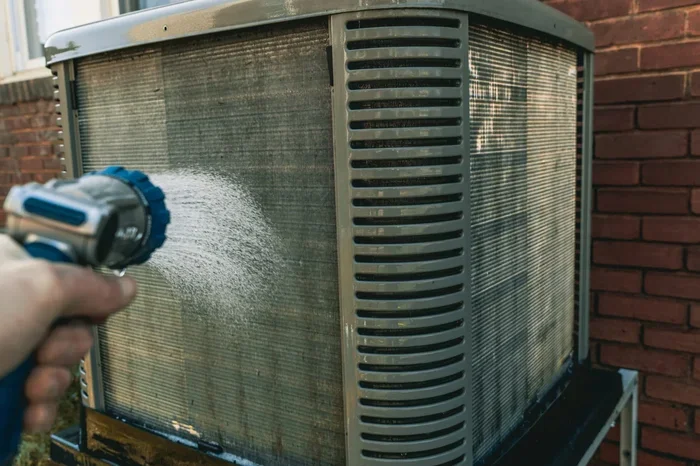
The condenser coils in your outdoor unit release heat from the refrigerant. When these coils become clogged with dirt, debris, and grime, they cannot release heat efficiently. This causes the system to run hotter and longer, which leads to compressor overheating. Dirty coils are one of the most preventable causes of compressor failure. Regular cleaning and maintenance keep the coils in good condition and reduce stress on the compressor.
Electrical Issues and Power Surges
Electrical problems can damage your compressor in several ways. Power surges from lightning strikes or grid fluctuations can overwhelm the compressor motor and burn out its windings. Loose wiring connections create resistance that generates excess heat. A failing compressor capacitor may not provide enough starting power, which forces the compressor to draw extra current during startup. These electrical issues are among the most common reasons compressors fail prematurely.
Lack of Regular HVAC Maintenance
Skipping routine maintenance is one of the leading causes of compressor failure. When filters are clogged, coils are dirty, and refrigerant levels are not checked regularly, the entire system operates under strain. A compressor that runs under stressful conditions every day will wear out much faster than one that receives proper care. Annual tune-ups from a qualified HVAC technician can catch small problems before they turn into expensive compressor failures.
Age and Normal Wear
Even with perfect maintenance, compressors do not last forever. Most HVAC compressors have a lifespan of 15 to 20 years. As the compressor ages, internal components wear down, efficiency drops, and the risk of failure increases. If your compressor is over 15 years old and showing other signs of trouble, replacement may be the most practical solution.
How to Diagnose a Bad HVAC Compressor
If you suspect your compressor is failing, there are several diagnostic steps you can take before calling a professional. Some checks are simple enough for any homeowner, while others require the expertise of a licensed HVAC technician.
Check the Thermostat Settings
Before you assume the compressor is bad, make sure your thermostat is set correctly. Set the temperature a few degrees below the room temperature and switch the system to cooling mode. Listen for the outdoor unit to kick on. If the fan is running but the compressor is not, that is a strong indicator of a compressor problem.
Listen for Unusual Sounds
Stand near the outdoor unit and listen carefully when the system starts. A healthy compressor produces a steady, low humming sound. Any grinding, screeching, or loud banging means you should call a professional right away. These sounds often indicate internal mechanical damage that will only get worse with time.
Check the Airflow from Your Vents
Place your hand in front of a supply vent and feel the air temperature. The air should feel noticeably cooler than the room temperature. If the air feels warm or only slightly cool, the compressor may not be pumping refrigerant correctly. Check multiple vents throughout your home to get an accurate picture.
Inspect the Circuit Breaker
Check your electrical panel to see if the breaker for the AC unit has tripped recently. A breaker that trips repeatedly when the AC starts is a serious warning sign. Do not keep resetting the breaker without having a technician inspect the system. This behavior can indicate electrical issues that pose a safety risk.
Look for Ice or Moisture Around the Unit
Walk around your outdoor unit and look for ice buildup on the copper lines or the unit itself. Also check for any signs of refrigerant leaks, such as oil residue or a hissing sound. Both of these problems can cause compressor damage and should be addressed immediately.
Call a Professional for a Full Diagnostic
The most reliable way to diagnose a bad compressor is to hire a licensed HVAC technician. They have the tools and training to measure refrigerant pressure, test electrical connections, check capacitor health, and evaluate compressor performance. A professional diagnostic gives you a clear picture of what is wrong and what it will cost to fix. Many HVAC companies offer diagnostic services for a reasonable fee, and this small investment can save you from unnecessary replacements.
If you are also considering backup power for your home during outages, understanding how your electrical panel handles HVAC loads is important. You can learn more about proper wiring connections in our guide on how to wire a generator to a breaker box to ensure your HVAC system stays protected during power interruptions.
HVAC Compressor Repair vs Replacement
When a compressor fails, the big question is whether to repair or replace it. The answer depends on several factors, including the age of the system, the cost of the repair, and the extent of the damage.
When Repair Makes Sense
Repair is usually the better option when the compressor is less than 10 years old and the repair cost is reasonable. If the problem is a faulty capacitor, a refrigerant leak, or an electrical issue that does not involve internal compressor damage, a repair can restore full function at a fraction of the cost of replacement. A good HVAC technician will help you weigh the options and recommend the best path forward.
When Replacement Is the Better Choice
Replacement becomes the smarter choice when the compressor is over 15 years old, the repair cost exceeds half the price of a new system, or the compressor has suffered internal mechanical failure. A new compressor is expensive, and installing it in an aging system may not be a smart long-term investment. If your system uses outdated refrigerant like R-22, replacing the entire unit is often the most cost-effective solution. New systems are more energy-efficient, use eco-friendly refrigerants, and come with warranties that give you peace of mind.
Understanding the average compressor replacement cost helps you make an informed decision. The cost of a new compressor and professional installation typically ranges from $1,500 to $3,000 or more, depending on the unit size and local labor rates. Compare this to the cost of a full system replacement, which can range from $5,000 to $10,000 or higher. A professional can help you calculate the numbers and choose the option that makes the most sense for your budget.
How to Avoid Being Overcharged
Get at least two or three quotes from licensed HVAC contractors before committing to any major repair or replacement. Ask each contractor to explain the diagnosis in detail and provide a written estimate that breaks down parts and labor costs. Be wary of contractors who pressure you into an expensive replacement without thoroughly checking for simpler repair options. A trustworthy technician will always give you honest recommendations, not just the most profitable ones.
Preventing HVAC Compressor Failure
The best way to deal with a bad compressor is to prevent one from happening in the first place. Regular maintenance and smart habits can significantly extend the life of your compressor and keep your cooling system running efficiently for years to come.
Schedule Annual Professional Maintenance
An annual HVAC tune-up is the single most important thing you can do for your compressor. During a maintenance visit, a technician will check refrigerant levels, clean the condenser coils, inspect electrical connections, test the capacitor, and evaluate overall system performance. These routine checks catch small problems before they grow into expensive compressor failures. Most homeowners find that the cost of annual maintenance is far less than the cost of a single compressor repair or replacement.
Keep the Outdoor Unit Clean and Clear
Your outdoor condenser unit needs good airflow to release heat properly. Keep the area around the unit free of leaves, dirt, grass clippings, and other debris. Trim back any plants or bushes that are too close to the unit. A clear space of at least two feet around the condenser promotes proper airflow and prevents the system from overheating.
Change Your Air Filters Regularly
Dirty air filters restrict airflow through the system, which forces the compressor to work harder. Check your filters every month during heavy cooling season and replace them when they look dirty. Clean filters protect the compressor, improve indoor air quality, and help your system run more efficiently. This is one of the simplest and most effective things you can do to prevent compressor problems.
Install a Surge Protector
Power surges can damage your compressor and other sensitive electronic components in your HVAC system. Installing a surge protector or a whole-home surge suppression device adds a layer of protection that can save you from expensive repairs. This is especially important in areas that experience frequent thunderstorms or electrical storms.
Monitor Your Energy Bills and System Performance
Pay attention to changes in your energy bills and how your system performs. A gradual increase in cooling costs or a slow decline in cooling performance can be early warning signs of compressor trouble. The sooner you catch these subtle changes, the sooner you can address the problem before it leads to a full compressor failure.
For homeowners who use backup generators during power outages, understanding how long your generator can sustain HVAC operation is important for planning. You can read more about generator runtime in our guide on how long can a generator run to make sure your backup power setup can handle your cooling needs during extended outages.
How Air Quality Components Affect Your HVAC System
Your HVAC system does more than just cool your home. It also plays a major role in indoor air quality. Some homeowners install additional air purification devices, such as an ozone generator, to eliminate odors, kill bacteria, and improve the air they breathe. While these devices can be beneficial, they must be used correctly and in conjunction with a properly functioning HVAC system.
If your compressor is struggling or failing, it can affect how well the entire system circulates air, including any air purification components you may have installed. A failing compressor means reduced airflow and inconsistent cooling, which can undermine the effectiveness of your air quality setup. Understanding what an ozone generator does and how it integrates with your HVAC system helps you make smarter decisions about indoor comfort. You can learn more about ozone generators and their role in HVAC systems in our article on what is an ozone generator.
When to Replace Your Entire HVAC System
Sometimes the best decision is to replace the entire system rather than just the compressor. This is especially true if your system is over 15 years old, uses an outdated refrigerant, or has multiple failing components. A new system with a high SEER rating will cool your home more efficiently, reduce your energy bills, and come with a comprehensive warranty. When you are comparing options, consider the long-term savings and comfort benefits of a modern, high-efficiency system.
Final Thoughts on HVAC Compressor Health
Your HVAC compressor is one of the most important and expensive components in your entire cooling system. Learning how to tell if your HVAC compressor is going bad empowers you to take action early and avoid costly emergency repairs. The warning signs are there, from unusual noises and warm air to short cycling and rising energy bills. The key is to pay attention and respond quickly when you notice something is wrong.
Regular maintenance, clean filters, and prompt attention to small problems are the best investments you can make in the longevity of your compressor. When a repair or replacement becomes necessary, work with a trusted, licensed HVAC professional who will give you honest advice and fair pricing. Your comfort and your wallet will thank you for taking a proactive approach to compressor care.
Remember that a healthy compressor means a cool, comfortable home through the hottest months of the year. Do not wait until your system completely breaks down. Use the tips and insights from this guide to stay ahead of compressor problems and keep your HVAC system running at its best.
Frequently Asked Questions
Can a bad HVAC compressor still cool your home?
In most cases, a failing compressor will not cool your home effectively. You may notice warm air from the vents, reduced cooling power, or the system running constantly without reaching the set temperature. However, a compressor with minor electrical issues may still operate intermittently. If you suspect your compressor is failing, turn off the system and schedule a professional inspection to prevent further damage.
How much does it cost to replace an HVAC compressor?
The cost of replacing an HVAC compressor typically ranges from $1,500 to $3,000 for the compressor unit and professional installation. However, the total cost can vary based on the size of your system, the type of compressor, and local labor rates. If your system is older and uses outdated refrigerant, replacing the entire unit may be more cost-effective than a compressor-only replacement.
Is it worth replacing an HVAC compressor?
Whether a compressor replacement is worth it depends on the age of your system and the repair cost. If your system is less than 10 years old and the damage is limited to the compressor, replacement is usually a smart investment. However, if the system is over 15 years old or has other major issues, investing in a new, high-efficiency system may save you more money in the long run.
What causes an HVAC compressor to fail prematurely?
The most common causes of premature compressor failure include low refrigerant levels from leaks, dirty condenser coils, electrical issues such as power surges or failing capacitors, and lack of regular maintenance. Running the system with low refrigerant forces the compressor to work harder, which leads to overheating and eventual failure. Addressing small problems early is the best way to prevent premature compressor failure.
Can you run your AC with a bad compressor?
You should not run your AC with a bad compressor. Doing so can cause further damage to the compressor motor, burn out electrical components, and potentially affect other parts of the system such as the compressor clutch and compressor capacitor. If your compressor has failed, turn the system off and call a licensed HVAC technician for diagnosis and repair.
How long does an HVAC compressor last?
A well-maintained HVAC compressor typically lasts between 15 and 20 years. However, factors like usage patterns, maintenance frequency, refrigerant levels, and electrical conditions can significantly affect compressor lifespan. Regular HVAC maintenance, clean filters, and prompt repairs are the best ways to help your compressor reach or exceed its expected lifespan.
=== CONCLUSION ===
Knowing how to tell if your HVAC compressor is going bad puts you in control of your home comfort and your budget. The warning signs are clear once you know what to look for, and catching them early makes all the difference. From unusual noises and warm air to short cycling and rising energy bills, your compressor gives you plenty of clues before it fails completely. Stay proactive with regular maintenance, pay attention to changes in system performance, and work with a trusted HVAC professional when problems arise. Your compressor, your cooling system, and your wallet will all benefit from the attention and care you provide.