What Size Air Compressor Do I Need for Your Air Tools
Choosing the right air compressor starts with knowing your tool requirements. This guide covers CFM, PSI, tank size, and horsepower so you can match any air compressor size to your specific pneumatic tools. We break it down simply with real examples and quick tips.
You just bought a shiny new set of pneumatic tools. They look great. They feel powerful. But then you ask yourself, “what size air compressor do I need for air tools?” It is a question many DIYers and pros ask every day. The answer is not as hard as you think. This guide walks you through everything you need to know. You will learn about CFM, PSI, tank size, and horsepower. By the end, you will know exactly what to buy.
Air tools are amazing. They are lightweight. They deliver consistent power. And they last a long time if you take care of them. But none of that matters without the right air compressor size. Too small, and your tools will not perform. Too big, and you waste money and space. Finding the sweet spot is the goal. Let us get into it.
Key Takeaways
- Match CFM to your tools: Add up the CFM needs of all tools you plan to use at once.
- PSI matters too: Most air tools need 90 PSI, but some need more or less.
- Tank size affects runtime: Larger tanks give longer tool run time between cycles.
- Horsepower alone is not enough: A big motor with low CFM will still underperform.
- Consider your space and budget: Portable models work great for garages and job sites.
- Duty cycle is often overlooked: Choose a compressor that matches how long you run your tools.
📑 Table of Contents
- Understanding Air Compressor Basics
- What Size Air Compressor Do I Need for Air Tools by Type
- How to Calculate Your Total Air Needs
- Portable vs Stationary Compressors
- Common Mistakes When Sizing an Air Compressor
- Quick Tips for Choosing the Right Compressor
- How Much Should You Spend?
- Maintenance Tips for Your New Compressor
- Final Thoughts
Understanding Air Compressor Basics
Before you pick a unit, you need to understand a few key terms. These numbers are what manufacturers use to rate their machines. Once you know what they mean, shopping becomes easy.
What Is CFM?
CFM stands for cubic feet per minute. It measures how much air the compressor delivers. Every air tool has a CFM requirement listed on its label or in the manual. For example, a simple nail gun might need 2 CFM. A bigger impact wrench could need 5 CFM or more. When you ask “what size air compressor do I need for air tools,” CFM is the first number to check.
Here is a quick tip. Add up the CFM of all the tools you plan to use at the same time. Then add 25 to 30 percent extra. This buffer keeps the compressor from running flat out all the time.
What Is PSI?
PSI means pounds per square inch. It measures air pressure. Most standard air tools work fine at 90 PSI. Some tools need more. Some need less. Always check your tool’s PSI requirement before buying a compressor. Matching PSI ensures your tools run smoothly and safely.
Why Tank Size Matters
The tank holds compressed air. A bigger tank means longer run time between motor cycles. For tools you use in short bursts, a small tank works fine. For tools you run continuously, a larger tank saves the motor from turning on and off too often. Think of it like a gas tank in a car. A bigger tank lets you drive longer before refueling.
Horsepower and Motor Size
Horsepower tells you how hard the motor works. But do not rely on HP alone. A motor with 5 HP but low CFM will still struggle. Look at the full picture: CFM, PSI, and HP together. This gives you the real picture of performance.
What Size Air Compressor Do I Need for Air Tools by Type
Different tools have different needs. A finish nailer is not the same as a sandblaster. Here is a breakdown by common tool types so you can find your match.
Light-Duty Tools
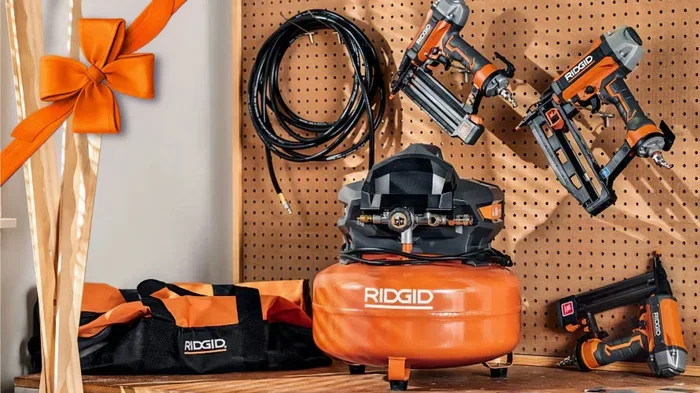
Light-duty tools include things like brad nailers, pin nailers, and small inflators. These tools need very little air. A portable compressor with 1 to 2 CFM and a 1 to 6 gallon tank works great. These are perfect for quick home projects. They are quiet and easy to move around.
If you only plan to use one or two light tools, a small portable air compressor is all you need. Look for something in the 1.5 to 2 HP range. It will keep up without taking up much space.
Medium-Duty Tools
Medium-duty tools include impact wrenches, ratchet wrenches, and larger nail guns. These are the workhorses of many garages. They need more air and pressure. A compressor with 4 to 6 CFM and a 20 to 30 gallon tank is a solid choice. This size handles most garage jobs with ease.
Many mechanics and hobbyists prefer this range. It gives you room to run multiple tools at once. And the tank size keeps the motor from cycling too often. Think of it as the middle ground that covers most needs.
Heavy-Duty Tools
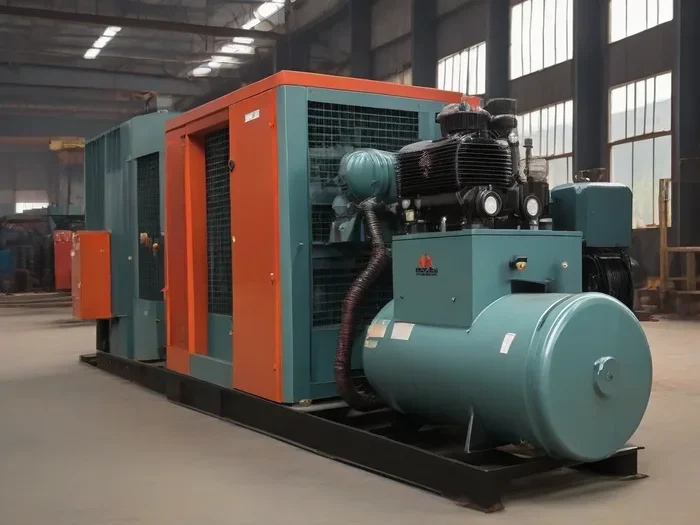
Heavy-duty tools like sandblasters, spray guns, and large impact wrenches demand a lot of air. You need a compressor with 10 CFM or more. A two-stage compressor with a 60 gallon tank or larger is ideal. These machines are built for continuous use.
Two-stage compressors have two pumps. The first stage compresses the air. The second stage compresses it further. This gives you higher pressure and cooler air. It also means the motor does not work as hard. If you run heavy tools all day, this is the way to go.
How to Calculate Your Total Air Needs
Here is where it gets practical. You need to add up the air requirements of all your tools. Do not guess. Write it down.
Follow these steps:
- List every air tool you plan to use.
- Find the CFM and PSI for each tool.
- Pick the highest PSI number from your list.
- Add up the CFM for tools you might run at the same time.
- Multiply that total by 1.25 or 1.3 for a safety margin.
Now you have your target numbers. Look for a compressor that meets or exceeds both the CFM and PSI requirements. This simple math takes the guesswork out of the equation.
Some people also ask about duty cycle. Duty cycle is the percentage of time a compressor can run safely. A 50 percent duty cycle means it runs for 5 minutes out of every 10. If you plan to run tools for long periods, look for a higher duty cycle. Many compressors for workshops offer 70 percent or more.
Portable vs Stationary Compressors
Where you use your tools matters a lot. This affects your choice of air compressor size more than people realize.
Portable Compressors
Portable models are lightweight and easy to move. They come with wheels or handles. Most are 1 to 6 gallons. They work great for garage work and small jobs. If you use a few air tools now and then, a portable unit saves space and money.
One thing to watch out for: small portable compressors may struggle with heavy tools. If you plan to use an impact wrench regularly, go bigger. A 20-gallon portable unit is a good middle option.
Stationary Compressors
Stationary models stay in one place. They are bigger and more powerful. A 60-gallon or 80-gallon stationary compressor can run multiple heavy tools at once. These are perfect for dedicated workshops and professional garages.
Stationary units cost more upfront. But they last longer and perform better under heavy use. Think of it like the difference between a what size generator to run power tools setup and a small backup unit. You get what you pay for.
Common Mistakes When Sizing an Air Compressor
Avoiding mistakes saves you time and money. Here are the most common errors people make.
- Buying based on horsepower alone. HP does not tell the full story. A compressor with high HP but low CFM will not keep up.
- Ignoring the safety margin. Always add 25 to 30 percent extra CFM. Running a compressor at full capacity shortens its life.
- Choosing a tank that is too small. Small tanks cause the motor to cycle on and off constantly. This wears out parts faster.
- Not checking PSI requirements. Some tools need 100 PSI or more. A compressor rated at 90 PSI will not deliver full performance.
- Forgetting about oil-free vs oil-lubricated. Oil-free models need less maintenance. Oil-lubricated models run cooler and last longer under heavy use.
Take your time before you buy. Read the specs. Compare models. A few extra minutes of research now save headaches later.
Quick Tips for Choosing the Right Compressor
Here are some fast tips to keep in mind. These help you make a confident decision.
- Always check your tool manuals for exact CFM and PSI numbers.
- Choose a compressor that exceeds your needs by 25 percent.
- Go oil-free if you want low maintenance.
- Pick a two-stage model for heavy or continuous use.
- Consider noise levels if you work in a shared space.
- Look for a quick-connect fitting system for easy tool changes.
- Check the warranty and parts availability before buying.
Like choosing the right what size generator for whole house needs, picking the right compressor is all about matching capacity to demand. The same logic applies whether you are powering a shop or a home.
How Much Should You Spend?
Air compressors range from under $200 to over $2,000. Your budget depends on what you need. A basic portable unit for light tools costs around $150 to $300. A mid-range 20-gallon model for garage work runs $400 to $700. Heavy-duty two-stage units can cost $1,000 or more.
Think of it this way. A how much is a generator for a 2 car garage setup is similar in cost range to a quality compressor for the same space. You do not need to spend the most. You need to spend smart.
Set a budget based on your tool needs. Then find the best compressor within that range. Spending a little more on quality now saves repair costs later.
Maintenance Tips for Your New Compressor
Once you find the right air compressor size, keep it running well with basic maintenance. A well-maintained compressor lasts for years.
- Drain the tank after every use. Moisture builds up and causes rust.
- Check the oil level regularly if you have an oil-lubricated model.
- Inspect hoses for leaks or cracks.
- Clean the air filter monthly.
- Tighten fittings and connections periodically.
- Store the compressor in a dry, ventilated area.
These simple steps keep your compressor running strong. They also keep your air tools performing at their best.
Final Thoughts
So, what size air compressor do I need for air tools? The answer depends on your tools, your space, and your budget. Start with CFM and PSI numbers from your tool list. Add a safety margin. Choose a tank size that fits your usage. And pick a portable or stationary model based on where you work.
Getting the air compressor size right makes all the difference. Your tools perform better. The compressor lasts longer. And you save money on energy and repairs. Take the time to match the compressor to your needs. You will be glad you did.
Whether you are a weekend warrior or a full-time professional, the right compressor is the backbone of any air tool setup. Do your homework. Make a smart choice. And enjoy the power of compressed air for years to come.
Frequently Asked Questions
What size air compressor do I need for air tools like nail guns?
Most nail guns need 2 to 4 CFM at 90 PSI. A small portable compressor with 2 to 3 CFM works perfectly for these tools. If you plan to use multiple nail guns at once, go for a 4 to 6 CFM unit.
Can I run multiple air tools at the same time?
Yes, but you need a compressor with enough total CFM. Add up the CFM of all the tools you want to run together. Then add 25 percent extra. This ensures the compressor keeps up without overworking.
Do I need a two-stage compressor for home use?
Most home users do fine with a single-stage compressor. Two-stage models are better for continuous heavy use or professional shops. If you only use tools occasionally, a single-stage unit saves money and works great.
How important is tank size for air tools?
Tank size affects how long your tools run between motor cycles. A bigger tank means less cycling and longer tool run time. For short bursts, a small tank works. For continuous use, choose a larger tank.
What happens if my compressor is too small for my tools?
A too-small compressor will struggle to keep up with demand. Your tools will lose power. The motor will overheat and cycle constantly. This shortens the life of both the compressor and your tools.
Is a portable compressor good enough for garage work?
Yes, for most garage tasks a portable compressor works well. Look for at least 4 to 6 CFM and a 20-gallon tank. This handles the majority of common garage air tools without any problem.
=== CONCLUSION ===
Finding the right what size air compressor do I need for air tools comes down to understanding your tools and matching them to the right compressor. Focus on CFM, PSI, tank size, and duty cycle. Avoid common mistakes like ignoring the safety margin or choosing based on horsepower alone. With the right setup, your air tools will perform at their best for years to come. Take the time to plan, compare, and choose wisely. Your workshop will thank you.