iPower Generator The Ultimate Home Backup Power Solution
The iPower generator is a reliable, fuel-efficient home backup power solution designed to keep your household running during outages. With easy startup features, quiet operation, and durable construction, this portable generator delivers consistent electricity when you need it most. Whether you’re facing storms, grid failures, or off-grid scenarios, the iPower generator offers affordable protection and peace of mind for every homeowner.
Key Takeaways
- The iPower Generator delivers reliable backup power when you need it most.
- Choose the right iPower model based on your home’s energy needs.
- Regular maintenance keeps your iPower Generator running smoothly for years.
- iPower Generators offer fuel-efficient operation, saving you money over time.
- Install your iPower Generator in a well-ventilated area for safety.
- The iPower Generator provides seamless automatic switching during power outages.
- Invest in an iPower Generator for long-term home energy protection.
📑 Table of Contents
- What Is an iPower Generator and Why Do You Need One at Home
- Key Features That Make the iPower Generator a Smart Choice
- How to Choose the Right iPower Generator for Your Home
- Setting Up Your iPower Generator Safely
- Maintenance Tips to Keep Your iPower Generator Running Strong
- iPower Generator vs. Other Home Backup Options
- Common Mistakes to Avoid with Your iPower Generator
- How an iPower Generator Fits Into Your Home Power Plan
- Final Thoughts on the iPower Generator
What Is an iPower Generator and Why Do You Need One at Home
Power outages can strike without warning. Storms roll in, equipment fails, or the grid simply goes down when you least expect it. An iPower generator gives you a reliable backup that keeps your home running when the lights go out.
The iPower generator line offers portable and home-ready options designed for everyday families. These units deliver steady power to keep your essentials running. Think refrigerators, medical devices, Wi-Fi routers, and heating systems.
Many homeowners are turning to portable power solutions for peace of mind. The iPower generator stands out because it balances affordability with real performance. You do not need a degree in engineering to operate one either.
In this guide, we walk you through everything you need to know. We cover features, setup steps, maintenance tips, and how to pick the right model for your household. By the end, you will feel confident about your home backup power choice.
Key Features That Make the iPower Generator a Smart Choice
The iPower generator comes loaded with features that matter for everyday use. Let us break down what makes these units worth your attention.
Portable Design for Easy Movement
Most models weigh between 50 and 100 pounds. That means you can move them around your property with ease. The compact frame fits in a garage corner or a storage shed without taking up much space. Wheels and carry handles make transport simple even for one person.
Multiple Outlet Options
A good iPower generator gives you several outlet types. You get standard 120V household outlets, USB ports, and sometimes 240V options. This flexibility lets you plug in multiple devices at once. No need for a bunch of extension cords cluttering your space.
Fuel Efficiency That Saves You Money
Fuel costs add up fast, especially during long outages. The iPower generator uses efficient engines that stretch every gallon. Some models run for 8 to 12 hours on a single tank at partial load. That is plenty of coverage through a typical overnight blackout.
Quiet Operation
Nobody wants a generator that sounds like a jet engine. Newer iPower generator models use inverter technology to reduce noise. You can run one at night without disturbing your sleep or your neighbors. Most units operate around 60 decibels, which is about the level of a normal conversation.
How to Choose the Right iPower Generator for Your Home
Not all homes need the same size generator. Picking the right iPower generator starts with understanding your power needs. Here is a simple way to figure it out.
Step 1: List Your Essential Appliances
Sit down and write out the devices you cannot live without during an outage. Common essentials include:
- Refrigerator (startup wattage around 1,200 to 2,000 watts)
- Sump pump (1,000 to 2,000 watts)
- Wi-Fi router and modem (20 to 50 watts)
- Medical equipment (check device labels for exact wattage)
- Window air conditioner (1,500 to 2,500 watts)
- Lights and phone chargers (100 to 300 watts total)
Step 2: Add Up the Total Wattage
Once you have your list, add the running wattage of each item. Then check the startup wattage for motor-driven appliances. The iPower generator you choose should handle both numbers comfortably. Always add a 20 percent buffer for safety.
Step 3: Match the Generator Size to Your Needs
Small portable units (2,000 to 3,000 watts) work well for basic essentials. Mid-size models (4,000 to 6,000 watts) can handle most homes. Larger units (7,000+ watts) support full-house backup. The iPower generator lineup covers all these ranges.
Quick Tip
Do not buy the biggest generator just because you can. Oversized units waste fuel and cost more upfront. Match the size to your actual needs for the best value.
Setting Up Your iPower Generator Safely
Proper setup is critical for safety and performance. A wrong installation can damage your home or even put lives at risk. Follow these steps carefully every time you use your iPower generator.
Always Place It Outdoors
Generators produce carbon monoxide, an invisible and deadly gas. Never run an iPower generator inside your home, garage, or basement. Place it at least 20 feet from any door, window, or vent. Point the exhaust away from your house and neighbor’s windows.
Use the Right Extension Cords
Only use outdoor-rated cords that are rated for the wattage you plan to draw. Thicker cords with lower gauge numbers handle more power safely. A 10-gauge or 12-gauge cord works well for most iPower generator setups.
Connect to Your Breaker Box Properly
If you want to power hardwired systems like your furnace or well pump, you need a proper transfer switch. Hooking up a generator to your breaker box requires a licensed electrician in most areas. This setup prevents backfeed that can endanger utility workers.
Fuel Safety Matters
Store fuel in approved containers away from living spaces. Let the engine cool before refueling. Using the right fuel type prevents damage and keeps your iPower generator running smoothly for years.
Maintenance Tips to Keep Your iPower Generator Running Strong
A generator is only as good as its maintenance routine. Taking care of your iPower generator ensures it starts when you need it most. These simple habits make a big difference.
Run It Monthly
Even if the power never goes out, start your generator once a month. Let it run for 15 to 20 minutes under a light load. This keeps the engine lubricated and the battery charged. It also lets you catch small problems before they become big ones.
Change the Oil Regularly
Check the oil level before every use and change it according to the manufacturer schedule. For most iPower generator models, an oil change after every 100 hours of run time is standard. Fresh oil keeps the engine running clean and cool.
Use Quality Fuel and Stabilizer
Gasoline goes bad after about 30 days. Add fuel stabilizer if you plan to store your iPower generator for extended periods. Some owners prefer to use synthetic oil for better engine protection. Using synthetic oil in a generator can extend engine life and improve performance in extreme temperatures.
Keep the Air Filter Clean
A dirty air filter reduces efficiency and can cause the engine to stall. Check the filter every few uses and clean or replace it as needed. This is one of the easiest maintenance tasks you can do.
Store It Properly When Not in Use
Where you store your generator affects its longevity. Keep it in a dry, ventilated area away from direct sunlight. Proper generator storage protects the unit from moisture damage and extends its lifespan significantly.
iPower Generator vs. Other Home Backup Options
There are several ways to keep your home powered during an outage. Let us compare the iPower generator against other common options so you can make an informed decision.
Portable Generator vs. Standby Generator
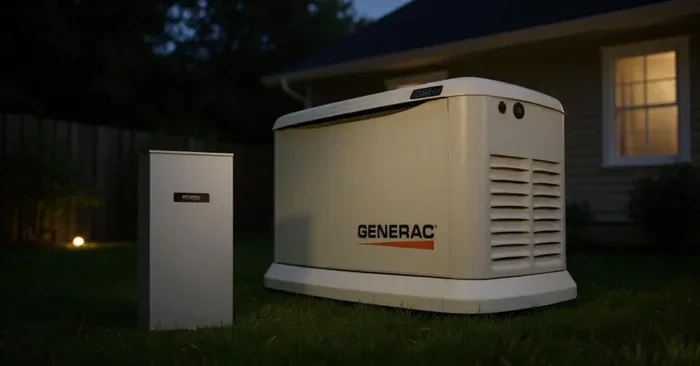
A portable iPower generator is affordable and easy to move around. It runs on gasoline or propane and requires manual setup. A standby generator installs permanently outside your home and kicks on automatically during an outage. Standby units cost more but offer greater convenience and higher power output.
Generator vs. Battery Backup System
Battery backup systems like the Tesla Powerwall or Generac PWRcell are gaining popularity. They run silently and produce zero emissions. However, they have limited runtime compared to a fuel-powered iPower generator. Battery systems also cost significantly more upfront. For many homeowners, a portable generator offers the best balance of cost and reliability.
Generator vs. Solar Panel System
Solar panels paired with batteries can power a home during the day. But they do not work at night or during heavy cloud cover. An iPower generator works regardless of weather or time of day. Some homeowners combine both for the best of both worlds.
Comparison Table
| Feature | iPower Portable Generator | Standby Generator | Battery Backup |
|---|---|---|---|
| Average Cost | $500 – $1,500 | $3,000 – $10,000 | $5,000 – $15,000 |
| Runtime | 8 – 12 hours per tank | 24 – 72+ hours (continuous fuel) | 4 – 12 hours (depending on load) |
| Noise Level | 60 – 70 dB | 50 – 65 dB | Silent |
| Setup Complexity | Easy (portable) | Professional installation needed | Moderate |
| Fuel Source | Gasoline / Propane | Natural Gas / Propane | Electric (grid or solar) |
| Portability | High | None (permanent) | Low |
Common Mistakes to Avoid with Your iPower Generator
Even experienced users make mistakes that can damage their equipment or create safety hazards. Here are the most common ones to watch out for.
- Overloading the generator. Plugging in too many devices at once can trip the breaker or damage the engine. Know your wattage limits and stay under them.
- Running it in enclosed spaces. Carbon monoxide kills silently. Always operate your iPower generator outdoors in a well-ventilated area.
- Neglecting oil changes. Running on low or dirty oil causes engine wear over time. Check it every use.
- Using old gasoline. Stale fuel clogs the carburetor and causes starting problems. Use fresh fuel and add stabilizer for storage.
- Skipping the owner manual. Every iPower generator model has specific instructions. Reading the manual takes 15 minutes and saves you from costly mistakes.
How an iPower Generator Fits Into Your Home Power Plan
Owning a generator is just one piece of a solid home power strategy. Combining your iPower generator with a few smart practices gives you the best protection.
Create a Power Outage Kit
Keep a box ready with flashlights, batteries, blankets, bottled water, and non-perishable food. When the power goes out, you do not want to scramble for supplies. Having everything on hand makes the outage manageable and less stressful.
Know Your Power Usage Habits
Understanding how much power your household uses helps you plan better. Using a generator for house backup works best when you know which circuits matter most. Prioritize essentials and cut back on non-urgent devices during an outage.
Plan for Longer Outages
Major storms can knock out power for days. Make sure you have enough fuel on hand for extended runtime. A 20-gallon fuel container gives you several days of backup power with a well-managed iPower generator. Always store fuel safely and follow local regulations.
Share Knowledge with Family Members
Make sure everyone in your household knows how to start the generator and where it is stored. During a real emergency, you do not want to figure it out for the first time in the dark. A quick family briefing before storm season goes a long way.
Final Thoughts on the iPower Generator
The iPower generator delivers dependable backup power at a price most families can afford. It gives you control when the grid fails. Whether you face a 2-hour outage or a multi-day blackout, a portable generator keeps your essentials running.
Choosing the right size, setting it up safely, and maintaining it regularly are the keys to long-term satisfaction. An iPower generator is an investment in your home’s resilience and your family’s comfort.
Start by assessing your power needs, pick the right model, and follow the setup and maintenance tips in this guide. You will be glad you did the next time the power goes out. Stay prepared, stay safe, and let your iPower generator handle the rest.
Frequently Asked Questions
What is an iPower Generator and How Does It Work?
An iPower generator is a portable or standby backup power system designed to keep your home running during outages. It converts fuel or battery energy into electricity, automatically powering your essential appliances when the grid goes down. With an iPower generator, you get reliable backup power without the hassle of manual setup.
Why Should You Choose an iPower Generator for Home Backup?
An iPower generator offers a cost-effective and dependable solution when storms, blackouts, or emergencies knock out your electricity. It provides clean, stable power that safely runs your refrigerator, lights, and medical devices. Choosing an iPower generator means peace of mind knowing your family stays comfortable and safe no matter what.
How Much Power Can an iPower Generator Produce?
iPower generators come in various sizes, ranging from compact units that handle basic essentials to larger models capable of powering your entire home. A typical portable iPower generator delivers between 3,000 and 8,000 watts, which is enough for lights, a fridge, and a few electronics. You can match the wattage to your specific needs by adding up the power requirements of the devices you want to run.
Is an iPower Generator Easy to Use for Beginners?
Yes, most iPower generators are designed with user-friendly features like push-start buttons, clear control panels, and simple fuel connections. Many models also include automatic startup, so the generator kicks in within seconds of a power outage. Even if you have never used a generator before, setting up an iPower generator is straightforward and takes just minutes.
How Do You Maintain an iPower Generator for Long-Term Reliability?
Regular maintenance keeps your iPower generator running smoothly when you need it most. You should check the oil level, replace air filters, and run the unit for a few minutes monthly to keep the engine in good shape. Storing fuel properly and following the manufacturer’s service schedule will extend the life of your iPower generator significantly.
Can an iPower Generator Power a Whole House?
While smaller portable iPower generators are best for powering key appliances, standby models can be wired directly into your home’s electrical panel. A whole-house iPower generator system automatically detects power loss and restores electricity to every circuit in your home. For full-home coverage, you will need a higher-wattage standby unit and professional installation.