How to Hook Up a Generator to Your Breaker Box at Home
Hooking up a generator to your breaker box gives you reliable backup power during outages. This guide walks you through every step, from choosing the right transfer switch to safe wiring practices. You will learn how to connect a portable generator or standby unit properly, avoid dangerous mistakes, and keep your home running smoothly when the grid goes down.
Power outages can hit without warning. Storms, grid failures, or equipment problems can leave your home in the dark for hours or even days. That is exactly why knowing how to hook up generator to breaker box is such a valuable skill. Whether you own a portable generator or a whole-home standby unit, connecting it to your electrical panel gives you the backup power you need to stay comfortable and safe.
But here is the thing. This is not a project you should take lightly. Electrical work carries real risks, from shock hazards to fire dangers. And if you do it wrong, you could damage your home’s wiring or even endanger the lives of utility workers. This guide breaks down the entire process in simple, clear steps. You will learn about transfer switches, wiring methods, safety precautions, and common mistakes to avoid. By the end, you will have a solid understanding of how to set up your generator the right way.
Key Takeaways
- Use a transfer switch: It is the safest and most legal way to connect a generator to your electrical panel.
- Never backfeed your panel: Sending power backward through outlets can electrocute utility workers and damage your wiring.
- Choose the right generator size: Match the wattage capacity to the circuits you want to power during an outage.
- Hire a licensed electrician: For most homeowners, professional installation ensures code compliance and safety.
- Install an interlock kit or automatic transfer switch: These options provide seamless and safe power switching.
- Test your setup regularly: Run your generator monthly to keep it ready for real emergencies.
📑 Table of Contents
Understanding Your Generator and Breaker Box Setup
Before you dive into the wiring, it helps to understand what you are working with. Your breaker box, also called an electrical panel, distributes power to every circuit in your home. A generator produces electricity on its own. The challenge is connecting the two safely so power flows where it should and nowhere else.
There are two main types of generators you might use for home backup. Let us look at both.
Types of Generators for Home Use
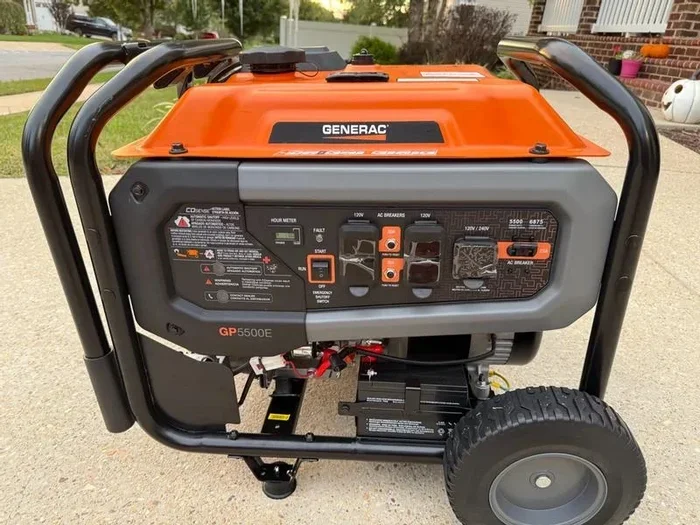
Portable generators are the most common choice for homeowners. They run on gasoline or propane and can power essential circuits like your refrigerator, lights, and phone chargers. These units are affordable and easy to store. However, they require manual setup each time you use them.
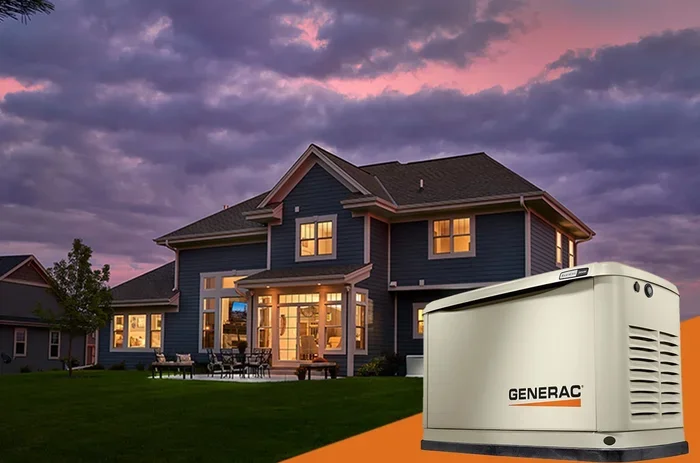
Standby generators are permanent installations outside your home. They connect directly to your natural gas or propane line and kick on automatically during a power outage. These units cost more but offer hands-free convenience. They are ideal for homeowners who want reliable backup without any effort.
No matter which type you own, the way you connect it to your breaker box matters. The goal is to power selected circuits safely without risking your home or the electrical grid.
How Your Breaker Box Works
Your breaker box contains individual circuit breakers. Each one controls power to a specific area of your home. When you flip a breaker off, that circuit stops receiving electricity. When you hook up a generator, you want to route its power through specific breakers only.
The key concept here is isolation. You must ensure that generator power does not flow back into the utility lines. This is called backfeeding, and it is extremely dangerous. Utility workers repairing power lines could be electrocuted by backfed electricity. It is also illegal in most areas and can fry your home’s electrical system.
What You Need Before You Start
Gathering the right tools and equipment before you begin makes the entire process smoother. You do not want to start a job and realize you are missing something important.
Essential Tools and Equipment
Here is a list of what you will need to hook up generator to breaker box safely:
- Generator – either portable or standby, sized appropriately for your needs
- Transfer switch – either manual or automatic, rated for your generator’s wattage
- Generator inlet box – mounted outside your home to connect the generator cord
- Generator cord – a heavy-duty, outdoor-rated cord that matches your setup
- Wire strippers and pliers – for handling electrical connections
- Screwdrivers – both flathead and Phillips for panel work
- Voltage tester – to confirm circuits are dead before you touch anything
- Drill and mounting hardware – for installing the inlet box
Safety Gear You Should Have
Electrical work demands respect for safety. Before you touch any wiring, make sure you have the right protective gear:
- Rubber-soled shoes – they provide insulation against electrical shock
- Insulated gloves – essential when working near live components
- Safety glasses – protect your eyes from sparks or debris
- Non-conductive tools – tools with rubber-coated handles reduce shock risk
Also, always turn off your main breaker before working inside the panel. This ensures no electricity is flowing through the circuits you will be handling. Treat every wire as if it is live until you have confirmed otherwise with a voltage tester.
How to Hook Up Generator to Breaker Box: Step by Step
Now let us get into the actual process. I will walk you through each step clearly so you feel confident moving forward.
Step 1: Choose Your Connection Method
The first decision you need to make is how you will connect the generator to your panel. There are three main methods, and each has pros and cons.
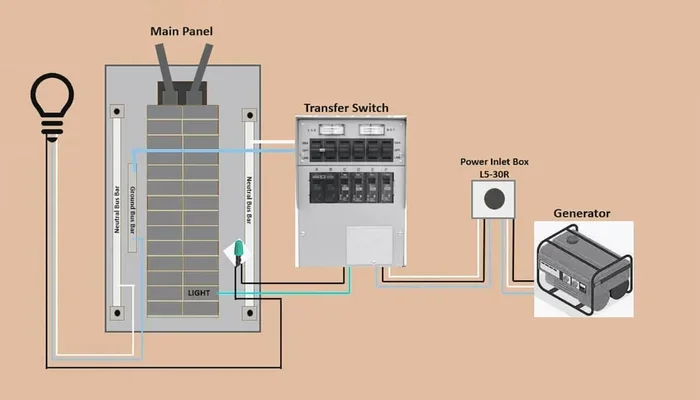
Method 1: Manual Transfer Switch. This is the most common and affordable option. You install a switch between your generator and your breaker box. When the power goes out, you start the generator, plug it in, and manually flip the switch to route generator power to your panel. This method works well with portable generators.
Method 2: Automatic Transfer Switch (ATS). An ATS does everything for you. It detects a power outage, starts your standby generator, and switches your home to generator power automatically. This is the best option for standby generators and homeowners who want zero hassle. However, it costs more and requires professional installation.
Method 3: Interlock Kit. An interlock kit is a budget-friendly alternative to a transfer switch. It prevents you from turning on your main breaker and the generator breaker at the same time, which eliminates the backfeeding risk. It is a simple device that mounts inside your breaker box. However, it does not offer the same convenience as a transfer switch.
| Method | Cost Range | Best For | Requires Electrician? |
|---|---|---|---|
| Manual Transfer Switch | $300 – $800 | Portable generators, essential circuits | Recommended |
| Automatic Transfer Switch | $800 – $2,500+ | Standby generators, whole-home power | Required |
| Interlock Kit | $150 – $400 | Budget-conscious homeowners | Recommended |
For most people learning how to hook up generator to breaker box, a manual transfer switch is the best starting point. It balances safety, cost, and ease of use.
Step 2: Install the Transfer Switch or Inlet Box
Once you have chosen your connection method, it is time to install the hardware. If you are using a manual transfer switch, you will mount it next to your breaker box. If you are using a generator inlet box, you will mount it on the exterior wall of your home.
Here is what the installation process looks like:
- Turn off the main breaker in your panel. Confirm the power is off using a voltage tester.
- Mount the transfer switch or inlet box on the wall next to or outside your breaker box. Use a level to keep it straight.
- Drill a hole through the wall for the generator cord or wiring. Use a weatherproof knockout to seal the entry point.
- Run the wiring from the inlet box to the transfer switch. Follow the manufacturer’s wiring diagram exactly.
- Connect the wires to the appropriate terminals. Typically, you will connect the hot wires to the switch and the ground wire to the grounding bar in the panel.
Take your time with this step. Loose or incorrect wiring can cause fires or equipment damage. If you are unsure about any part of the process, call a licensed electrician. It is always better to be safe than sorry.
Step 3: Wire the Generator to the Panel
With the transfer switch or inlet box installed, you are ready to make the actual connection between your generator and your breaker box.
For a portable generator setup:
- Place the generator outside your home, at least 20 feet away from windows and doors. This prevents carbon monoxide from entering your living space.
- Start the generator and let it run at steady speed.
- Plug the generator cord into the generator’s output outlet.
- Route the cord through the weatherproof hole to the inlet box outside your home.
- Connect the cord to the inlet box securely.
- Go inside and flip the transfer switch to the “generator” position.
For a standby generator setup:
- The standby generator is already permanently wired to the automatic transfer switch.
- When the ATS detects a power outage, it signals the generator to start.
- Once the generator reaches full power, the ATS switches your home’s circuits to generator power automatically.
- When utility power returns, the ATS switches back and the generator shuts down.
In both cases, make sure you only connect circuits that the generator can handle. Overloading your generator causes it to shut down or trip breakers. Check the wattage capacity of your generator before powering any appliance or device.
Step 4: Test the System
Testing is one of the most important steps, and many people skip it. Do not make that mistake. Testing confirms everything works and gives you confidence for real emergencies.
Here is how to test your setup:
- Turn off all breakers in your panel except the ones you want to run on generator power.
- Start the generator and let it stabilize for a few minutes.
- Flip the transfer switch to the generator position.
- Turn on one breaker at a time. Wait a few seconds between each one. This prevents a power surge that could trip the generator’s breaker.
- Monitor the generator’s load. Most generators have a wattage meter or indicator light. Stay well below the maximum capacity.
- Run the system for at least 15 minutes. This gives the generator time to warm up and lets you check for any unusual sounds or smells.
If everything works smoothly, you are in great shape. If you notice flickering lights, unusual noises, or the generator shutting down, turn everything off and check your connections. You may be overloading the system or have a wiring issue that needs attention.
Common Mistakes to Avoid
Even with the best intentions, mistakes happen. Here are the most common errors people make when hooking up a generator, and how to avoid them.
Backfeeding the Panel
This is the number one mistake. Backfeeding means plugging your generator directly into a wall outlet inside your home. The electricity then flows backward through your wiring and into the utility lines. This is incredibly dangerous. It can kill utility workers and is illegal in most states. Always use a transfer switch or interlock kit to prevent backfeeding.
Overloading the Generator
Every generator has a maximum wattage capacity. If you try to power too many circuits at once, you will overload it. The generator will shut down, and in some cases, it can cause damage to your appliances. Make a list of the essential circuits you need during an outage and add up their wattage before you start. Stay at least 20% below the generator’s maximum capacity to be safe.
Using the Wrong Cord or Wiring
Not all cords and wires are created equal. Using a cord that is not rated for outdoor use or that cannot handle the amperage creates a fire hazard. Always use heavy-duty, weather-resistant cords that match your generator’s output. Check the label on the cord for its amperage rating and make sure it exceeds your total load.
Skipping the Grounding Step
Grounding your generator is essential for safety. A proper ground connection protects you from electrical shock and prevents damage to your equipment. Most portable generators come with a grounding rod or grounding bolt. Follow the manufacturer’s instructions to ensure your generator is properly grounded before you connect it to your home.
Forgetting to Turn Off the Main Breaker
This sounds obvious, but it happens more often than you would think. If you forget to turn off the main breaker before working on your panel, you could be working with live wires. Always confirm the power is off with a voltage tester before making any connections inside the breaker box.
Safety Tips Every Homeowner Should Know
Working with electricity demands respect. These safety tips will help you stay protected while using your generator.
Always run your generator outdoors. Generators produce carbon monoxide, which is odorless and deadly. Never operate a generator inside your home, garage, or shed. Keep it at least 20 feet from any window, door, or vent.
Let the generator cool before refueling. Spilling gasoline on a hot engine can start a fire. Always turn off the generator and wait for it to cool before adding fuel.
Use surge protection. Connect sensitive electronics like computers and TVs through a surge protector. Generator power can be less stable than utility power, and surges can damage your devices.
Store fuel safely. Keep gasoline in approved containers in a well-ventilated area away from your home. Gasoline is flammable and should never be stored near heat sources or pilot lights.
Install carbon monoxide detectors. Even if you run your generator outside, CO can still find its way into your home. Make sure you have working CO detectors on every level of your house.
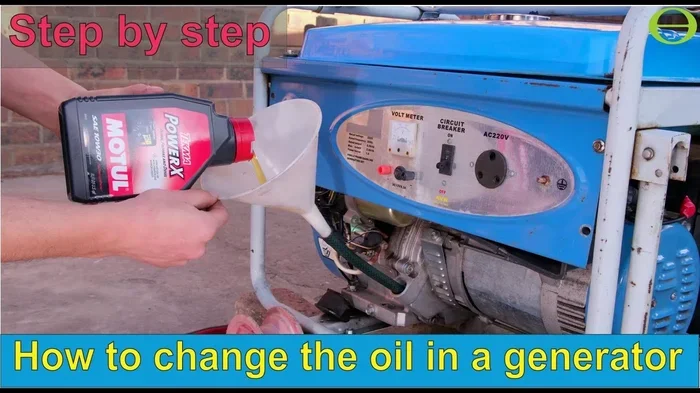
Schedule regular maintenance. Just like your car, your generator needs regular care. Change the oil, check the spark plug, and test the fuel system at least once every few months. A well-maintained generator is a reliable generator.
When to Call a Professional
There is no shame in calling a licensed electrician. If you are uncomfortable with any part of the process, it is perfectly fine to hire a professional. A licensed electrician will ensure your installation meets local electrical codes and is safe for your family.
You should definitely call a professional if:
- You are unsure about any wiring connections
- Your breaker box is older and may need upgrades
- You want to install an automatic transfer switch
- You need help sizing your generator for your home’s electrical needs
- Local codes require a licensed professional for generator installations
Many electricians offer free estimates and can help you choose the right equipment for your home. Investing in professional installation gives you peace of mind and protects your home’s electrical system for years to come.
Final Thoughts on How to Hook Up Generator to Breaker Box
Knowing how to hook up generator to breaker box is one of the most practical skills a homeowner can have. Power outages are unpredictable, and having a solid backup power plan keeps your family safe and comfortable when the lights go out. From choosing the right transfer switch to testing your connections, every step matters.
Remember to always prioritize safety. Never backfeed your panel, always use a transfer switch or interlock kit, and when in doubt, hire a licensed electrician. With the right setup and a little practice, you will have reliable backup power ready whenever you need it. Take the time to test your system regularly, keep your fuel fresh, and maintain your generator. A little preparation goes a long way toward keeping your home running no matter what the weather brings.
Frequently Asked Questions
Can I hook up a generator to my breaker box without a transfer switch?
You can use an interlock kit as a simpler alternative, but you should never plug a generator directly into a wall outlet. A transfer switch or interlock kit prevents backfeeding and keeps your home and utility workers safe. Most electricians strongly recommend using one of these methods.
What size generator do I need to power my house?
The size depends on how many circuits you want to run. A portable generator between 5,000 and 8,000 watts can handle essential circuits like your refrigerator, lights, and furnace. A standby generator rated at 10,000 to 20,000 watts can power your entire home. Add up the wattage of the devices you want to run and choose a generator that exceeds that total by at least 20 percent.
Is it legal to connect a generator to my breaker box?
Yes, it is legal as long as you use a proper transfer switch or interlock kit and follow local electrical codes. Backfeeding through an outlet is illegal in most areas because it poses a serious danger to utility workers. Always check with your local building department for specific requirements.
How far should my generator be from my house?
Place your generator at least 20 feet away from your home, with the exhaust pointing away from windows and doors. This distance prevents carbon monoxide from entering your living space. Always run a generator outdoors in a well-ventilated area.
Do I need an electrician to install a generator connection?
While some homeowners with electrical experience can install a manual transfer switch themselves, hiring a licensed electrician is strongly recommended. An electrician ensures the installation meets local codes, is safe, and will not void your home insurance. For automatic transfer switches, professional installation is almost always required.
How often should I test my generator setup?
You should test your generator at least once a month. Run it for 15 to 30 minutes under load to confirm everything works properly. Regular testing also keeps the engine and fuel system in good condition. Replace stored fuel every six months to prevent it from going stale.