L14-30 Generator Cord Explained – What You Need to Know
The L14-30 generator cord is a 30-amp power cable designed for connecting portable generators to appliances, RVs, and backup systems. It uses a NEMA L14-30 plug with a locking mechanism to keep your connection secure and safe. Whether you need it for home backup power, welding, or RV trips, this guide covers what you need to know.
If you own a portable generator, you have probably heard of the L14-30 generator cord. It is one of the most common power cords used in the generator world. You will find it on everything from home backup systems to RV setups and welders.
But what exactly makes this cord so popular? And more importantly, how do you pick the right one for your needs? This guide breaks it all down in simple terms. You will learn what the L14-30 is, how it works, and how to use it safely. By the end, you will feel confident choosing and using your cord.
The L14-30 generator cord is not just another cable. It has a specific design that handles 30 amps of power at 120/240 volts. That makes it versatile enough for many different jobs. Let us dive into the details.
Key Takeaways
- What it is: The L14-30 generator cord is a 30-amp, 120/240V power cord with a locking NEMA plug.
- Key feature: The twist-lock connector prevents accidental disconnections during use.
- Common uses: Home backup power, RV hookups, welders, and heavy-duty appliances.
- Safety matters: Always match the cord gauge and length to your generator’s output.
- Buying tip: Look for weather-resistant jackets and quality connectors for durability.
- Not all cords are equal: The L14-30 differs from L5-30 and L6-30 in voltage and pin configuration.
📑 Table of Contents
- What Is an L14-30 Generator Cord?
- Why the L14-30 Cord Is So Popular
- How to Choose the Right L14-30 Generator Cord
- Installing and Using Your L14-30 Generator Cord
- L14-30 vs Other Generator Cord Types
- Safety Tips for Your Generator Cord
- Common Problems and How to Fix Them
- Final Thoughts on the L14-30 Generator Cord
What Is an L14-30 Generator Cord?
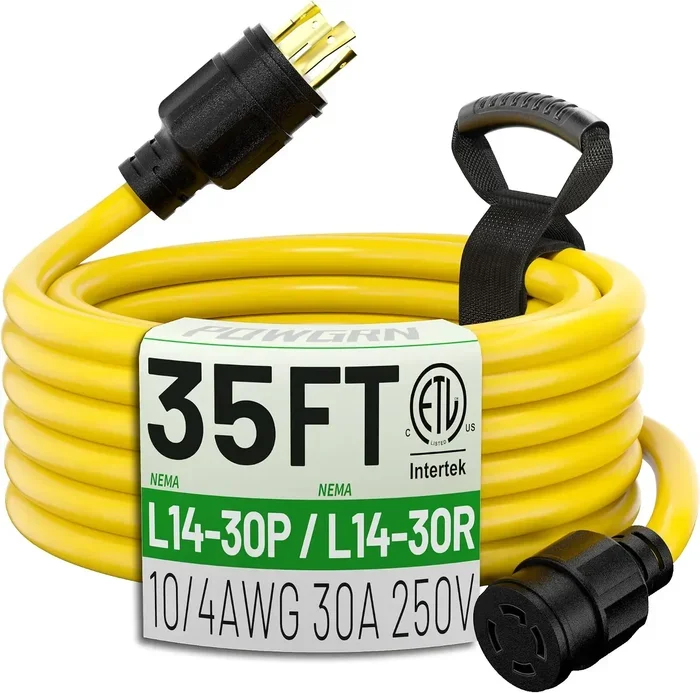
The L14-30 generator cord is a 30-amp power cable built for generator power connections. It uses a NEMA L14-30 plug and receptacle. The “L” stands for locking, the “14” refers to the 120/240-volt rating, and the “30” means 30 amps.
This cord has four prongs arranged in a specific pattern. Two hot wires, one neutral, and one ground. This setup allows it to deliver both 120V and 240V power. That is why it is so widely used across different applications.
Understanding the NEMA L14-30 Plug
The NEMA L14-30 plug is the heart of this cord. It has a unique twist-lock design. You insert the plug into the receptacle and then twist it to lock it in place. This feature is a big deal for safety.
Unlike regular plugs that can wiggle loose, the L14-30 locking connector stays put. It is especially useful when your generator is running and powering important devices. You do not want a cord pulling out mid-use.
Key Specs to Know
Here are the basic specs of the L14-30 generator cord:
- Amperage: 30 amps
- Voltage: 120/240 volts
- Prongs: 4 (two hot, one neutral, one ground)
- Connector type: Twist-lock NEMA L14-30
- Typical cord length: 10 to 25 feet
- Common wire gauge: 10 AWG
These numbers matter a lot when you are choosing a cord. Using the wrong specs can lead to overheating or even fire. Always double-check your generator manual before buying a cord.
Why the L14-30 Cord Is So Popular
The L14-30 generator cord has been around for decades. It remains a go-to choice for many generator owners. But why? There are several good reasons.
Versatility Across Uses
One of the biggest advantages of the L14-30 is its versatility. You can use it for home backup power during outages. You can use it for RV camping trips. Welders and other heavy tools also rely on this cord type.
This wide range of uses makes it a smart investment. Instead of buying multiple cords, one L14-30 can handle many jobs. That saves you money and storage space.
Safe and Secure Connection
The twist-lock design is a major safety feature. When your generator is running, vibrations can loosen regular plugs. The L14-30 locking connector resists this. It stays locked in place even on bumpy surfaces or windy days.
This secure connection also reduces the risk of electrical arcing. Arcing happens when a loose connection sparks. The locking mechanism helps prevent that entirely.
Widely Available and Affordable
Because the L14-30 is so common, it is easy to find. Most hardware stores carry it. Online retailers have plenty of options too. The price is also very reasonable. A good quality L14-30 cord typically costs between 20 and 50 dollars.
When you compare it to other generator cords, the value is clear. You get a safe, reliable connection at a fair price.
How to Choose the Right L14-30 Generator Cord
Not all L14-30 cords are created equal. There are important differences to consider before you buy. Picking the right one ensures safe and efficient power delivery.
Cord Length Matters
The length of your cord affects performance. Longer cords have more electrical resistance. This can cause voltage drop, especially under heavy load.
For most setups, a 10 to 15 foot cord works great. If you need more distance, consider a 20 or 25 foot cord. Just make sure it is rated for 30 amps. A cord that is too long or too thin can overheat.
Wire Gauge and Ampacity
Wire gauge is the thickness of the cord’s internal wires. For a 30-amp L14-30 generator cord, 10 AWG is the standard. This gauge handles 30 amps safely without overheating.
Do not use an 8 or 6 gauge cord unless your generator specifically requires it. Thicker wire is not always better. It just adds unnecessary bulk and cost. Match the gauge to your amperage needs.
Weather Resistance and Jacket Material
If you plan to use your cord outdoors, look for a weather-resistant jacket. Many L14-30 cords use vinyl or rubber jackets. Rubber is more durable and flexible in cold weather. Vinyl is lighter and more affordable.
For generator owners who store their cords outside, a weather-resistant jacket is a must. It protects the cord from UV rays, rain, and temperature changes. This extends the life of your cord significantly.
Locking Connector Quality
Not all twist-lock connectors are the same. Cheap connectors can wear out fast. They may not lock properly, creating a safety hazard. Look for cords with gold-plated or brass contacts.
A quality cord lock connector ensures a tight fit every time. It also resists corrosion and wear. This small detail makes a big difference in long-term performance.
Installing and Using Your L14-30 Generator Cord
Using an L14-30 cord is straightforward, but proper setup matters. Follow these steps for a safe and effective connection.
Step-by-Step Setup
- Place your generator on a flat, stable surface at least 20 feet from your home.
- Turn off the generator before connecting any cords.
- Plug the L14-30 connector into the generator outlet. Push in and twist clockwise to lock.
- Connect the other end to your transfer switch or power inlet box.
- Double-check all connections before starting the generator.
- Turn on the generator and monitor for any unusual heat or smells.
Taking these simple steps prevents accidents and ensures your generator power connection works reliably every time.
Using the Cord with an RV
Many RV owners use the L14-30 cord for shore power. It provides both 120V and 240V, which suits most RV electrical systems. Just make sure your RV’s power inlet matches the L14-30 configuration.
Some RVs use a different plug type. Always verify your RV’s requirements before connecting. Using the wrong cord can damage your electrical system.
Using the Cord for Home Backup Power
For home backup, the L14-30 cord connects your generator to a transfer switch. This switch safely routes power into your home’s electrical panel. It prevents backfeeding, which is dangerous for utility workers.
Never plug a generator directly into a wall outlet. Always use a transfer switch or a power inlet box. This is one of the most important generator cord safety rules.
L14-30 vs Other Generator Cord Types
The generator cord world has several NEMA types. It is easy to get confused. Here is how the L14-30 compares to the most common alternatives.
| Feature | L14-30 | L5-30 | L6-30 |
|---|---|---|---|
| Voltage | 120/240V | 120V | 240V |
| Amperage | 30A | 30A | 30A |
| Prongs | 4 | 3 | 3 |
| Locking | Yes | Yes | Yes |
| Common Use | Backup power, RV, welder | Standard 120V appliances | 240V equipment only |
The L14-30 stands out for its dual-voltage capability. The L5-30 only handles 120V, and the L6-30 only handles 240V. If you need both voltages, the L14-30 is your best bet.
When shopping for a heavy duty generator cord, always match the cord type to your generator’s output. Using the wrong type can damage your equipment or create safety risks.
Safety Tips for Your Generator Cord
Safety should always come first when working with generator cords. A little care goes a long way in preventing accidents.
Inspect Before Every Use
Before each use, inspect your L14-30 generator cord carefully. Look for cuts, fraying, or exposed wires. Check the plug for damage or bent prongs. A damaged cord should be replaced immediately.
Do not try to repair a damaged cord with tape. That is a temporary fix at best. A compromised cord is a fire hazard. Replace it the right way.
Avoid Overloading
The L14-30 is rated for 30 amps. Do not exceed this limit. Adding up the wattage of all connected devices and staying under 3,600 watts (at 120V) or 7,200 watts (at 240V) keeps you safe.
If your generator is running hot or tripping breakers, you may be overloading the cord. Spread the load across fewer devices or upgrade to a higher-capacity setup.
Store Properly
When not in use, store your cord in a dry, cool place. Coil it loosely to avoid kinks. Avoid running over it with vehicles or heavy equipment.
Proper storage extends the life of your cord and keeps it performing well. A well-maintained cord is a safe cord.
Common Problems and How to Fix Them
Even the best cords can have issues. Here are the most common problems and their solutions.
Cord Gets Hot During Use
If your cord feels hot, it may be too long or too thin for the load. A 10 AWG cord should handle 30 amps fine. But if you are using a 50-foot cord, the resistance increases. Consider shortening the cord or using a heavier gauge.
Plug Won’t Lock Into Receptacle
A twist-lock plug that won’t stay locked may have a worn connector. The spring mechanism inside the plug may be weak. Replace the cord rather than forcing the connection. A loose plug is a serious safety risk.
Intermittent Power
If your power cuts in and out, check the connection. Make sure the plug is fully twisted into the receptacle. Also inspect the receptacle for bent or corroded pins. Clean the contacts with a dry cloth if needed.
For ongoing electrical issues with your setup, regular generator testing can help identify problems early. Catching small issues before they become big ones saves time and money.
Final Thoughts on the L14-30 Generator Cord
The L14-30 generator cord is a reliable, versatile, and affordable way to connect your generator to your power needs. Whether you are preparing for a storm, heading out on an RV trip, or powering shop tools, this cord gets the job done.
Choose the right length and gauge for your setup. Always inspect your cord before use. Store it properly when not in use. Follow these simple habits and your cord will serve you well for years.
If you are shopping for a new generator or need help with sizing, check out our guide on electrical generators for more helpful information. Understanding your generator’s power output helps you make the best cord choice every time.
Stay safe, stay prepared, and enjoy the peace of mind that comes with a solid power connection. Your L14-30 generator cord is a small investment that delivers big results.
Frequently Asked Questions
Can I use an L14-30 cord for a 50-amp generator?
No, the L14-30 is rated for 30 amps only. Using it with a 50-amp generator can cause overheating and fire. Always match your cord amperage to your generator’s output rating.
How long can I run my L14-30 generator cord continuously?
Most quality L14-30 cords can run continuously for 8 to 12 hours without issues. However, always monitor the cord for heat during extended use. If it feels warm to the touch, reduce the load or give it a break.
Is the L14-30 cord the same as a dryer cord?
No, they are different. A dryer cord typically uses a NEMA 14-30 plug with a different pin configuration. The L14-30 has a locking mechanism and is designed for generator use specifically.
Can I use the L14-30 cord outdoors in the rain?
Yes, if your cord has a weather-resistant jacket. Look for cords rated for outdoor use with UV protection and water resistance. Always keep connections off the ground and protected from standing water.
What is the difference between a generator cord and an extension cord?
A generator cord is specifically designed for high-amperage loads and has a locking connector. A regular extension cord is not built for sustained 30-amp use. Always use a cord rated for your generator’s output.
Where can I buy a quality L14-30 generator cord?
You can find L14-30 cords at hardware stores, home improvement centers, and online retailers. For the best selection and price, compare options from reputable brands that offer warranty and safety certifications.