Small Portable Generator Guide For Every Outdoor Need
A small portable generator is the perfect power solution for camping trips, tailgating, and emergency backup at home. These compact units deliver reliable electricity without the bulk of traditional models. You will learn how to pick the right size, fuel type, and features for your needs. This guide covers top options, practical tips, and common mistakes to avoid. Whether you need a quiet inverter generator or a lightweight solar option, you will find everything here.
A small portable generator can change the way you enjoy the outdoors and handle unexpected power outages. These compact machines pack enough punch to run your essentials while staying easy to move and store. Whether you are heading out on a weekend camping trip or preparing for a storm, the right generator makes all the difference.
But with so many options on the market, choosing the best one can feel overwhelming. Watts, fuel types, noise levels, and runtime all matter. This guide breaks everything down into simple, actionable steps. By the end, you will know exactly what to look for and which small portable generator fits your lifestyle best.
Key Takeaways
- Right-sizing matters: Match your generator wattage to your actual power needs to avoid wasting fuel or running out of power.
- Fuel type affects everything: Gas, propane, solar, and battery-powered options each have unique pros and cons for different situations.
- Noise levels are a real factor: Inverter generators are significantly quieter and better for camping and residential areas.
- Portability is not just about weight: Consider handle design, wheel kits, and fuel tank size when evaluating how easy a unit is to move.
- Safety first: Always operate your generator outdoors, use proper grounding, and follow manufacturer guidelines to prevent carbon monoxide risks.
- Maintenance extends lifespan: Regular oil changes, air filter cleaning, and proper storage keep your generator running for years.
📑 Table of Contents
- Why Every Outdoor Enthusiast Needs a Small Portable Generator
- How to Choose the Right Small Portable Generator
- Top Features to Look For in a Small Portable Generator
- Generator Safety Tips You Must Follow
- Maintenance Tips to Keep Your Generator Running
- Common Mistakes People Make with Small Portable Generators
- Final Thoughts on Finding the Best Small Portable Generator
Why Every Outdoor Enthusiast Needs a Small Portable Generator
Outdoor adventures are meant to be worry-free. A reliable power source keeps your devices charged, your lights on, and your food fresh. A small portable generator gives you that freedom without weighing down your vehicle or setup.
Power on the Go
Imagine sitting by a lake at sunset, and your phone dies. A portable power supply like a small generator keeps your phone, speaker, and camera running all day long. These units are designed to be lightweight and easy to carry, so they do not slow you down.
For RV owners, a compact generator is a game-changer. It powers your microwave, air conditioner, and lights without needing a hook-up. The electrical generator options in this category are built specifically for mobile living and outdoor use.
Emergency Backup at Home
Power outages happen more often than most people think. A small portable generator can keep your refrigerator running, your lights on, and your internet alive during an outage. They are far more affordable than whole-home standby systems, yet they cover the essentials.
The key is matching the generator’s output to what you actually need. You do not need a massive unit to power a few lights and your fridge. A well-chosen portable electric generator handles this effortlessly.
How to Choose the Right Small Portable Generator
Not all generators are created equal. Several factors determine which unit is the best fit for you. Let us walk through the most important ones.
Wattage and Power Output
Wattage is the first thing you should check. It tells you how much power the generator can produce at one time. Running watts keep your devices going, while starting watts handle the initial surge when motors kick on.
Here is a simple breakdown of common wattage needs:
- 300-1000 watts: Charges phones, laptops, and small appliances. Great for basic camping.
- 1000-2000 watts: Powers a small fridge, lights, and a fan. Ideal for tailgating and RV trips.
- 2000-3000 watts: Handles most essential household items during an outage. Good for moderate backup needs.
Always add up the wattage of the devices you plan to run. Then choose a generator that exceeds that total by at least 10 to 20 percent. This buffer prevents overload and keeps your equipment safe.
Fuel Type: Gas, Propane, Solar, and Battery
The fuel type you choose affects runtime, cost, and convenience. Here is a quick look at each option.
Gasoline generators are the most common and widely available. They offer strong power output and are easy to refuel. However, gas has a shorter shelf life and produces more emissions.
Propane generators burn cleaner and store longer. Many dual-fuel models let you switch between gas and propane. Check out how much natural gas does a generator use if you are curious about fuel efficiency for gas-powered units.
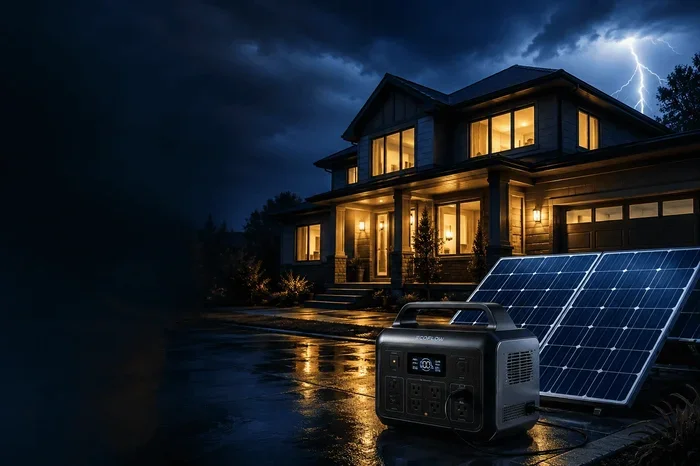
Solar generators use panels to charge a battery bank. They are silent, emission-free, and perfect for eco-conscious campers. The trade-off is slower charging and higher upfront cost.
Battery-powered portable power stations are the quietest and cleanest option. They store energy and release it on demand. To understand how long they last, you can read about how long does a generator battery last for more details on battery runtime.
Top Features to Look For in a Small Portable Generator
Not every generator needs every feature. But knowing what is available helps you make a smarter purchase.
Inverter Technology
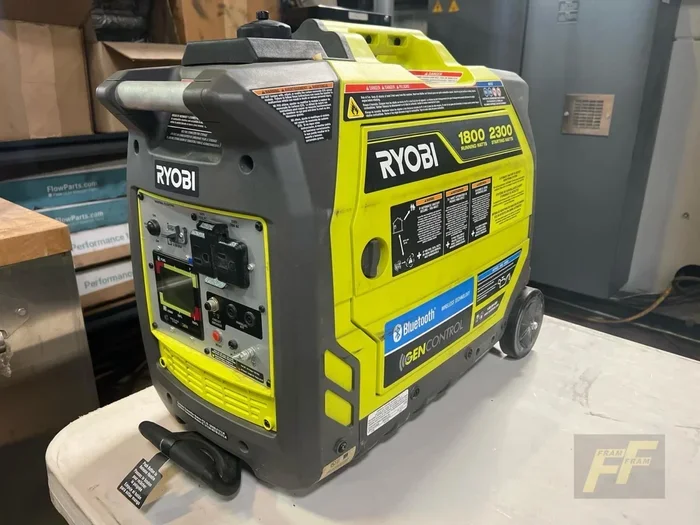
Inverter generators produce clean, stable power safe for sensitive electronics like laptops and phones. They adjust engine speed based on load, which saves fuel and reduces noise. If you need a quiet portable generator for camping or residential use, inverter models are the clear winner.
Runtime and Fuel Tank Size
Runtime tells you how long the generator runs on a single tank of fuel. Most small portable generators run between 6 and 12 hours at half load. Larger tanks mean fewer refills, which is especially important during extended outages.
Look for models with an eco-mode feature. This setting reduces fuel consumption when the load is light, stretching your runtime significantly.
Portability and Design
A lightweight generator should weigh under 50 pounds for easy carrying. Look for fold-out handles, built-in wheels, and compact dimensions. The goal is to move it without straining your back or needing two people.
Storage matters too. A well-designed unit fits in a closet, garage corner, or RV compartment without taking up much space.
Generator Safety Tips You Must Follow
Generators are powerful tools, but they must be used safely. A few simple rules keep you and your family protected.
Always Operate Outdoors
Never run a generator indoors, in a garage, or near open windows. Exhaust contains carbon monoxide, which is colorless and odorless. This is a serious and potentially deadly risk.
Place your generator at least 20 feet from your home, with the exhaust pointing away from doors and windows.
Use Proper Extension Cords
Only use cords rated for outdoor use and matched to the generator’s wattage. Plug devices directly into the generator when possible. Avoid daisy-chaining cords, which can cause overheating and fire hazards.
Ground Your Generator
Proper grounding prevents electrical shock and equipment damage. Follow the manufacturer’s grounding instructions carefully. If you are unsure, consult a licensed electrician before first use.
Maintenance Tips to Keep Your Generator Running
A well-maintained generator lasts longer and performs better. Regular upkeep takes only a few minutes but pays off over years of use.
Oil Changes
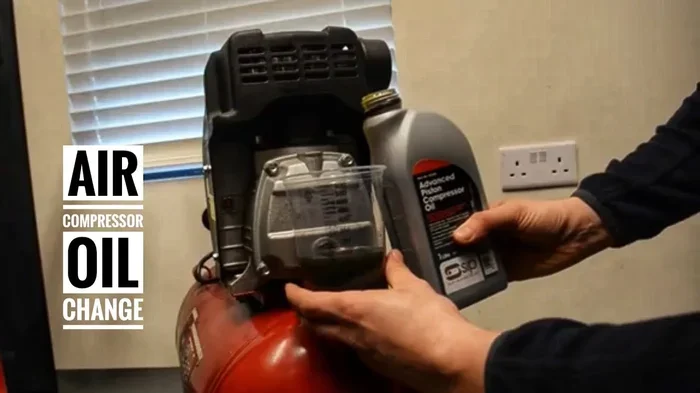
Change the oil after the first 20 hours of use, then every 100 hours or at least once per season. Use the oil type recommended in the owner’s manual. Fresh oil keeps the engine running smoothly and prevents premature wear.
Air Filter and Spark Plug Care
Clean or replace the air filter every 50 to 100 hours of use. A clogged filter reduces performance and increases fuel consumption. Check the spark plug annually and replace it if you notice wear or fouling.
Proper Storage
Store your generator in a dry, cool place. If you will not use it for months, add fuel stabilizer to the tank and run the engine briefly to circulate it. This prevents fuel system clogs and starting problems when you need the generator most.
For a deeper look at testing and evaluating generators, explore our generator testing guide for expert insights and comparisons.
Common Mistakes People Make with Small Portable Generators
Avoiding these mistakes saves you money, frustration, and potential danger.
- Buying too much or too little wattage: Overspending on power you do not need wastes money. Undersizing leads to overloads and shutdowns.
- Ignoring noise ratings: A loud generator ruins the peace at campsites and can disturb neighbors during outages.
- Skipping fuel stabilizer: Stale fuel causes hard starts and engine damage over time.
- Overloading the generator: Plugging in too many devices at once trips breakers or damages the unit.
- Neglecting regular maintenance: Even the best generator fails prematurely without basic care.
Take the time to read your owner’s manual thoroughly. It contains specific guidance for your model and helps you get the most out of your investment.
Final Thoughts on Finding the Best Small Portable Generator
A small portable generator is one of the most practical investments you can make for outdoor adventures and home preparedness. The right unit keeps your devices charged, your food cold, and your lights on wherever life takes you.
Start by identifying your power needs, choosing the right fuel type, and prioritizing safety and portability. With proper maintenance, your generator will serve you reliably for many years. Explore more about electrical generator options and find the perfect match for your lifestyle.
Do not wait for the next outage or camping trip to realize you need backup power. Make the smart choice today and enjoy peace of mind tomorrow.
For those in Florida looking for local support and service options, check out our generator companies in Florida directory for trusted providers near you.
Frequently Asked Questions
What can a small portable generator power?
A small portable generator can power phones, laptops, lights, small fans, and even a mini fridge. The exact devices depend on the generator’s wattage. Always check the running and starting wattage of your appliances before connecting them to the generator.
How long does a small portable generator run on a full tank?
Most small portable generators run between 6 and 12 hours at half load. Runtime varies based on the fuel type, tank size, and the load you are powering. Using eco-mode or fuel-efficient settings can extend your runtime significantly.
Are portable generators safe to use indoors?
No, portable generators should never be used indoors or in enclosed spaces. The exhaust contains carbon monoxide, which is extremely dangerous. Always operate your generator outdoors at least 20 feet away from your home, doors, and windows.
What is the difference between an inverter generator and a regular generator?
An inverter generator adjusts engine speed based on the power demand, making it quieter and more fuel-efficient. It also produces cleaner power that is safe for sensitive electronics. Regular generators run at a constant speed and are better suited for heavy-duty tools and appliances.
How often should I maintain my small portable generator?
Perform basic maintenance after every use, including checking the oil level and cleaning the air filter. Change the oil every 50 to 100 hours of operation, and inspect the spark plug annually. Following the maintenance schedule in your owner’s manual keeps the generator running smoothly.
Can I use a small portable generator for home backup power?
Yes, a small portable generator works well for essential home backup during outages. It can power lights, a refrigerator, sump pump, and a few other key appliances. Just make sure the total wattage of your devices stays within the generator’s capacity to avoid overloading.